



























Choosing a commercial dishwasher for your Canadian foodservice business starts with understanding your busiest service period. The right machine should handle returning wares, fit your kitchen layout and work with your available utilities.
This commercial dishwasher buying guide covers the key decisions—from dishwasher type and rack capacity to sanitizing methods, installation and ongoing costs.
1. Choose a Dishwasher Type That Fits Your Operation

Different dishwasher styles support different workloads and layouts:
-
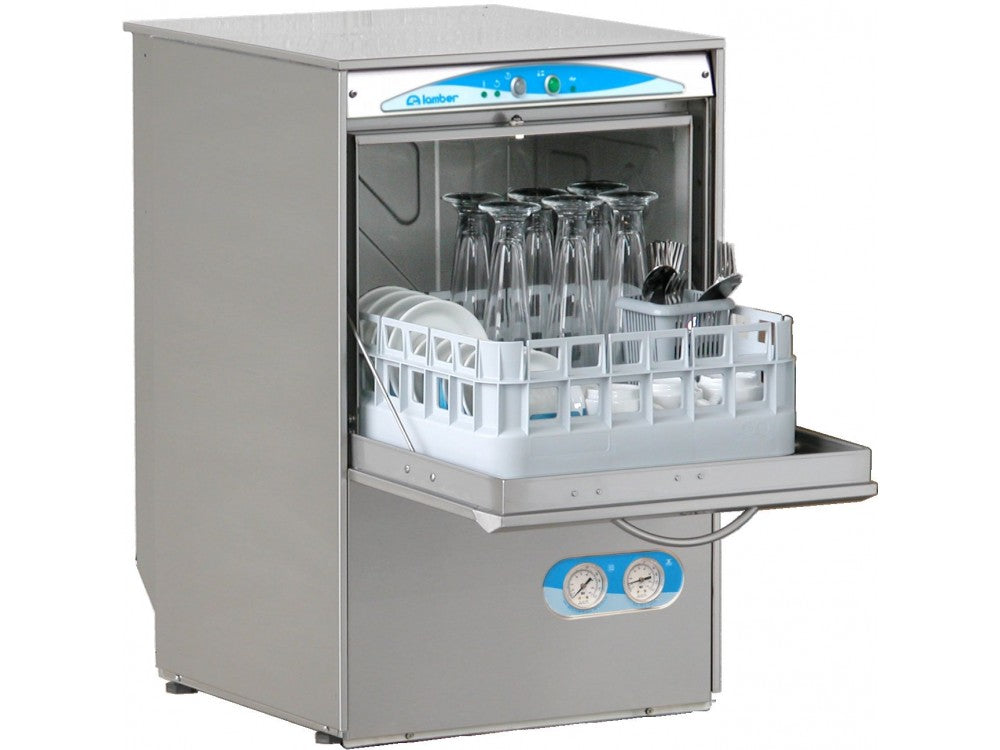
Undercounter dishwashers: A compact option for cafés, bars and kitchens with manageable rack volumes. Check loading height and space for handling dirty and clean wares.
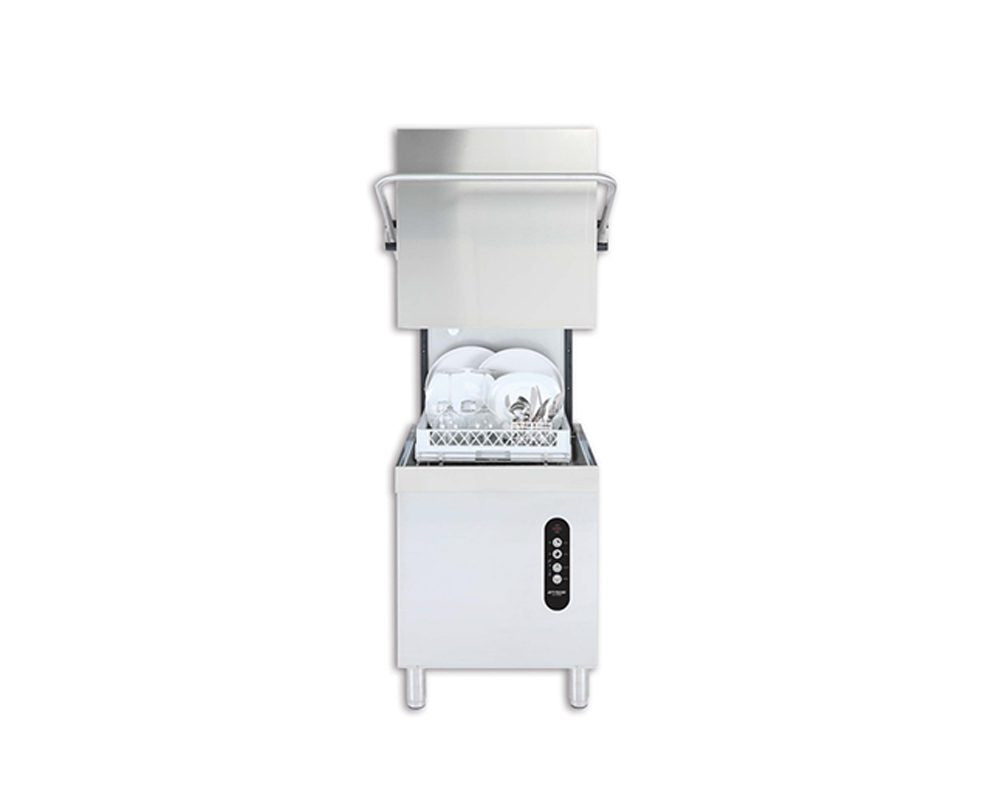
- Door-type or pass-through dishwashers: Support rack movement between loading and unloading tables. Confirm door clearance and compatibility with your planned table arrangement.
- Conveyor dishwashers: Designed for continuous, high-volume warewashing. Assess the complete footprint, staffing, utilities and ventilation requirements.
- Glasswashers: Useful for beverage stations with frequent glassware turnover. Check glass clearance, rack compatibility and the manufacturer’s approved applications.
Choose by workload and model specifications rather than business type alone. A small restaurant with rapid table turnover may have different needs from a café serving mostly takeaway orders.
2. Estimate Peak Rack Demand
Count the plates, glasses, cutlery and kitchen utensils returning during your busiest period. Estimate how many correctly loaded racks they require.
For example, 12 racks returning in 15 minutes represent demand equivalent to 48 racks per hour if that pace continues. Include time for scraping, loading, unloading and occasional rewashing.
Compare published throughput for the cycle you expect to use. Maximum capacity may depend on a short cycle or optional rack configuration. Check each model’s specifications to confirm its capacity under your intended operating conditions.
Practical sizing tip: Record your largest tray, tallest glass and deepest utensil before comparing machines. Check usable wash-chamber clearance and rack compatibility separately from external dimensions. A machine that fits the room must also accommodate the wares you need to wash.
3. Plan the Complete Dishwashing Area
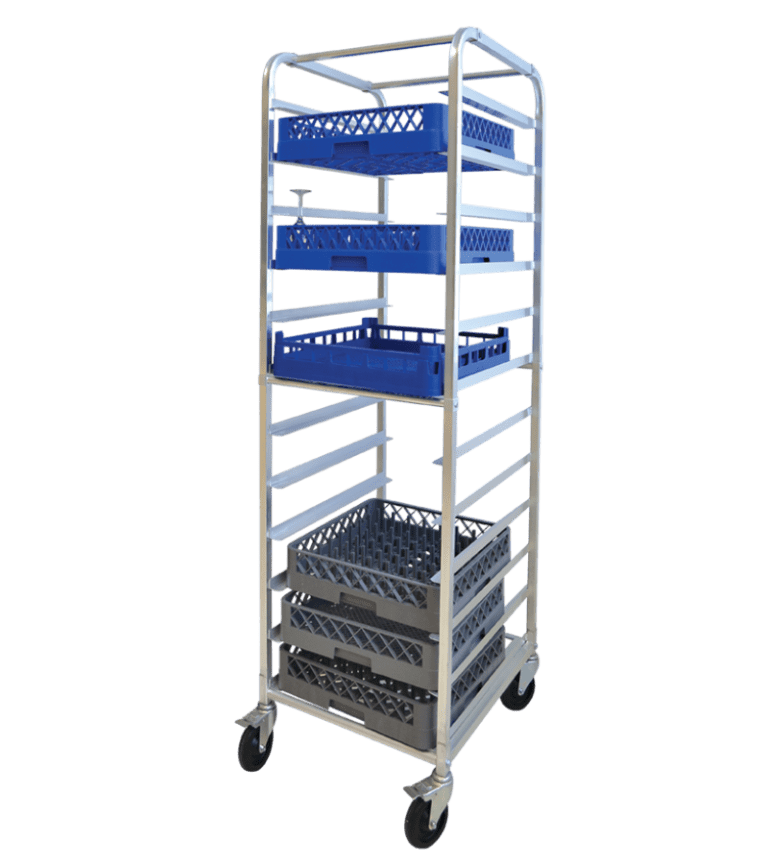
Measure the installation space and delivery route, including doorways, corners and access points. Allow room for open doors, dish tables, racks, chemical containers and maintenance.
Plan a clear sequence:
Scrape → sort → pre-rinse as needed → rack → wash and sanitize → air-dry → store
Keep returning dirty wares away from the clean unloading area. Provide enough space for air-drying so staff can unload without creating another bottleneck.
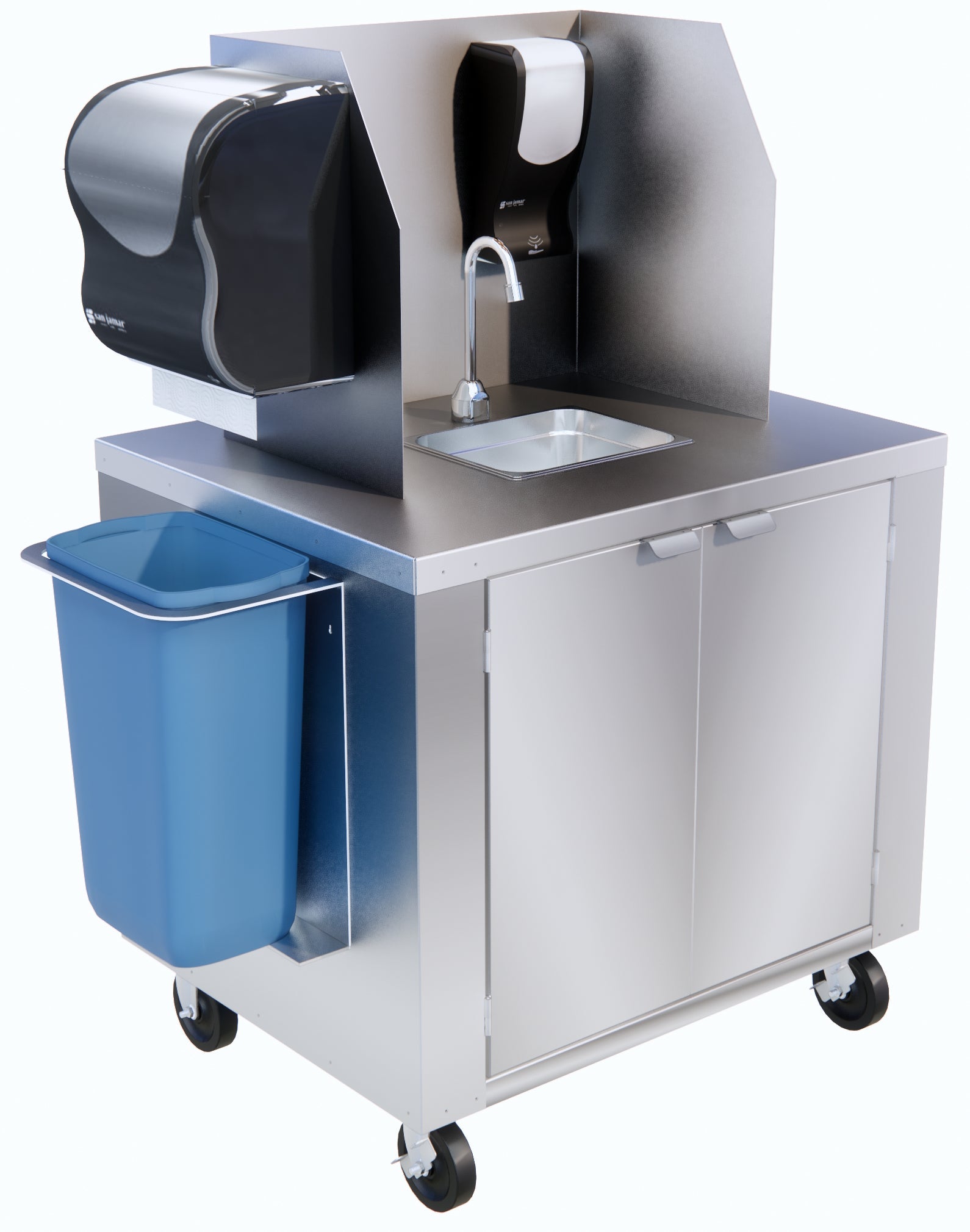
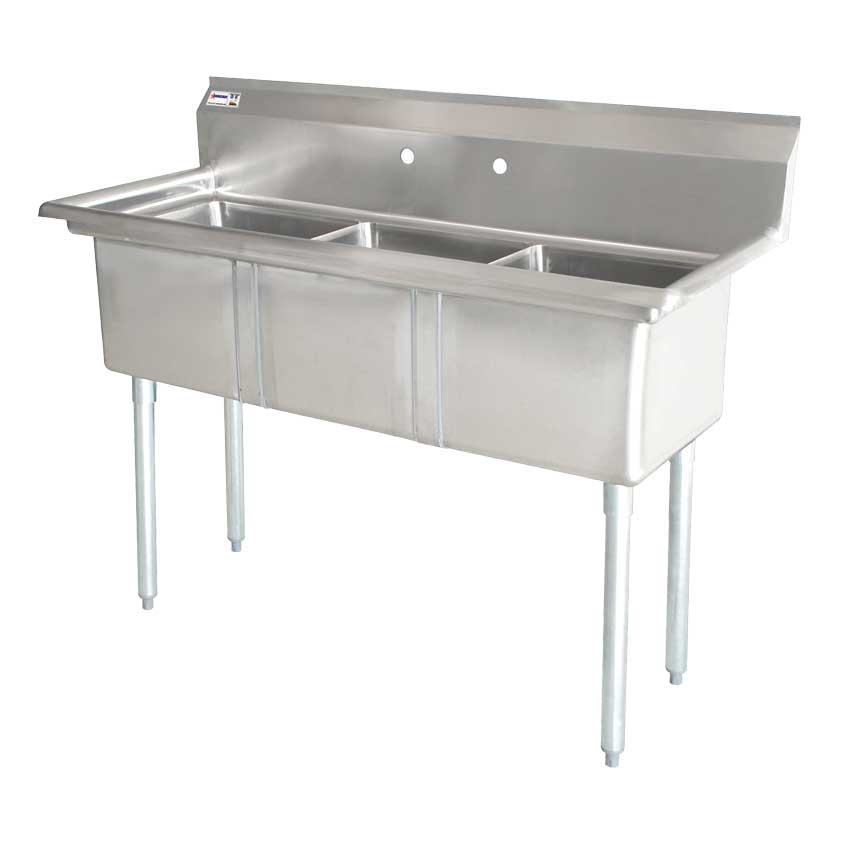
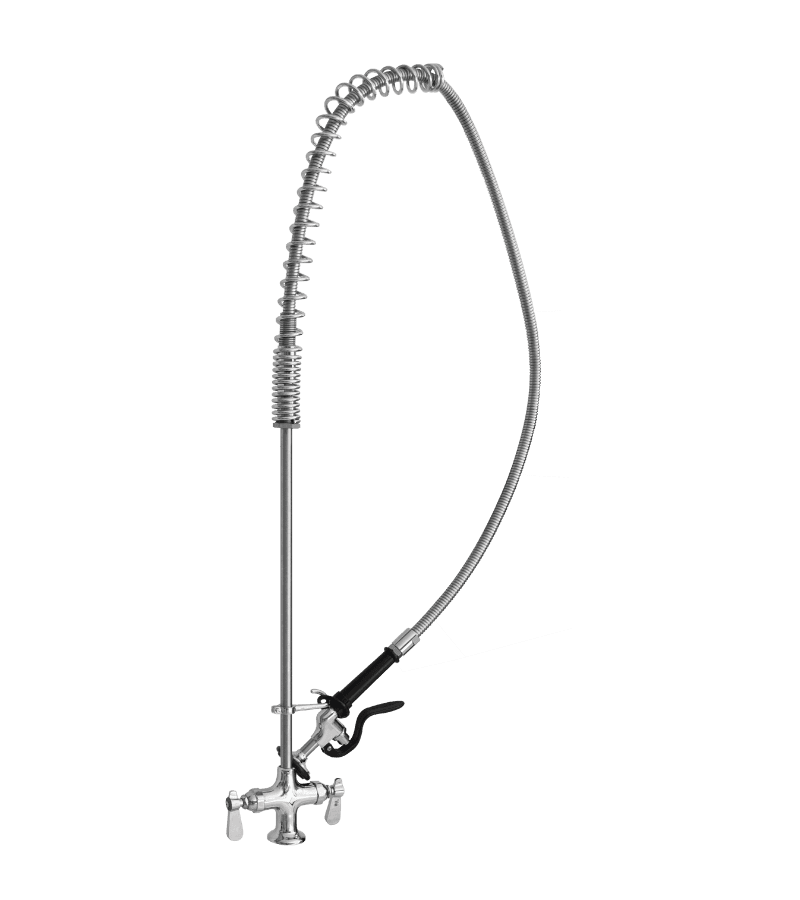
Compare related dishwashing equipment, including pre-rinse equipment and accessories, when planning the station.
4. Compare Sanitizing Methods
Commercial dishwashers may use high-temperature or chemical sanitizing.
High-temperature machines use a hot final rinse for sanitizing. Confirm incoming water requirements, booster-heater specifications and electrical demand.
Chemical-sanitizing machines use an approved sanitizer under specified operating conditions. Check chemical compatibility, dosing requirements, monitoring procedures and supply costs.
Follow the manufacturer’s instructions and applicable local requirements. In British Columbia, the Food Premises Regulation requires suitable, cleanable equipment maintained in sanitary working condition, with facilities for washing and sanitizing.
Confirm the proposed setup with your local health authority before purchasing.
5. Verify Utilities and Installation Requirements
Ask your installer to compare the model’s installation sheet with your site. Confirm:
- Voltage, phase, amperage and electrical connection.
- Water temperature, pressure, flow and water-quality requirements.
- Drain connection, elevation and gravity or pumped-drain arrangement.
- Ventilation or hood requirements.
- Operating clearances and service access.
For installations in B.C., check accepted electrical certification or approval marks using Technical Safety BC’s electrical product guidance.
Resolve installation questions before ordering to help avoid unexpected alterations and delays.
6. Compare Total Ownership Costs
Compare purchase and installation costs alongside water, energy, chemicals and maintenance. Use your expected rack volume and operating schedule when assessing competing models.
Review daily cleaning, filter access, wash-arm removal and deliming procedures. Confirm warranty coverage, replacement-parts availability and service support for your location.
An efficient dishwashing station depends on both the equipment and the team operating it. Include staff training and cleaning responsibilities in your purchasing plan.
Find the Right Commercial Dishwasher for Your Kitchen
Ready to upgrade your dishwashing station? Explore Brittania Food Equipment’s commercial dishwashers to compare options for your kitchen’s workload, available space and utility requirements.
Need help choosing? Contact Brittania Food Equipment with your kitchen measurements, peak rack demand and utility details for help selecting suitable options and requesting a quote.