























Commercial dishwashing equipment: a complete guide starts with one basic question: how many dishes, glasses, trays and utensils must your operation turn around during its busiest period? The right machine should match that demand while supporting sanitation, staff workflow and utility capacity. For restaurants, cafés, bakeries, food trucks, caterers and institutions across Canada, dishwashing is not just a back-of-house chore; it is a core food-safety and productivity system.
For operators comparing kitchen equipment in Canada, Brittania Food Equipment provides commercial equipment for new builds, replacements and upgrades, with a focus on practical fit for Canadian foodservice environments.

The Main Types of Commercial Dishwashers
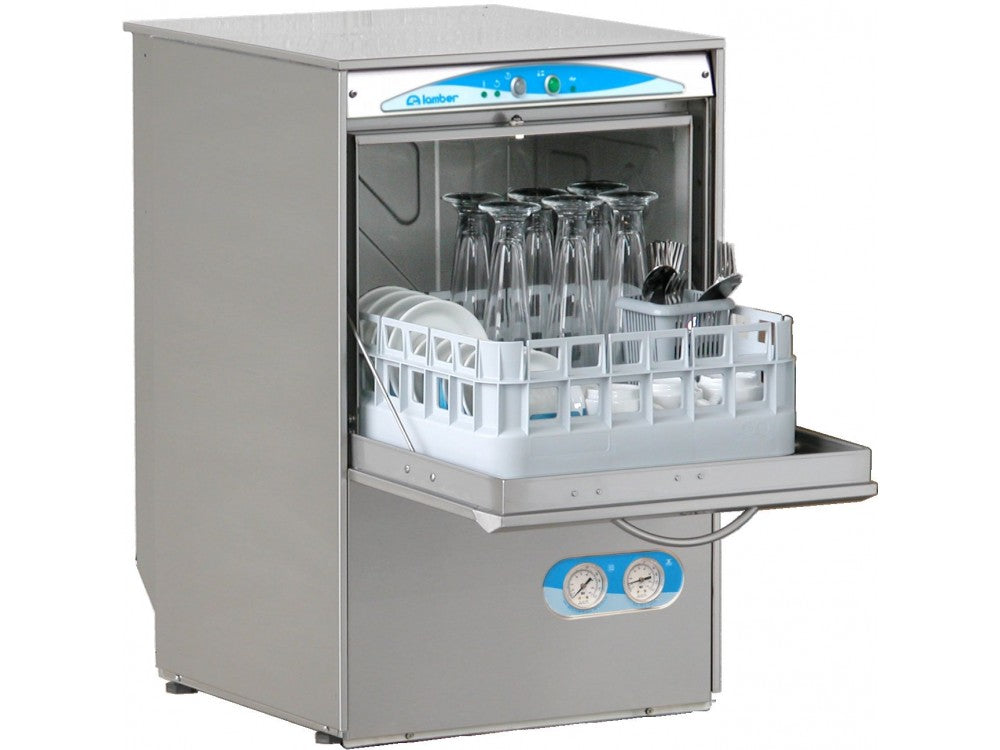
Undercounter dishwashers fit beneath a counter and work well for lower-volume cafés, bars, small restaurants and satellite service areas. They save floor space and are best when dish volume arrives in smaller batches.
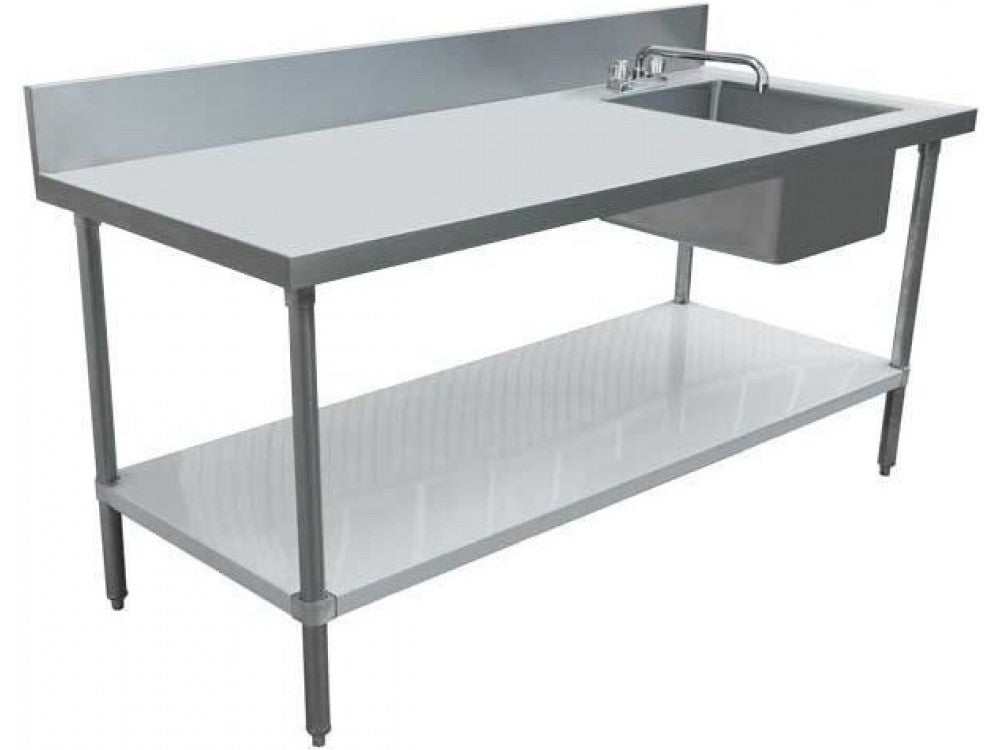
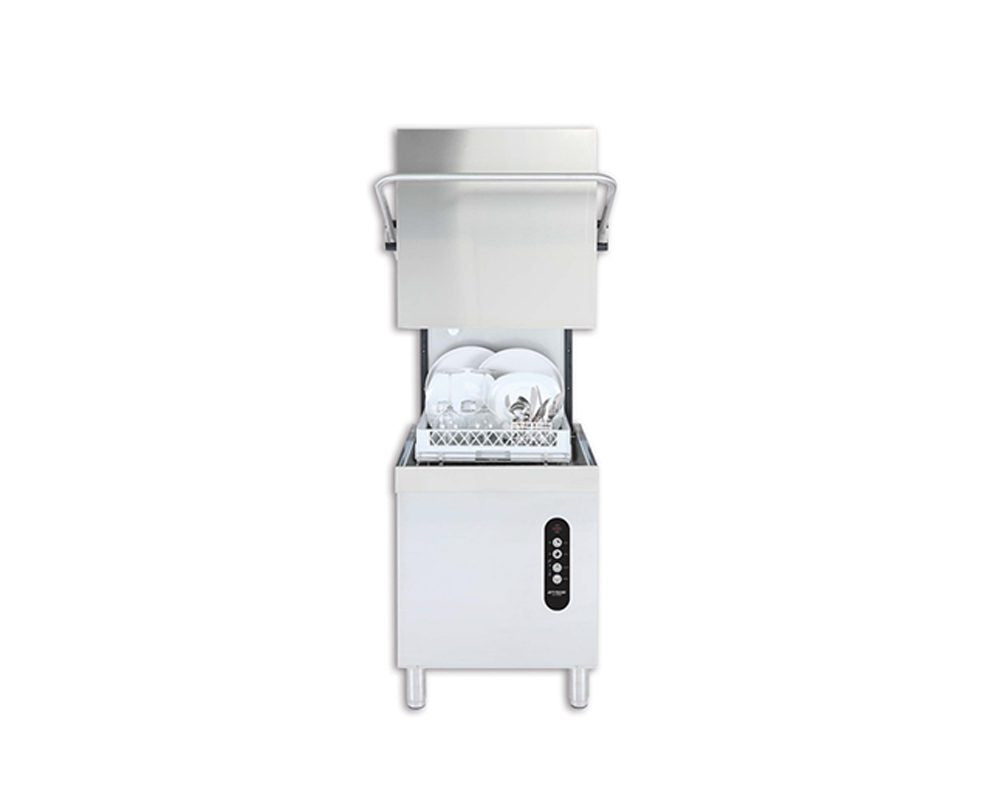
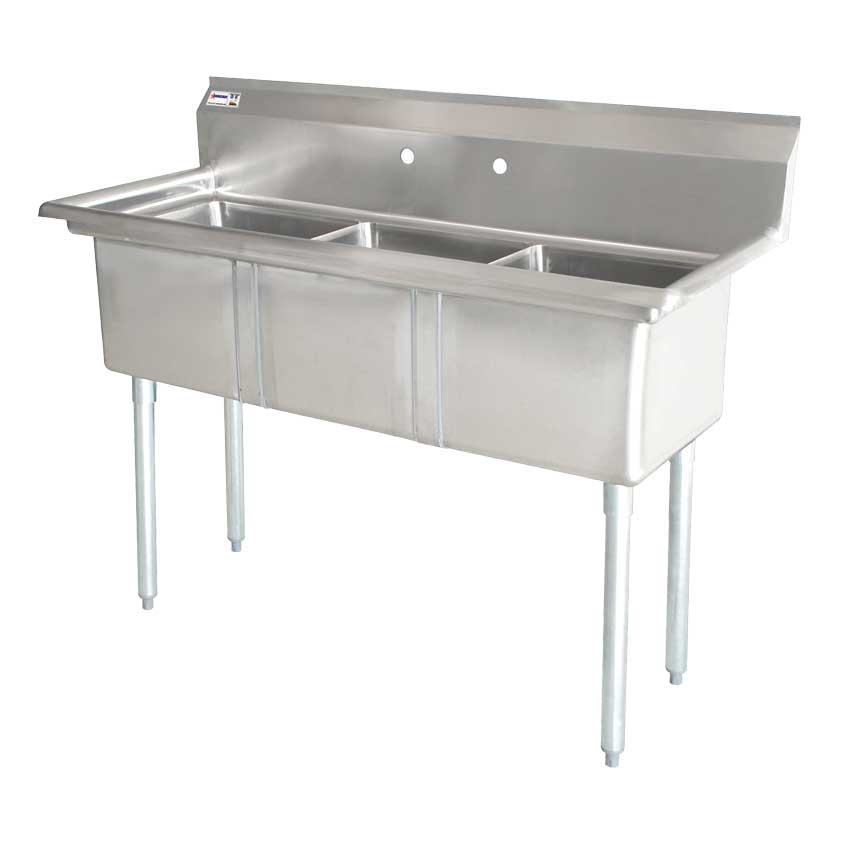
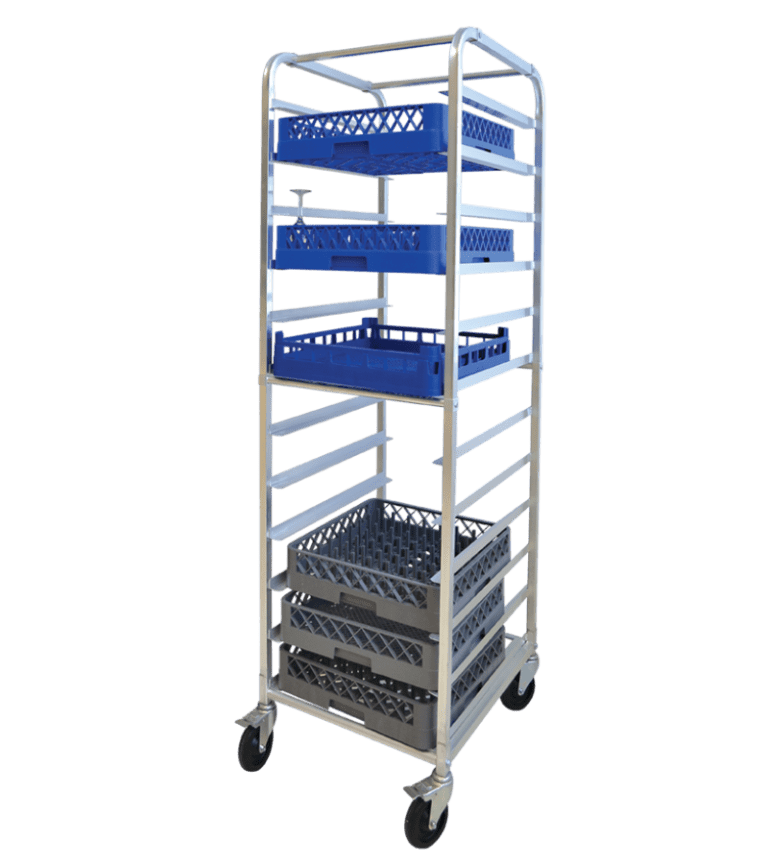
Door-type or pass-through dishwashers handle a full rack at a time and are a common choice for busy restaurants, bakeries, caterers and institutional kitchens. When paired with landing tables and a pre-rinse station, they create a fast, linear dirty-to-clean workflow.
Conveyor or flight-type systems are designed for very high throughput. Large restaurants, hotels, commissaries, schools, universities and healthcare foodservice operations may benefit from continuous washing when peak volume exceeds what a single-rack machine can comfortably handle.
Glasswashers are optimized for beverage service and delicate glassware. Bars, cafés and venues with high drink volume often use them alongside a general-purpose dishwasher rather than as a complete replacement.
Dishwasher Type Chart
| Undercounter | Door-Type | Conveyor / Flight | Glasswasher |
| Low to moderate volume | Medium to high volume | Very high volume | High glassware volume |
| Compact footprint | Rack-at-a-time workflow | Continuous flow | Gentler glass-focused handling |
| Cafés, bars, small kitchens | Restaurants, bakeries, caterers | Hotels, institutions, commissaries | Bars, cafés, beverage service |
What to Compare Before You Buy
Start with peak-hour capacity, not the daily total. Measure how many racks or pieces you need to process during your busiest service window, then allow headroom for rushes. Confirm available electrical service, hot-water supply, drainage, ventilation and floor space before ordering. Water hardness also matters because mineral buildup can reduce performance and increase maintenance needs. Next, choose the sanitizing approach that suits the site. Commercial machines may use high-temperature sanitizing or an approved chemical sanitizing system. High-temperature units can require additional hot-water or booster-heater capacity; chemical-sanitizing models require correct chemical setup, monitoring and handling. Follow the machine manufacturer, sanitizer label and local health authority requirements rather than relying on a one-size-fits-all setting.
Canadian and B.C. Food-Safety Considerations
In British Columbia, food premises must keep equipment and utensils sanitary, and equipment, utensils and food-contact surfaces must be washed and sanitized in a way that removes contamination. Food service establishments must also maintain written sanitation procedures covering cleaning and sanitizing requirements and identifying the agents used, including their concentrations and uses. Local approval requirements can be more specific for mechanical dishwashers, so operators in Surrey, Vancouver, the Lower Mainland, the Interior and the Islands should confirm the final installation with the applicable health authority. Vancouver Coastal Health, for example, states that a commercial dishwasher must meet sanitizing requirements and identifies plate-level performance criteria for high-temperature machines. That is why the safest purchasing approach is to select a commercial unit designed for foodservice, install it according to the manufacturer’s specifications, and verify that its sanitizing performance meets the local authority’s approval requirements.
Keep the Machine Performing
Daily care has a direct effect on wash quality. Scrape food before loading, avoid overloading racks, clean strainers and wash arms, verify chemical levels where applicable, and follow the recommended deliming schedule. Periodically inspect door seals, spray nozzles, drains and temperature or chemical controls. Preventive maintenance reduces downtime and helps protect the investment during busy service periods.
|
Ready to choose the right dishwashing system? Brittania Food Equipment can help you compare capacity, footprint and application fit. Shop commercial dishwashers for your operation. |