



















A commercial display refrigerator does two jobs at once: it keeps products properly refrigerated while presenting them where customers can easily see and select them. For cafés, bakeries, restaurants, grocery counters, institutions and grab-and-go operations, choosing the right merchandiser can improve product visibility, workflow and available selling space. This commercial display refrigerator buying guide covers the key considerations for Canadian food-service operators shopping for professional kitchen equipment in Canada.
1. Choose the Right Display Refrigerator Style
Different merchandising formats suit different products and service models. Brittania's current merchandising and display refrigeration collection includes merchandising reach-ins, merchandising freezers, display cases and open merchandisers.
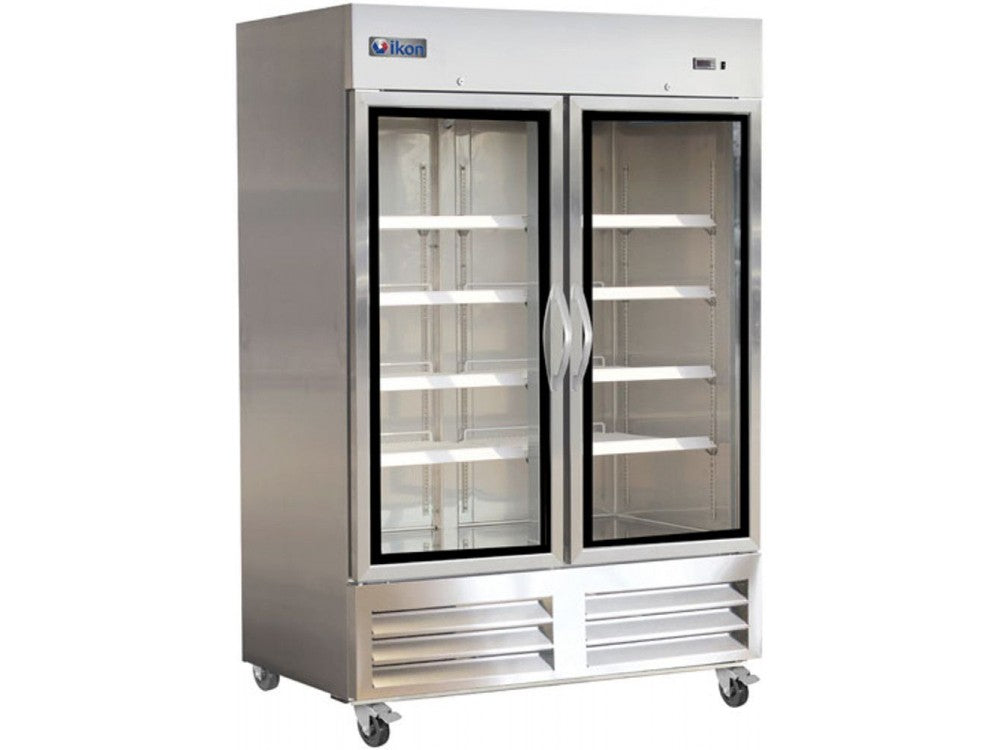
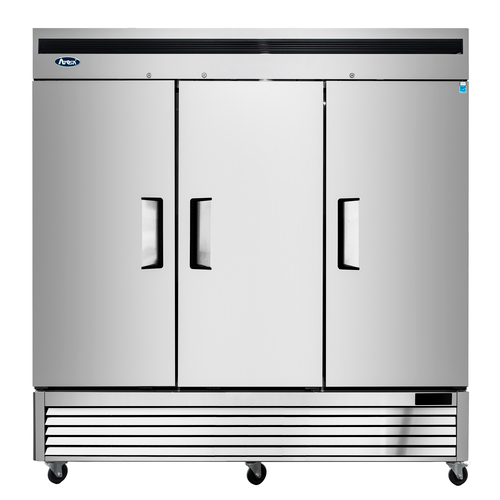
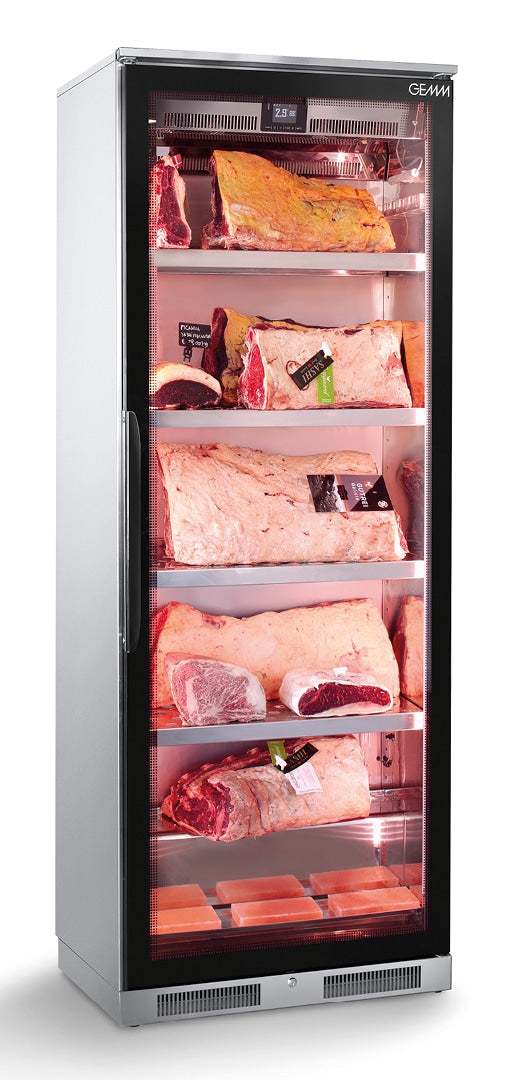
Glass-door upright merchandisers are well suited to bottled beverages, packaged foods and other self-service products. Their vertical footprint provides substantial display capacity without occupying as much floor width.
Countertop display coolers work well for cafés, bakeries and checkout areas where space is limited and customers need to see smaller quantities of chilled products.
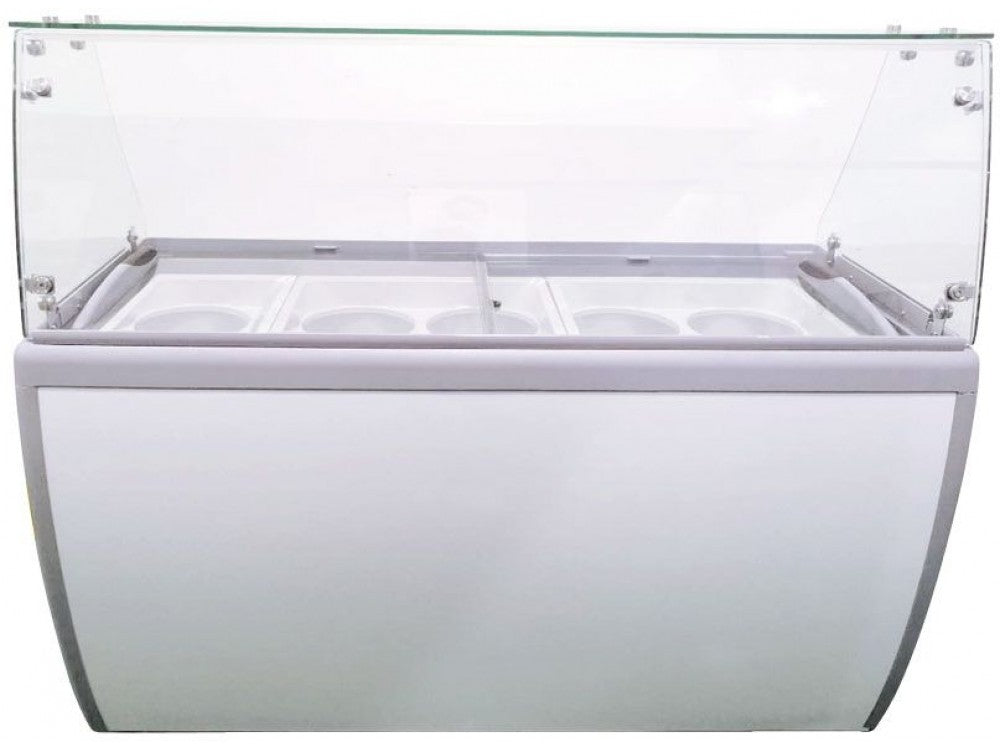
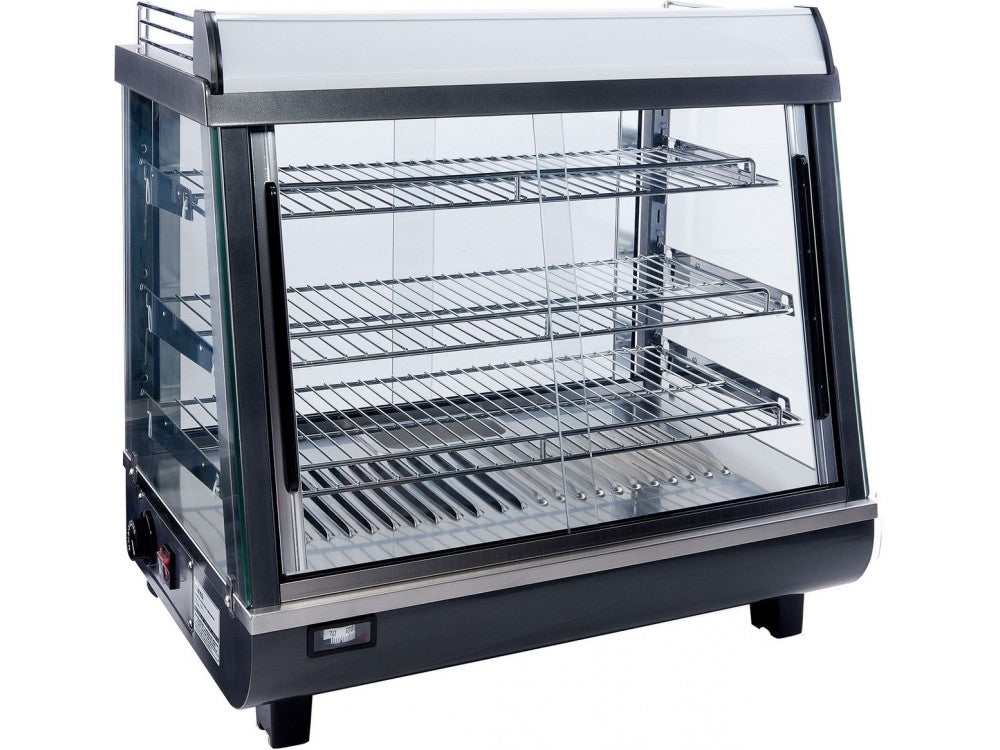
Bakery and deli display cases emphasize presentation. They can showcase pastries, desserts, sandwiches and prepared foods while creating a more polished customer-facing display.
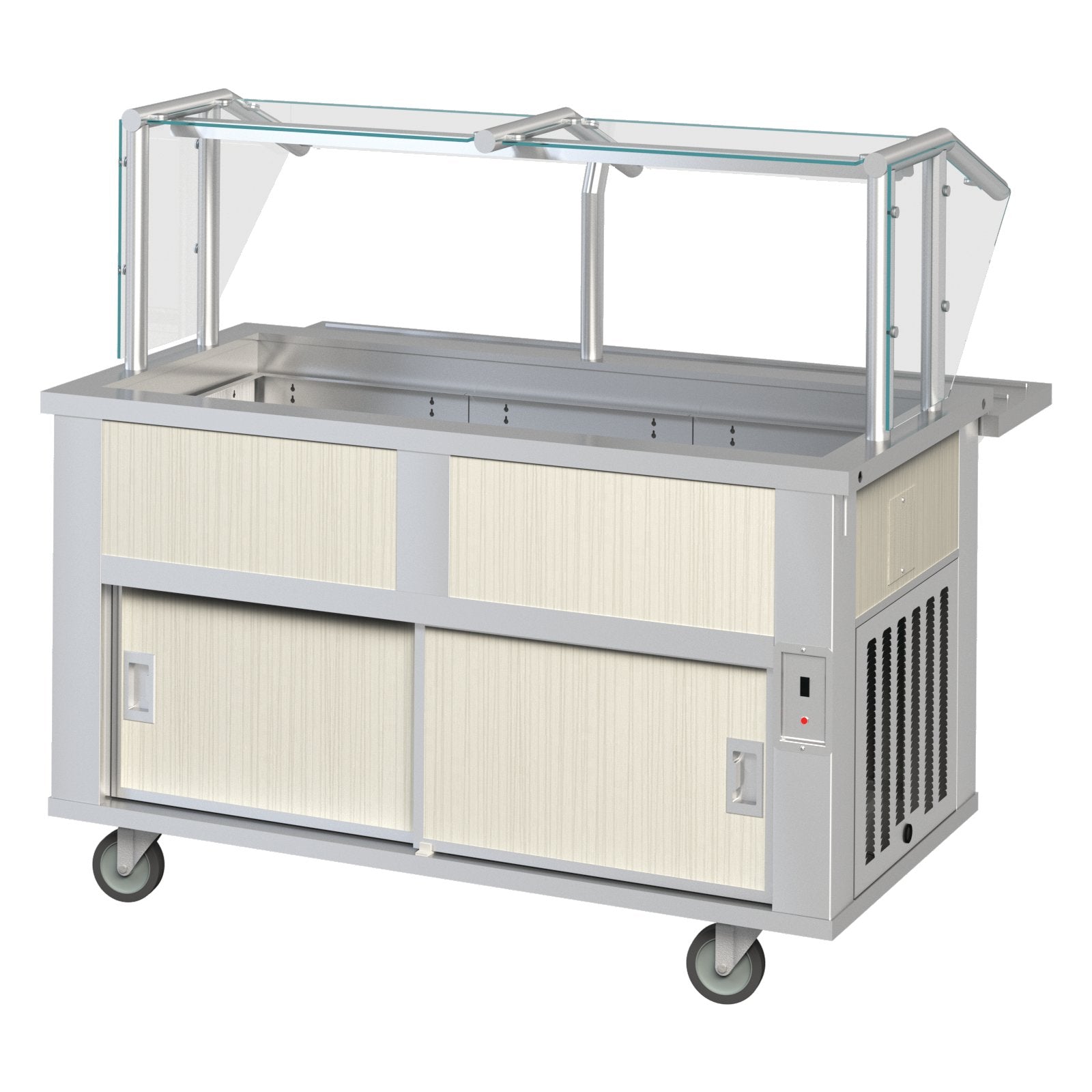
Open merchandisers provide fast access for grab-and-go products and can work well in high-traffic cafés, cafeterias and institutional food-service areas.

Merchandiser selection chart: compare display formats by use, visibility, access and footprint.
2. Match the Refrigerator to the Product
Before buying, decide exactly what the unit will hold. Bottled beverages, dairy products, sandwiches, desserts and prepared meals can have different storage and merchandising requirements. Consider shelf dimensions, usable display area, package height and how quickly products turn over. Adjustable shelving provides more flexibility when packaging changes. Lighting also matters: interior illumination should make products easy to see without creating distracting glare on glass doors.
3. Check Temperature Performance
Food safety must take priority over appearance. In British Columbia, potentially hazardous food that is stored or displayed cold must generally be maintained at 4°C or colder. Refrigeration equipment must be capable of maintaining the required temperature and must have a thermometer accurate within 1°C. B.C. rules also require commercial food equipment to use suitable, durable and easily cleaned materials, remain in good working order and operate in a way that supports safe and sanitary food handling. If your merchandiser is displaying refrigerated sandwiches, dairy products or other potentially hazardous food, verify temperature performance throughout the cabinet—not simply at the thermostat.
4. Compare Dimensions and Capacity
Measure the installation space before ordering, including width, depth, height and door clearance. For upright glass-door models, check whether swing doors could interfere with customer traffic; sliding doors may work better in narrow aisles. Also measure doorways, hallways and elevators along the delivery route. For operators in Surrey, Vancouver and other high-density commercial areas, maximizing display capacity within a limited footprint can be especially important.
5. Consider Energy Efficiency
Many commercial refrigerators designed for displaying or storing food and beverages fall under Canada's federal Energy Efficiency Regulations. Natural Resources Canada establishes minimum energy-performance requirements for covered commercial refrigeration configurations, including various transparent-door and open display designs. Compare manufacturer energy-consumption data when evaluating models. Door design, lighting, insulation, compressor configuration, ambient temperature and operating hours can all affect long-term electricity costs.
6. Review Installation and Maintenance
Check voltage, amperage, plug requirements and manufacturer ventilation clearances before ordering. In British Columbia, electrical equipment must carry acceptable evidence of certification or approval from an accredited certification body or another recognized approval process. For easier maintenance, look for accessible condenser areas, removable shelving and surfaces that can be cleaned efficiently.
Choose a Merchandiser That Supports Sales and Food Safety
The best display refrigerator balances product visibility, capacity, temperature performance, accessibility and operating cost. A café may need a compact countertop case, while a busy grab-and-go operation may benefit from an open merchandiser or full-height glass-door unit. For restaurants, cafés, bakeries, food trucks, caterers and institutions across the Lower Mainland, B.C. Interior, the Islands and Canada, Brittania Food Equipment is a professional restaurant supply store offering refrigeration solutions for commercial food-service operations.