
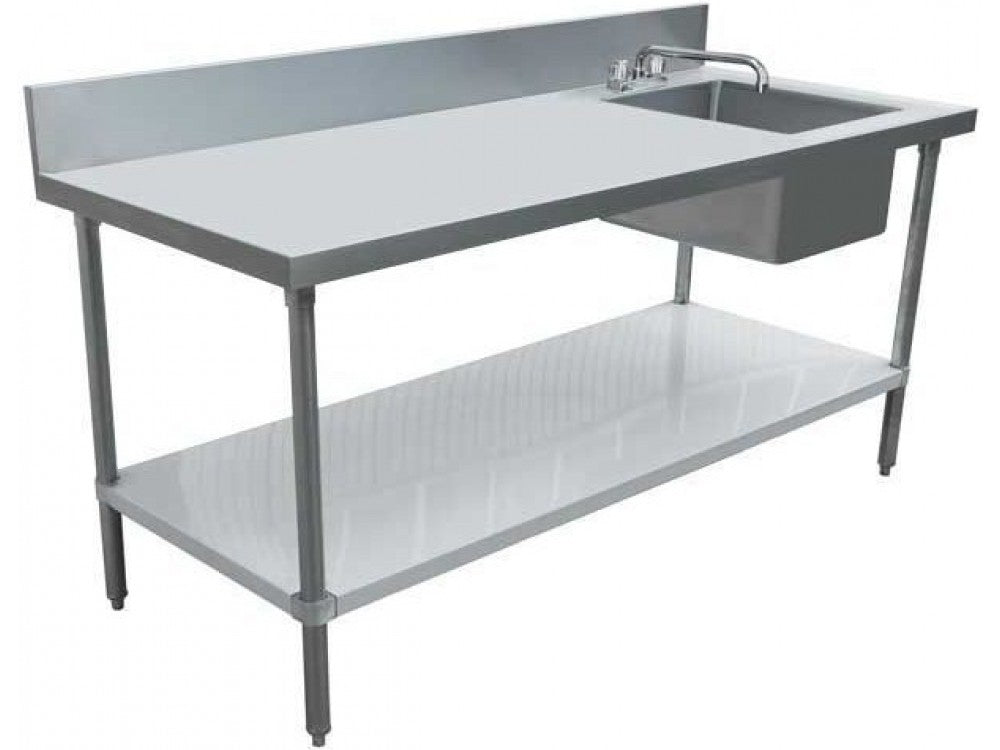
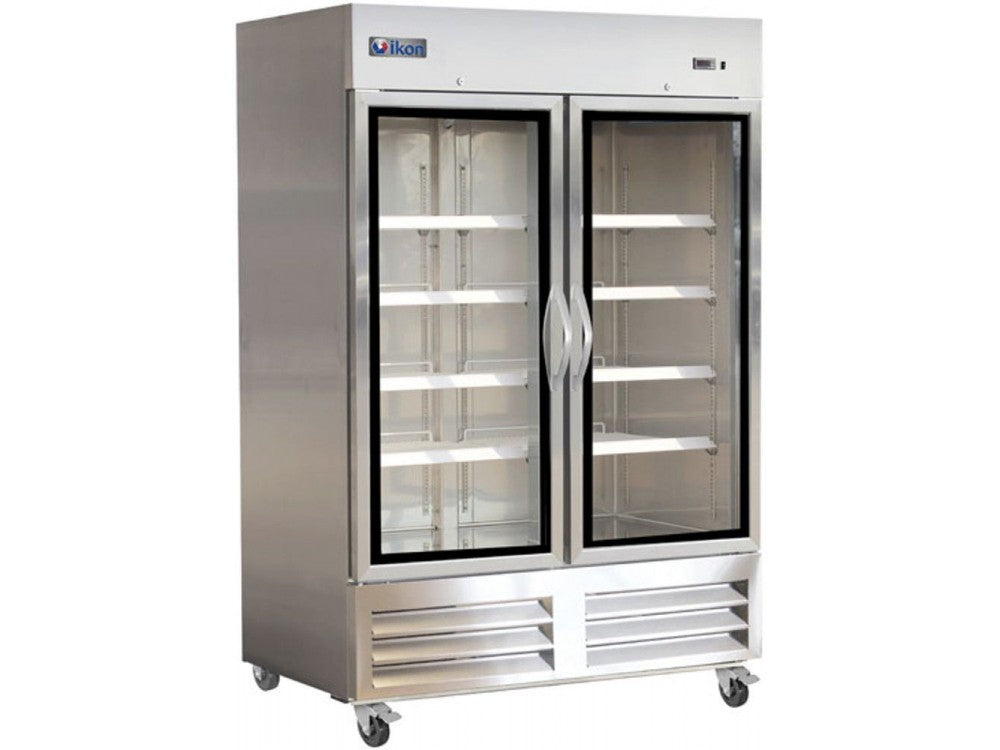
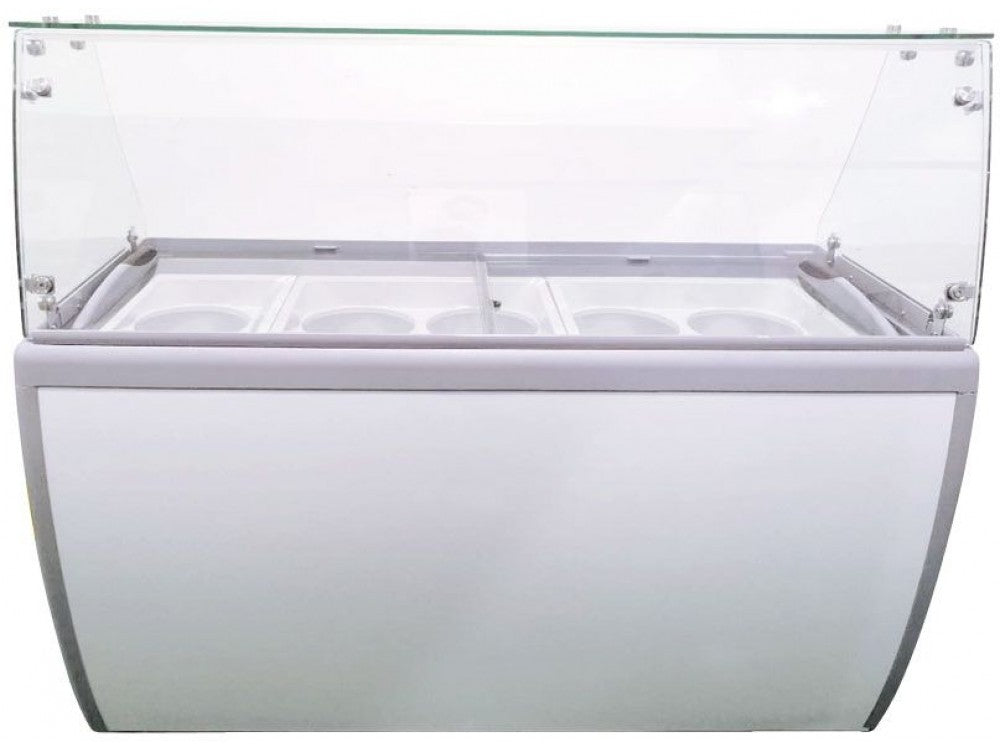
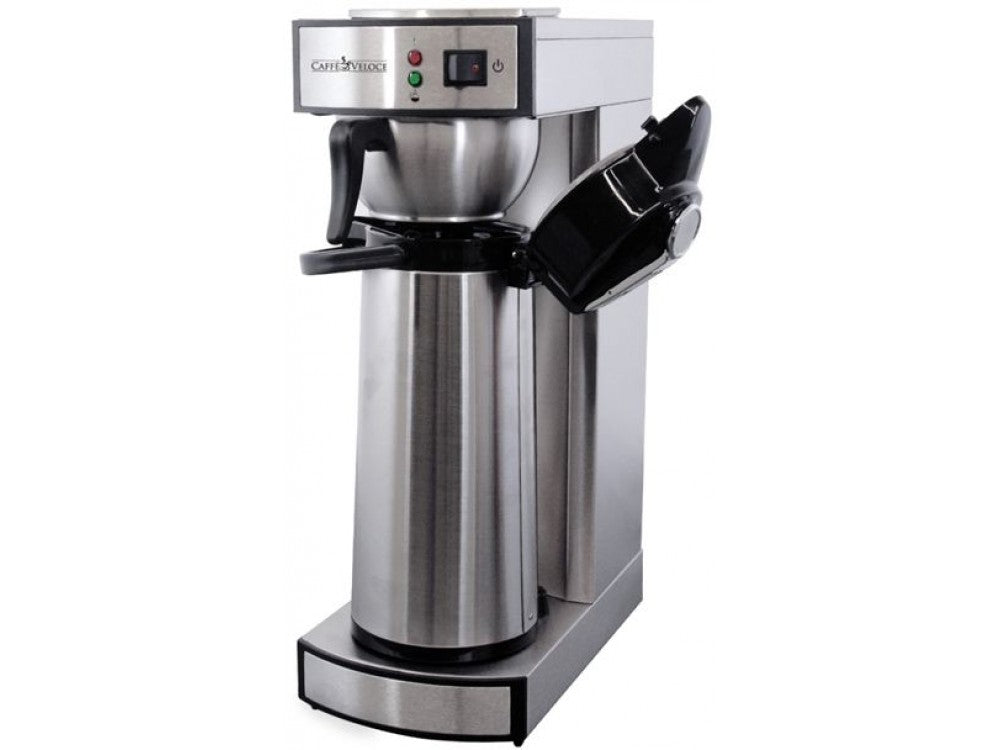
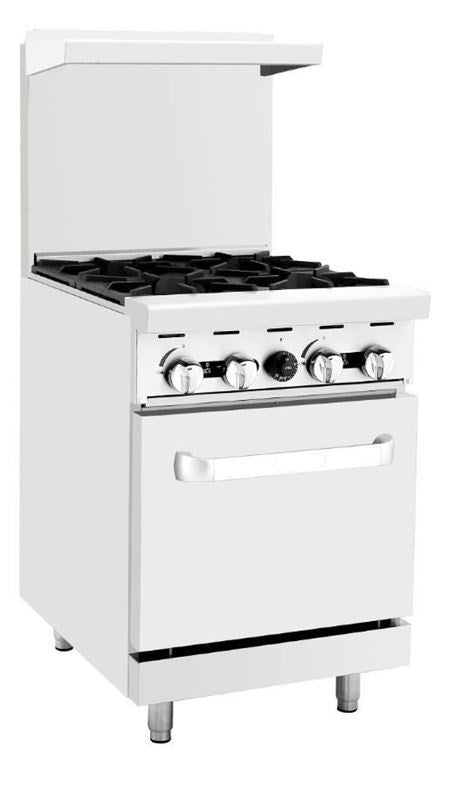
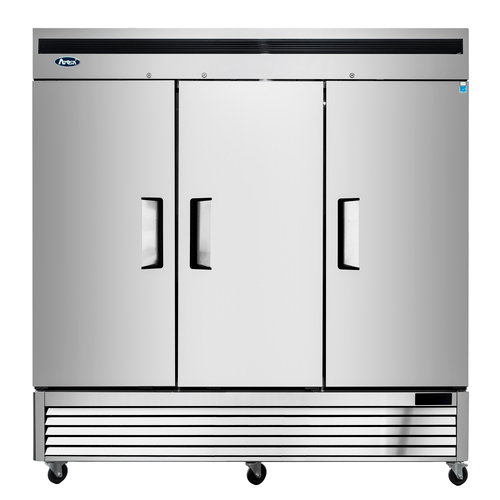
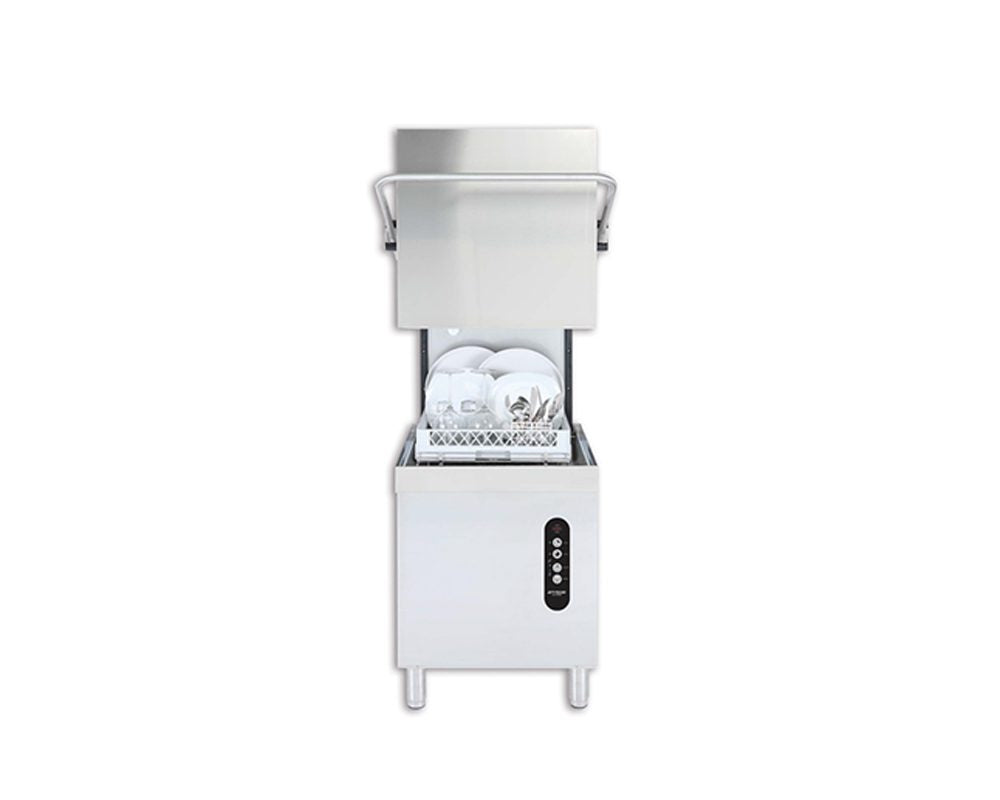
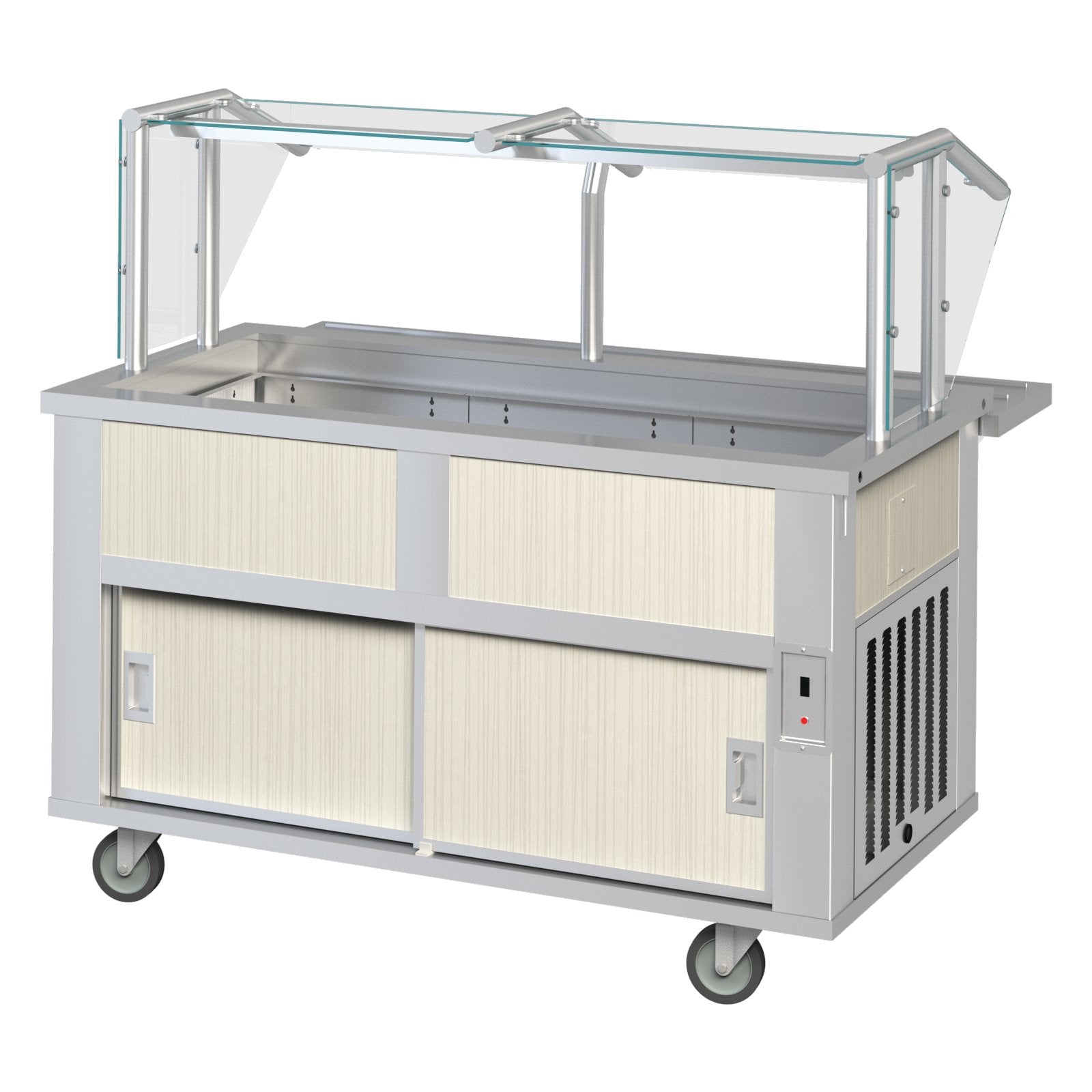







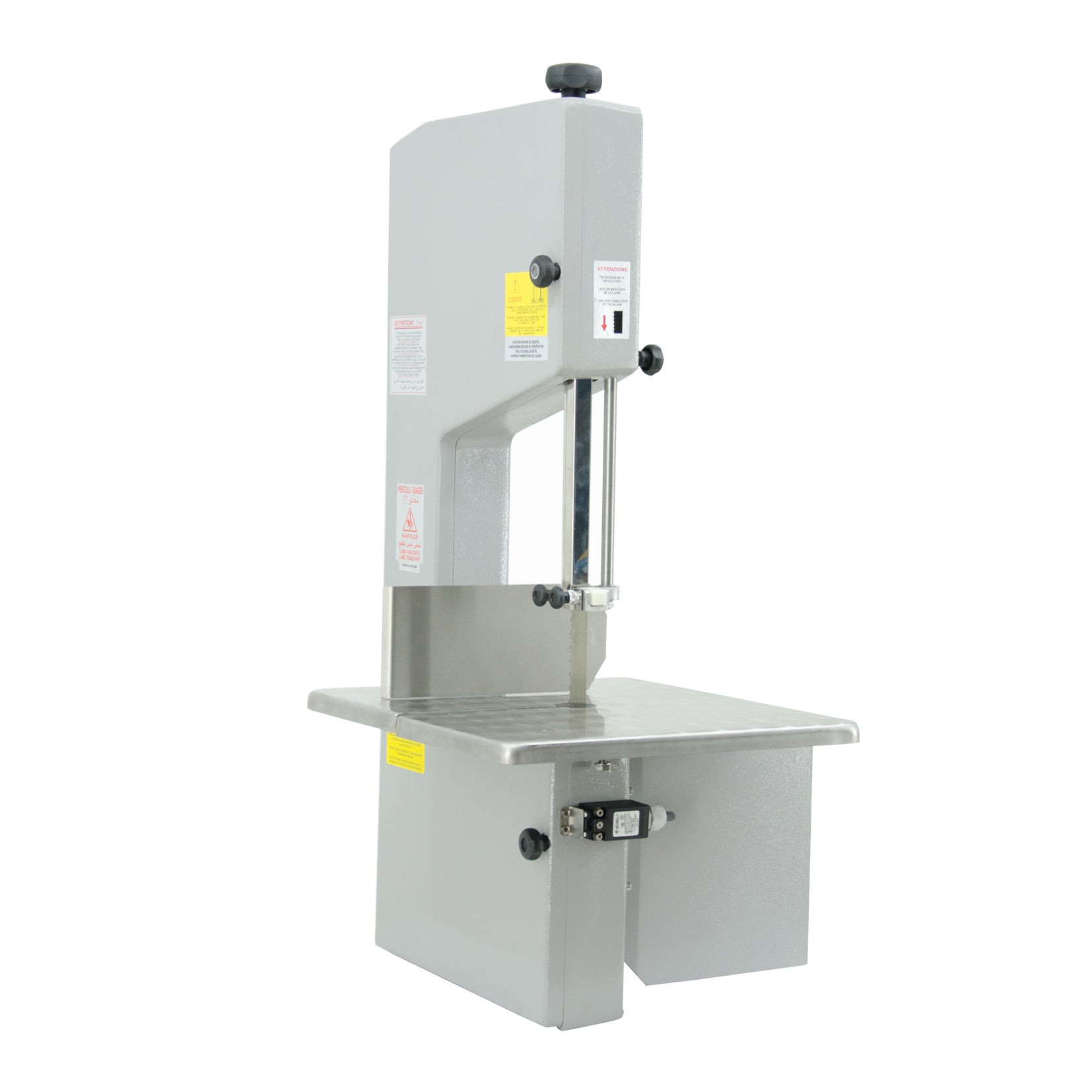
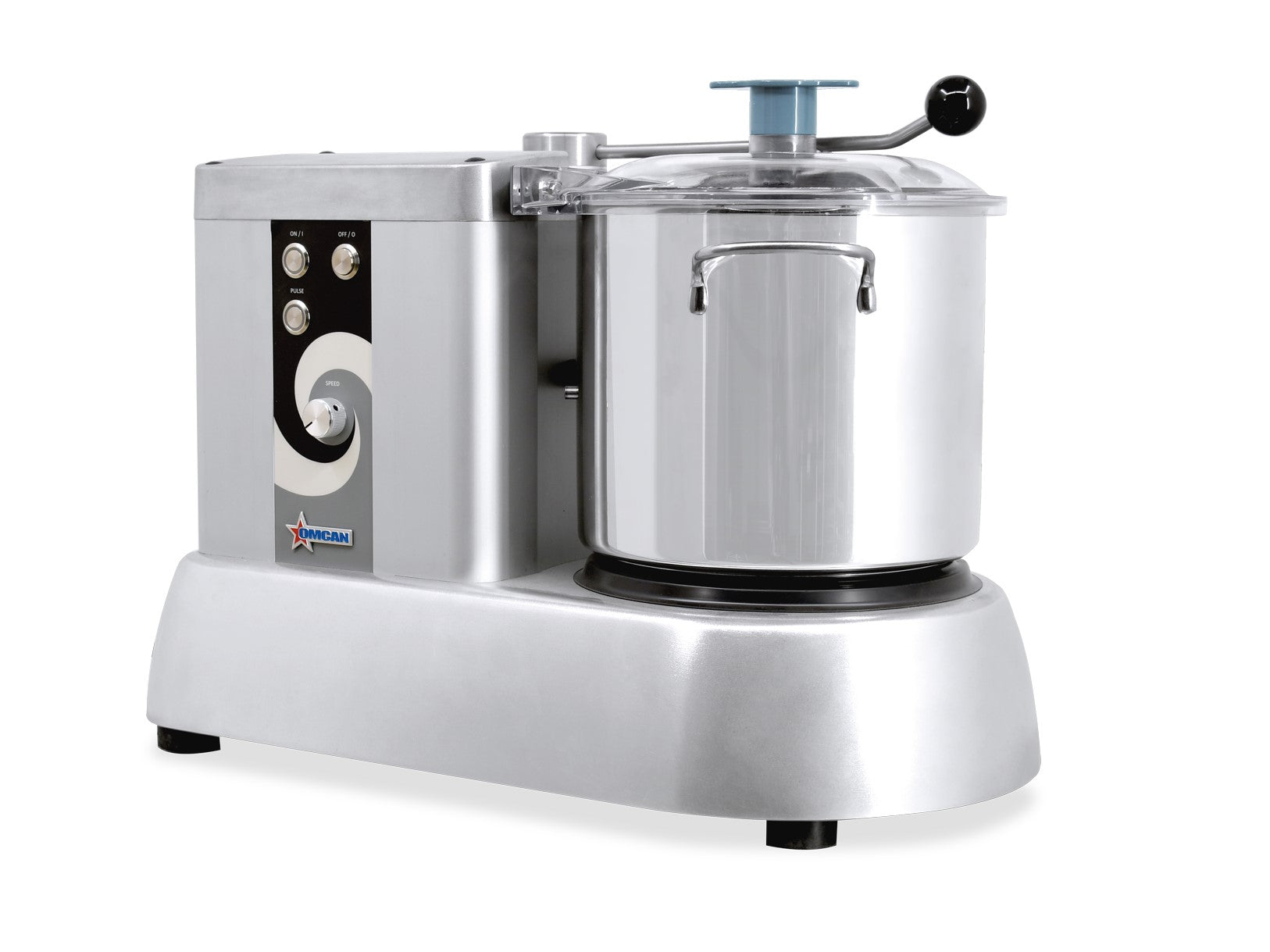
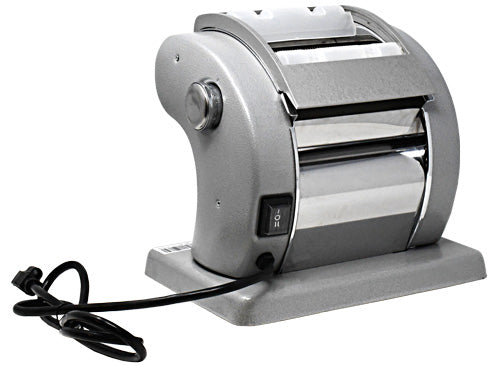
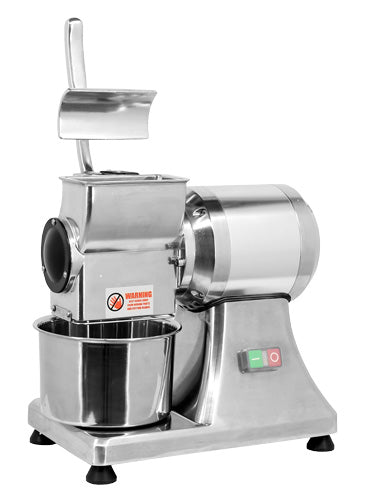


















Buying commercial kitchen equipment in Canada is only one part of a successful kitchen project. Delivery, placement, utility connections, inspections and commissioning all need to be coordinated so your restaurant, café, bakery, food truck, catering operation or institution can open—or keep operating—without costly surprises.
Whether your project is in Surrey, Vancouver, the Lower Mainland, BC Interior or the Islands, use this commercial equipment delivery and installation checklist before the truck arrives.
1. Confirm Equipment and Site Requirements
Before delivery day, review the specification sheet for every unit. Confirm the model number, dimensions, voltage, phase, amperage, gas type and BTU input, water connection, drainage requirements and ventilation needs.
Measure doorways, hallways, elevators and the final equipment location. Confirm adequate service access and manufacturer-required clearances. If you are buying through a restaurant supply store, request specification sheets before installation work begins.
2. Check Canadian and BC Approval Marks
Do not assume equipment approved in another country is automatically approved for use in Canada. In British Columbia, electrical equipment generally must display an accepted certification or approval mark from a Standards Council of Canada-accredited certification body or another accepted approval route. Gas appliances must also carry recognized certification or approval before installation.
Check the actual equipment when it arrives. If an appropriate label is missing, do not connect or operate the unit until approval requirements are confirmed with the authority having jurisdiction.
3. Arrange Permits and Qualified Trades
Electrical, gas, plumbing and ventilation work may require permits, inspections and qualified contractors. Technical Safety BC administers many regulated electrical and gas installations, while some municipalities—including Surrey and Vancouver—administer electrical permits locally.
For regulated gas installations or alterations in BC, the appropriate permit generally needs to be obtained before work starts. Book electricians, gas fitters, plumbers and ventilation contractors before delivery so equipment is not left sitting unconnected.
4. Inspect the Delivery Before Signing
· Match every carton and model to the purchase order.
· Inspect packaging for punctures, crushed corners, moisture or tip damage.
· Photograph all sides before unpacking.
· Inspect doors, glass, stainless panels, casters, controls and accessories.
· Record serial numbers.
· Note visible freight damage on the delivery receipt before signing.
· Keep packaging until the equipment has been inspected and tested.
Immediate photographs and written notes can make freight-damage documentation much easier.
5. Position Equipment for Safe, Sanitary Operation
BC’s Food Premises Regulation requires food premises to support safe and sanitary food handling and provide adequate ventilation to prevent the accumulation of smoke, grease, water vapour and objectionable odours. Plans and specifications for construction or alterations must also be approved by a health officer where required.
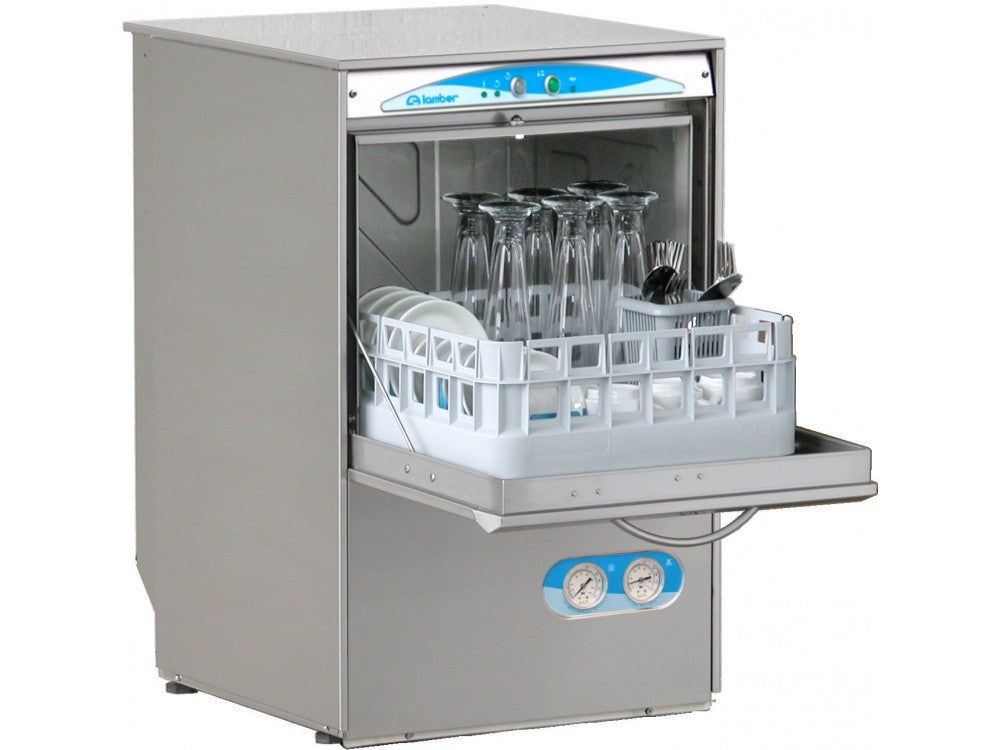
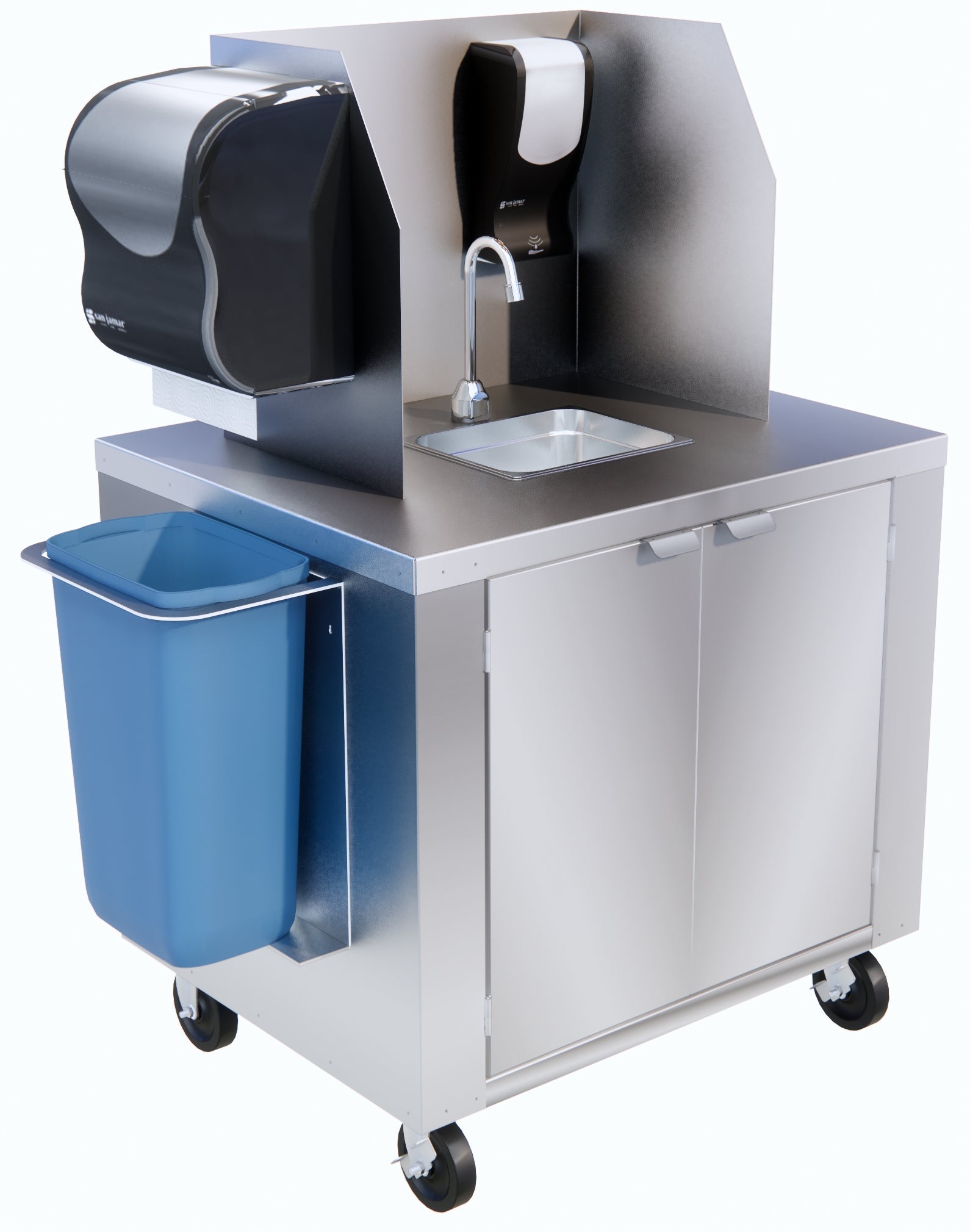
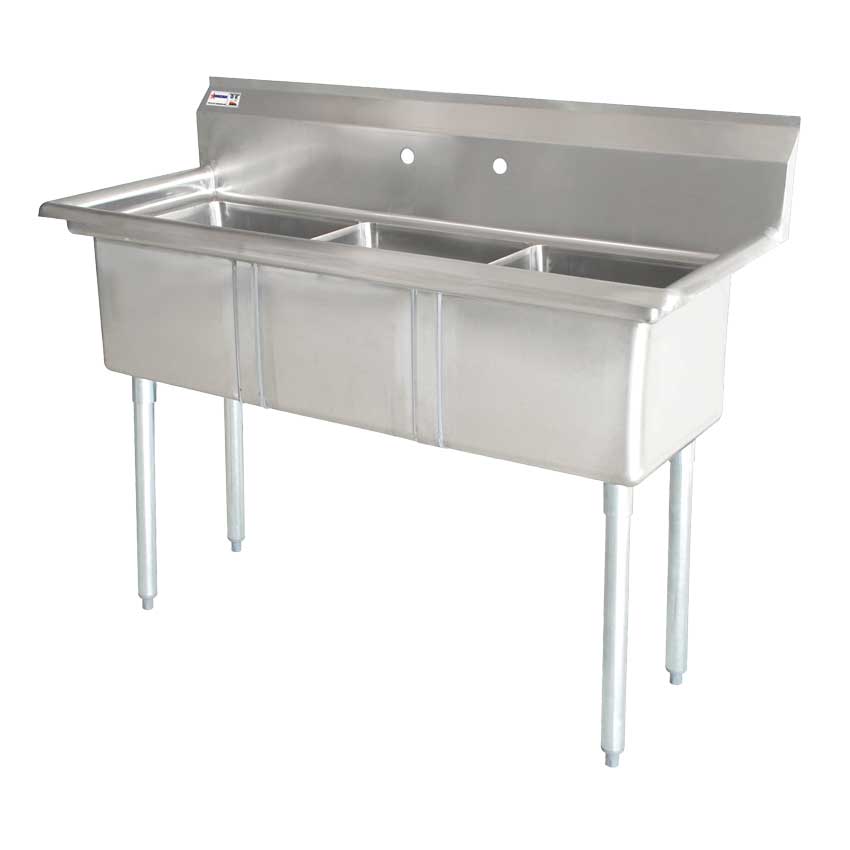
Position cooking equipment beneath the appropriate ventilation system where required. Keep refrigeration away from excessive heat, maintain manufacturer clearances and make sure sinks, dishwashers and preparation equipment can be properly cleaned and serviced.
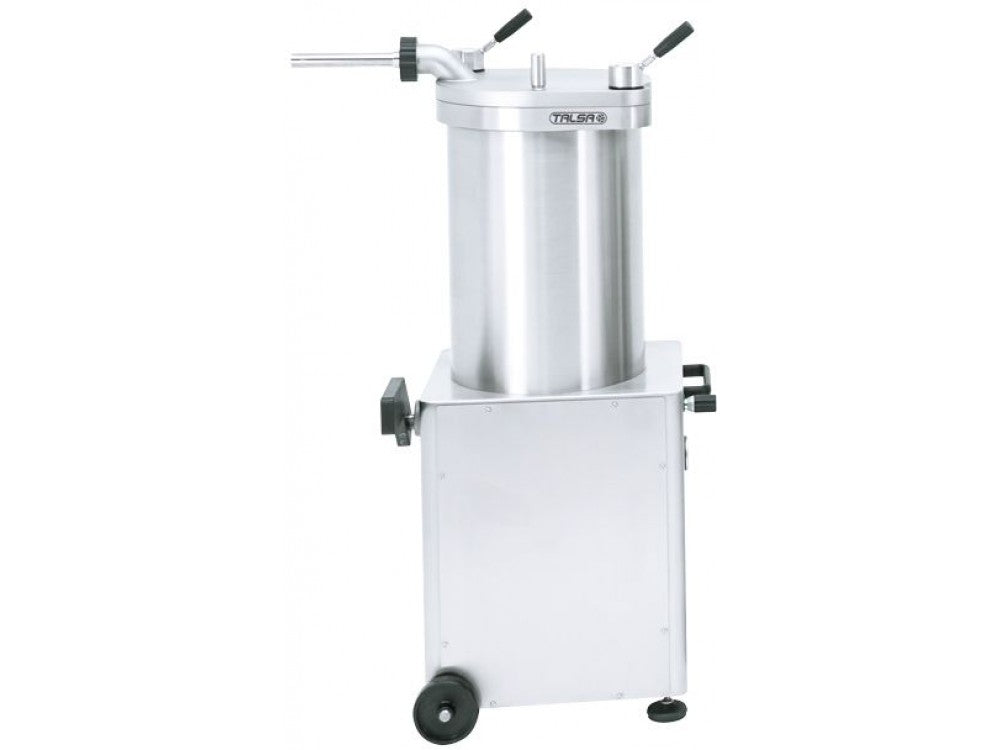
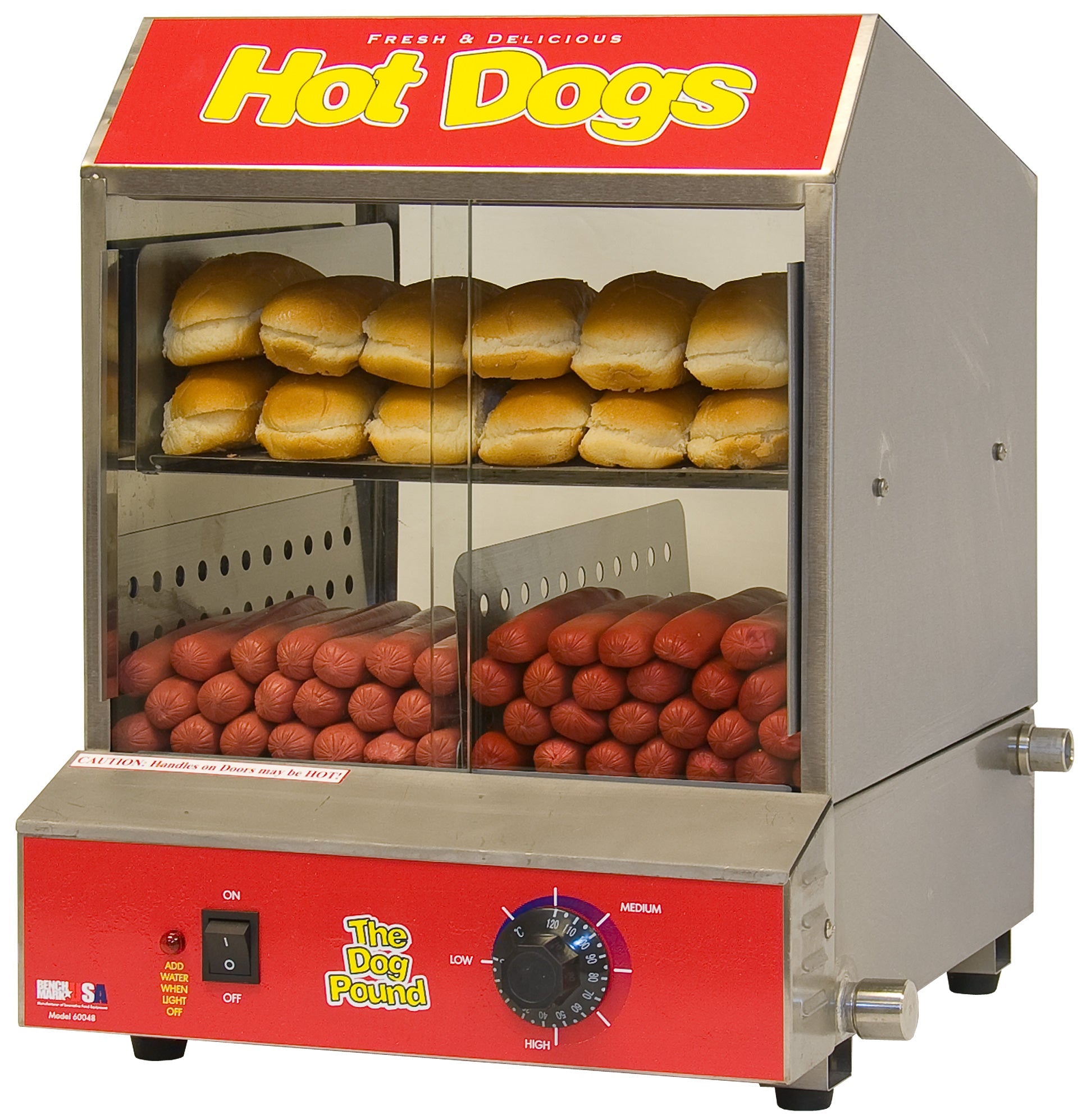
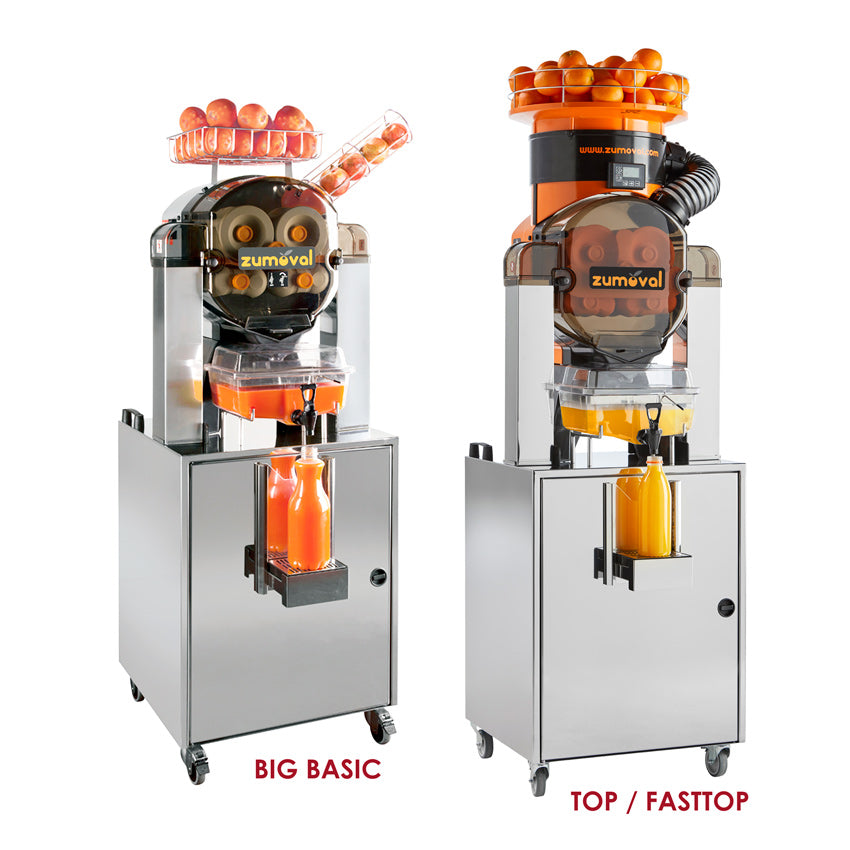
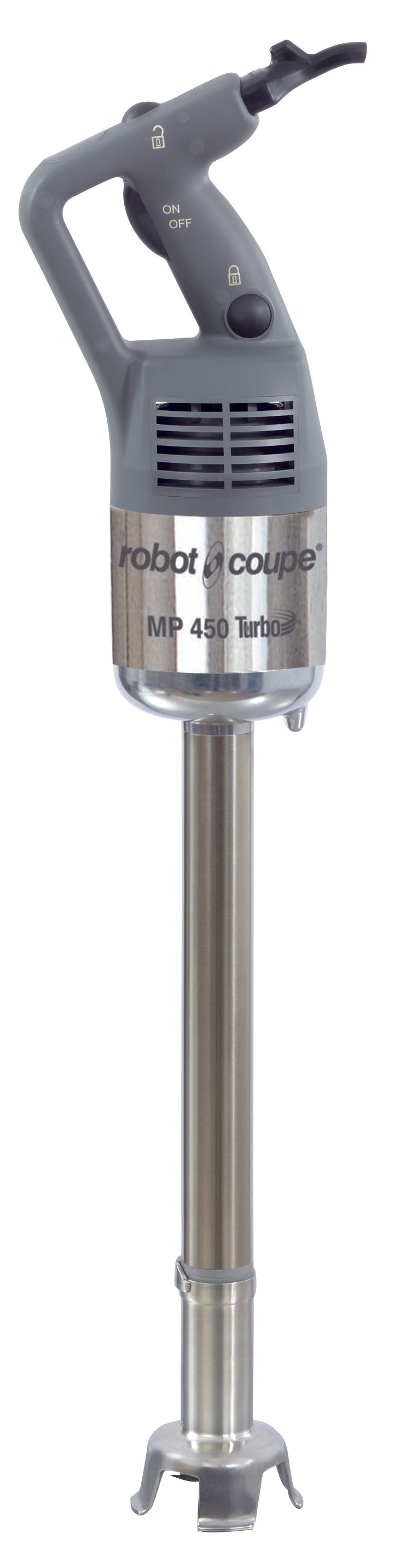
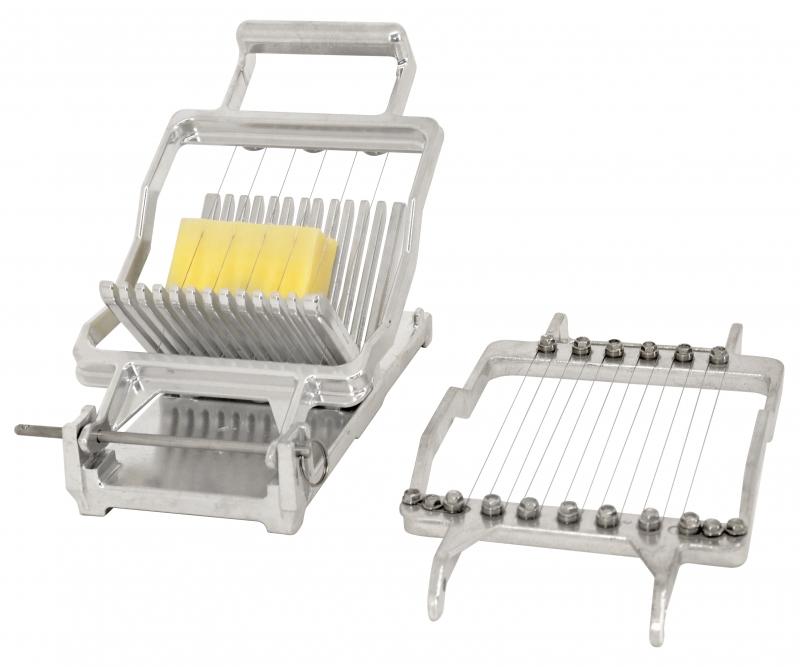
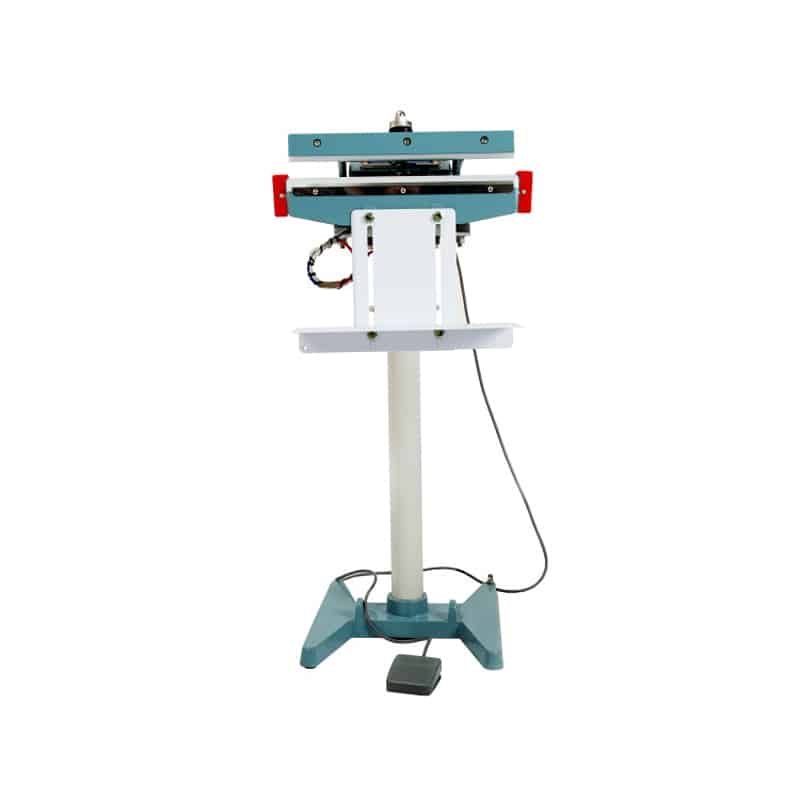
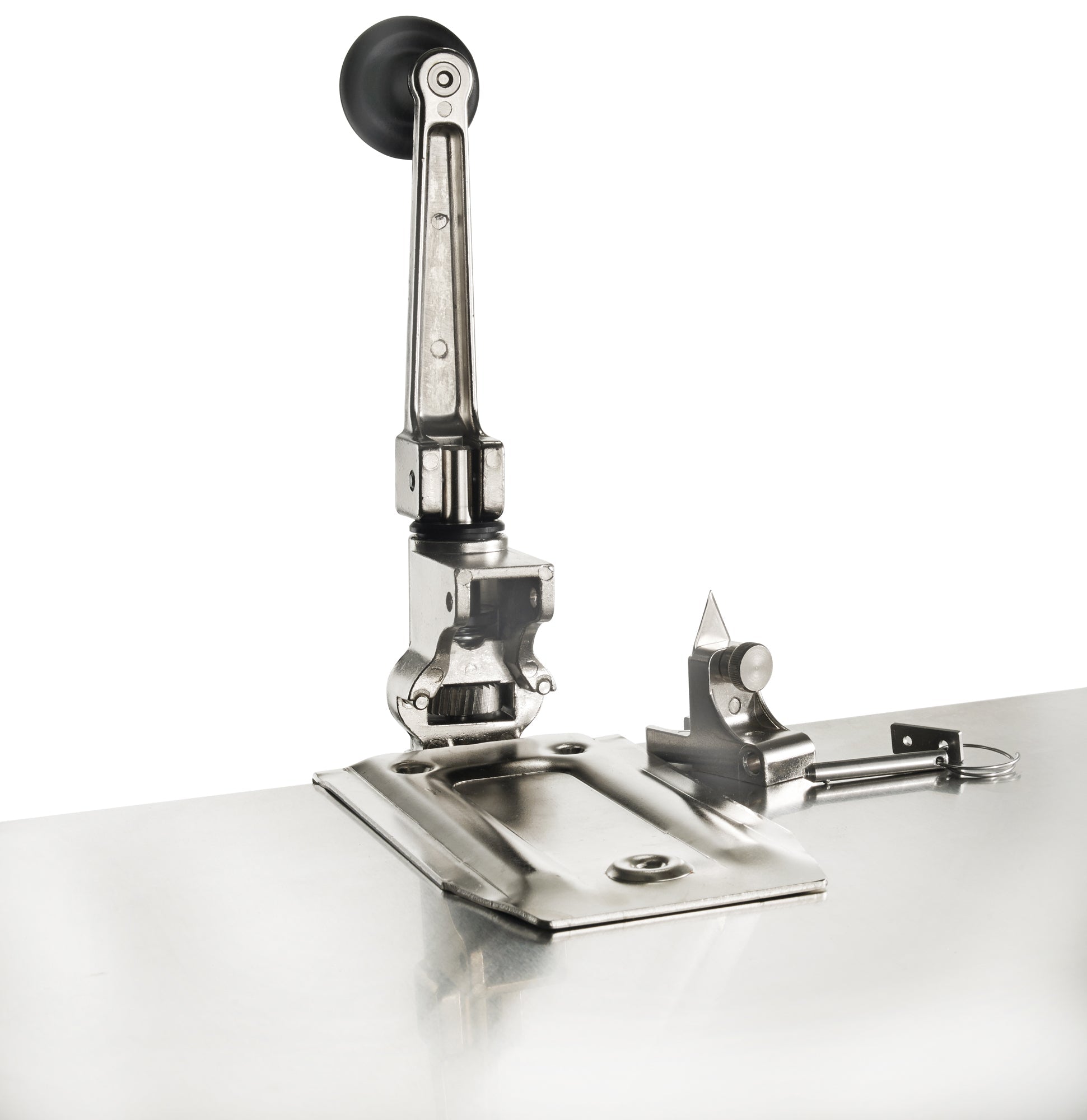
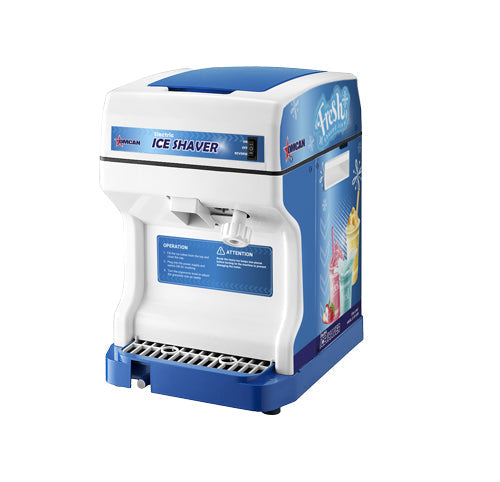
For specialized preparation areas, review equipment such as continuous-feed food processors and concession equipment during layout planning.
6. Connect, Level and Commission
Once equipment is positioned, qualified trades should complete required electrical, gas, water, drain and ventilation connections.
Level and stabilize each unit, install restraints or anchoring where specified, verify utility supply and follow the manufacturer’s startup procedure. Refrigeration should reach and maintain its required operating temperature before food is loaded. Heated equipment should have its controls, safety devices and ventilation tested before service.
Printable Delivery & Installation Inspection Sheet
Print or save this page for the receiving and installation team.
|
DELIVERY / RECEIVING |
INSTALLATION / COMMISSIONING |
||
|
☐ Equipment matches the purchase order ☐ Packaging inspected before signing ☐ Freight damage photographed and noted ☐ Model and serial numbers recorded ☐ Certification / approval labels checked ☐ Accessories and manuals received ☐ Packaging retained until testing is complete |
☐ Required permits are in place ☐ Qualified trades completed connections ☐ Equipment is level and stable ☐ Clearances and ventilation are correct ☐ Utility supply has been verified ☐ Startup and safety testing are complete ☐ Manuals, warranty and service records saved |
||
|
Project / Location |
|
|
|
|
Received By / Date |
|
|
|
|
Need help planning your next equipment purchase? Planning a new kitchen or replacing aging kitchen equipment in Canada? Brittania Food Equipment can help restaurants, cafés, bakeries, caterers and institutions compare specifications and build a practical purchasing list. |