
















Is your commercial freezer building up ice or frost? Excessive ice buildup is often caused by frequent door openings, damaged gaskets, blocked airflow, defrost system problems or frozen drains. These issues can reduce cooling efficiency, increase energy consumption and affect food storage temperatures.
For restaurants, cafés, bakeries, caterers and commercial kitchens across Canada, identifying the cause early can help prevent costly breakdowns, food spoilage and service interruptions.
This guide explains six common causes of commercial freezer ice buildup, practical troubleshooting steps, prevention tips and when to consider professional repair or replacement.
Why Is My Commercial Freezer Building Up Ice?
Commercial freezer frost buildup occurs when moisture enters the cabinet or is not properly removed during normal operation. Warm, humid kitchen air can freeze on cold surfaces, while blocked airflow or faulty defrost components can cause ice to accumulate around the evaporator.
The location of the ice can help identify the likely problem.
| Where ice appears | Possible cause | Recommended action | |
|---|---|---|---|
| Around door edges | Damaged gasket or poor door closure | Inspect and clean door seals | |
| On evaporator coils | Defrost or airflow problem | Arrange professional diagnosis | |
| On the freezer floor | Clogged or frozen drain | Follow approved drain-cleaning procedures | |
| Throughout the cabinet | Frequent openings or humid air entering | Improve loading and door-opening practices | |
| Along with poor cooling | Airflow, condenser or refrigeration problem | Check ventilation and schedule service |
6 Common Causes of Commercial Freezer Ice Buildup
1. Frequent Door Openings
Repeated openings introduce warm, humid air that freezes on interior surfaces.
Fix: Minimize openings, organize ingredients for quick retrieval and ensure doors close completely.
2. Damaged or Dirty Door Gaskets
Worn, cracked or dirty door seals allow moisture inside, causing recurring frost around the door.
Fix: Clean gaskets regularly and replace damaged seals with manufacturer-compatible parts.
3. Blocked Airflow
Overcrowded shelves, obstructed vents or ice-covered evaporators restrict cold-air circulation and contribute to uneven temperatures.
Fix: Avoid overloading and maintain manufacturer-recommended clearances around ventilation openings.
4. Automatic Defrost System Failure
Faulty defrost heaters, sensors, thermostats or controllers may allow excessive frost to accumulate on evaporator coils.
Fix: Have a qualified refrigeration technician inspect recurring evaporator ice. Never chip ice using sharp tools.
5. Clogged or Frozen Defrost Drain
Blocked drainage can cause melted water to accumulate and refreeze on the freezer floor.
Fix: Follow manufacturer-approved cleaning procedures. Persistent blockages require professional inspection.
6. Dirty Condenser Coils or Poor Ventilation
Dirty condensers and inadequate ventilation reduce cooling efficiency and may contribute to unstable temperatures, although they do not directly cause frost.
Fix: Clean condenser surfaces according to manufacturer instructions and maintain proper ventilation.
How to Prevent Commercial Freezer Ice Buildup
Regular commercial freezer maintenance reduces unexpected breakdowns and protects frozen inventory.
- Inspect and clean door gaskets regularly.
- Keep shelves organized and ventilation openings clear.
- Minimize unnecessary door openings.
- Monitor and record freezer temperatures.
- Follow manufacturer-recommended cleaning and maintenance schedules.
Under British Columbia's Food Premises Regulation, frozen food must be stored, displayed or transported at −18°C or colder. Refrigeration equipment must have adequate capacity and a thermometer accurate within 1°C.
When Should You Repair or Replace Your Commercial Freezer?
Contact a qualified technician if ice repeatedly returns, cooling performance declines or the freezer cannot maintain required temperatures.
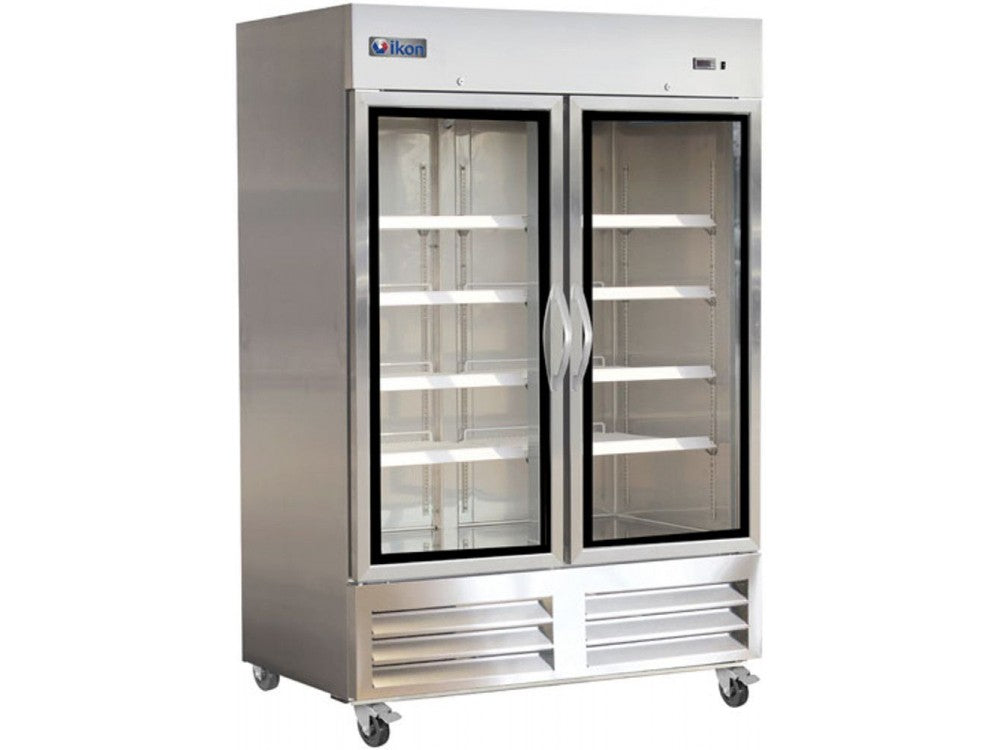
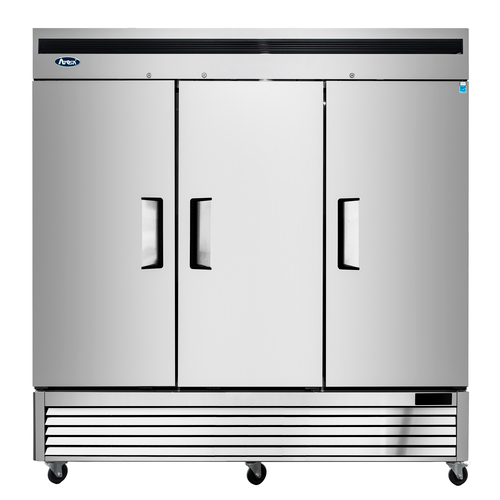
If repairs become frequent or expensive, replacement may offer better long-term value. Compare available commercial reach-in freezers based on storage capacity, available space and operating requirements.
Frequently Asked Questions
Is frost inside a commercial freezer normal?
Light frost may occur occasionally, but excessive or recurring ice buildup can indicate airflow, gasket or defrost problems.
How do I safely remove freezer ice?
Follow the manufacturer's defrost instructions. Protect stored food and avoid sharp tools or unapproved heating devices.
When should I call a refrigeration technician?
Arrange service when ice repeatedly returns, evaporator coils freeze over or storage temperatures become unstable.
Find Commercial Freezers in Canada
Repeated freezer problems can disrupt operations and increase costs. If your equipment is unreliable, upgrading to an appropriately sized commercial freezer may improve storage reliability.
Brittania Food Equipment supplies commercial refrigeration equipment for restaurants, bakeries, cafés and institutional kitchens across Canada, including Surrey, Vancouver and British Columbia.
Browse Commercial Refrigeration and Freezers