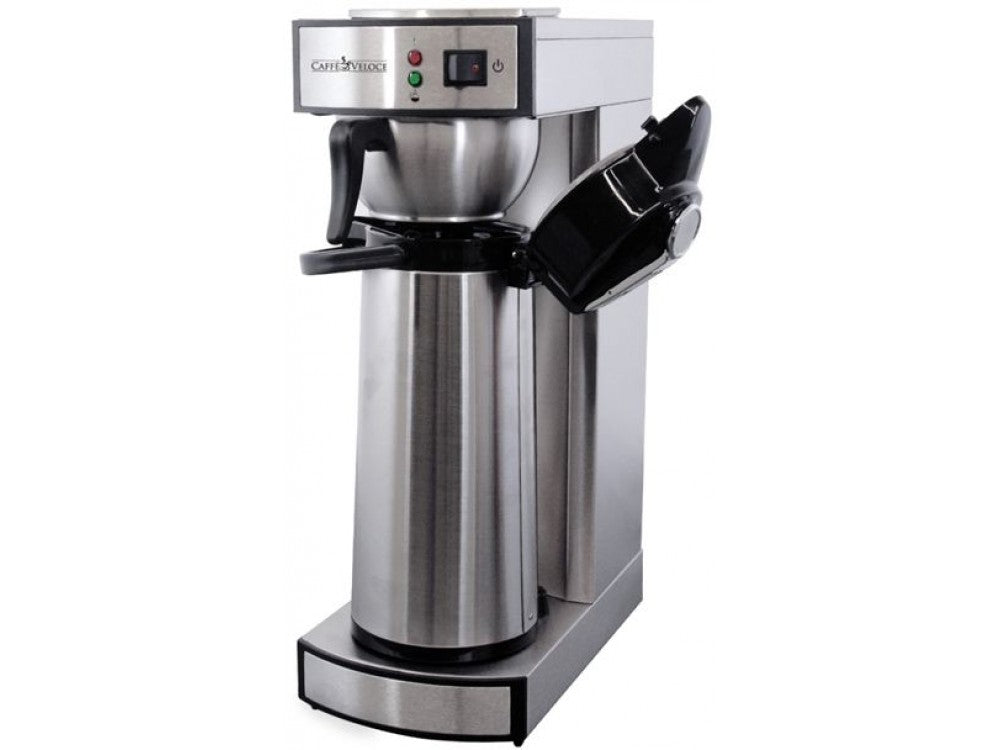
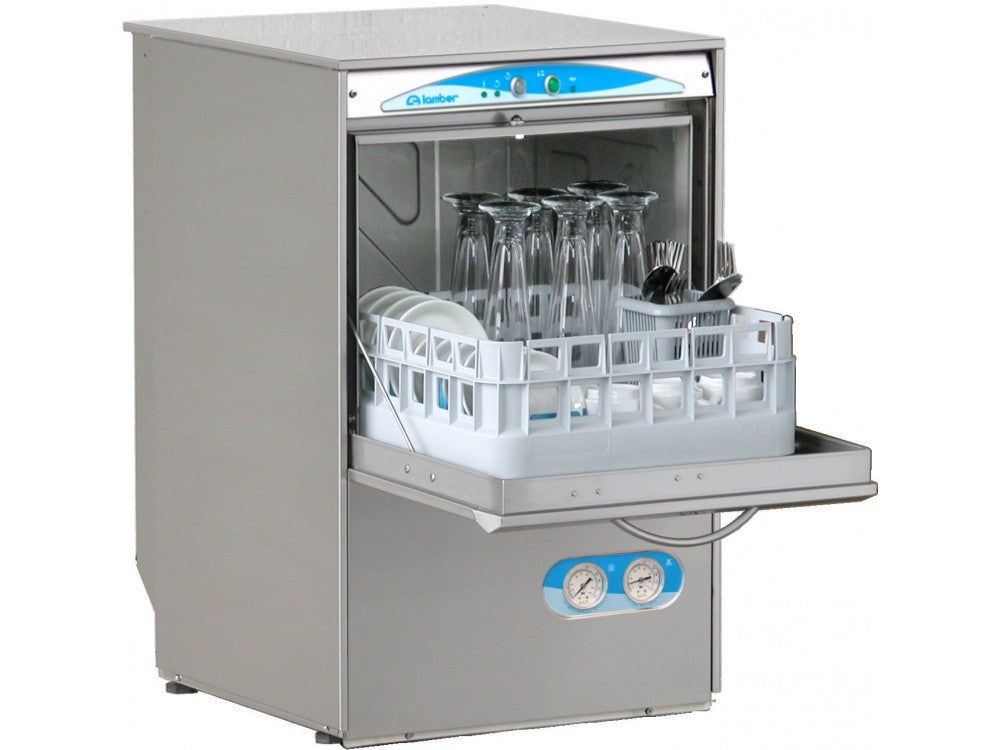
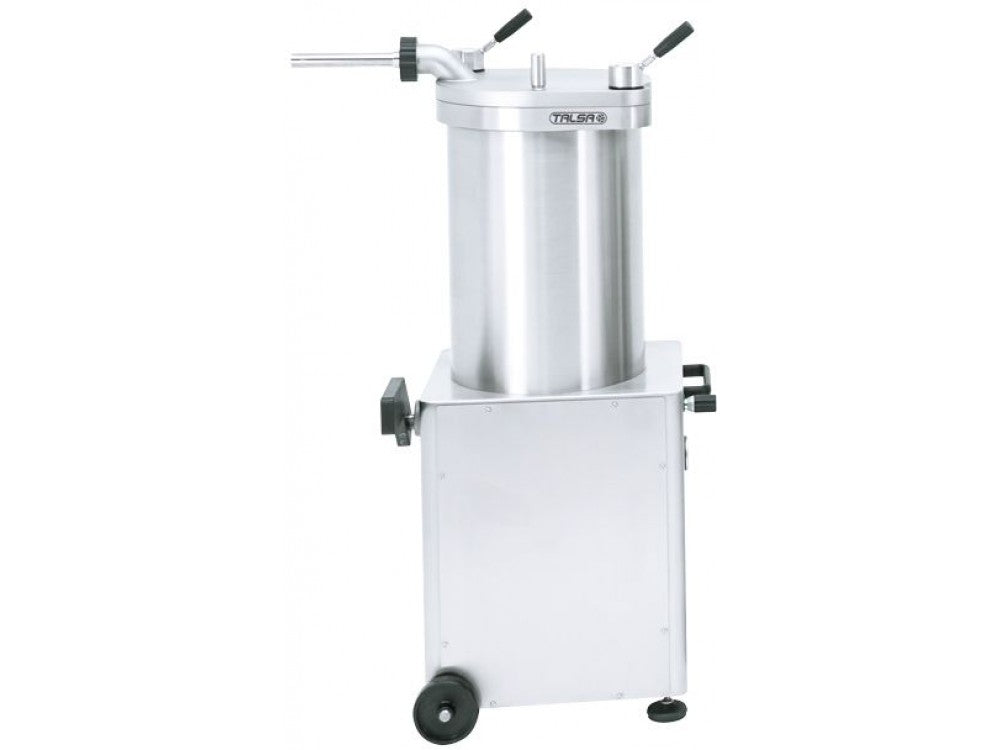
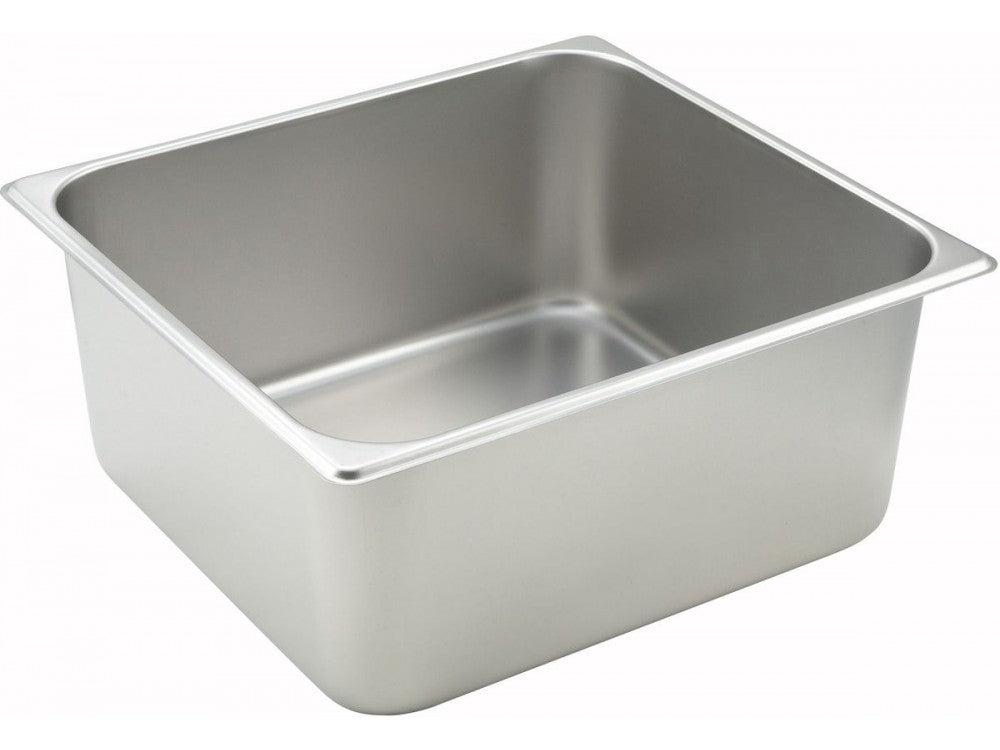
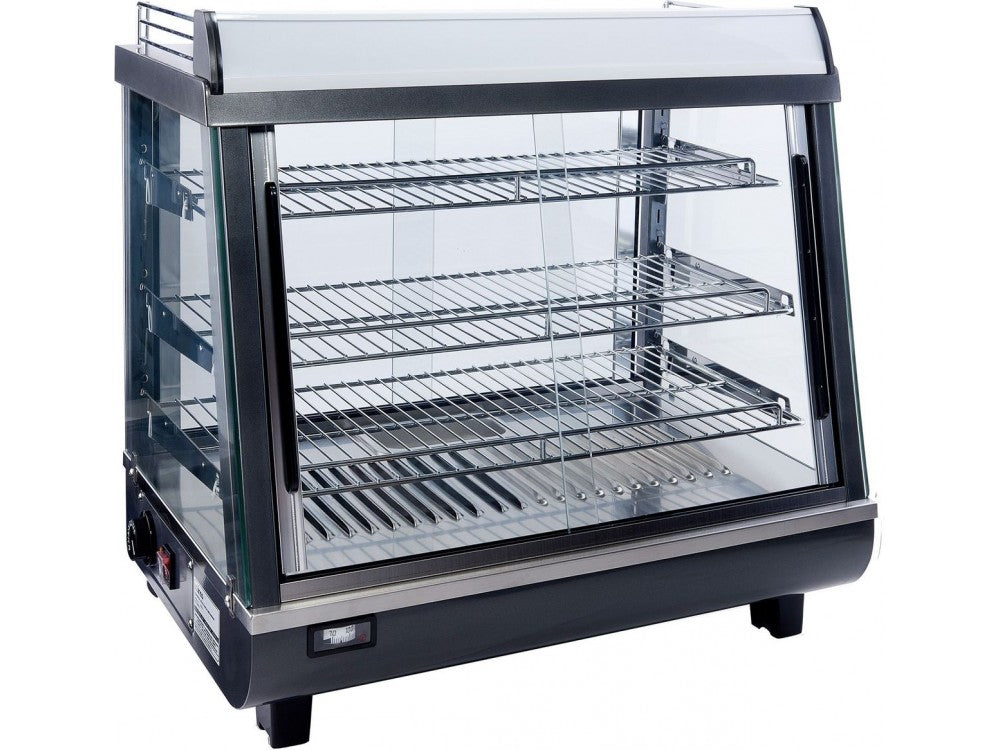
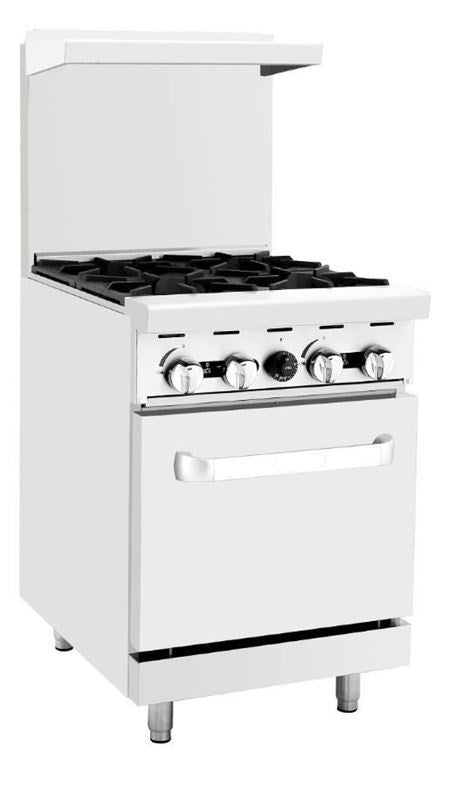
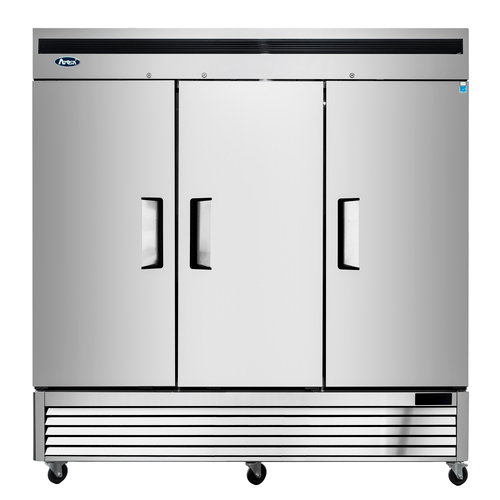
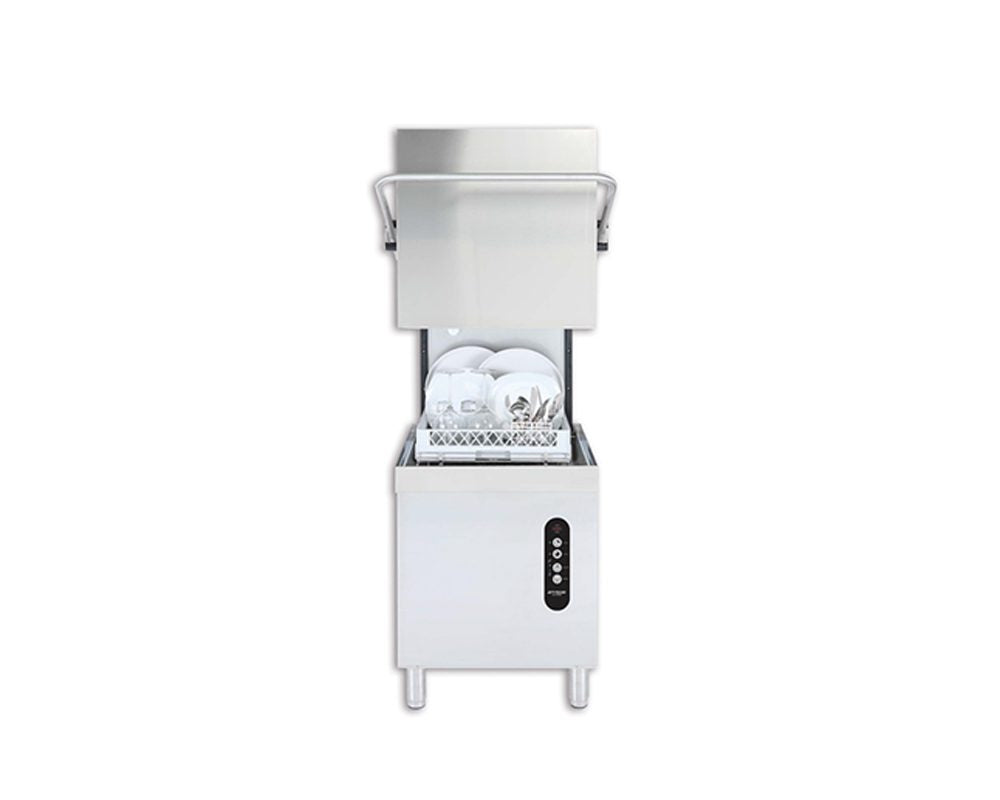






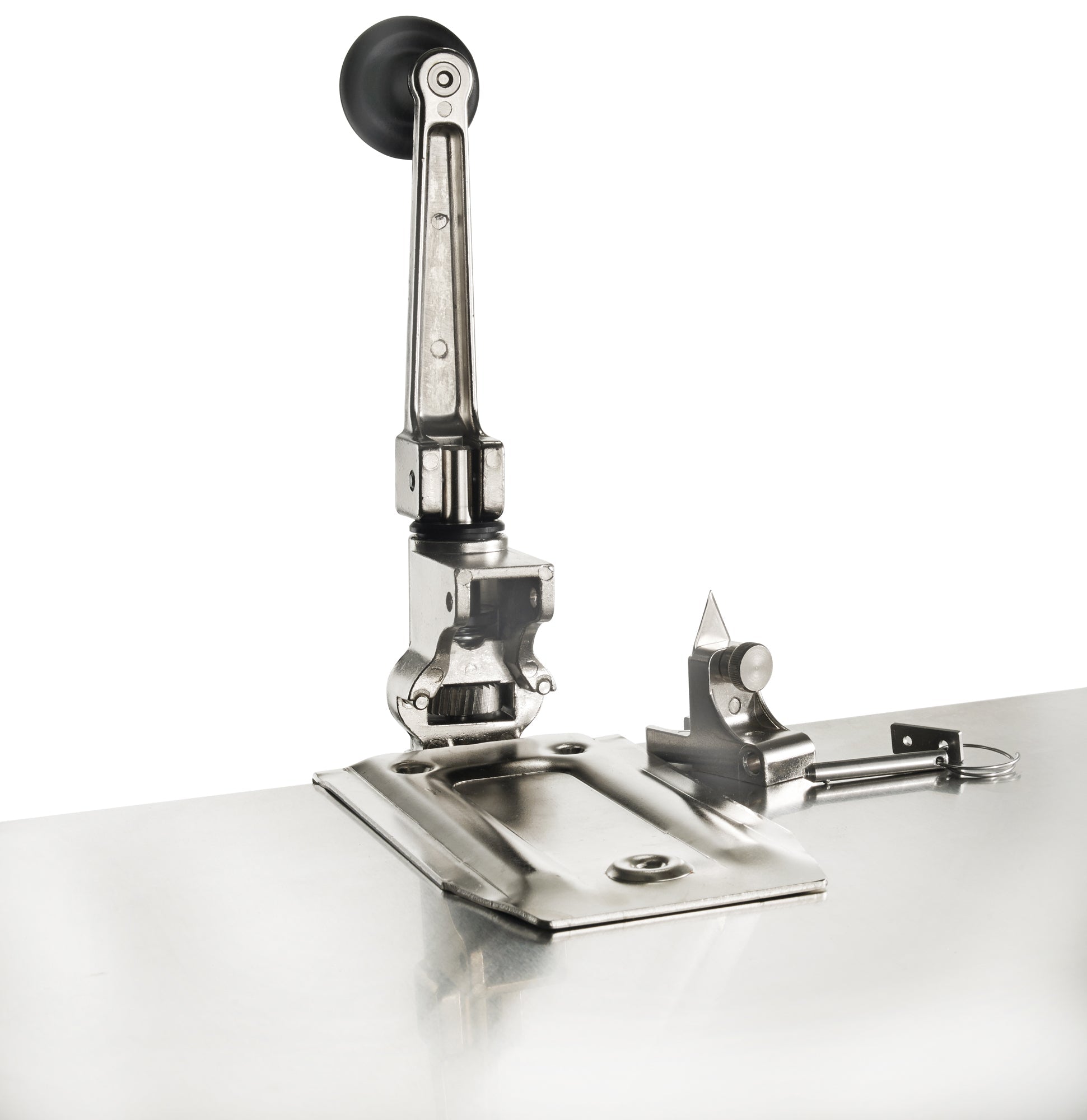
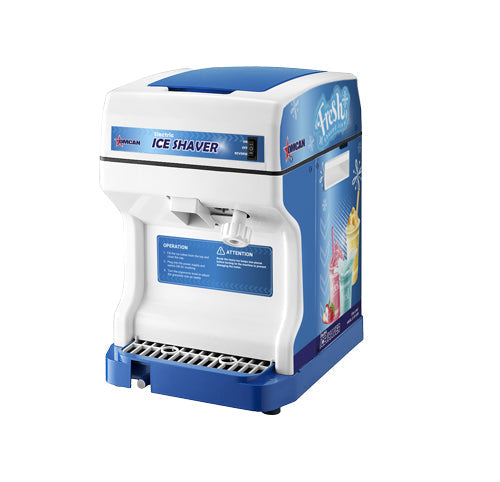
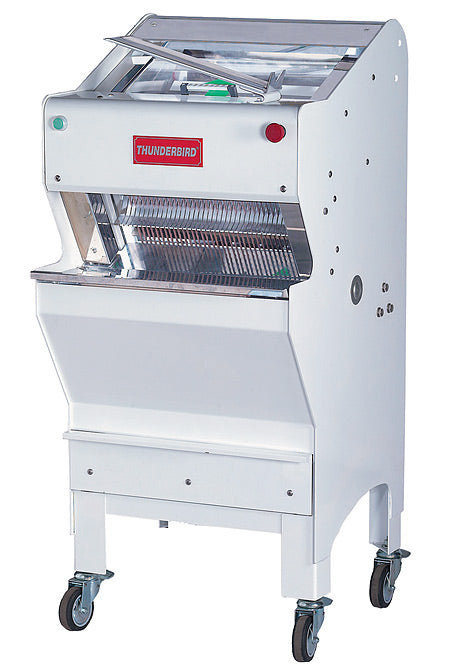
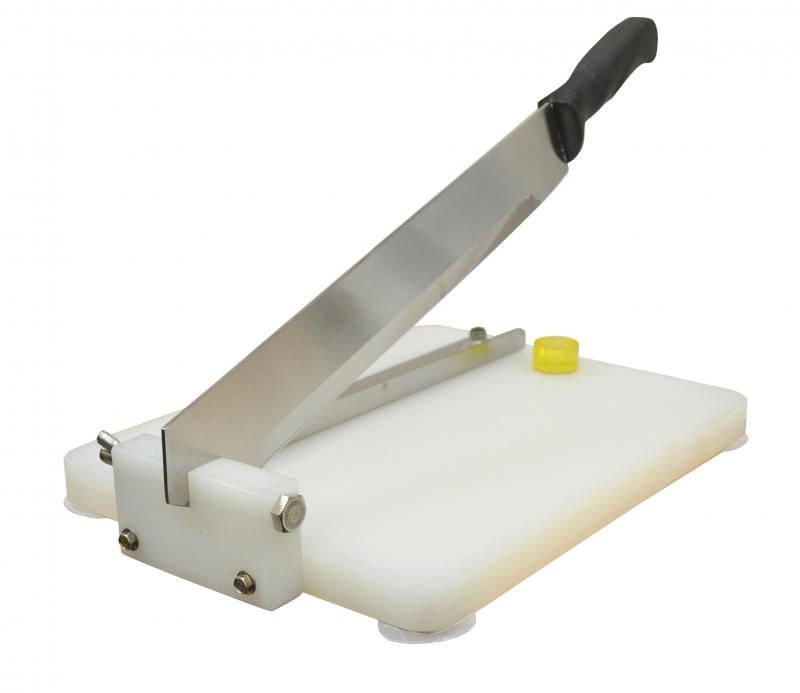












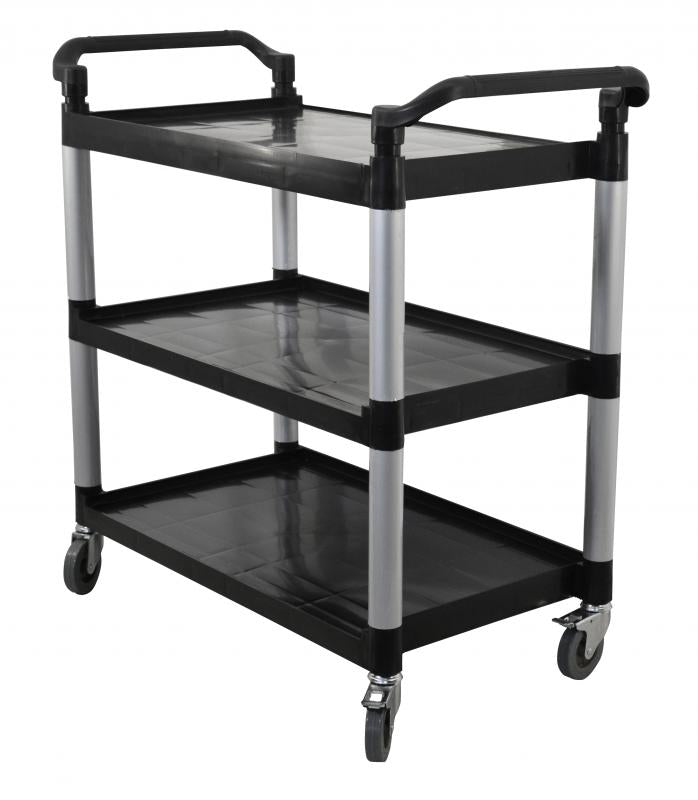
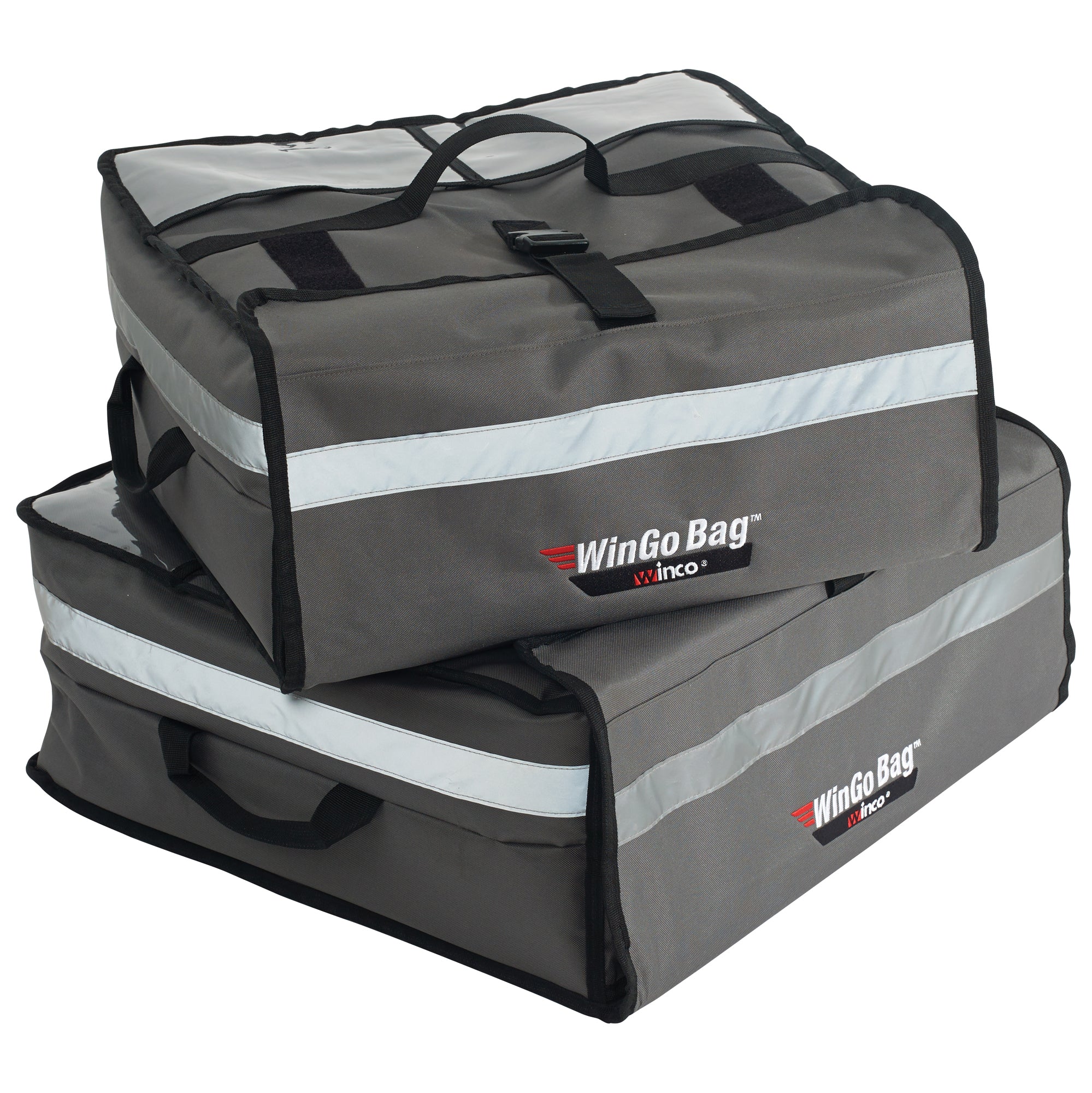

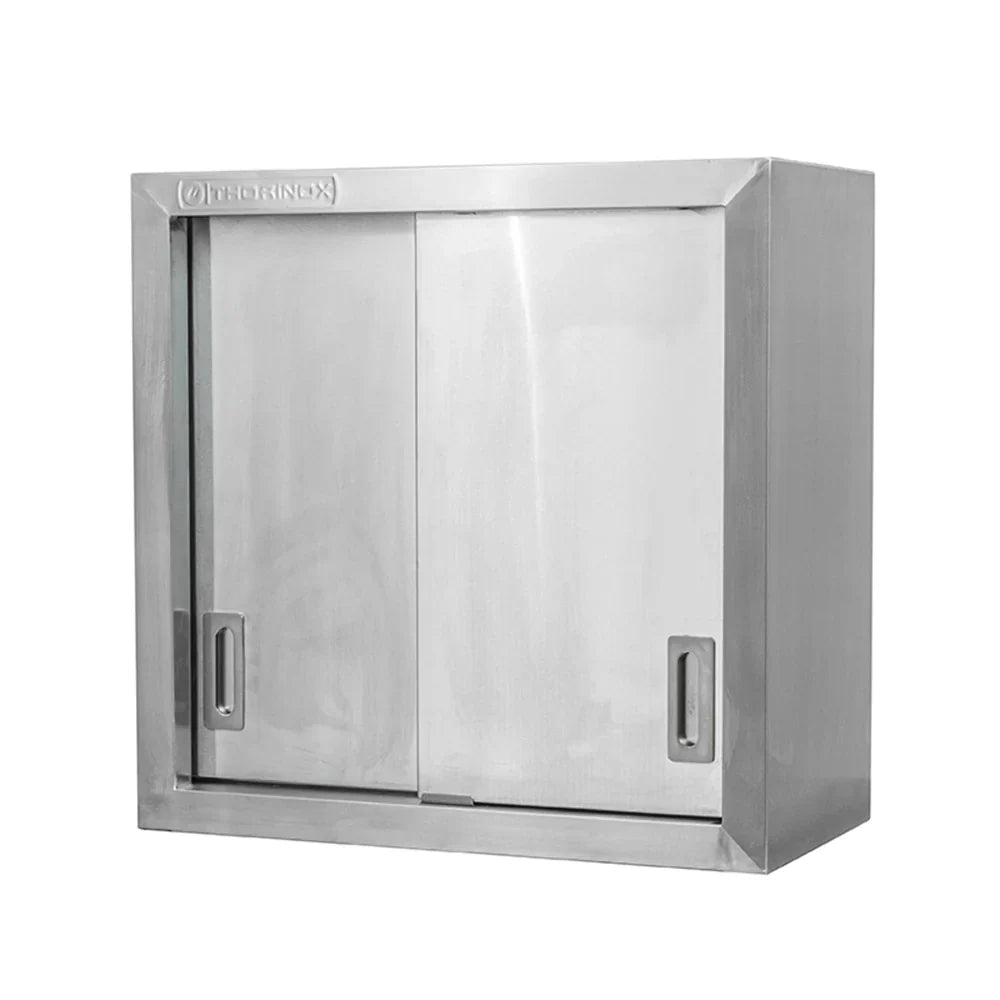
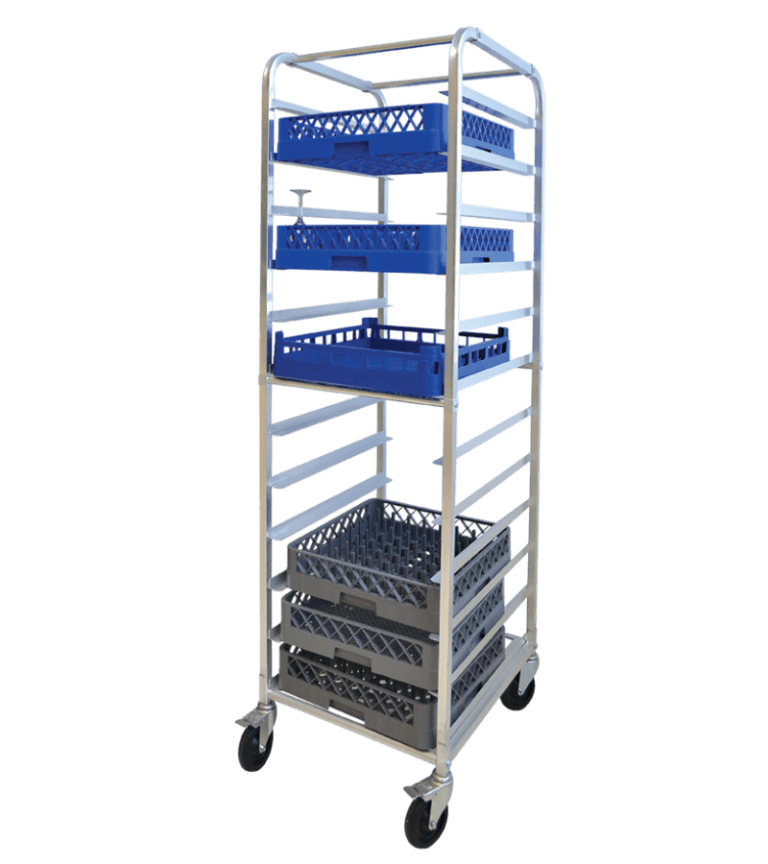
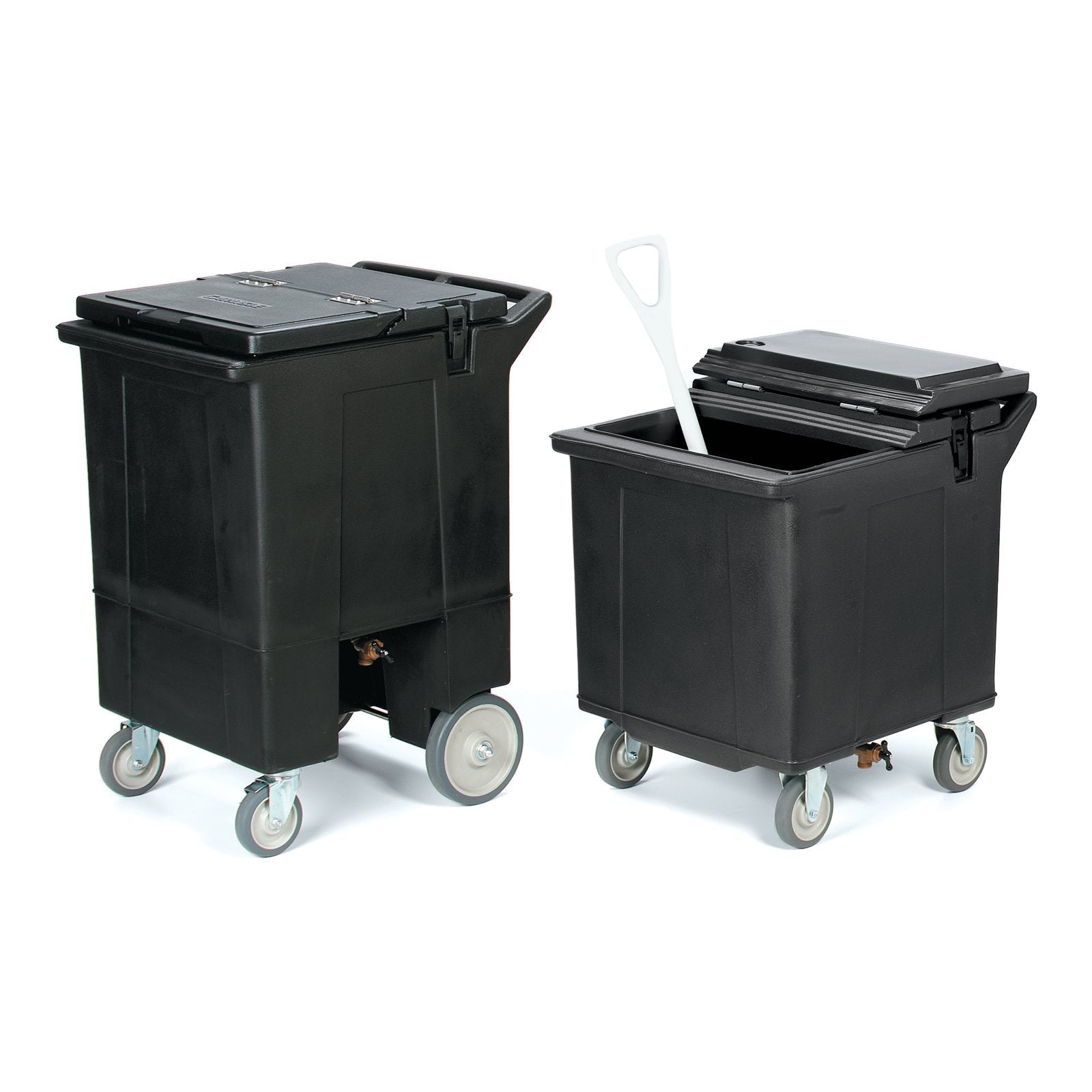
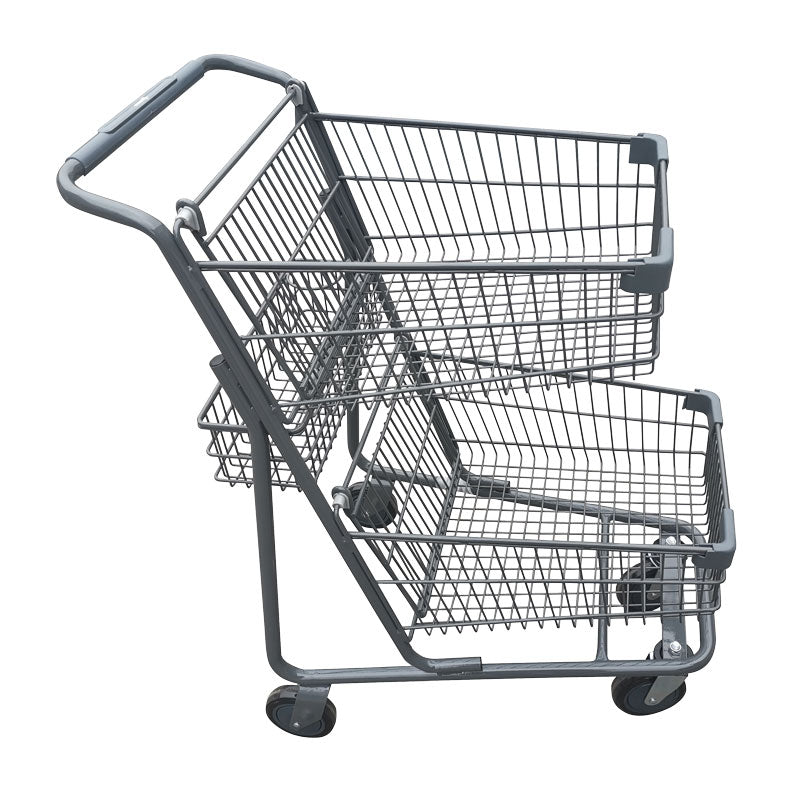
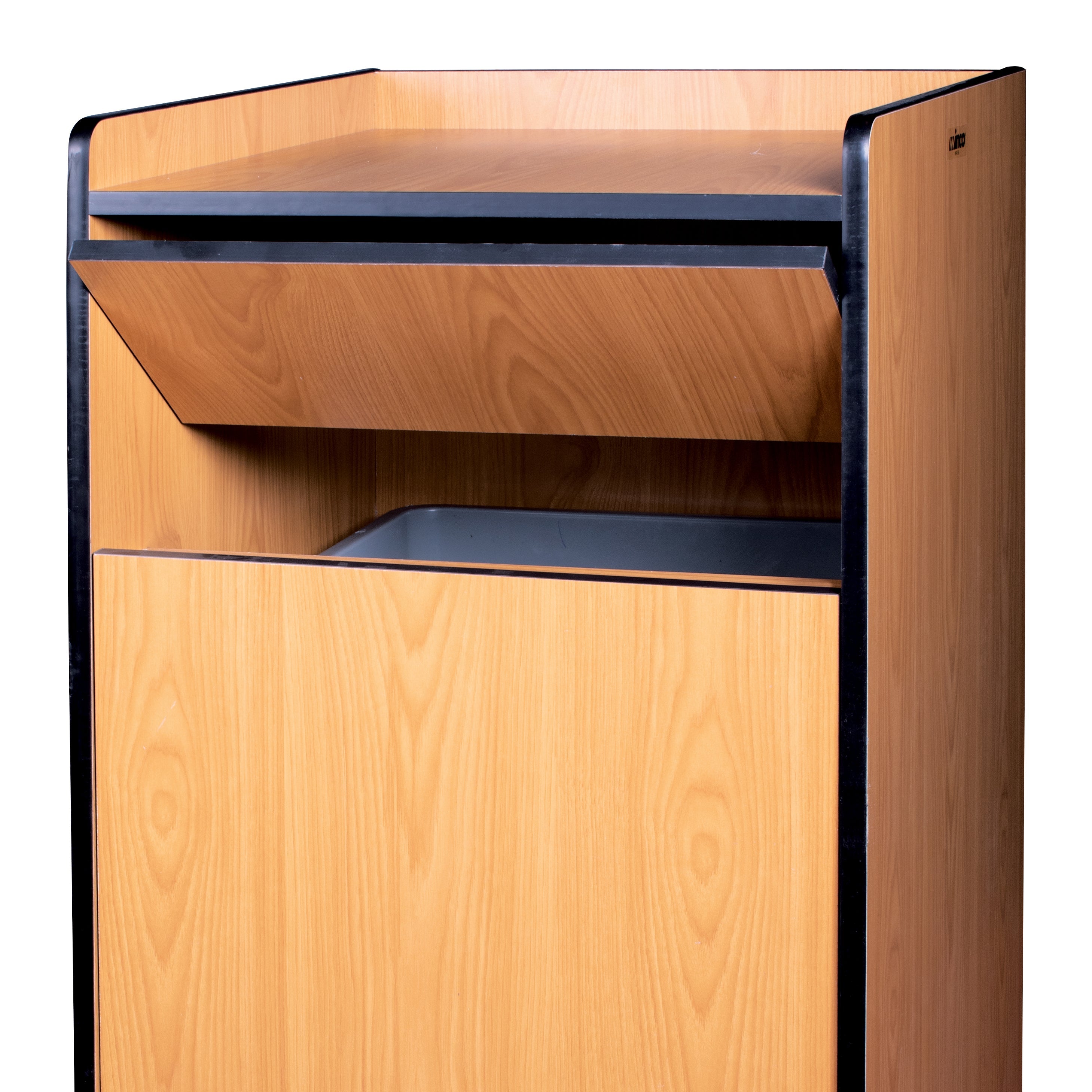

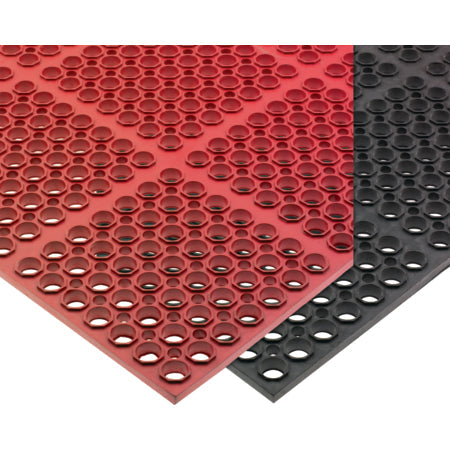






Understanding commercial kitchen equipment certifications in Canada explained can save restaurant owners from failed inspections, installation delays, and costly equipment replacements. For cafés, bakeries, food trucks, caterers, and institutions, certification is not simply a logo on a nameplate. It helps demonstrate that equipment has been evaluated to applicable safety or performance standards and is acceptable to the authority responsible for the installation.

1. Electrical Certification: Look Beyond the CSA Name
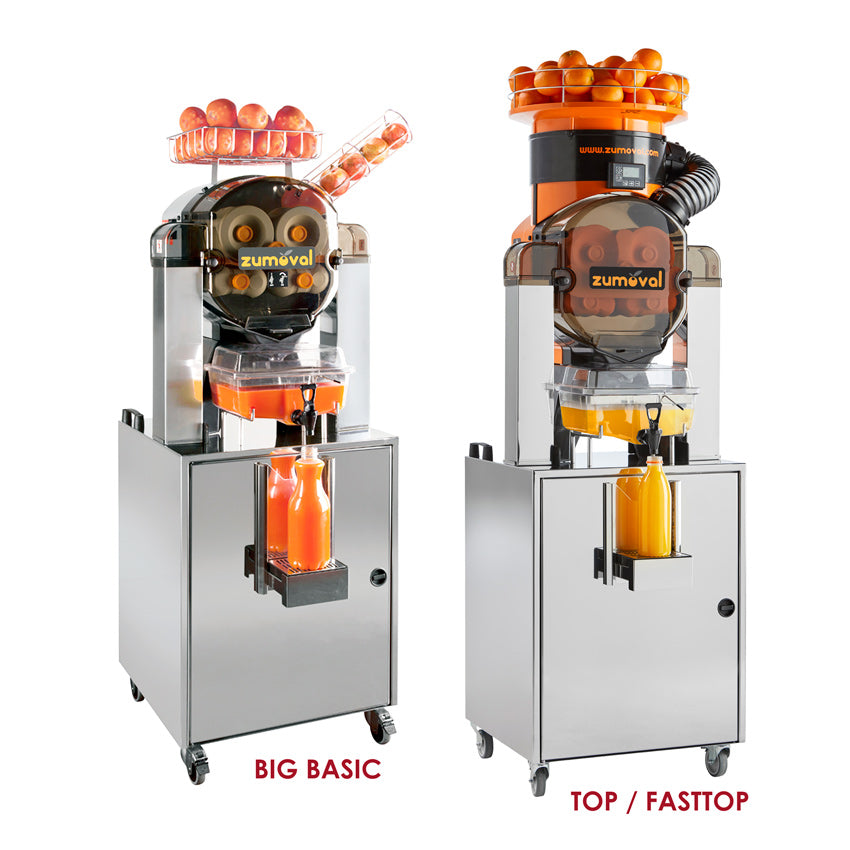
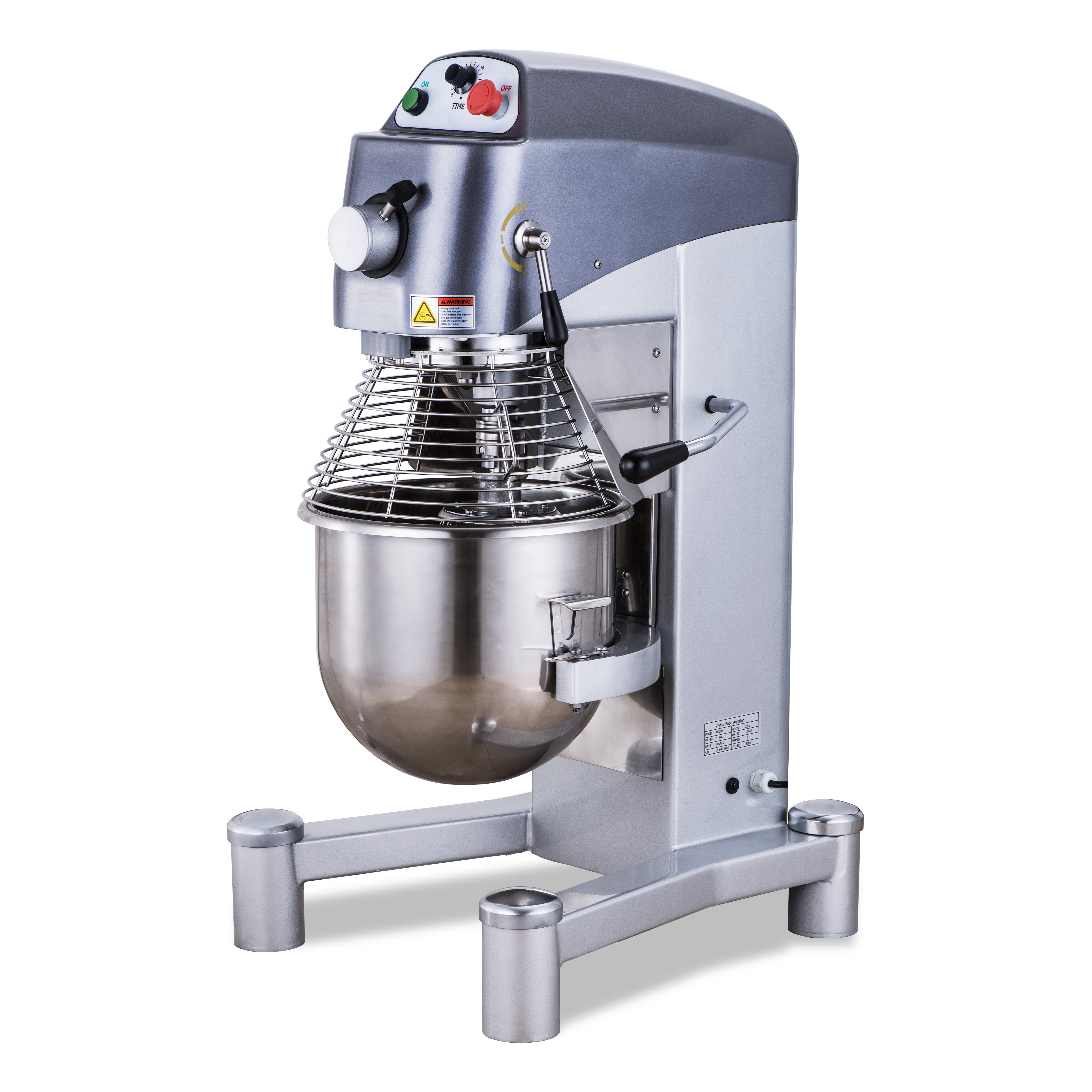
In British Columbia, electrical equipment must bear evidence of an accepted certification or approval. Technical Safety BC states that electrical products generally need a mark or label from a certification agency accredited by the Standards Council of Canada (SCC), or an approved field-evaluation label. Common Canadian marks may be issued by organizations such as CSA Group, UL Solutions, or Intertek, depending on the product and the certifier’s accredited scope. The key is not one specific brand of certification: confirm that the mark is valid for Canada and accepted by the local authority before installing items such as commercial dishwashers, mixers, refrigeration, or electrically heated cooking equipment.
2. Gas Equipment Requires Canadian Approval
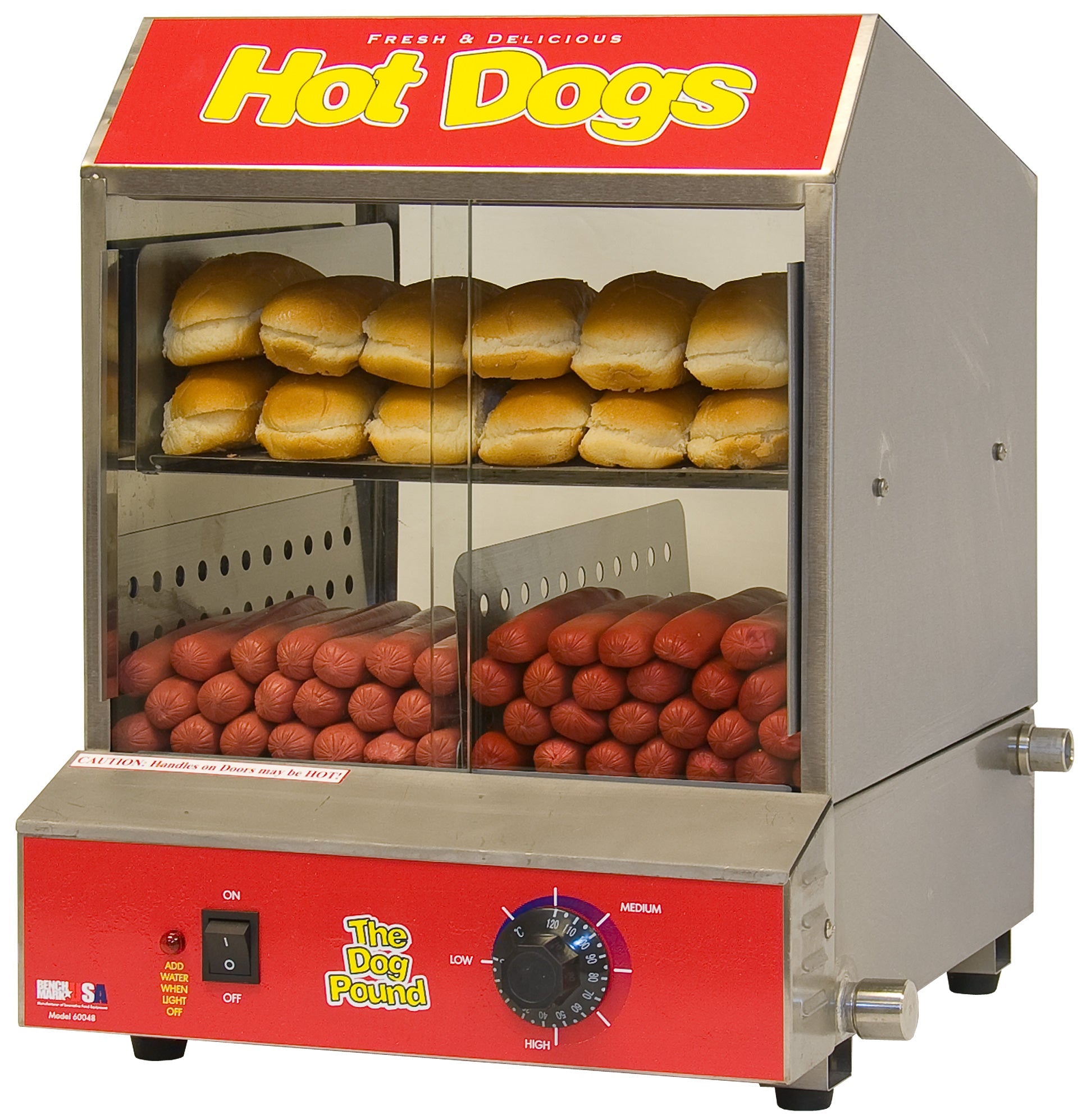
Gas-fired commercial deep fryers, ranges, ovens, and similar appliances require special attention. In BC, gas appliances generally must carry a certification mark from an SCC-accredited certification body, an accepted inspection-body approval label, or another approval recognized by Technical Safety BC. Unapproved appliances may require field approval under CSA B149.3 before they can be installed or operated. Installation must also follow the applicable gas code and be completed through the proper permitting process.
3. Food-Sanitation Certification and Cleanability
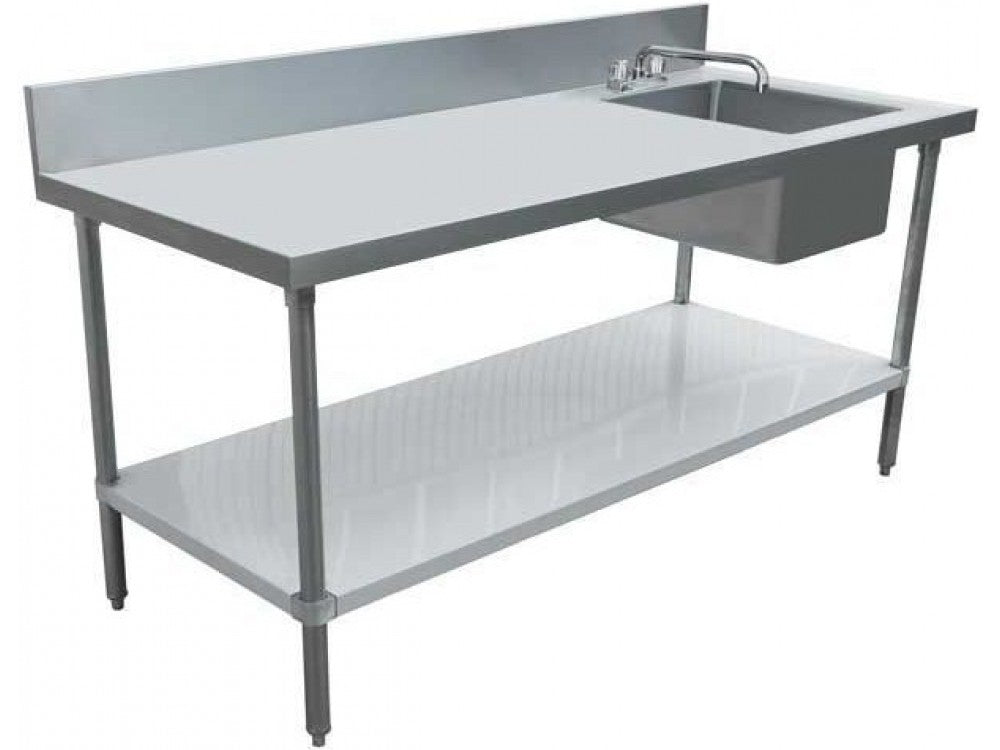
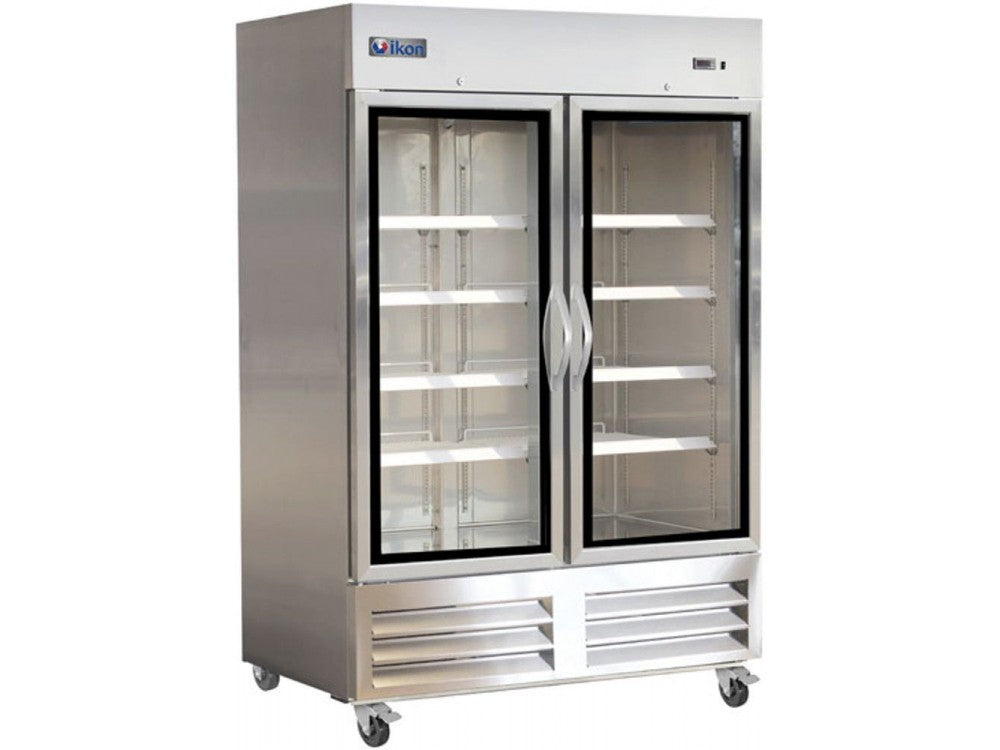
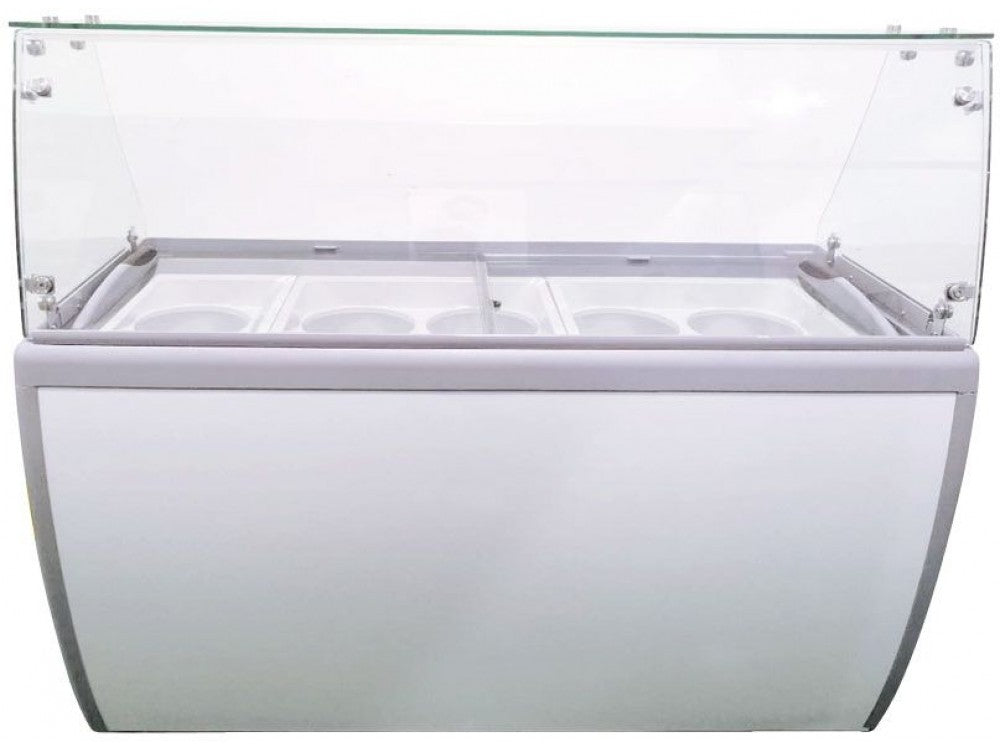
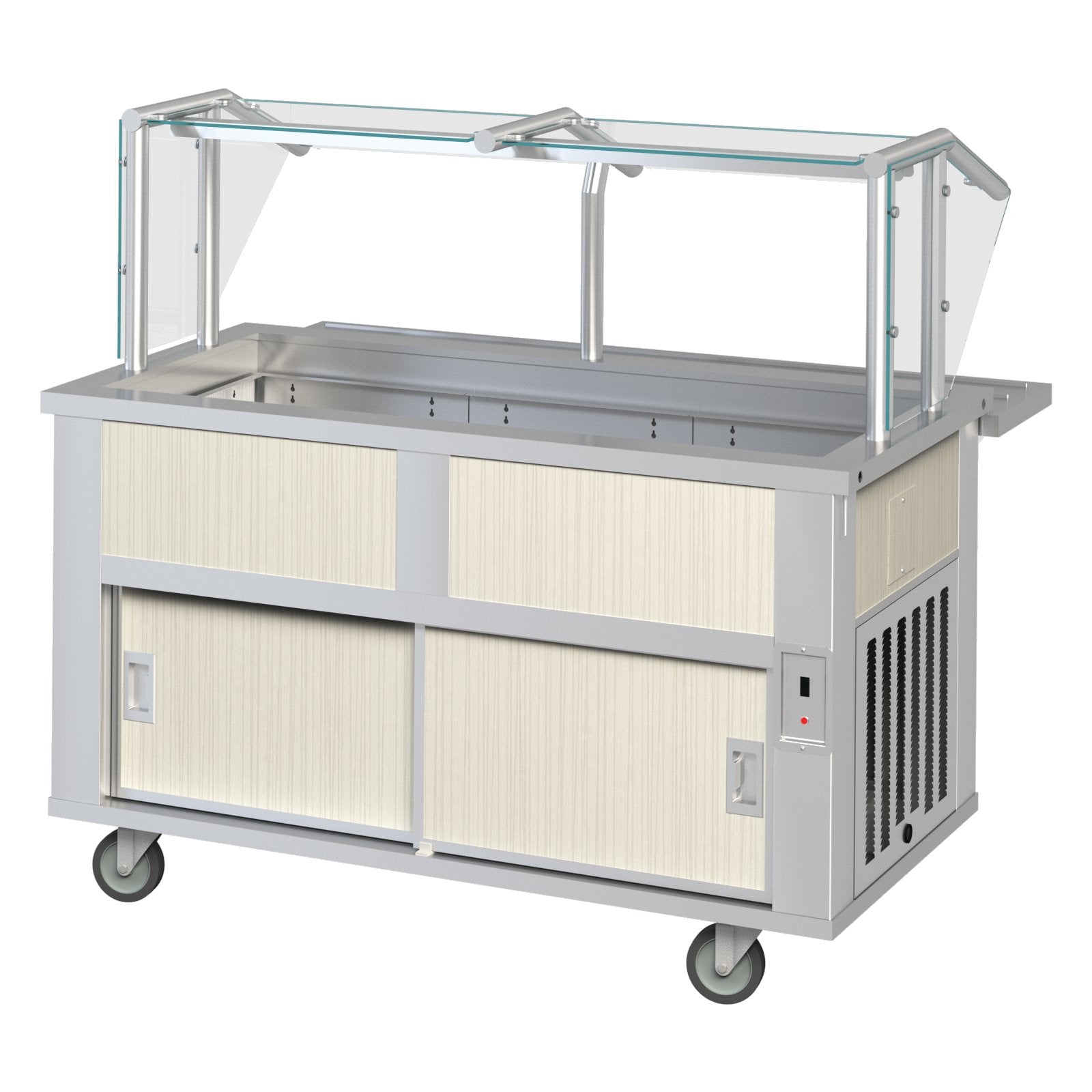
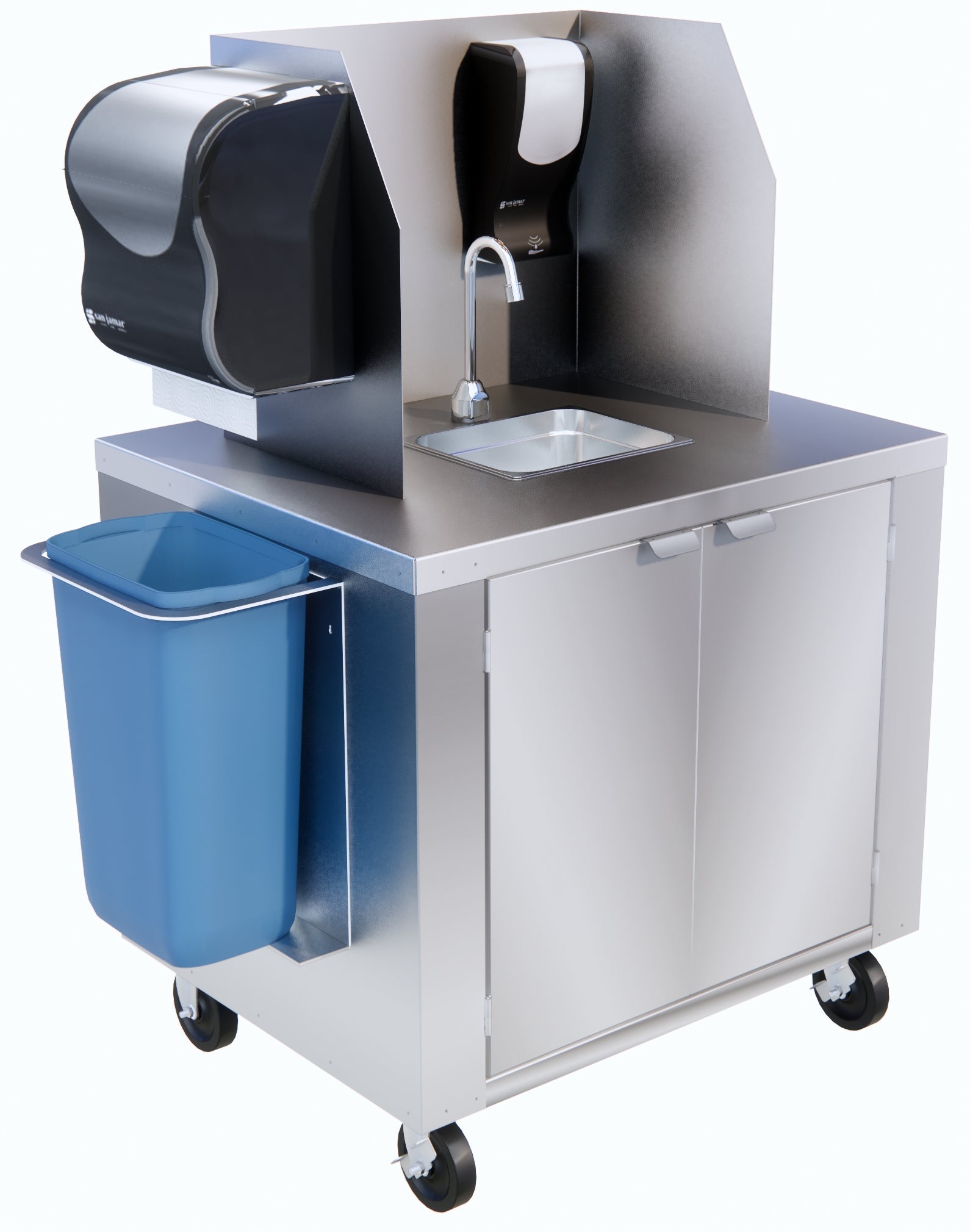
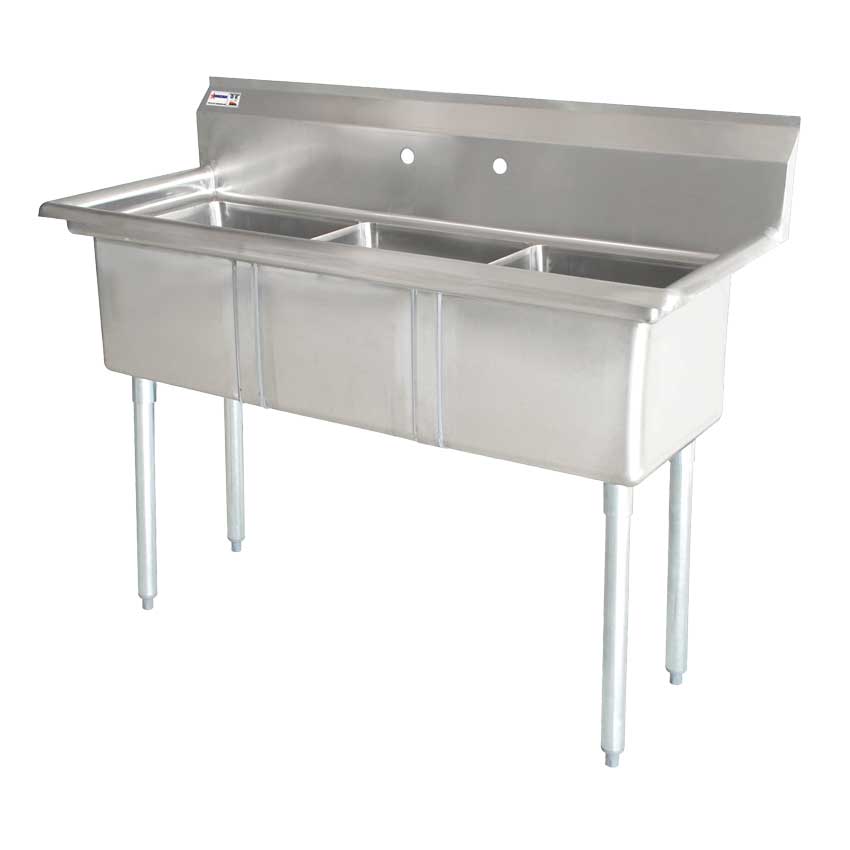
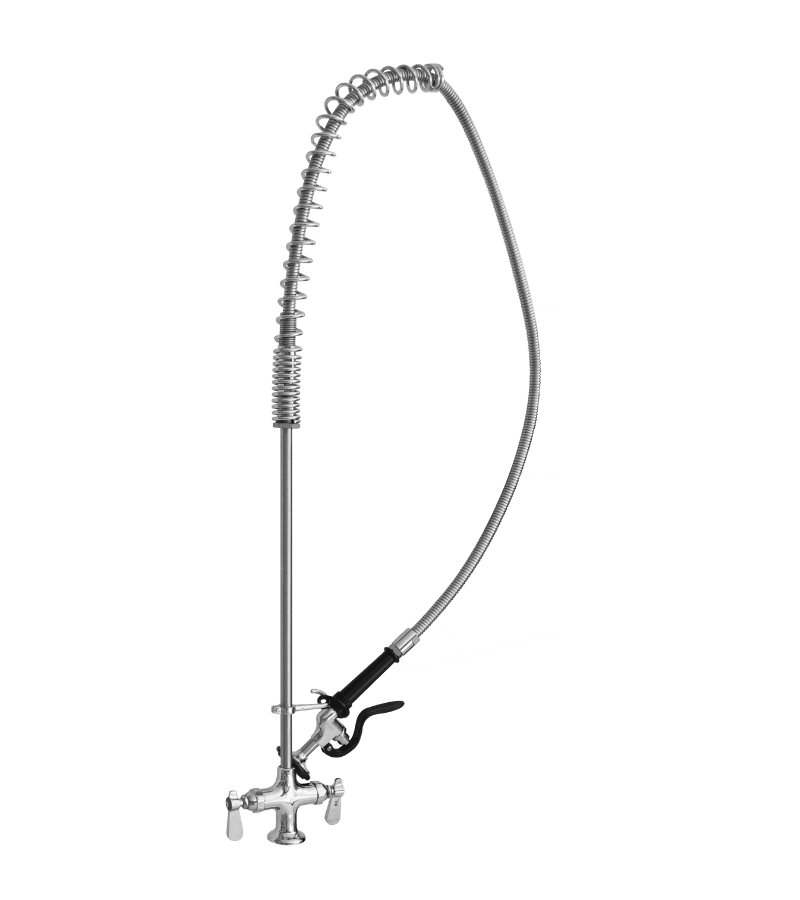
Food-safety certification is different from electrical or gas approval. Standards such as NSF/ANSI sanitation standards are widely used in the foodservice industry to evaluate cleanability, materials, and food-contact design, but operators should confirm what their local health authority accepts. BC’s Food Premises Regulation requires equipment and food-contact surfaces to be suitable for their intended use, durable, easily cleaned, free of noxious or toxic substances, in good working order, and operated in a sanitary manner. This is especially relevant when selecting commercial work tables and stations, sinks, prep equipment, refrigeration, and food-holding units.
4. ENERGY STAR Is Efficiency Certification, Not Safety Approval
ENERGY STAR can help Canadian operators identify efficient commercial foodservice equipment, but it should not be confused with electrical, gas, or sanitation approval. Natural Resources Canada notes that some commercial products, including certain commercial refrigerators, freezers, and ice makers, are also subject to federal Energy Efficiency Regulations and associated verification requirements. Consider energy performance alongside safety certification when comparing kitchen equipment in Canada.
5. Food Trucks and Mobile Kitchens Need Extra Checks
Mobile operators should verify the entire unit, not just individual appliances. Technical Safety BC’s 2026 requirements for certain enclosed mobile outdoor food service units using propane include specific certification, approval, permitting, and inspection pathways. Electrical, plumbing, ventilation, fire-safety, health, and municipal requirements may also apply.
A Simple Pre-Purchase Certification Checklist
· Confirm the exact model’s Canadian certification or approval mark - not just the manufacturer’s general claims.
· Match voltage, phase, gas type, clearances, ventilation, and utility requirements to your site.
· Ask your electrician, gas contractor, health authority, or other authority having jurisdiction if approval is uncertain.
· Keep manuals, data plates, certification records, and inspection documents for future service and inspections.
Contact Brittania for Equipment Guidance
Choosing compliant equipment early can reduce surprises during construction and inspection. A knowledgeable restaurant supply store can help you compare specifications before you commit. For operators in Surrey, Vancouver, the Lower Mainland, BC’s Interior, the Islands, and across Canada, Brittania Food Equipment can help identify equipment options suited to your operation and point you toward the documentation you should verify with your local authorities.
|
Need help reviewing equipment specifications? |
