













Choosing the right commercial refrigeration can affect food safety, workflow, merchandising and day-to-day operating costs. Whether you run a restaurant in Surrey, a café in Vancouver, a bakery in the Lower Mainland, a food truck, catering operation or institutional kitchen, refrigeration is one of the most important categories of commercial kitchen equipment in Canada.
This commercial refrigeration: the complete buyer’s guide explains the main refrigeration types, what to look for before buying and how to choose equipment that fits your operation.

Commercial refrigeration comparison chart
1. Reach-In Refrigerators and Freezers
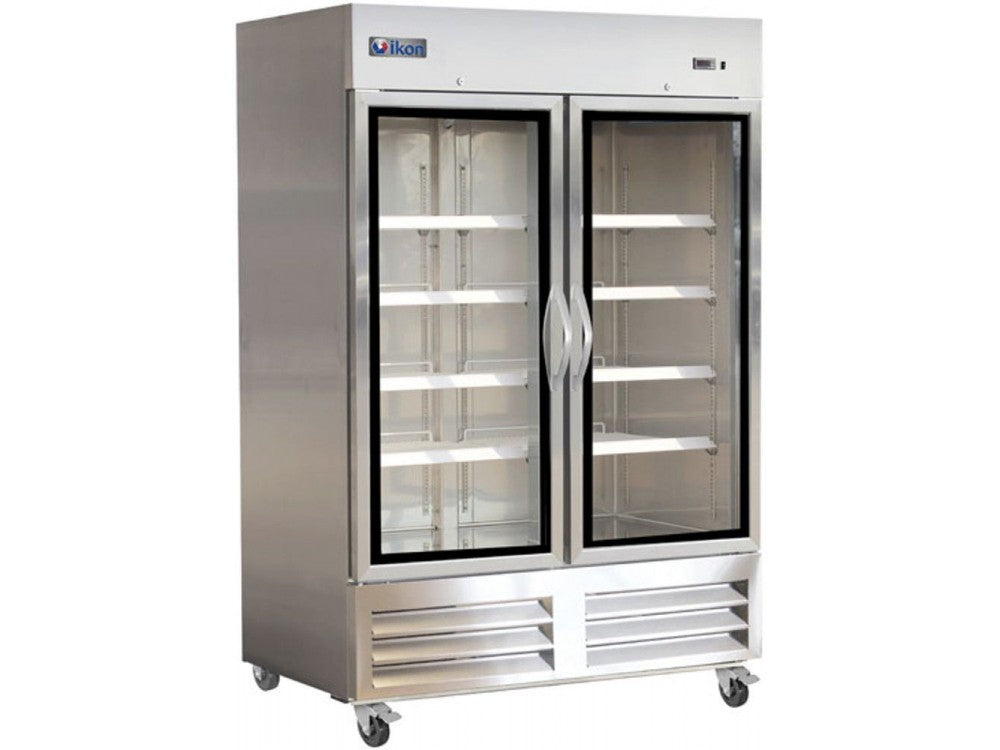
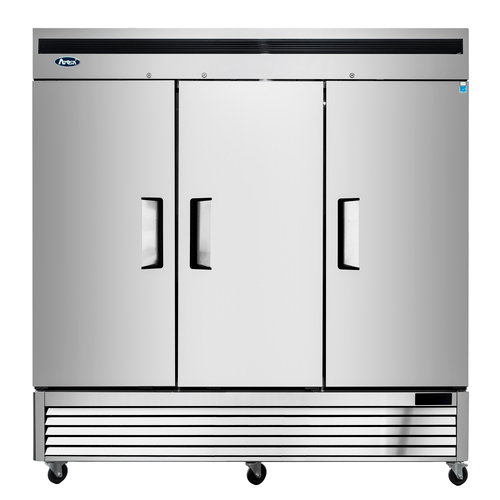
Reach-in refrigerators and freezers are designed for high-volume refrigerated or frozen storage with convenient access during service. They are a strong choice for restaurants, bakeries, institutional kitchens and catering operations that need organized ingredient storage.
Consider the number of doors, usable interior capacity, shelving configuration, door clearance and available floor space before purchasing. In British Columbia, refrigeration equipment used for potentially hazardous foods must be capable of maintaining required food temperatures.
2. Prep Refrigeration
Prep refrigerators combine cold storage with an accessible food-preparation surface. Sandwich and salad prep tables are especially useful for pizzerias, cafés, sandwich shops and quick-service restaurants.
Before choosing a prep table, compare pan capacity, cutting-board depth, overall width and the amount of refrigerated storage beneath the work surface. The right layout can reduce unnecessary movement during busy service and keep commonly used ingredients close to the preparation area.
3. Undercounter Refrigeration
Undercounter refrigerators are ideal when floor space is limited or refrigerated ingredients need to be positioned directly beneath a work surface.
They work particularly well behind café counters, bars, bakery stations and compact restaurant kitchens. Measure the installation area carefully and verify ventilation-clearance requirements specified by the manufacturer.
4. Merchandising and Display Refrigeration
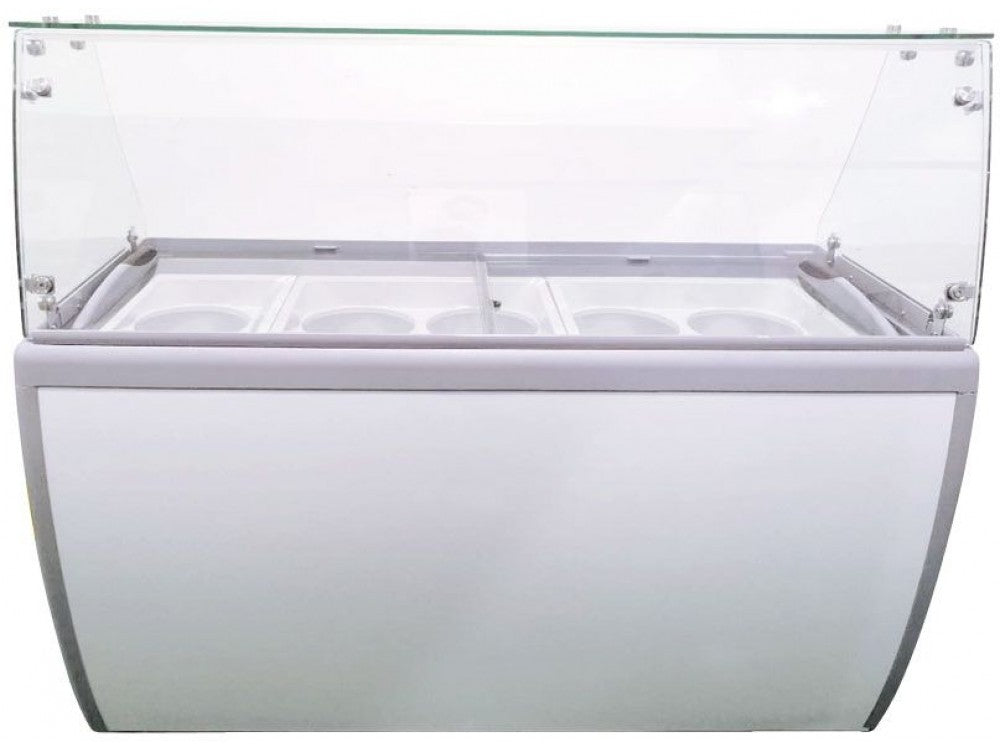
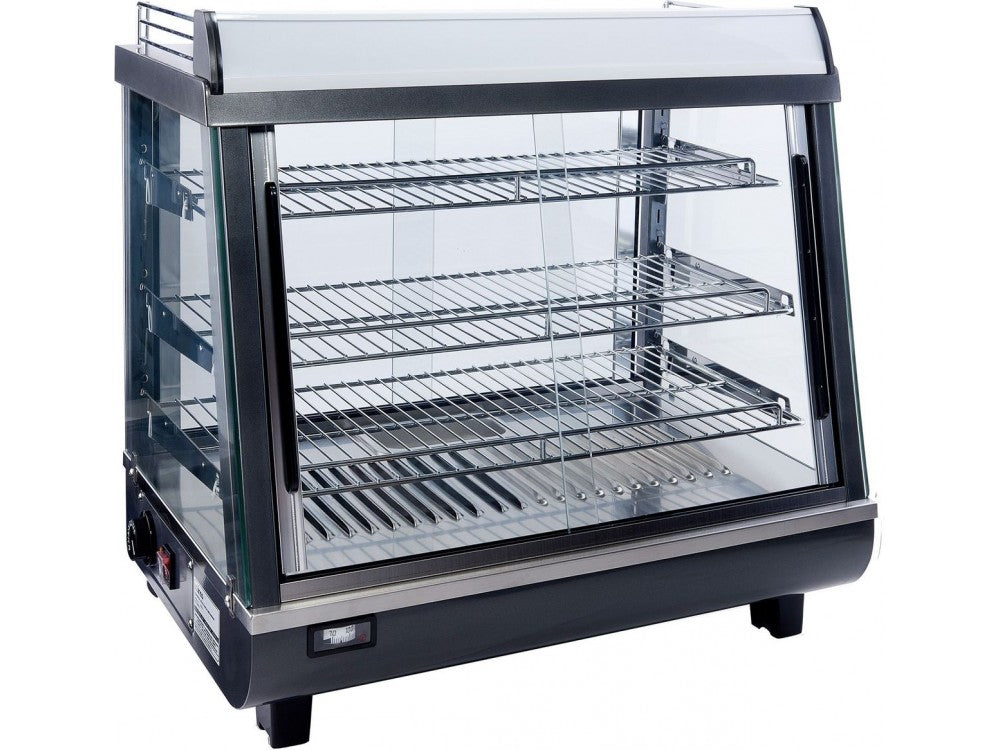
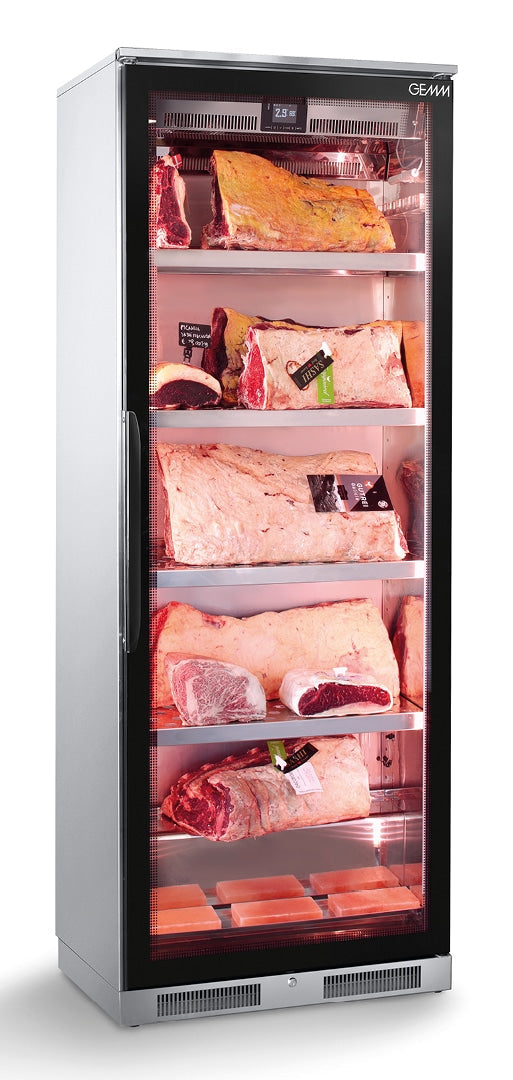
Merchandising and display refrigeration is designed to keep products cold while making them clearly visible and accessible to customers. Glass-door merchandisers, refrigerated display cases and similar units are useful for cafés, bakeries, convenience-style food operations, grab-and-go counters and institutions selling packaged beverages, desserts, sandwiches or prepared foods.
When comparing merchandising refrigeration, consider product visibility, capacity, door configuration, placement, lighting, airflow and temperature performance. Closed-door merchandisers may have different energy and airflow characteristics than open-front displays.
In British Columbia, potentially hazardous foods stored or displayed must generally be kept at 4°C or colder, while frozen food must be maintained at -18°C or colder. Refrigeration equipment used for these foods must also have an accurate thermometer.
5. Commercial Freezers and Frozen Storage
Commercial freezers are essential for operations storing frozen ingredients, prepared foods and bulk inventory. Look beyond capacity alone. Consider shelving, door style, recovery time after frequent opening, available electrical service and the amount of clearance required around the condensing system.
For higher-volume businesses, larger frozen-storage solutions may provide better capacity than several small units, provided the installation space and operational needs support them.
What Should You Check Before Buying?
· Measure the full installation path. Check the final equipment footprint plus doorways, hallways, elevators and turning clearances.
· Verify utilities. Confirm electrical requirements, plug type, circuit capacity and any drainage needs before ordering.
· Check ventilation clearance. Follow the manufacturer’s requirements so the condensing system can reject heat properly.
· Choose capacity for peak demand. Size refrigeration for your busiest inventory periods, not only average-day stock levels.
· Compare energy performance. Certain commercial refrigerators, refrigerator-freezers and freezers sold or imported in Canada are regulated under federal Energy Efficiency Regulations.
Choosing Commercial Refrigeration in Canada
The best refrigerator is not necessarily the largest unit. It is the model that fits your available space, storage volume, menu, workflow and customer-service needs. A restaurant may prioritize reach-in and prep refrigeration, while a café or bakery may benefit from combining undercounter storage with merchandising refrigeration to keep products cold and visible.
When comparing kitchen equipment in Canada, confirm specifications, certifications, temperature requirements and installation needs before ordering.
Brittania Food Equipment is a Canadian restaurant supply store serving restaurants, cafés, bakeries, caterers, institutions and other food-service businesses.
Helpful Links
· Merchandising and Display Refrigeration
· B.C. Food Premises Regulation
· NRCan - Commercial Refrigerators, Refrigerator-Freezers and Freezers