


















What temperature should a commercial refrigerator be in Canada? Potentially hazardous food should be kept at 4°C (40°F) or colder, while frozen food should be maintained at −18°C (0°F) or colder.
This commercial refrigerator temperature chart provides a quick reference for commercial refrigerators, freezers, cold holding and hot holding. Learn how to monitor storage temperatures, prevent refrigeration problems and maintain safe conditions in Canadian commercial kitchens.

For Canadian foodservice operations, refrigerated foods that require temperature control should generally be maintained at 4°C (40°F) or colder. Frozen foods should be stored at −18°C (0°F) or colder.
Commercial Refrigerator Temperature Chart
|
Storage or Holding Condition |
Recommended / Safe Temperature |
|
Commercial refrigerator / cold holding |
4°C (40°F) or colder |
|
Commercial freezer |
−18°C (0°F) or colder |
|
Food temperature danger zone |
Above 4°C to below 60°C |
|
Hot holding |
60°C (140°F) or hotter |
Food that requires refrigeration should stay out of the temperature danger zone as much as possible because bacteria can multiply more rapidly when food is held within this range.
What Temperature Should a Commercial Refrigerator Be?
A commercial refrigerator used for potentially hazardous or temperature-controlled food should keep the food at 4°C or below.
In British Columbia, food-premises regulations require potentially hazardous food to be stored or displayed at no more than 4°C. This applies to commercial kitchens throughout Surrey, Vancouver, the Lower Mainland, the Interior and the Islands.
Many operators choose an equipment setting slightly below the maximum safe limit to provide some operating margin when doors are opened frequently. However, actual food temperature matters more than simply relying on the refrigerator’s control-panel reading.
Commercial kitchens should use an accurate thermometer and routinely verify temperatures.
Commercial Freezer Temperature
Commercial frozen storage should maintain food at −18°C or colder.
This temperature helps keep frozen products safely frozen and supports consistent product quality. If a freezer repeatedly rises above its intended operating temperature, investigate possible causes such as:
· Frequent or prolonged door opening
· Damaged door gaskets
· Blocked airflow
· Excessive product loading
· Dirty condenser coils
· Refrigeration-system problems
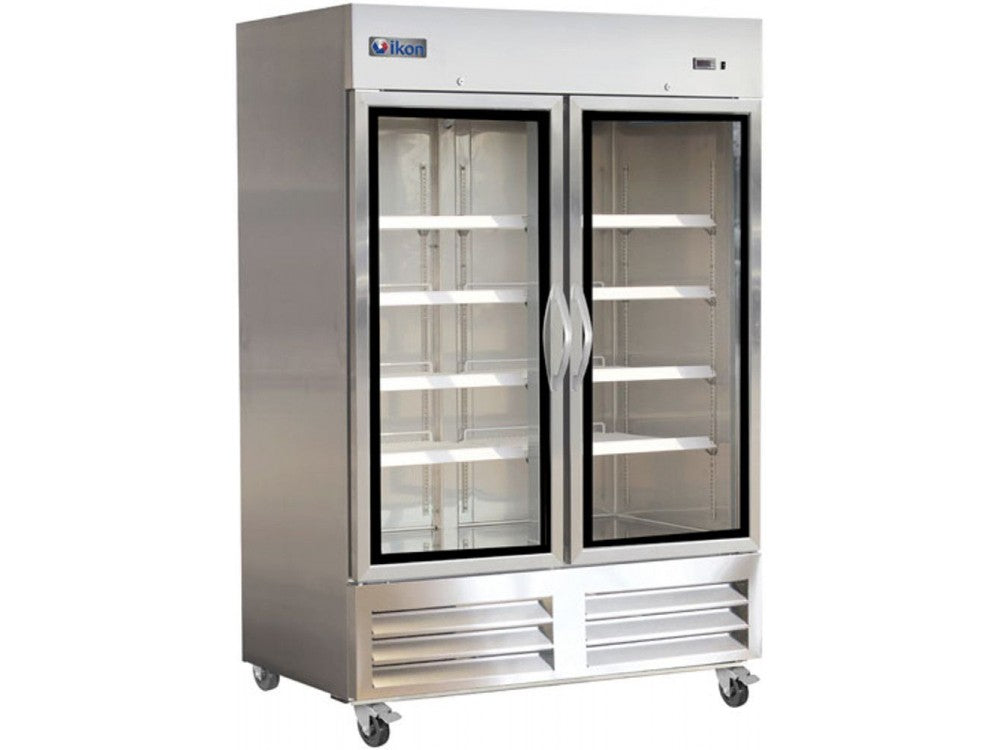
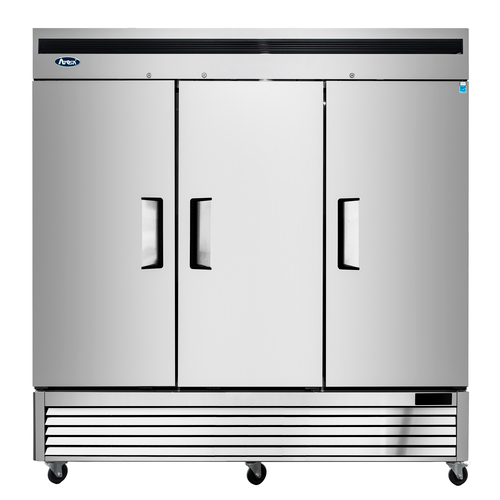
Businesses requiring additional frozen-storage capacity can compare reach-in refrigerators and freezers available through Brittania.
Why Temperature Monitoring Matters
A refrigerator may feel cold without actually maintaining safe food temperatures. Daily or routine temperature checks can help identify problems before they result in spoiled inventory or food-safety concerns.
· Check temperatures regularly. Use a suitable, accurate thermometer rather than relying only on how cold the cabinet feels.
· Maintain airflow. Avoid overpacking shelves or blocking refrigeration vents. Cold air needs room to circulate around stored products.
· Keep doors closed. Frequent door openings can cause temperature fluctuations, particularly during busy service periods.
· Monitor actual food temperatures when necessary. An equipment display shows cabinet conditions but may not always represent the temperature of every stored product.
· Keep temperature records. Documenting checks can support your food-safety procedures and make unusual temperature changes easier to identify.
Choosing Commercial Refrigeration for Your Kitchen
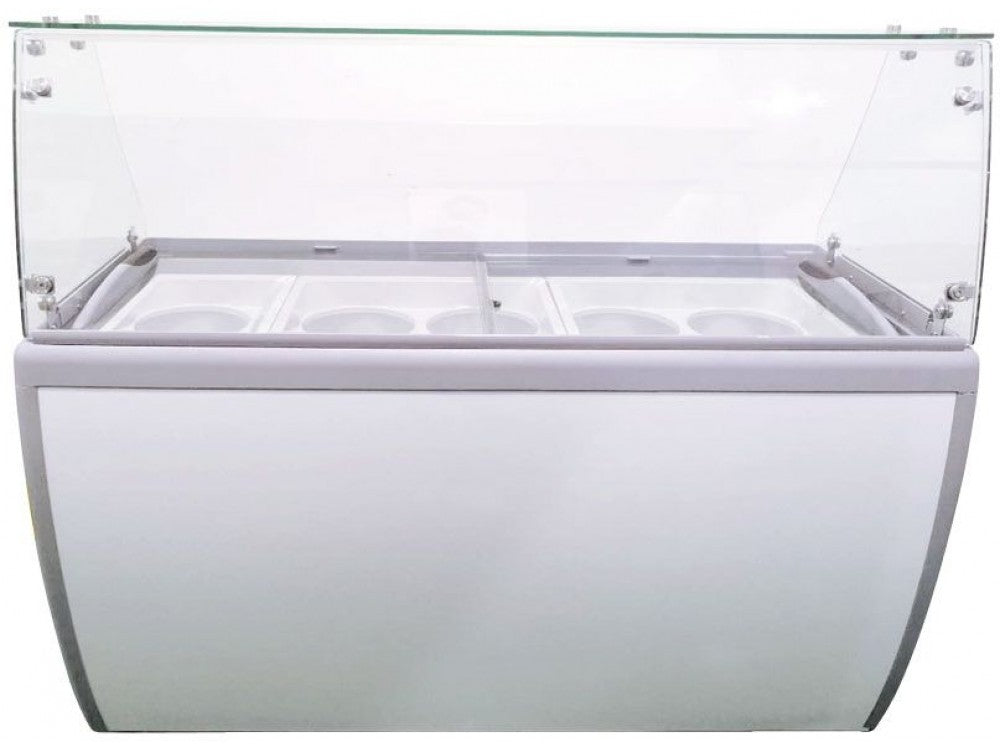
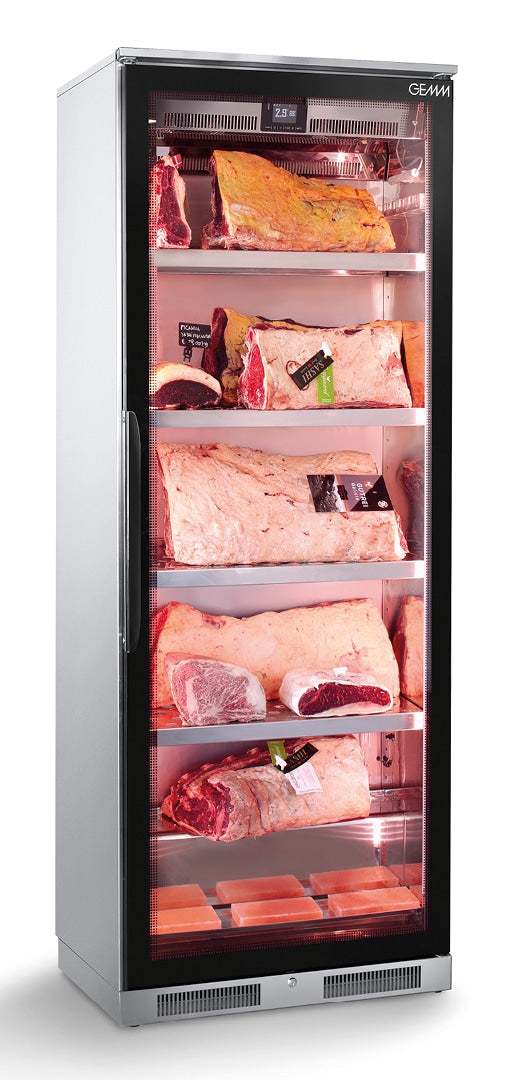
Different operations require different refrigeration configurations. A high-volume restaurant may need large reach-in refrigeration, while cafés, sandwich shops and pizzerias may benefit from prep refrigeration. Customer-facing operations may also use merchandising and display refrigeration.
When comparing kitchen equipment in Canada, consider storage capacity, operating temperature range, available space, door configuration, workflow and expected daily usage—not simply purchase price.
A dependable refrigeration system helps maintain food safety while reducing unnecessary product loss and interruptions to service.
Brittania Food Equipment is a Canadian restaurant supply store supporting restaurants, cafés, bakeries, caterers, food trucks and institutional kitchens with commercial kitchen equipment and refrigeration solutions.
Keep Your Cold Storage Ready for Service
Need additional refrigeration or replacing an aging unit?
Browse commercial refrigeration →
Food Safety References