








































Holiday catering puts extra pressure on refrigeration, cooking equipment, food transport and service supplies. Larger orders and off-site events can reveal capacity problems that everyday service does not.
Use this holiday catering equipment checklist to identify shortages, test essential equipment and assign responsibilities before your busiest bookings.

Start with your expected guest count, menu, production schedule and service duration. Then check each stage below against your largest confirmed event and any overlapping orders.
1. Confirm Refrigeration and Cold Storage
Estimate the space needed for ingredients, prepared dishes and finished orders. Plan storage around usable shelf space and food separation—not just the refrigerator’s external dimensions.
☐ Confirm refrigerated and frozen storage capacity for peak orders.
☐ Inspect door seals, shelving and temperature displays.
☐ Check and record temperatures with an accurate thermometer.
☐ Allow space for airflow and separate raw foods from ready-to-eat items.
☐ Record a backup storage arrangement if essential equipment fails.
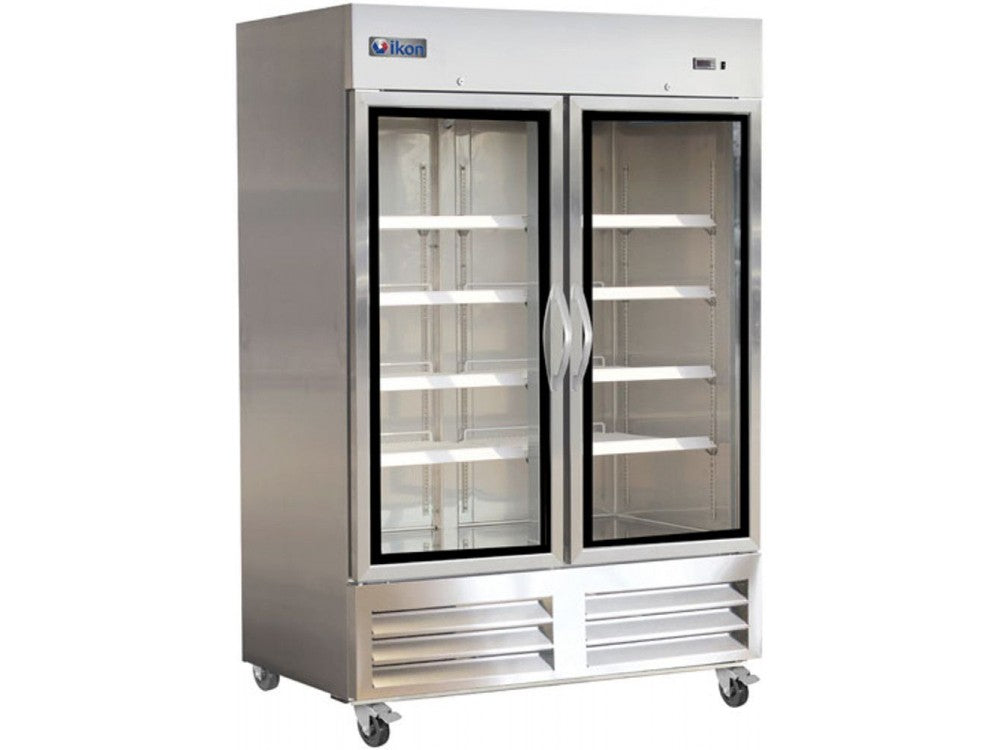
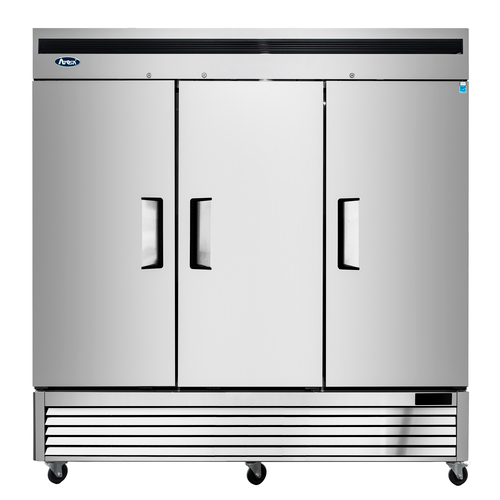
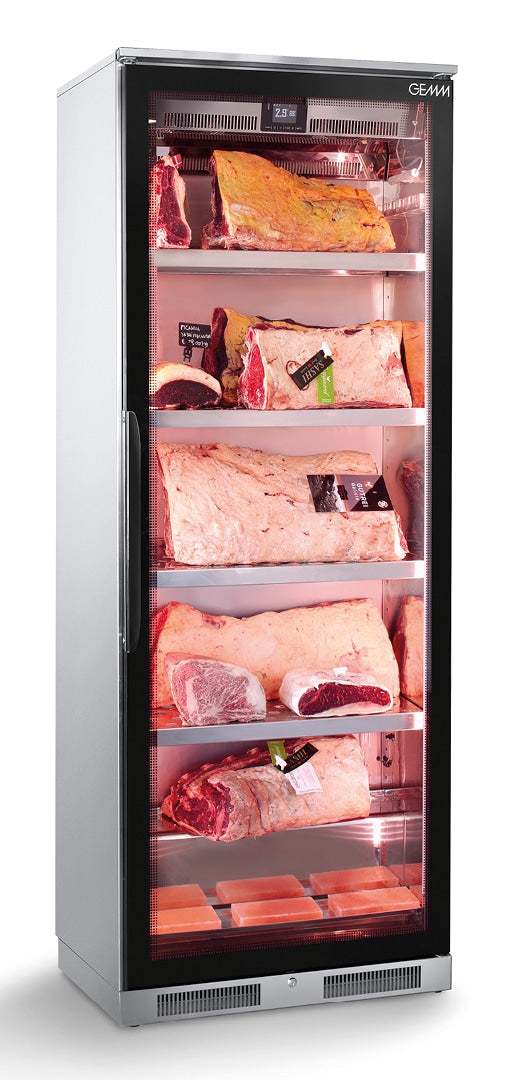
If capacity is limited, compare reach-in refrigeration and freezers before accepting additional bookings.
In British Columbia, potentially hazardous food must generally be stored or displayed at 4°C or colder, or 60°C or hotter. Frozen food must be stored, displayed or transported at −18°C or colder. See the B.C. Food Premises Regulation. Operators elsewhere should confirm applicable provincial and local requirements.
2. Prepare Hot-Holding Equipment
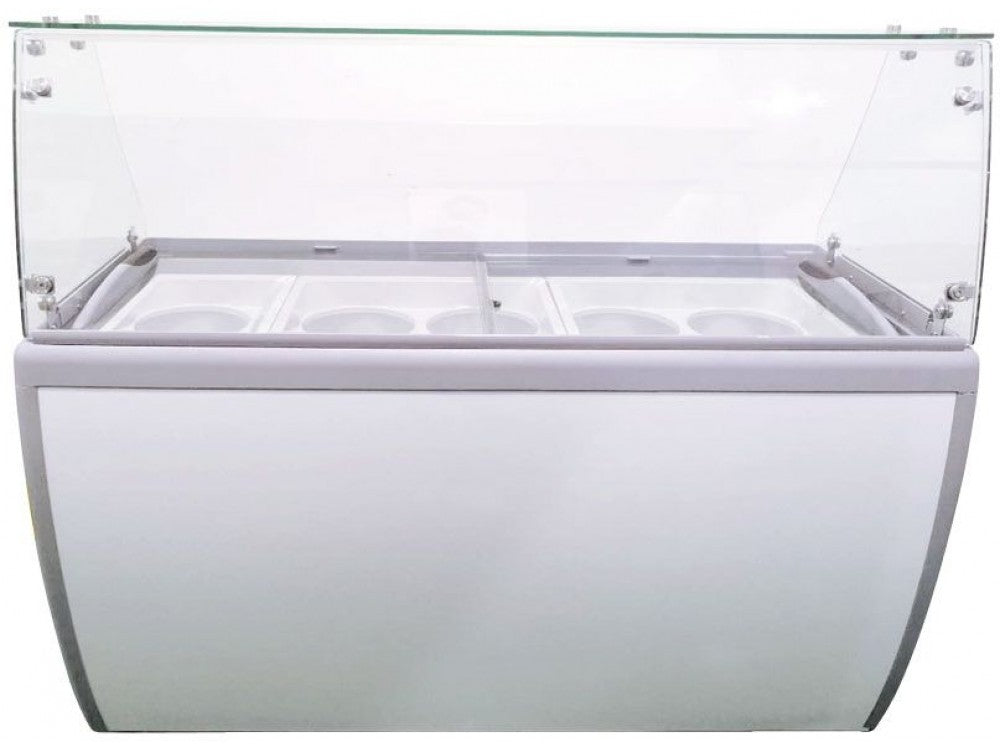
Count the dishes that must remain hot simultaneously, including food awaiting dispatch and buffet replenishment.
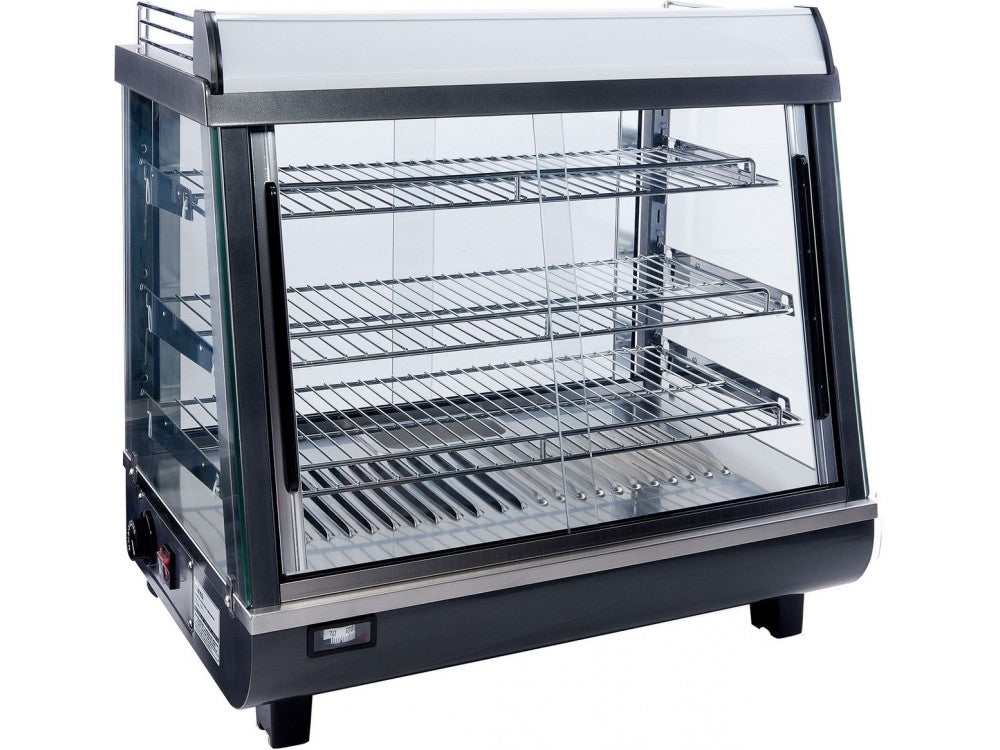
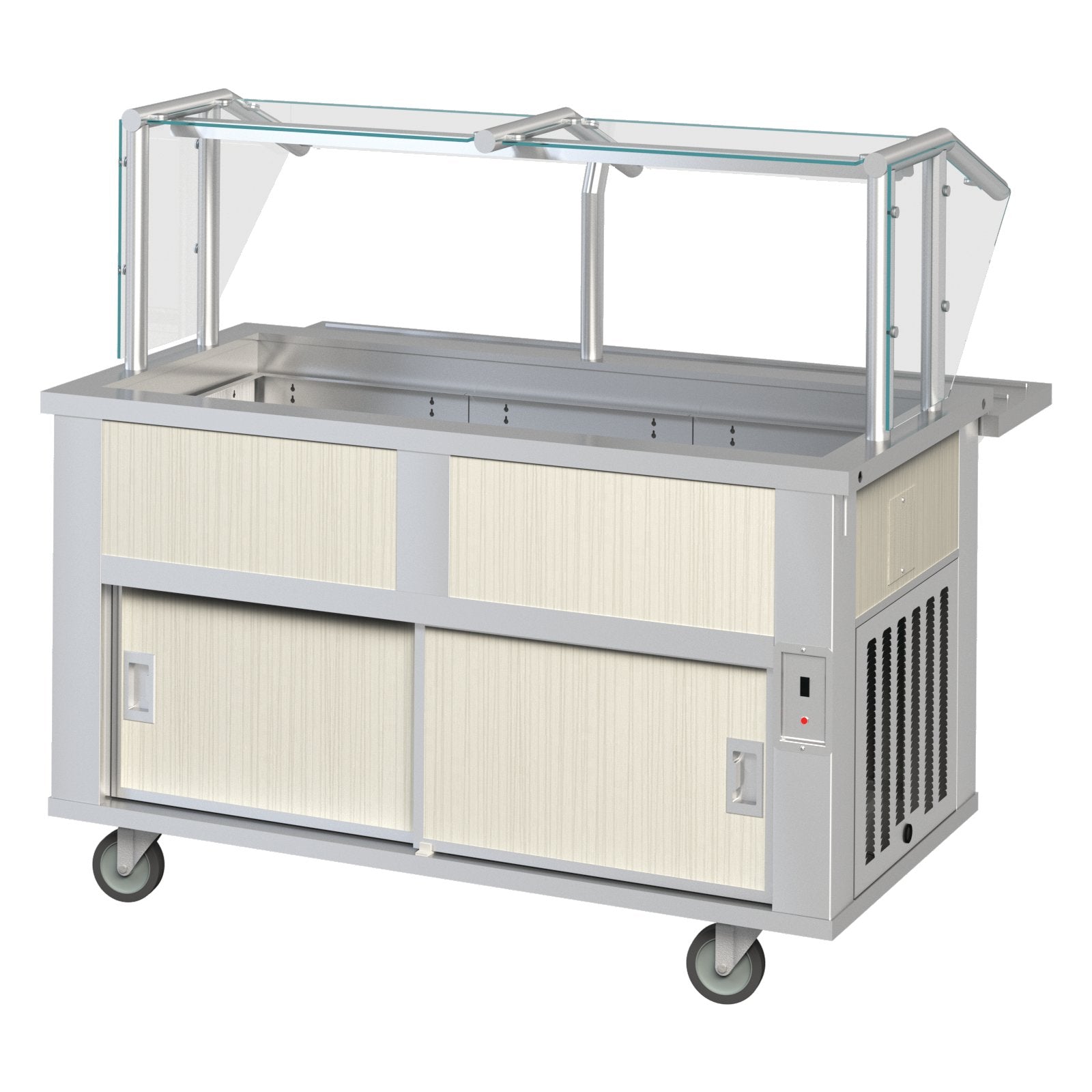
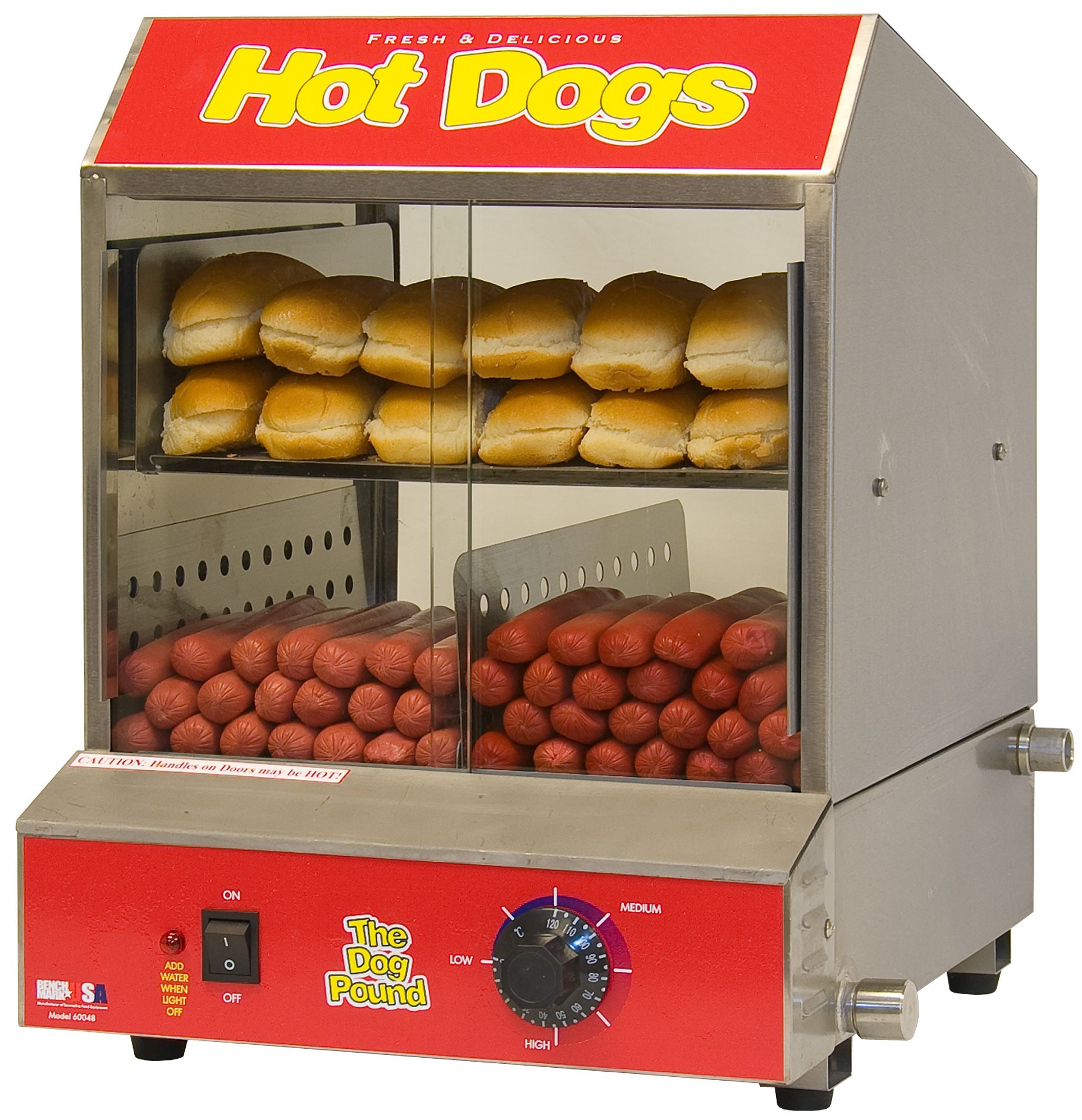
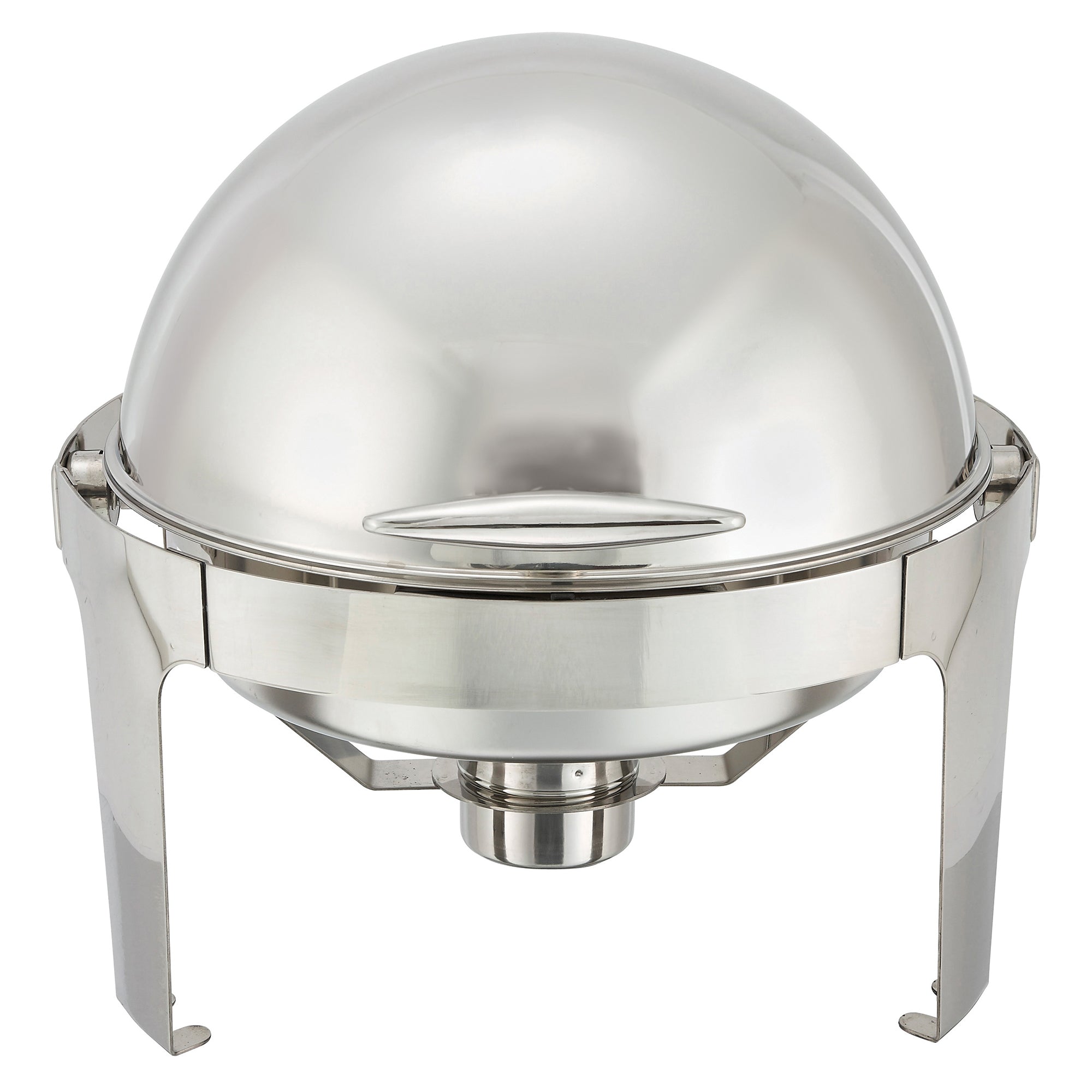
☐ Match holding cabinets, warmers and food wells to your required pan sizes and quantities.
☐ Test equipment before the event.
☐ Confirm lids, inserts and serving utensils are available.
☐ Check food temperatures rather than relying only on control settings.
☐ Assign someone to monitor holding conditions during service.
Check each model’s intended use. Do not assume equipment designed for holding food can also cook or reheat it.
3. Check Prep and Cooking Capacity
Map your menu against the equipment and time each dish requires. Several dishes competing for one oven can delay the entire production schedule.
☐ Confirm work surfaces, cutting boards, food pans and ingredient containers.
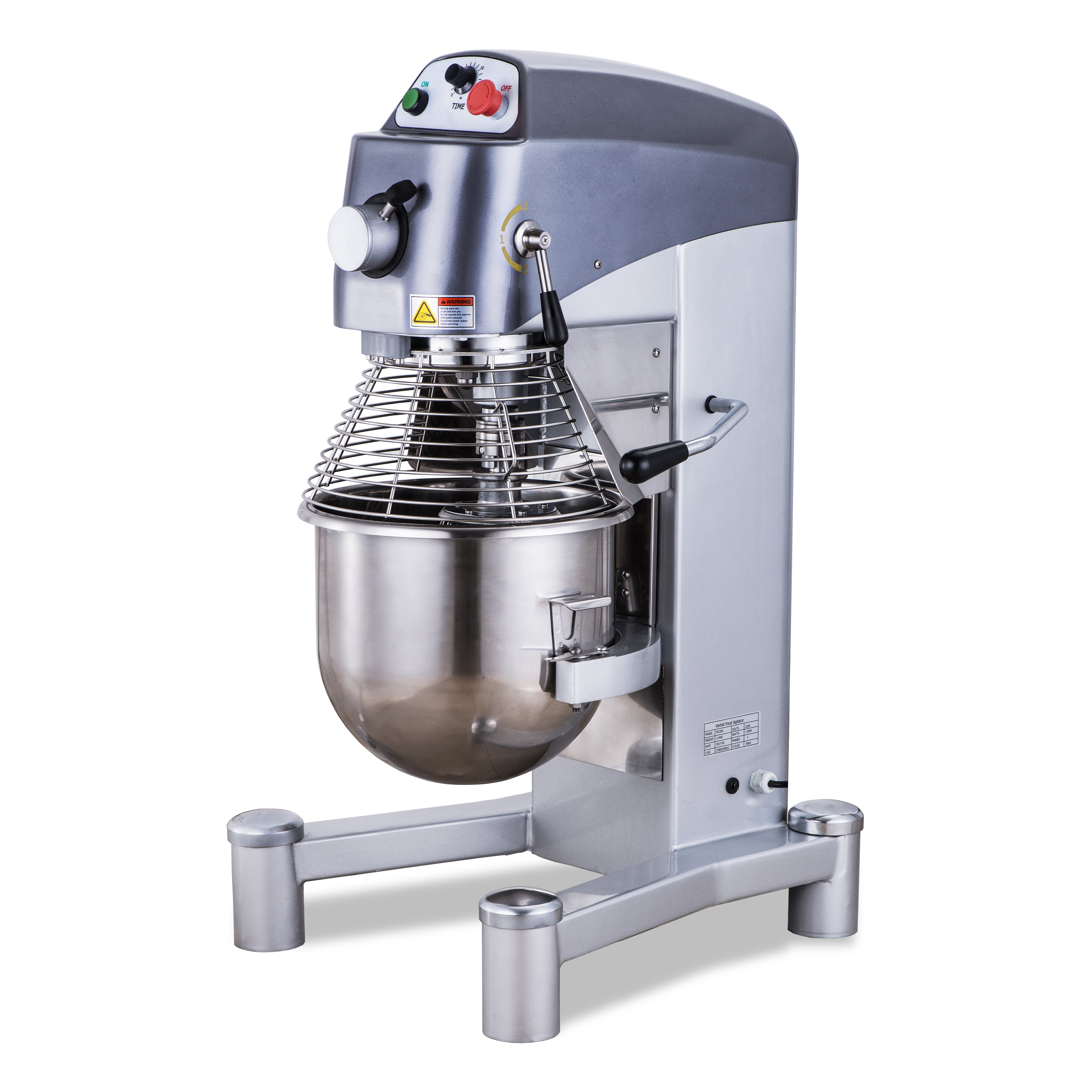
☐ Check mixer batch limits and required attachments.
☐ Plan oven, burner and cooking-surface use by production time.
☐ Inspect equipment and arrange necessary servicing.
☐ Assign cleaning responsibilities between tasks.
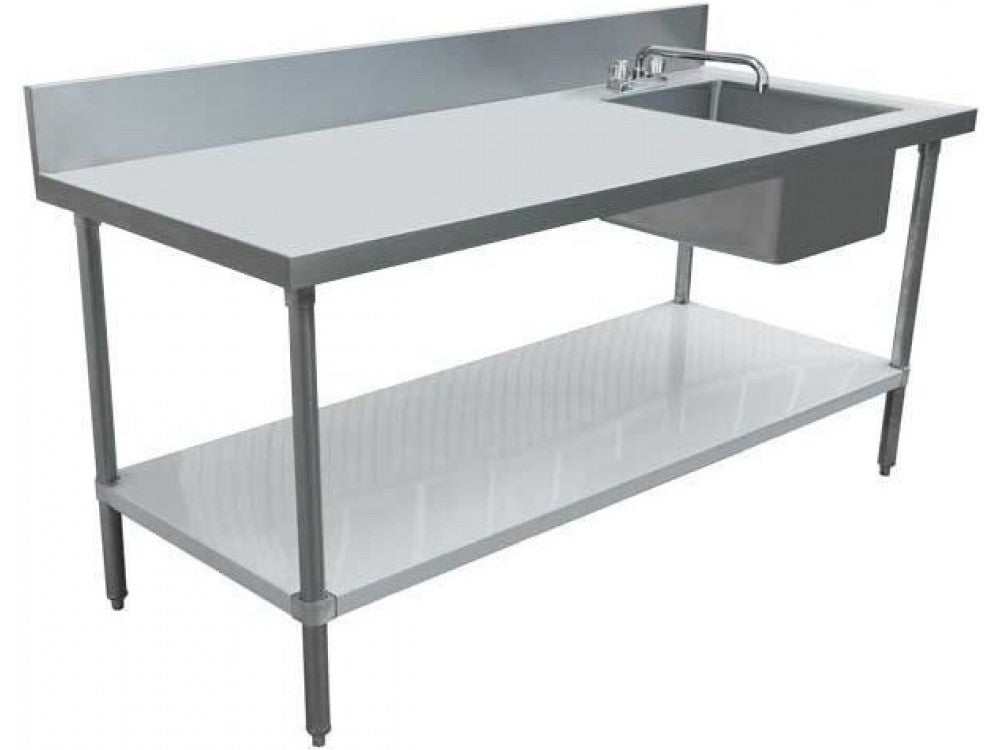
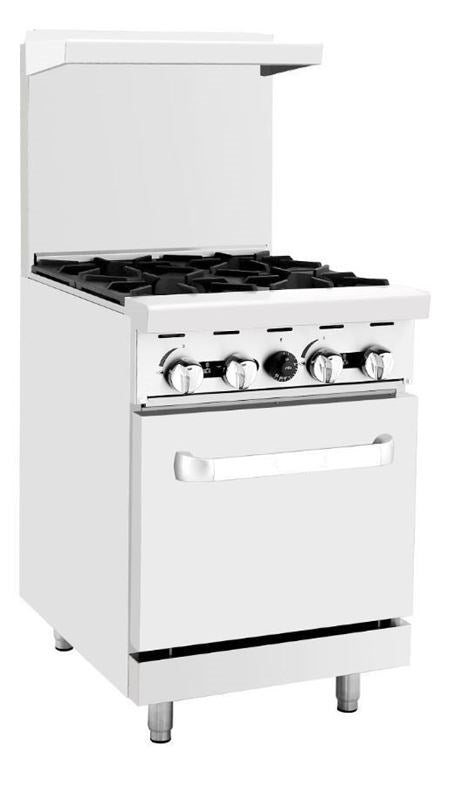
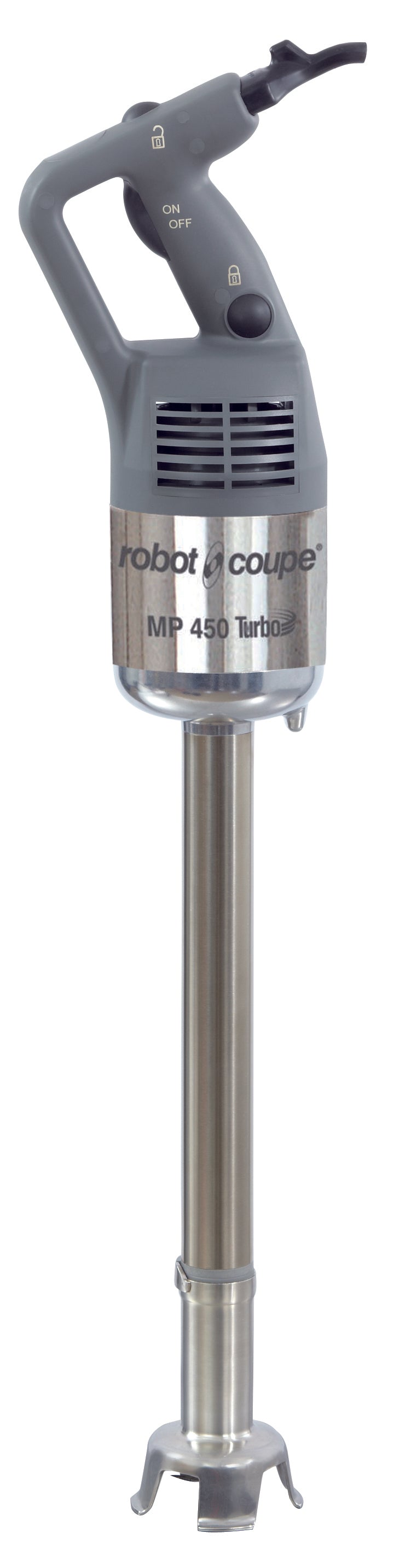
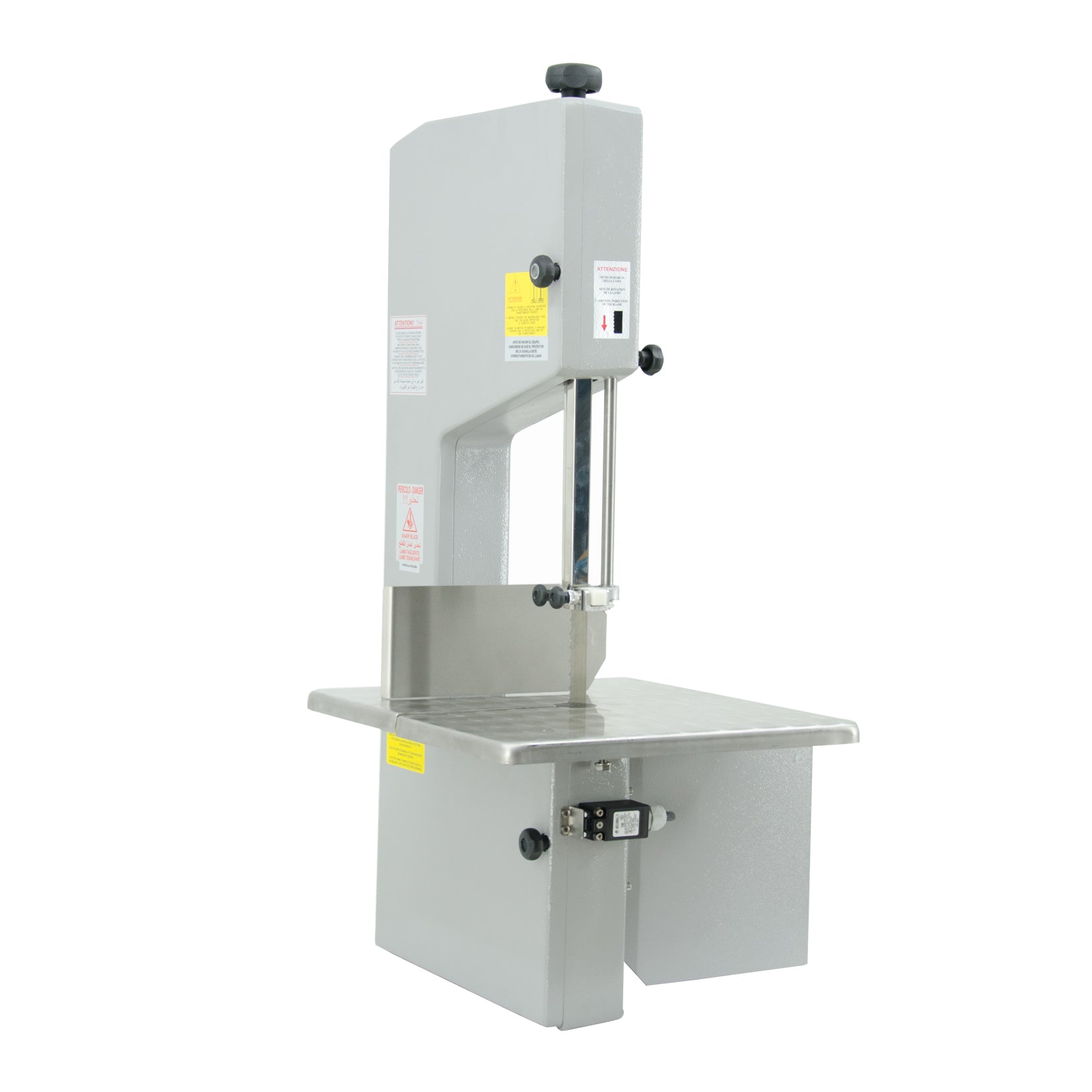
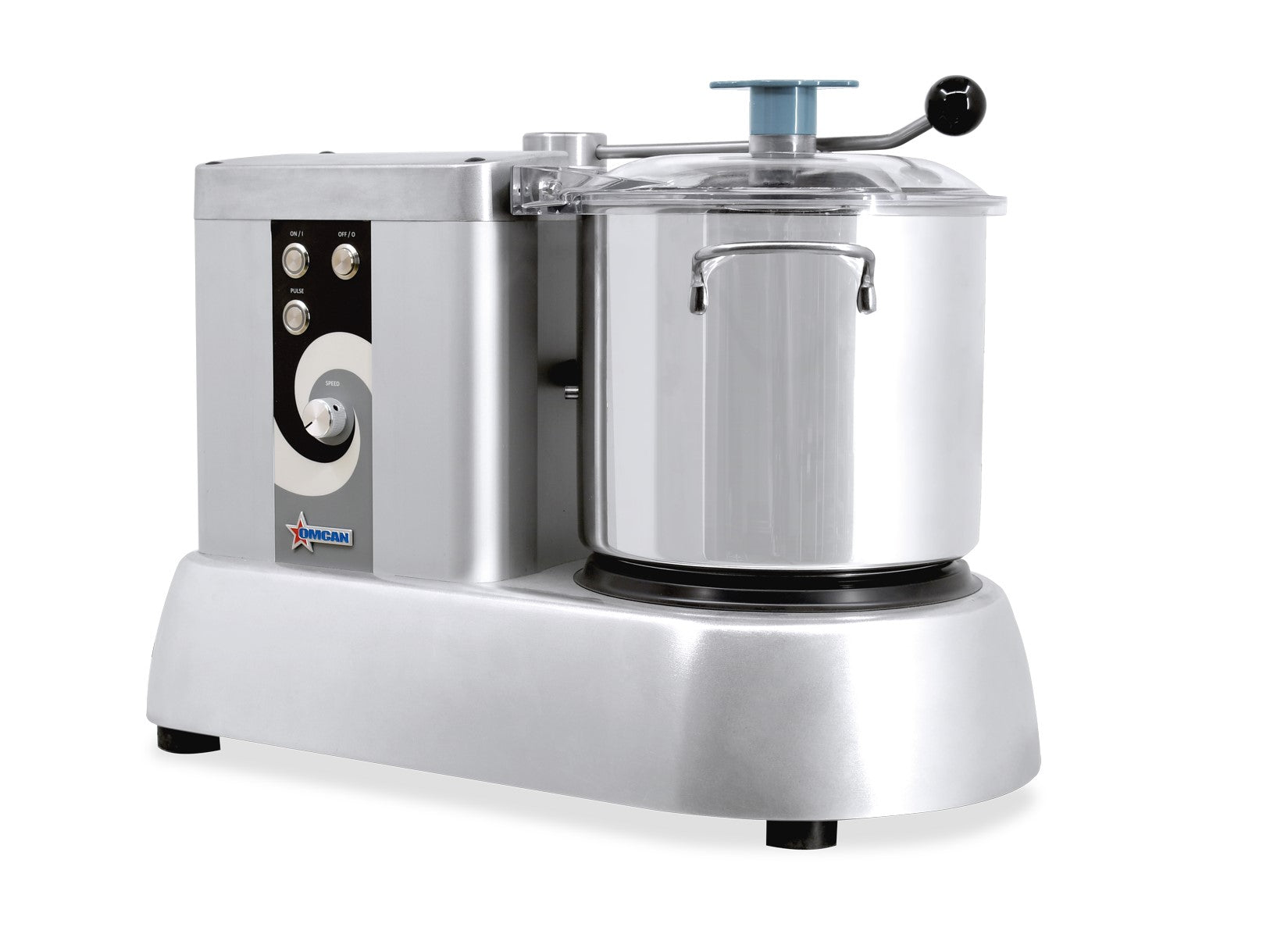
Review commercial work tables and stations, ranges and commercial mixers against the specific gap in your production plan.
4. Organize Transport and Venue Access
A successful catering setup must work at the destination as well as in your kitchen.
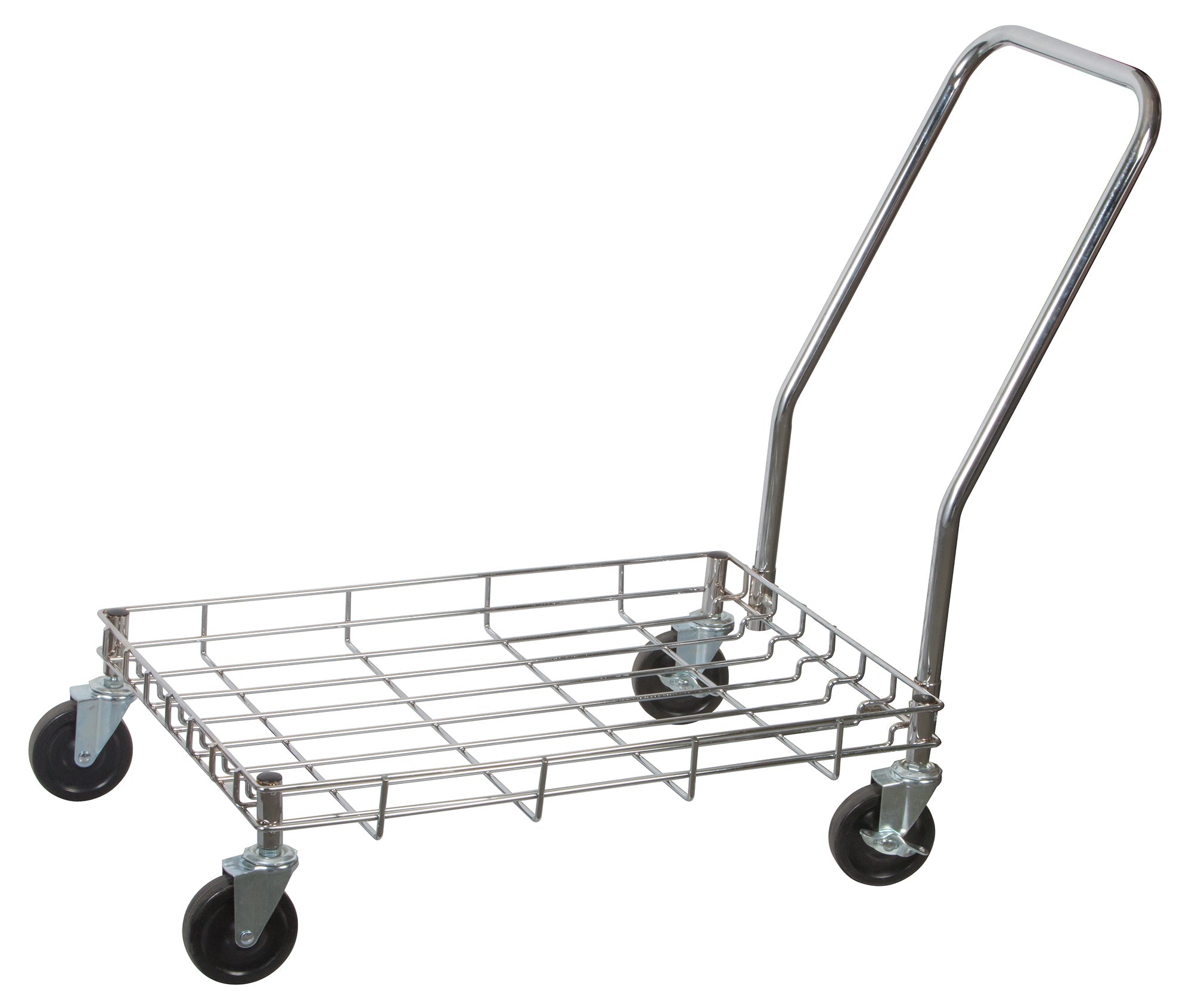
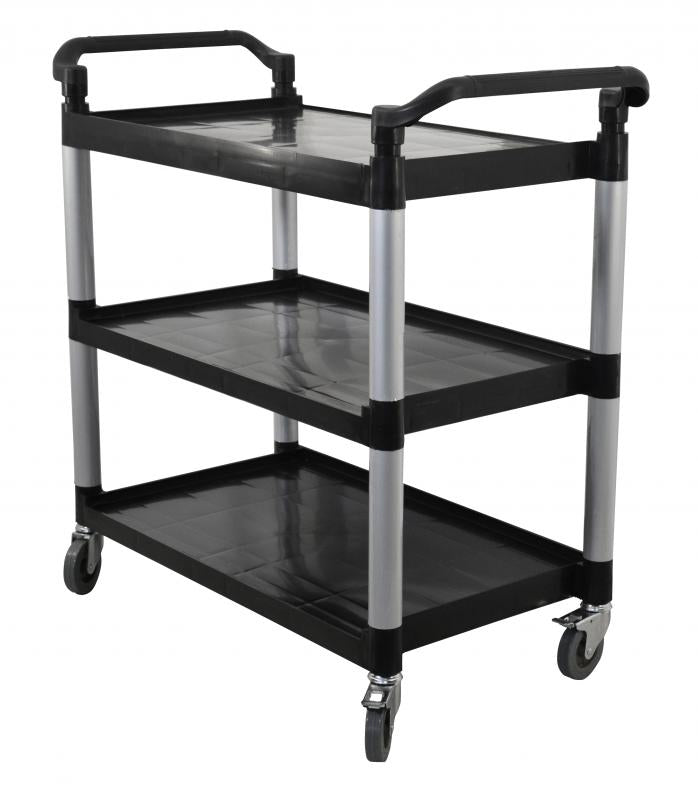
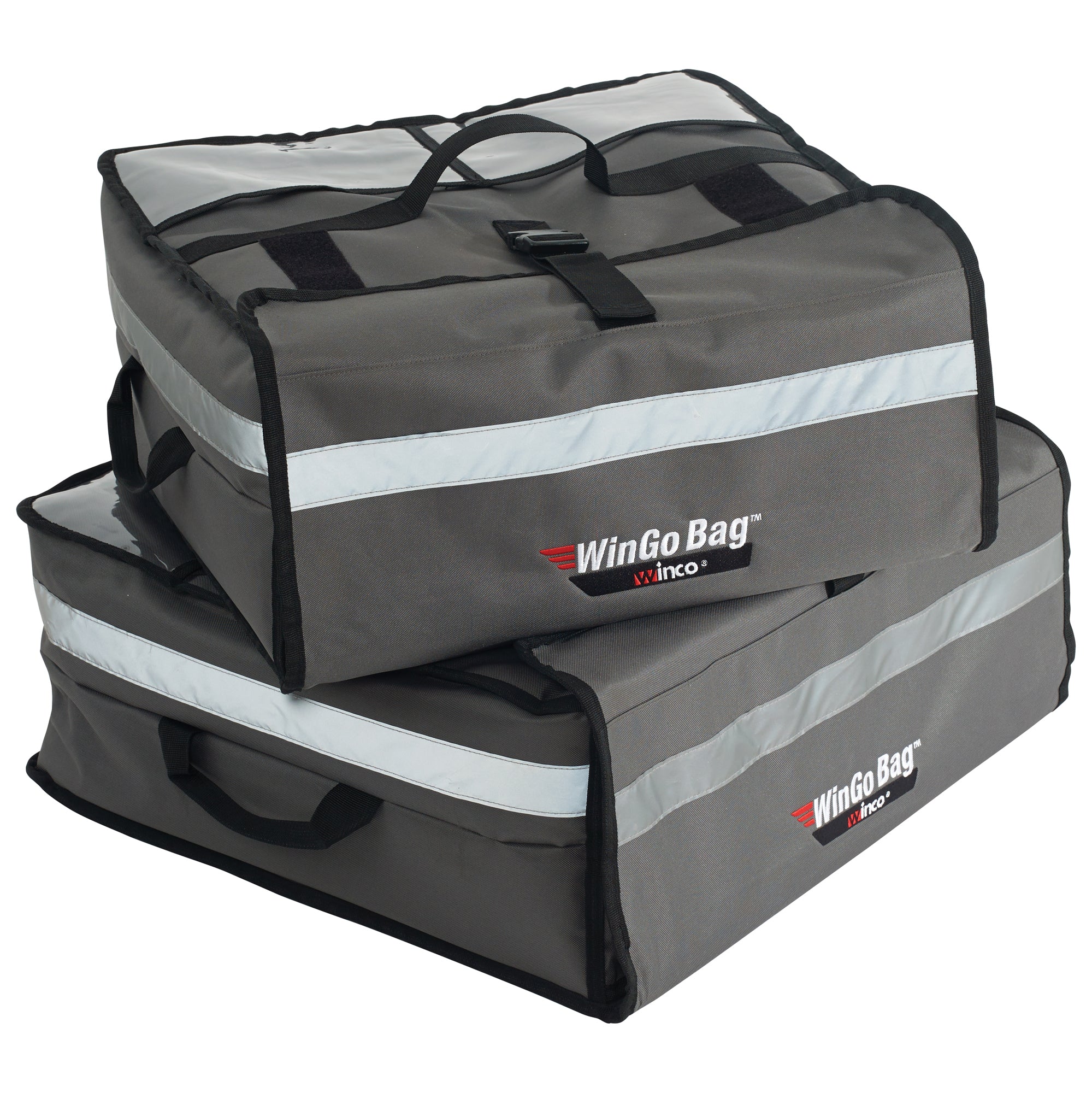
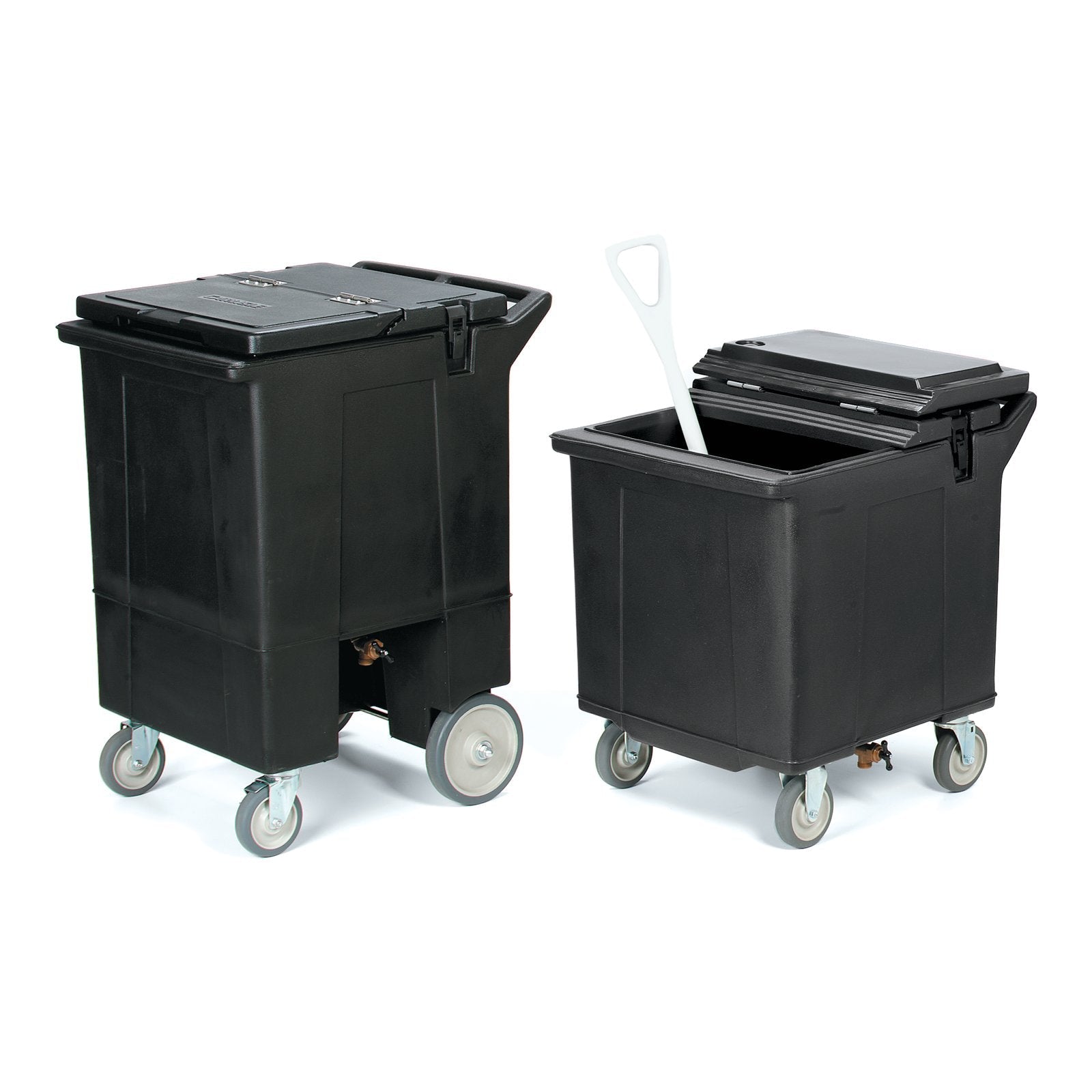
☐ Prepare suitable insulated carriers, secure food containers, lids and carts.
☐ Separate hot and cold loads and confirm temperature-control arrangements.
☐ Record dispatch, arrival and service temperature checks.
☐ Confirm travel time, parking, unloading access and storage.
☐ Verify venue power connections and equipment requirements.
☐ Assign responsibility for loading and collecting equipment.
Check carrier capacity using your actual pans and lids. Confirm that the complete load fits securely before event day.
5. Count Serving Supplies and Plan Warewashing
Base quantities on guest numbers, service style and opportunities to wash or replace used items.
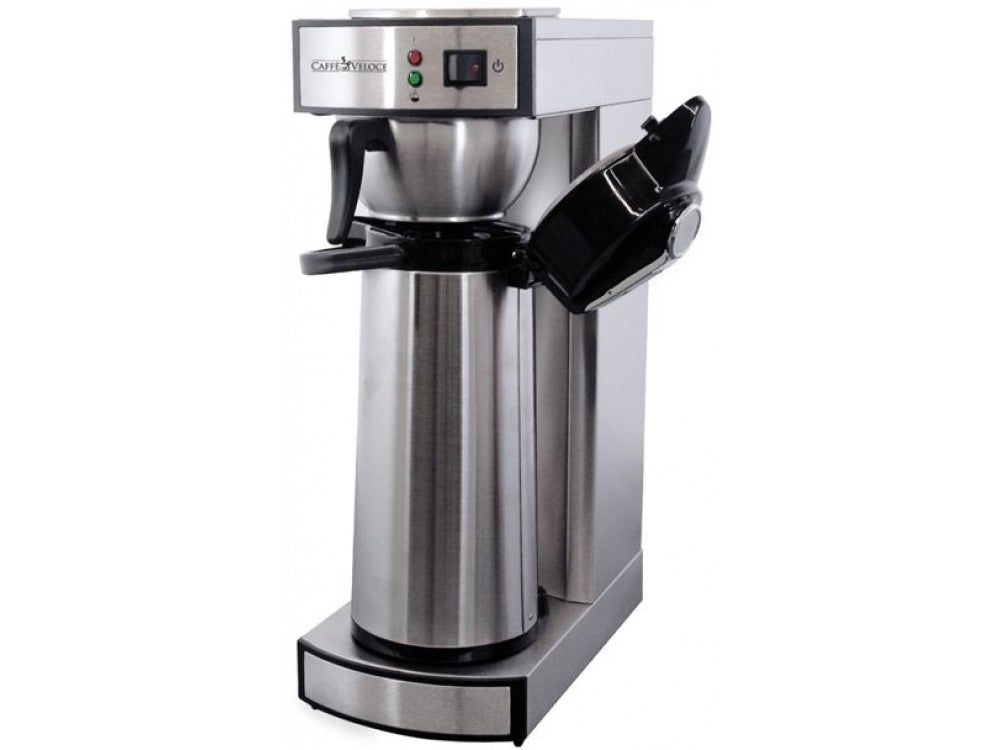
☐ Count serving utensils, trays, food pans and beverage-service supplies.
☐ Pack spare utensils, pans, lids and thermometers.
☐ Confirm cleaning supplies and the venue’s washing facilities.
☐ Plan separate handling for clean equipment and dirty returns.
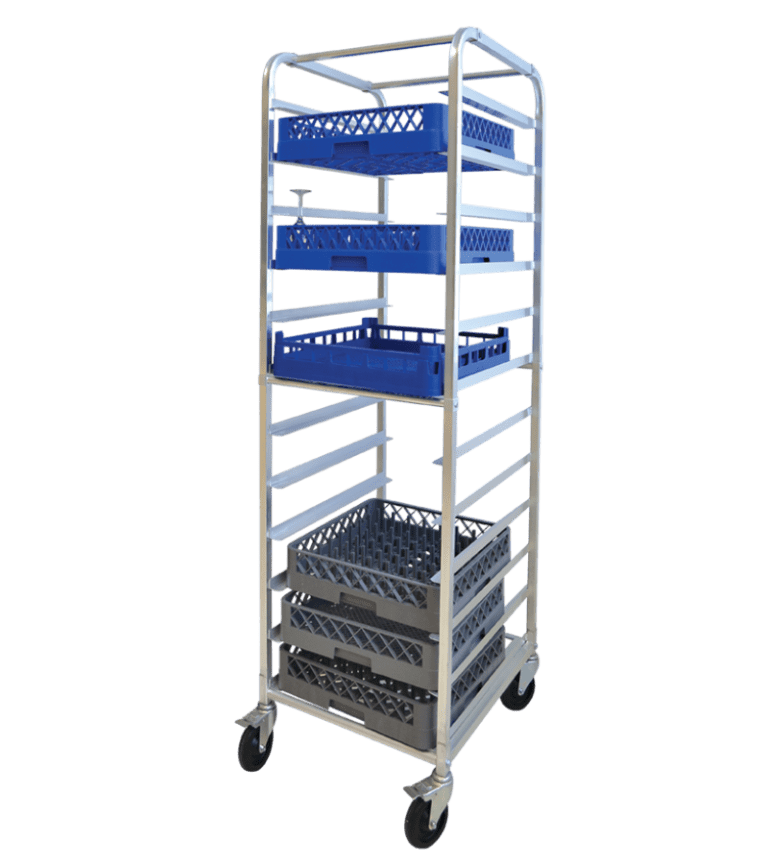
☐ Check rack, drying and storage capacity.
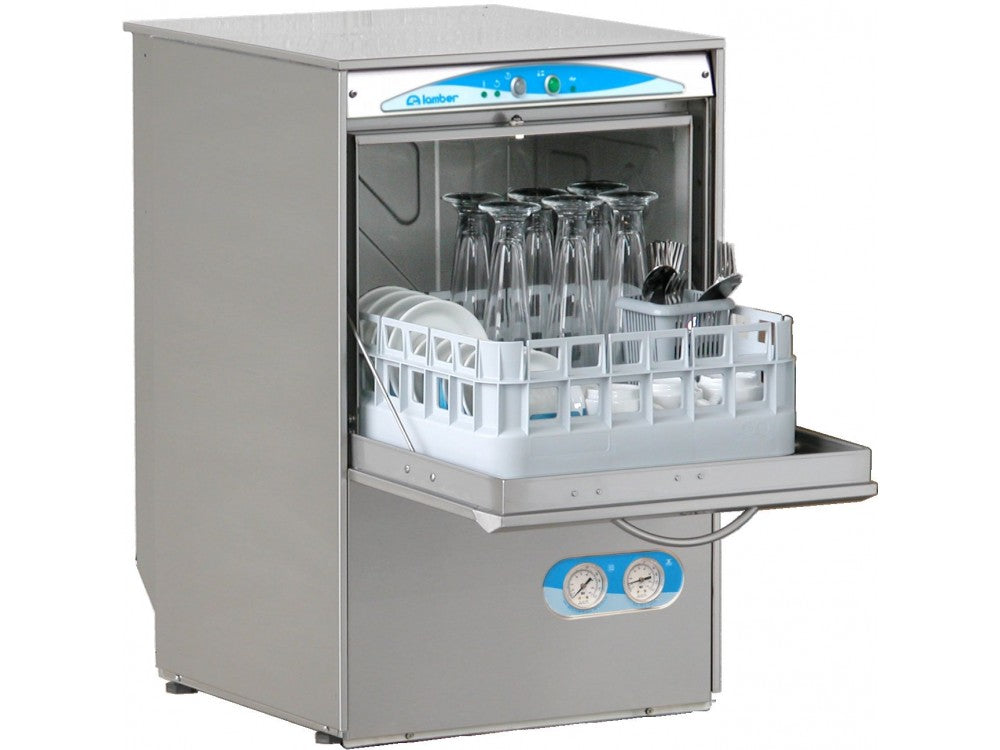
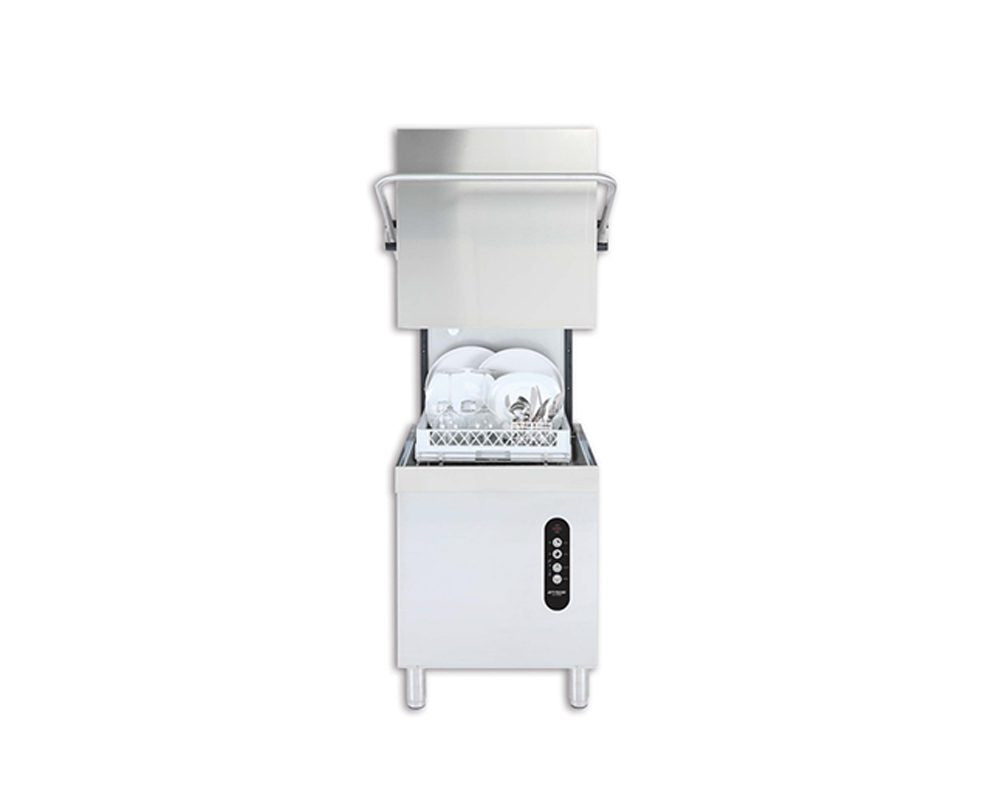
Review commercial dishwashers if washing capacity regularly delays production or service.
6. Complete a Final Equipment Check
☐ Inspect cords, plugs and controls; remove damaged equipment from use.
☐ Confirm electrical approval and installation suitability.
☐ Record service contacts and replacement or rental arrangements.
☐ Assign an owner and completion deadline to every unresolved item.
For B.C. operations, consult Technical Safety BC’s electrical approval guidance.
Prepare Your Kitchen for Holiday Service
Review this checklist before each major booking. Record shortages early so your team has time to source equipment, adjust production or arrange backup support.
Browse Kitchen Equipment for Holiday Service
Need help comparing equipment? Contact Brittania Food Equipment with your guest count, menu, service duration, venue details and available utilities to request suitable options and a quote.