


















Not sure how to choose the right commercial refrigerator for your restaurant? Start by evaluating storage capacity, kitchen layout, menu requirements, operating temperatures and daily workflow.
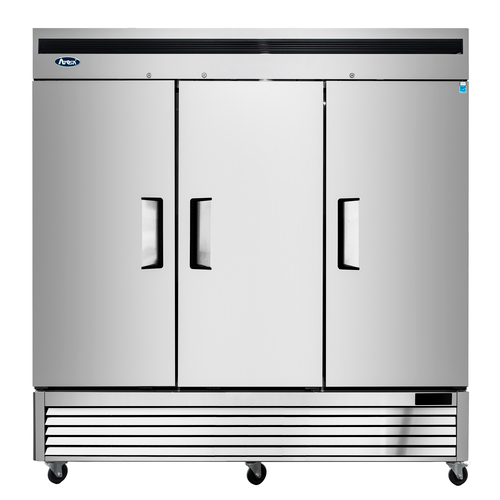
Reach-in refrigerators provide back-of-house storage, undercounter units save space, and prep refrigerators keep ingredients accessible during service.
This commercial refrigerator buying guide explains six factors Canadian foodservice operators should consider before purchasing refrigeration equipment.
1. Compare Types of Commercial Refrigerators
Different refrigerator configurations serve different kitchen operations.
|
Refrigerator Type |
Best For |
Key Advantage |
|
Reach-in |
Restaurants and institutions |
Higher storage capacity |
|
Undercounter |
Cafés, bars and compact kitchens |
Space-saving design |
|
Prep refrigerator |
Sandwich shops and pizzerias |
Convenient ingredient access |
|
Worktop refrigerator |
Busy prep stations |
Refrigerated storage and workspace |
|
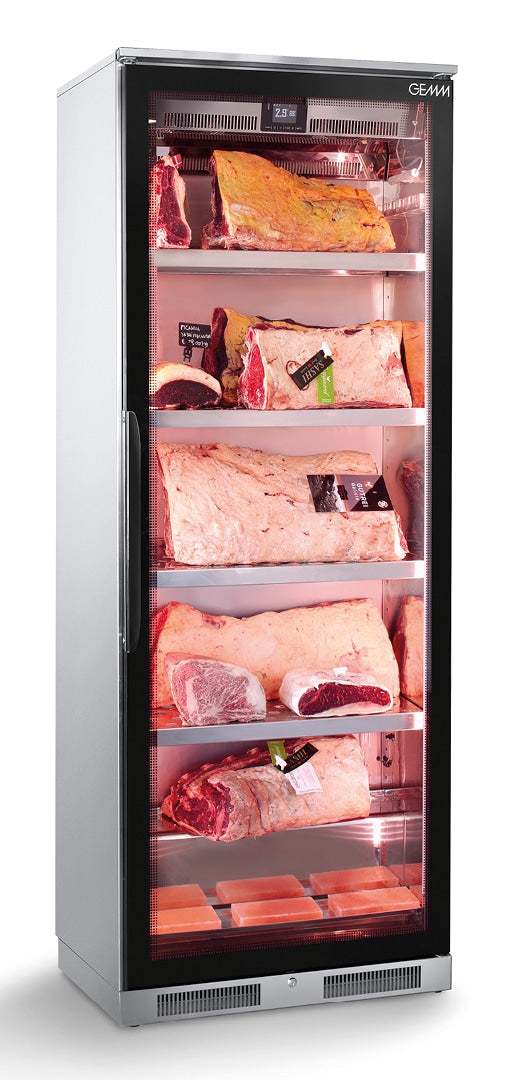
Glass-door merchandiser |
Retail and customer-facing areas |
Product visibility |
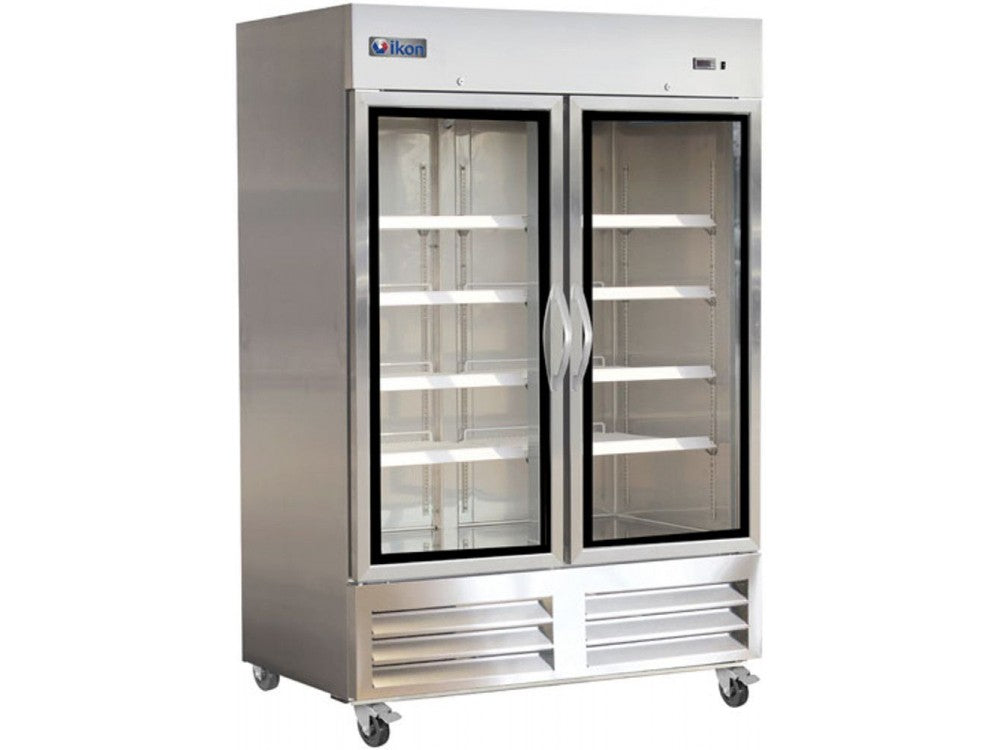
For general storage, explore commercial reach-in refrigerators. Sandwich shops and pizzerias can compare prep refrigeration designed for frequent ingredient access.
Commercial reach-in refrigerators
2. Choose the Right Storage Capacity
A commercial refrigerator should accommodate peak inventory without overcrowding.
- Maximum refrigerated inventory during busy periods.
- Food container dimensions and shelving requirements.
- Delivery frequency and inventory turnover.
- Space needed for proper internal airflow.
- Expected business growth.
Avoid choosing equipment based on cubic-foot capacity alone. Usable storage space and shelf configuration are equally important.
3. Measure Kitchen Space and Installation Requirements
Before ordering, measure the refrigerator’s installation area, including width, depth, height and delivery access.
Check door swing, ventilation clearances, nearby heat-producing equipment and service access.
Verify electrical voltage, power requirements and installation specifications. Equipment should have electrical approvals accepted by the applicable Canadian authority.
Proper installation helps maintain efficient operation and reliable cooling.
4. Compare Energy Efficiency and Operating Costs
Commercial refrigeration operates continuously, making energy consumption an important purchasing consideration.
Compare manufacturer energy data, insulation, door gaskets, compressor performance, warranty coverage and replacement-part availability.
Many commercial refrigerators and freezers are covered by Canada’s Energy Efficiency Regulations. However, coverage varies by equipment category, and some equipment, including refrigerated preparation tables, falls outside specific regulatory definitions.
Natural Resources Canada — commercial refrigeration regulations
5. Check Food-Safety Requirements and Construction
In British Columbia, potentially hazardous food held cold must generally remain at 4°C or colder, while frozen food must be maintained at −18°C or colder.
Under the B.C. Food Premises Regulation, refrigeration equipment must maintain required temperatures and have a thermometer accurate within 1°C.
Choose durable, easy-to-clean materials, adjustable shelving, reliable temperature controls and replaceable door gaskets. Confirm applicable electrical and sanitation requirements before installation.
6. Match Refrigeration to Your Kitchen Workflow
Consider how employees retrieve ingredients, prepare food and restock inventory.
High-volume restaurants may need multiple-door reach-ins, while cafés may benefit from undercounter units. Bakeries, caterers and institutions often require different storage configurations.
Choose equipment that supports your operation rather than simply purchasing the largest refrigerator available.
Frequently Asked Questions
What size commercial refrigerator do I need?
Estimate peak inventory, container sizes, delivery frequency and usable shelf space. Allow room for airflow and future growth.
Reach-in vs. undercounter refrigerator: which is better?
Reach-ins prioritize storage capacity, while undercounter refrigerators save space and improve workstation access.
Are glass-door refrigerators better than solid-door models?
Glass doors improve visibility. Solid doors may offer insulation advantages, depending on the model. Compare specifications and intended use.
Find Commercial Refrigeration in Canada
Choosing the right refrigerator can improve workflow, protect inventory and support reliable kitchen operations.
Brittania Food Equipment supplies commercial refrigeration for restaurants, cafés, bakeries and institutional kitchens throughout Surrey, Vancouver, British Columbia and Canada.