












Choosing a commercial freezer is an important decision for any food-service operation. The right unit helps protect food quality, supports smoother kitchen workflow and gives your team enough frozen storage without wasting valuable floor space. To choose the right commercial freezer, restaurant owners should consider storage volume, access frequency, available space, energy use and installation requirements.
For restaurants, cafés, bakeries, food trucks, caterers and institutions shopping for kitchen equipment in Canada, here are the main factors to compare.

Recommended visual: commercial freezer type comparison and buying guide
1. Start With the Right Freezer Type
Reach-In Freezers
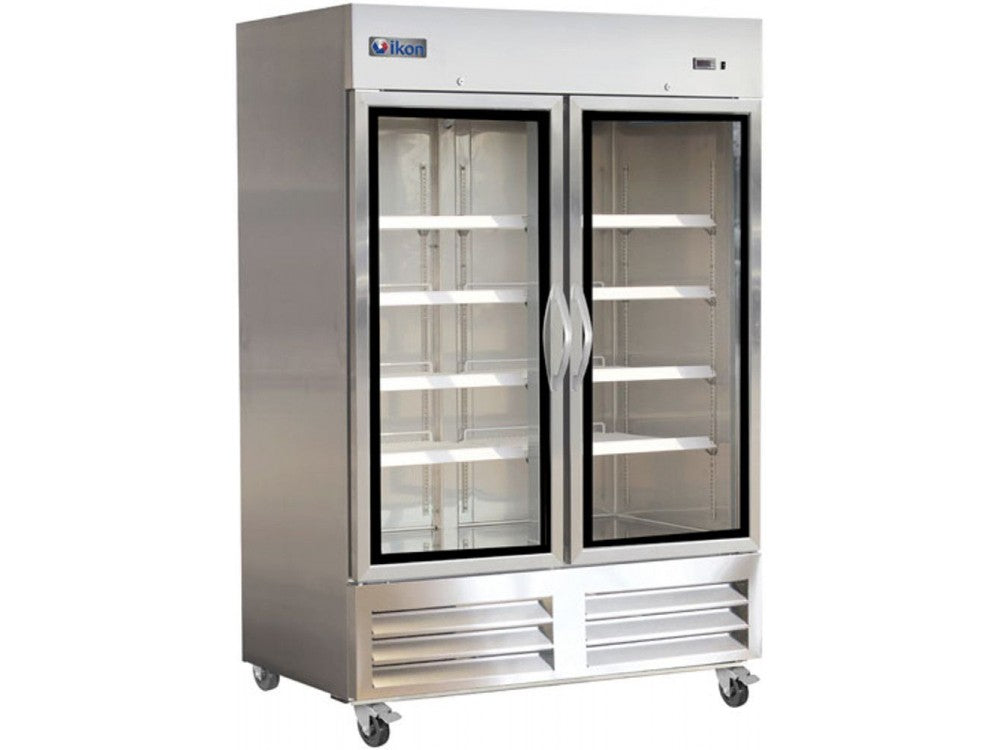
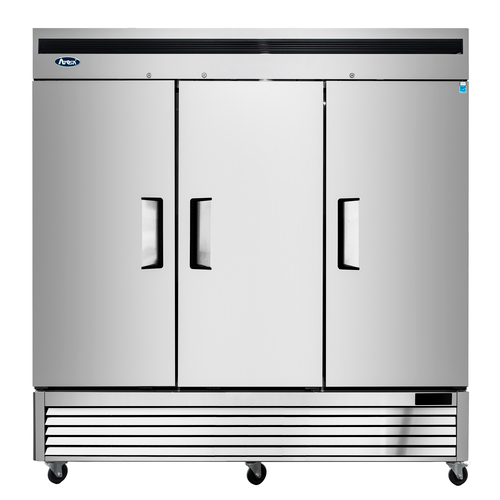
Reach-in refrigerators and freezers are ideal for kitchens that need frequent access to frozen ingredients. Upright designs use vertical space efficiently and offer organized shelving. They work especially well in restaurants, bakeries, catering kitchens and institutions where frozen inventory needs to remain close to production areas.
Undercounter Freezers
Undercounter units fit beneath work surfaces and keep frozen ingredients close to prep or cooking stations. They are useful for compact kitchens, cafés, bars and food trucks. Their smaller capacity makes them better for point-of-use storage than large bulk inventory. Explore Brittania’s broader refrigeration and ice selection when comparing compact configurations.
Chest Freezers
Chest freezers offer practical bulk storage for packaged ingredients, dough, meat or seasonal inventory. They can be useful for bakeries, caterers and operations that do not need constant access throughout service. Because products are stacked from the top, baskets and clear inventory organization are important.
Merchandising Freezers
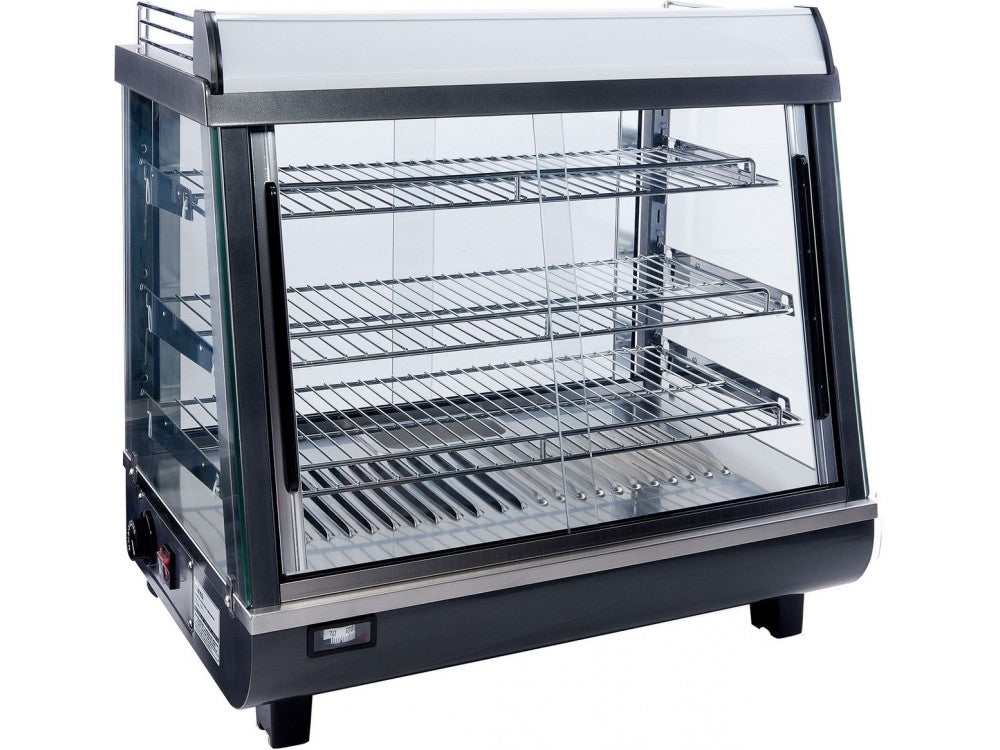
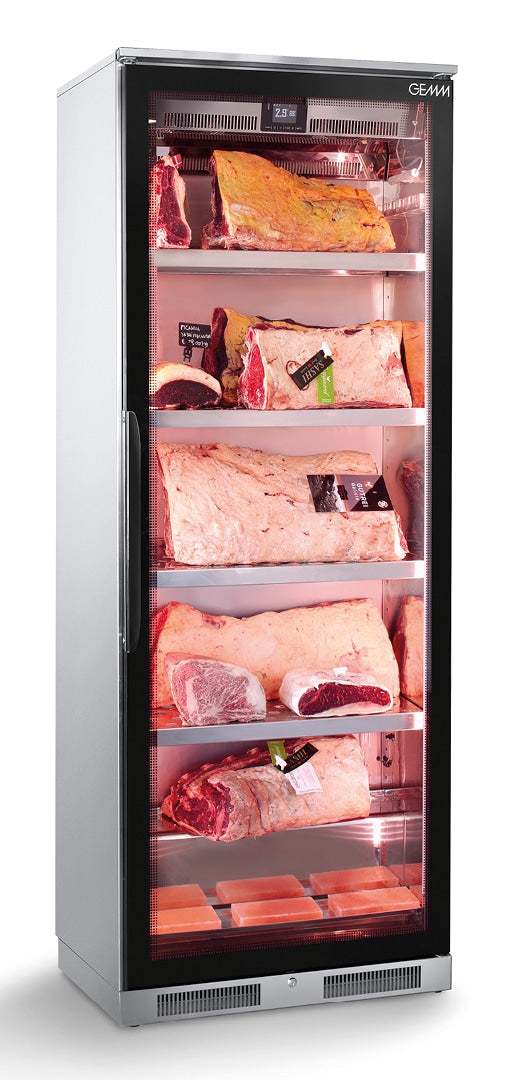
For customer-facing frozen products, merchandising and display refrigeration can provide storage while keeping products visible. Glass-door merchandising freezers are useful for cafés, grab-and-go counters and institutional retail areas.
Walk-In Freezers
Walk-in systems suit high-volume restaurants, commissaries and institutions carrying substantial frozen inventory. They require more planning for refrigeration systems, insulation, utilities, installation and available building space.
2. Choose Capacity Based on Peak Inventory
Do not size a freezer only for an average week. Consider your busiest service periods, delivery schedule, seasonal menu changes and bulk purchasing. An overcrowded freezer can make inventory harder to organize and interfere with airflow. At the same time, purchasing far more capacity than needed takes up valuable space and may increase operating costs. Allow enough room for organized shelving and proper stock rotation.
3. Check Food-Safety Performance
For food premises in British Columbia, frozen food must be stored, displayed or transported at -18°C or colder. Refrigeration equipment must be adequate for the needs of the operation and capable of maintaining the required temperature. The equipment must also have a thermometer accurate within 1°C. Operators elsewhere in Canada should verify their provincial and local health requirements before purchasing or installing equipment.
4. Compare Energy Efficiency
Commercial freezers can operate continuously, making energy use an important long-term cost. Certain commercial freezers sold or imported in Canada are regulated under federal Energy Efficiency Regulations. When comparing models, review energy-consumption information, door design, insulation, compressor configuration and expected operating hours. For walk-in systems, regulated efficiency requirements may also apply to specific components.
5. Measure the Space and Delivery Route
Before ordering, measure more than the final installation area. Confirm doorway widths, hallways, elevators, corners and loading access. Check the manufacturer’s required ventilation clearance and verify the electrical service needed for the unit. A freezer that fits the kitchen but cannot fit through the delivery path can create unnecessary delays and costs.
6. Match the Freezer to Your Workflow
A restaurant may benefit from a reach-in freezer near the cooking line, while a bakery may prefer chest storage for bulk ingredients. A food truck may need compact undercounter refrigeration, while an institution may require a larger walk-in system. The best solution is the one that supports how your team actually works.
For operators in Surrey, Vancouver, the Lower Mainland, B.C. Interior, the Islands and across Canada, a knowledgeable restaurant supply store can help compare capacity, dimensions and installation needs.
Brittania Food Equipment supplies professional refrigeration and other commercial food-service equipment for Canadian businesses.
|
Browse commercial refrigeration |