


















Learn how to clean and sanitize a sandwich prep table safely. Start by refrigerating ingredients, removing food pans, washing and rinsing surfaces, applying a suitable food-contact sanitizer, and allowing parts to air dry. A regular cleaning routine reduces contamination and allergen risks while helping your commercial prep refrigeration run reliably.
Cleaning Steps at a Glance
| Step | Task | Action |
| 1 | Protect food | Move ingredients to refrigeration and remove parts |
| 2 | Wash components | Remove debris; wash with detergent and rinse |
| 3 | Clean surfaces | Wash board, rail, lid, cabinet and handles |
| 4 | Detail clean | Inspect gaskets, drains and hinges |
| 5 | Sanitize | Use approved sanitizer as its label directs |
| 6 | Air dry and restart | Reassemble and verify safe temperature |
How to Clean a Commercial Sandwich Prep Table
1. Protect Food and Prepare the Unit
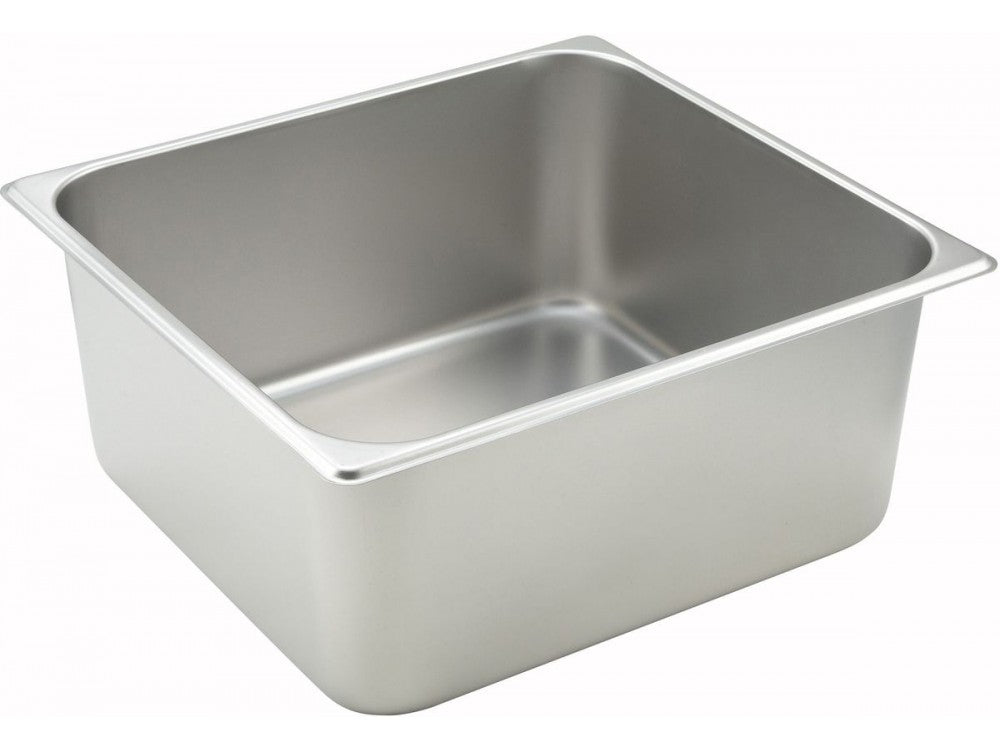
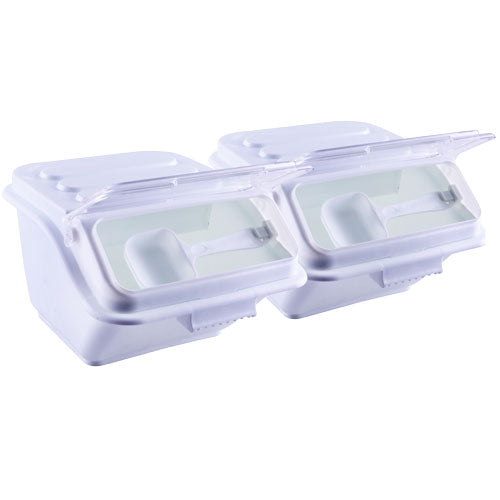
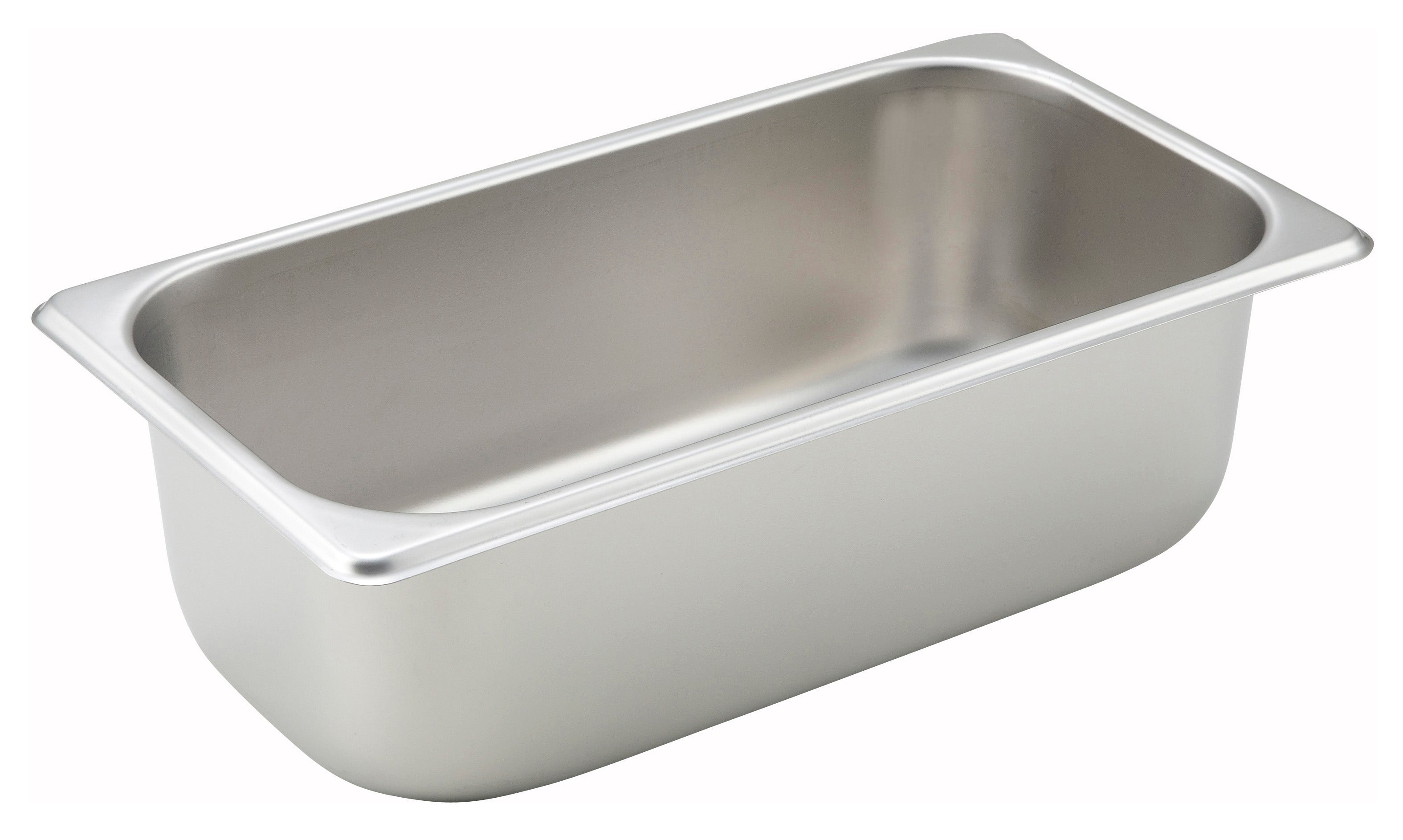
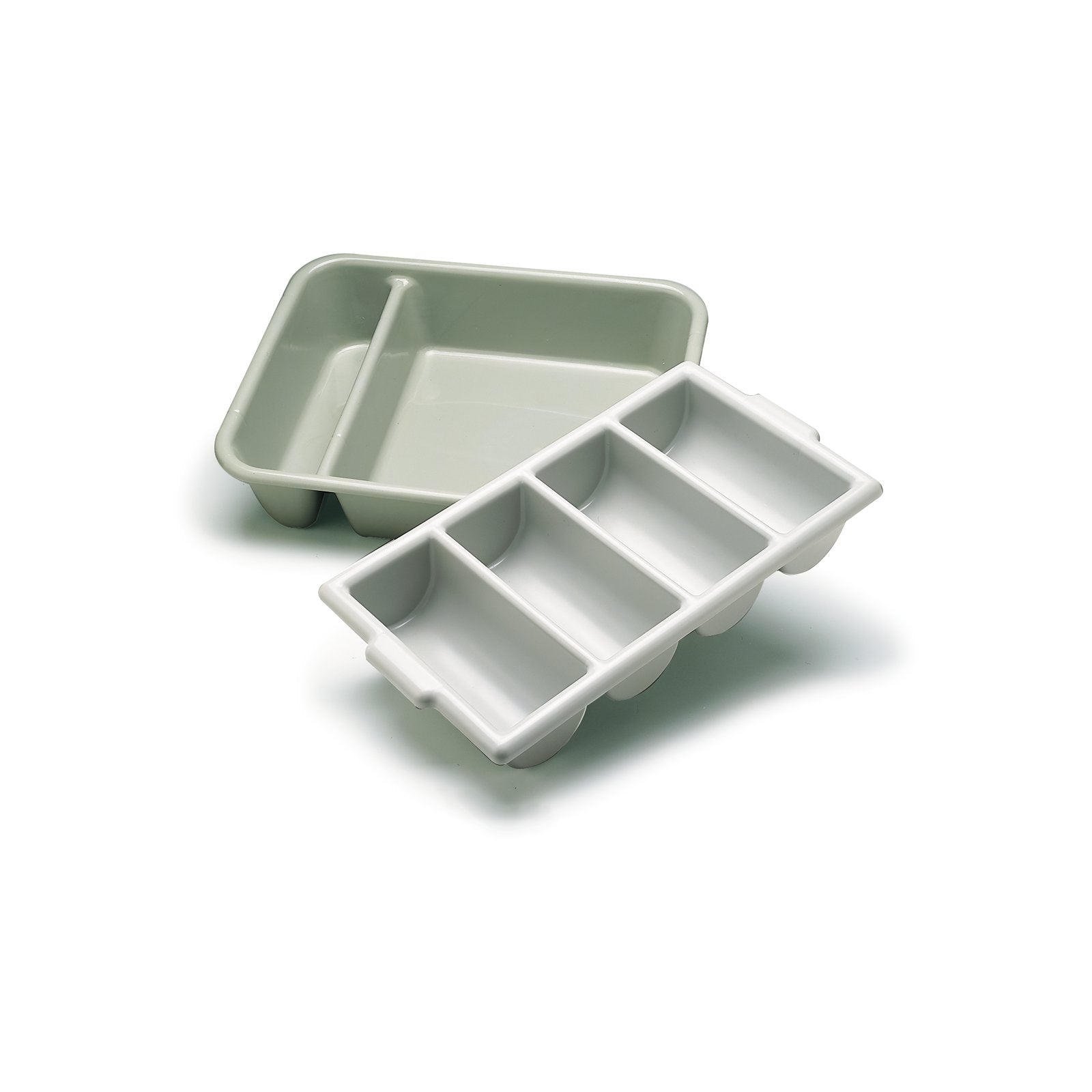
Transfer perishable ingredients to safe refrigeration. In B.C., potentially hazardous food generally must stay at 4°C or colder. Discard contaminated food. Remove pans, dividers, shelves and cutting boards. Disconnect power for deep cleaning if the manufacturer requires it.
2. Wash Removable Components
Remove crumbs and food residue. Wash suitable removable parts with warm water and detergent, then rinse with potable water. Cleaning must happen before sanitizing.
3. Clean the Board, Rail and Cabinet
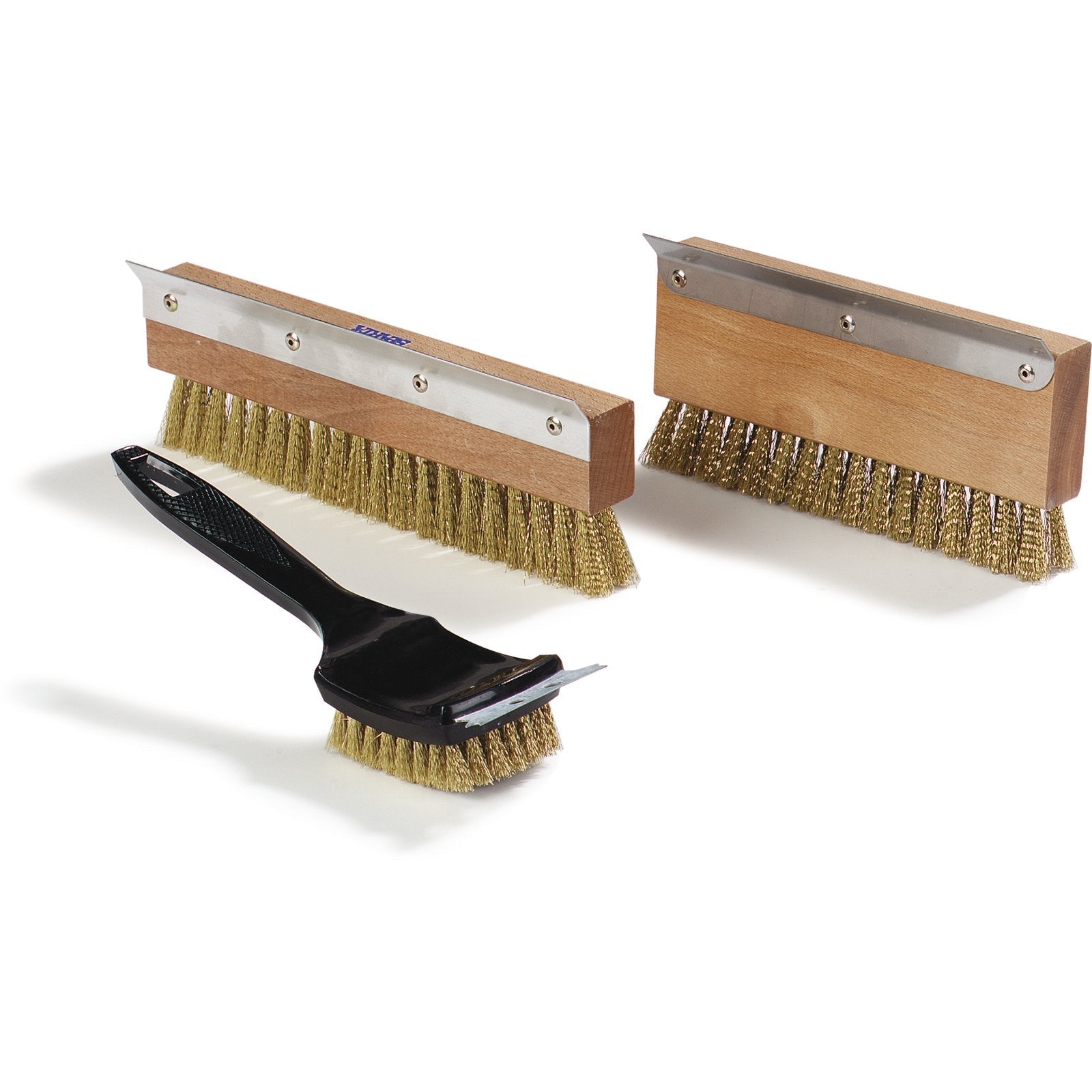
Use a soft cloth or non-abrasive brush on the cutting board, stainless surfaces, pan rail, lid, interior and handles. Focus on seams and corners. Keep water away from electrical controls and fans.
4. Clean Gaskets and Drains
Wipe gasket folds, hinges and accessible drains. Check for tears, residue and poor sealing. Follow the manufacturer’s instructions for removable drain components.
5. Sanitize Food-Contact Surfaces
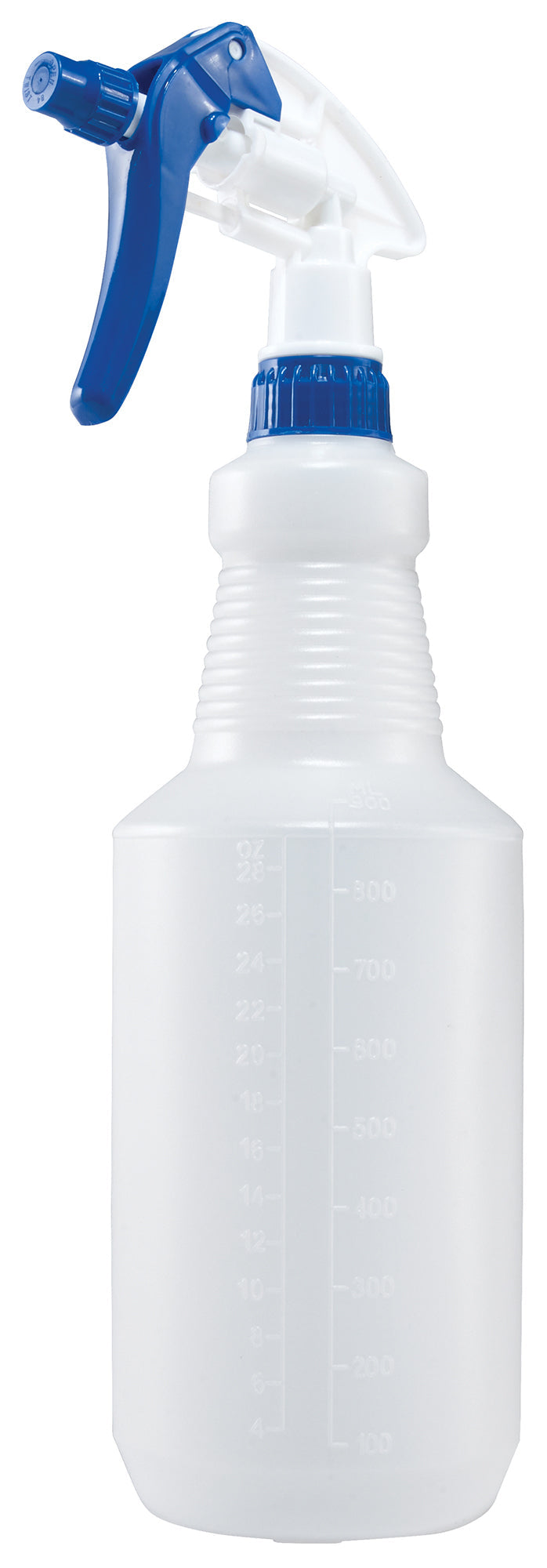
Apply a food-contact sanitizer after washing and rinsing. Follow the label for dilution, contact time, temperature and rinsing. Verify concentration with suitable test strips when required. Never mix chemicals.
6. Air Dry, Reassemble and Restart
Allow surfaces and components to air dry unless the sanitizer label instructs otherwise. Reassemble and restart the unit, then verify its holding temperature before restocking food.

How Often Should You Clean a Sandwich Prep Table?
Clean and sanitize food-contact areas whenever contamination occurs, between incompatible food-handling tasks, and as often as required by your written sanitation plan. Inspect gaskets, keep ventilation clear and maintain the condenser according to the equipment manual.
Frequently Asked Questions
Can I use bleach to sanitize a prep table?
Only use an appropriately approved food-contact sanitizer, including chlorine-based products when permitted. Follow label directions for dilution, contact time and rinsing.
Can prep table cutting boards go in a dishwasher?
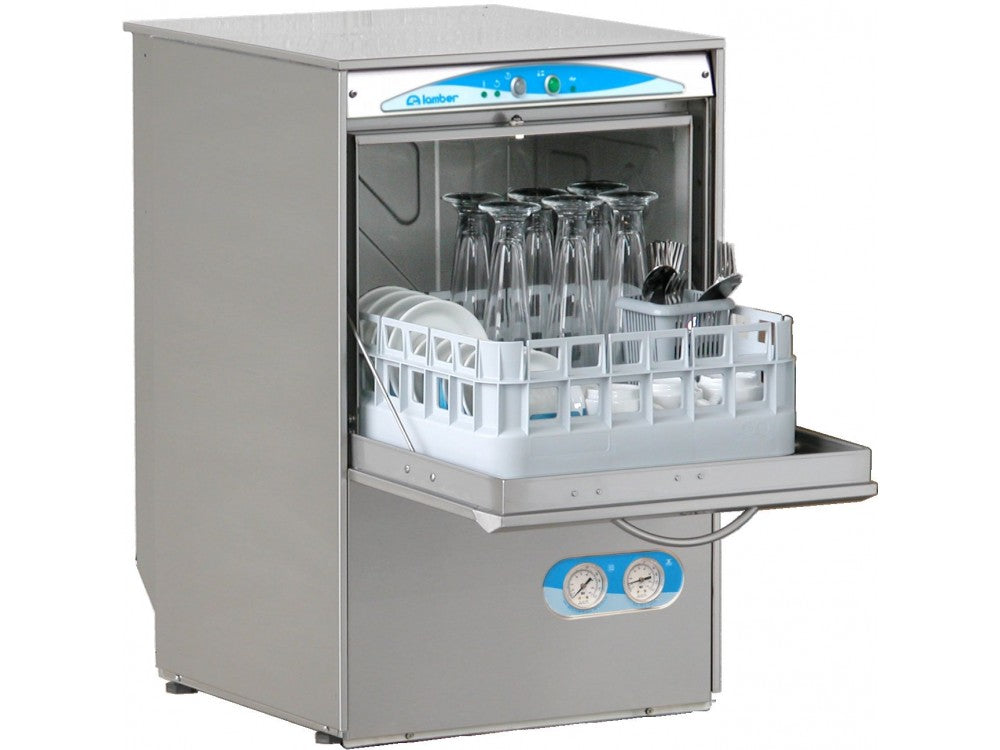
Some removable boards and pans are dishwasher-safe; check the manufacturer’s instructions before machine washing.
When should I replace the prep table?
Consider replacement if the unit repeatedly fails to hold temperature, has damaged food-contact surfaces, or no longer supports your kitchen workflow.
Find Sandwich Prep Tables in Canada
For restaurants, cafés and commercial kitchens across Canada, Brittania Food Equipment offers commercial prep refrigeration. Compare replacement options or read the Commercial Prep Table Buying Guide before upgrading.
Canadian Food-Safety References
B.C. Food Premises Regulation | CFIA Cleaning and Sanitation Program
Compliance note: Follow local health authority requirements, written sanitation procedures and equipment and chemical labels.