
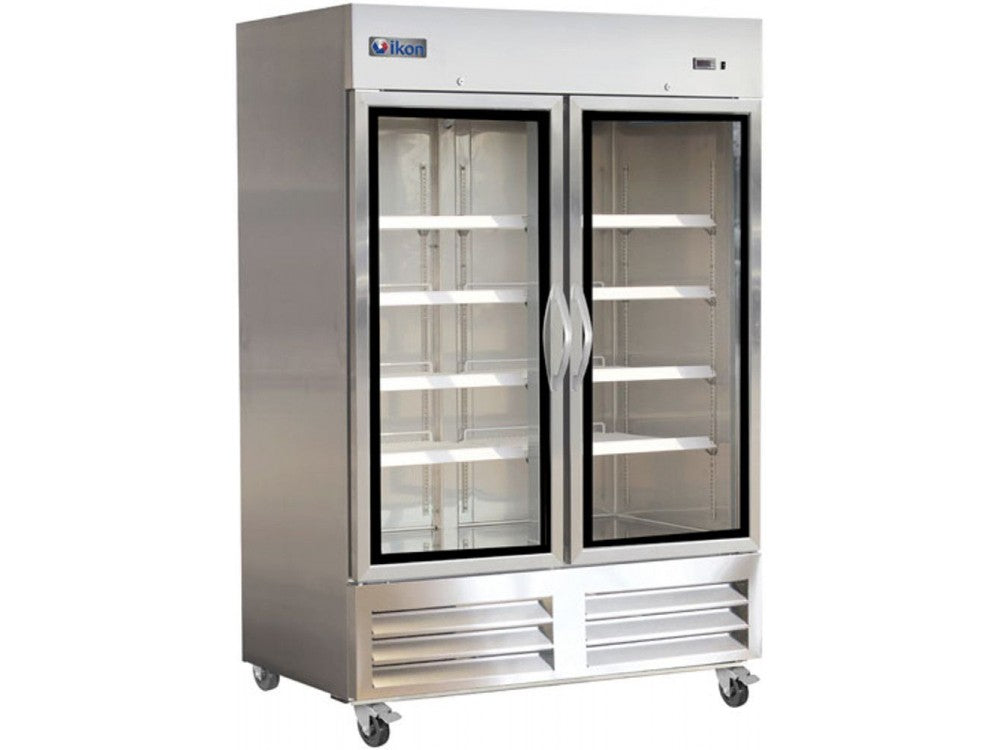
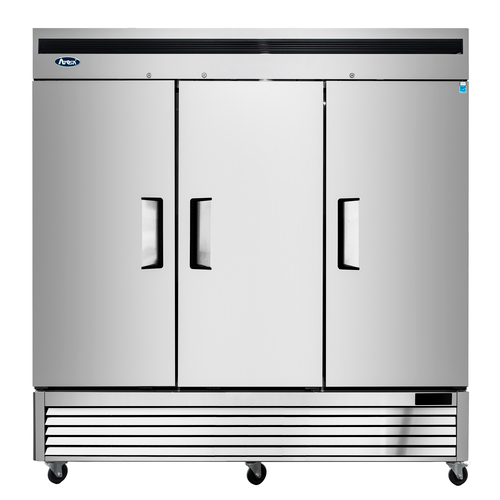


























A commercial refrigerator works hard every day, especially in busy restaurants, cafés, bakeries, food trucks, catering kitchens and institutions. Dust, flour, grease and debris can gradually collect on the condenser, restricting airflow and making reliable cooling more difficult. Manufacturer guidance warns that a dirty condenser can contribute to cabinet failure and service problems. Learning how to clean commercial refrigerator condenser coils is therefore an important part of maintaining commercial kitchen equipment in Canada.

Step-by-step visual: condenser coil cleaning and safety checks
What You’ll Need
Before starting, check the owner’s manual for your specific refrigerator. Condenser locations and access panels vary by model.
· Vacuum cleaner with a wand or brush attachment
· Soft or stiff non-metallic brush, as permitted by the manufacturer
· Flashlight
· Protective gloves
· Eye protection
Commercial refrigeration manuals commonly recommend vacuuming and brushing condenser debris while protecting the delicate coil fins.
Step 1: Shut Down and De-Energize the Refrigerator
Turn the refrigerator off and disconnect it from its power source before opening the condenser compartment.
Manufacturer instructions specifically warn of electrical-shock hazards and direct users to disconnect power before condenser cleaning. They also warn against cleaning the appliance with a hose or pressure washer.
For B.C. workplaces, cleaning is considered maintenance under WorkSafeBC guidance. Equipment undergoing maintenance must be appropriately de-energized and locked out according to the applicable workplace procedure.
If food will be out of refrigeration for an extended period, transfer it to another properly operating cold-holding unit.
Step 2: Locate the Condenser
The condenser is commonly located behind a front, rear or lower ventilation panel, depending on the refrigerator design.
Remove only the access panel identified in the manufacturer’s manual. Do not dismantle sealed refrigeration components or refrigerant lines.
If you cannot safely access the condenser, arrange service from a qualified refrigeration technician.
Step 3: Vacuum Loose Dust and Debris
Use a vacuum attachment to remove loose dust, lint and debris from the condenser surface and surrounding compartment.
Work carefully around wiring, fan blades and coil fins. Avoid forcing the vacuum attachment against the condenser.
Commercial refrigeration manufacturers recommend vacuuming debris from the condenser and the surrounding condensing-unit area.
Step 4: Brush the Coil Carefully
Use an appropriate non-metallic brush to loosen material that the vacuum cannot remove.
Brush in the direction recommended by the manufacturer rather than across delicate fins. Do not bend, crush or scrape the fins. Coil fins can also be sharp, so gloves and eye protection are sensible precautions.
Greasy or heavily blocked condensers may require professional cleaning rather than aggressive DIY scrubbing.
Step 5: Check That Airflow Is Clear
Use a flashlight to inspect the coil. Some manufacturer guidance suggests checking that light can pass through the condenser after surface dirt has been removed.
Vacuum remaining debris around the condenser compartment and verify that ventilation openings are unobstructed.
Then reinstall the grille or access panel securely.
Step 6: Restart and Monitor the Refrigerator
Restore power and allow the refrigerator to return to its normal operating temperature. Monitor its thermometer before relying on it for food storage.
In British Columbia, potentially hazardous food held cold must generally be maintained at 4°C or colder. Refrigeration equipment must be capable of maintaining required temperatures and must have a thermometer accurate within 1°C.
B.C. food premises must also keep equipment in good working order and maintain equipment in a sanitary condition.
How Often Should Condenser Coils Be Cleaned?
There is no single interval that applies to every refrigerator. Follow the maintenance schedule in your model’s manual and inspect more frequently in kitchens with flour, grease, dust or heavy airborne debris.
For example, some commercial refrigeration manuals specify condenser cleaning every 30 days or monthly, while also allowing cleaning more often when conditions require it.
Adding condenser inspection to your regular maintenance log can help prevent it from being overlooked.
|
Safety reminder: Follow the refrigerator manufacturer’s cleaning instructions. Do not use high-pressure water around electrical or refrigeration components, and use qualified service when the condenser or sealed system cannot be safely accessed. |
Keep Your Refrigeration Ready for Service
Whether you operate in Surrey, Vancouver, the Lower Mainland, B.C. Interior, the Islands or elsewhere in Canada, preventive refrigeration maintenance supports safer, more dependable kitchen operations.
If an aging unit can no longer maintain temperature or repairs are becoming frequent, compare reach-in refrigeration and freezers, prep refrigeration, and other refrigeration and ice equipment.
Brittania Food Equipment is a Canadian restaurant supply store supplying refrigeration and other kitchen equipment in Canada for professional food-service operations.
Keep your kitchen equipped for reliable cold storage, efficient workflow and everyday service.