







































Build the Budget Around the Operation
Learning how to plan a commercial kitchen equipment budget is one of the most important steps in opening, renovating or expanding a food-service operation. A realistic plan helps protect cash flow, prevents installation surprises and makes it easier to prioritize equipment that supports your menu. This applies whether you are opening a restaurant in Vancouver, a bakery in Surrey, a café on Vancouver Island, a food truck in the Interior or an institutional kitchen elsewhere in Canada.

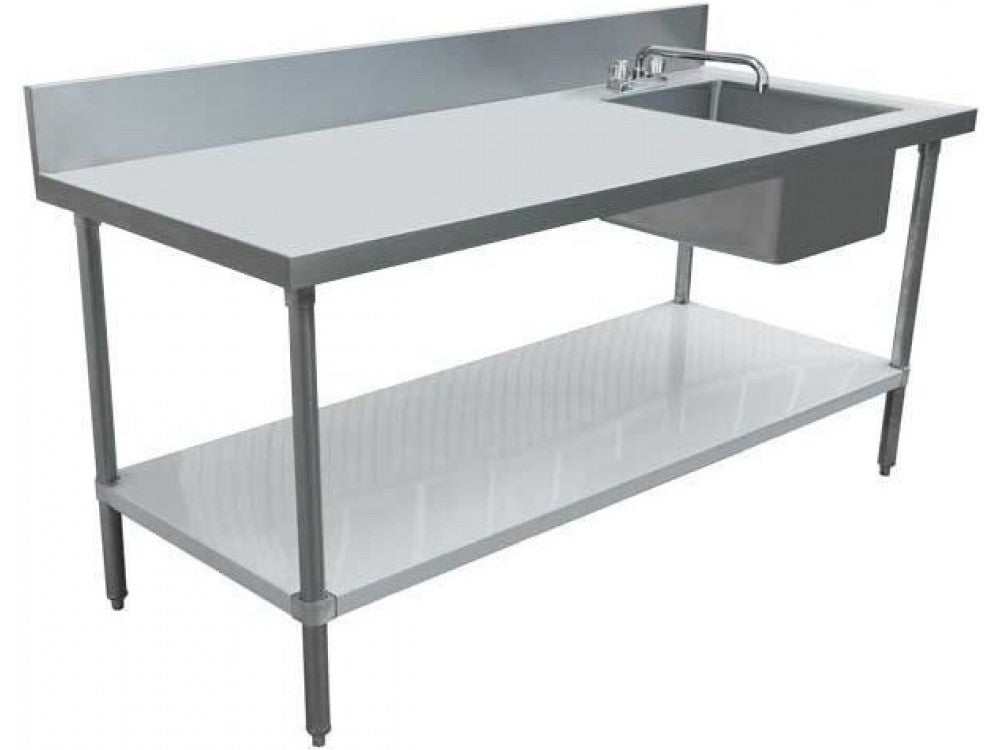
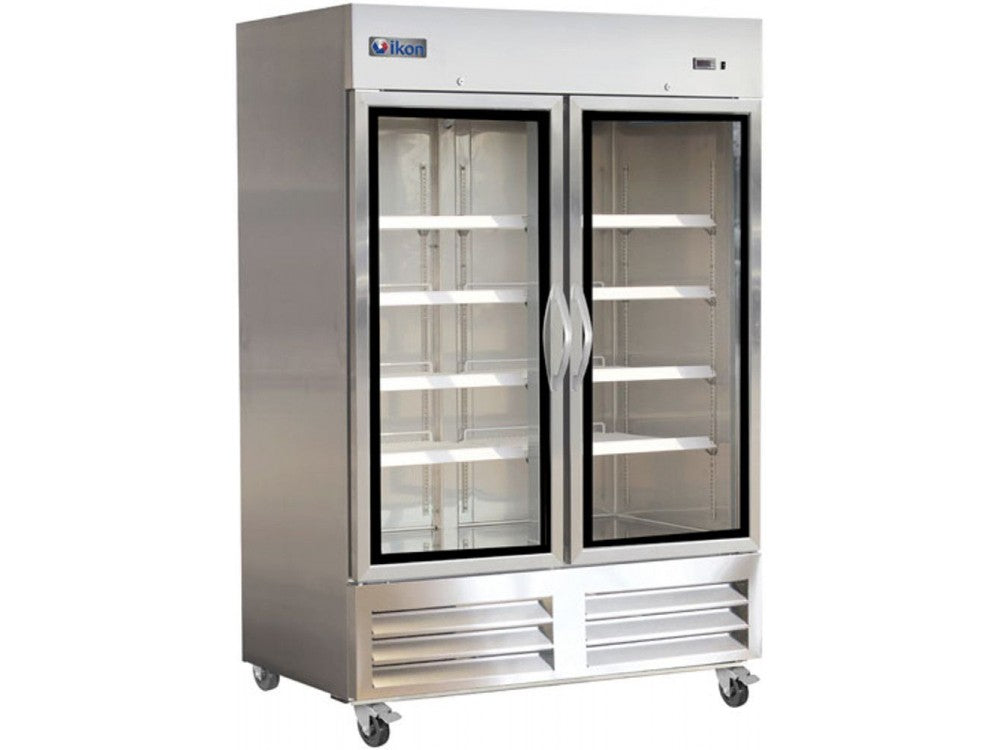
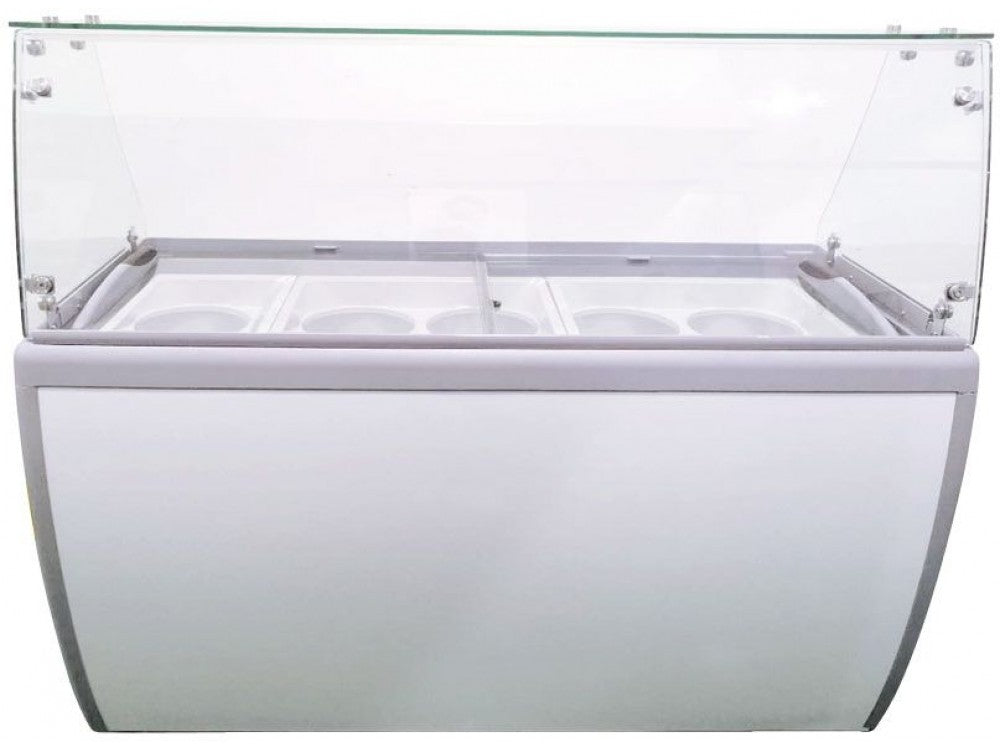
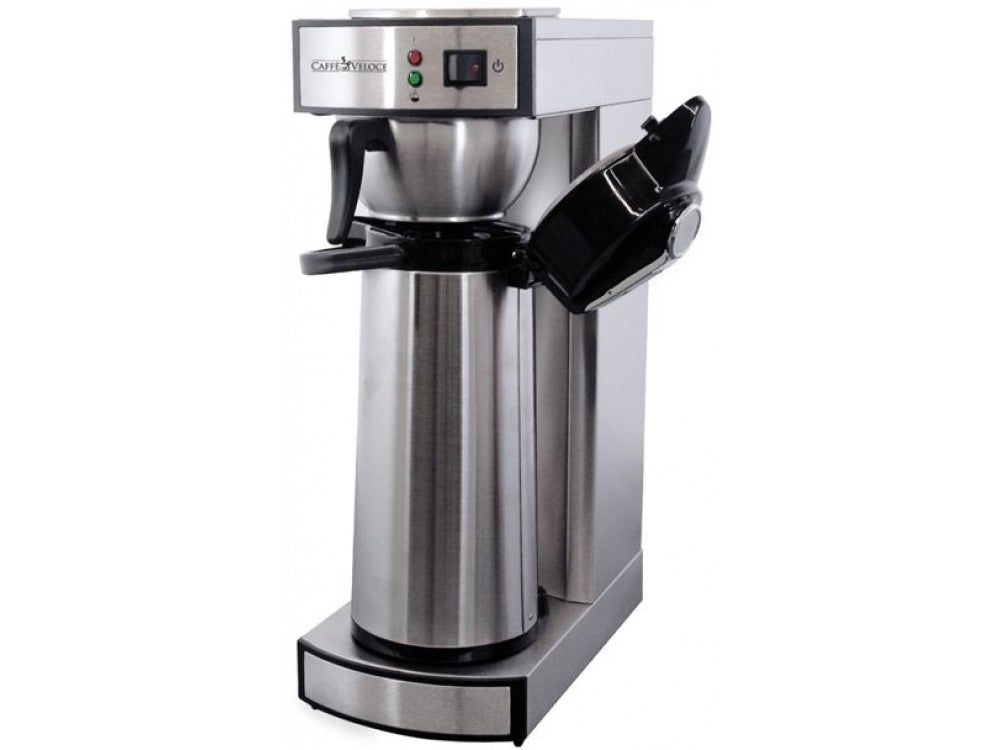
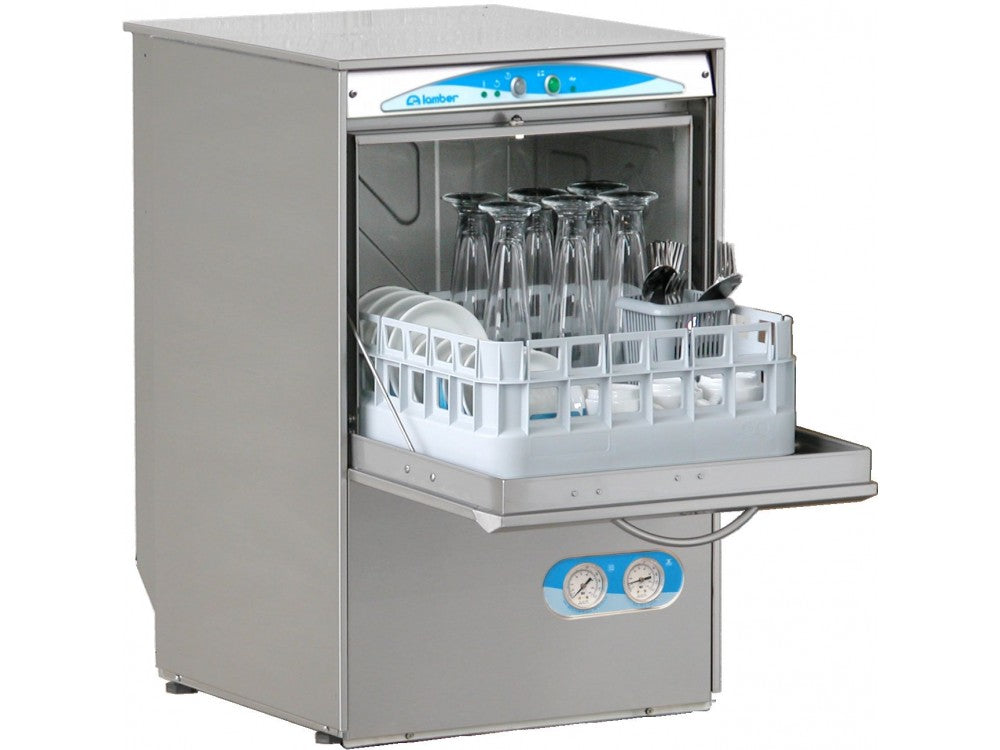
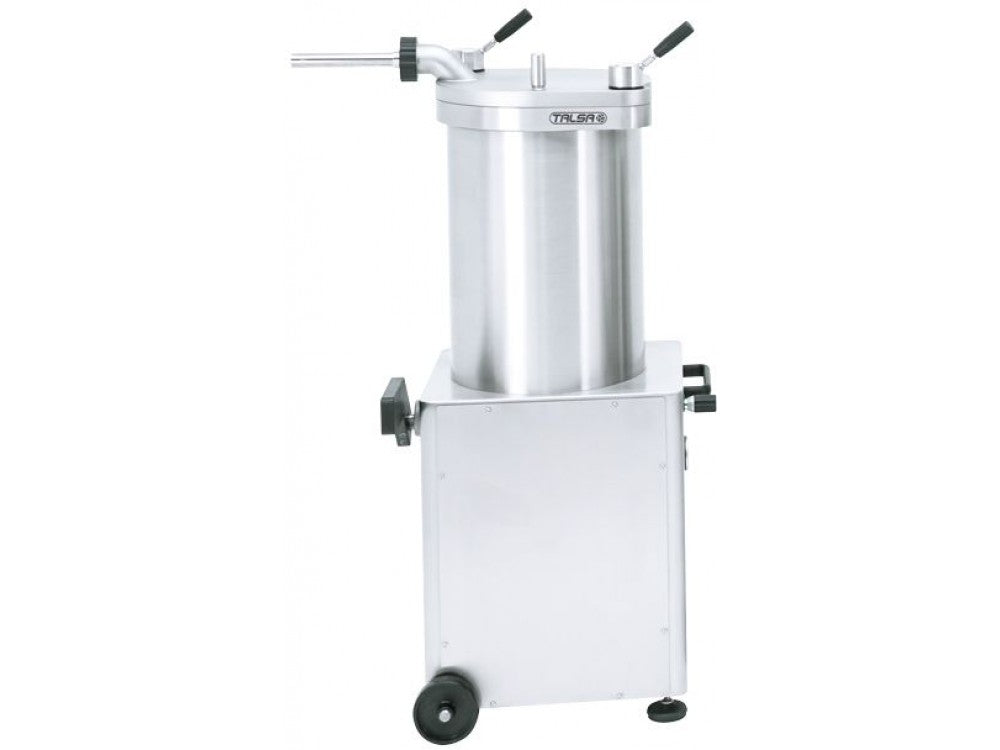
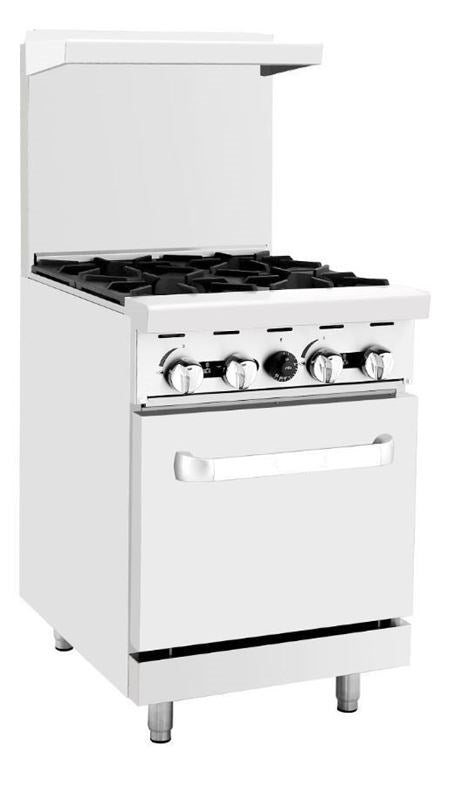
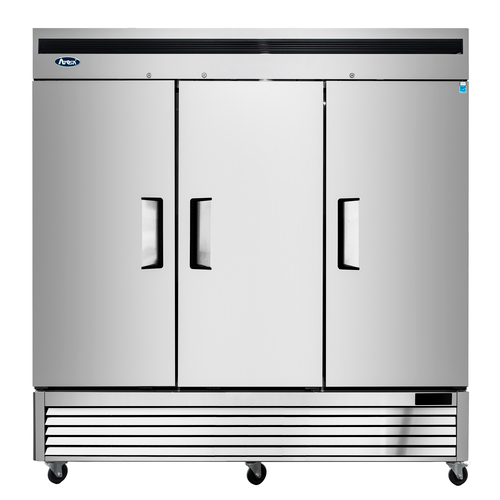
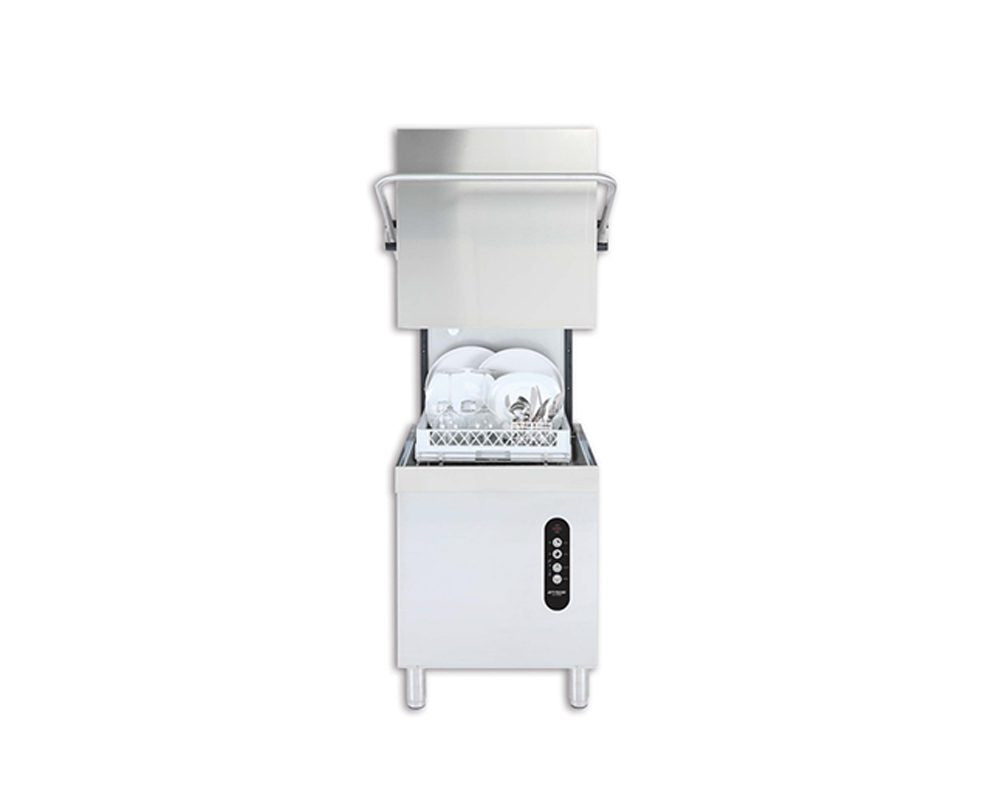
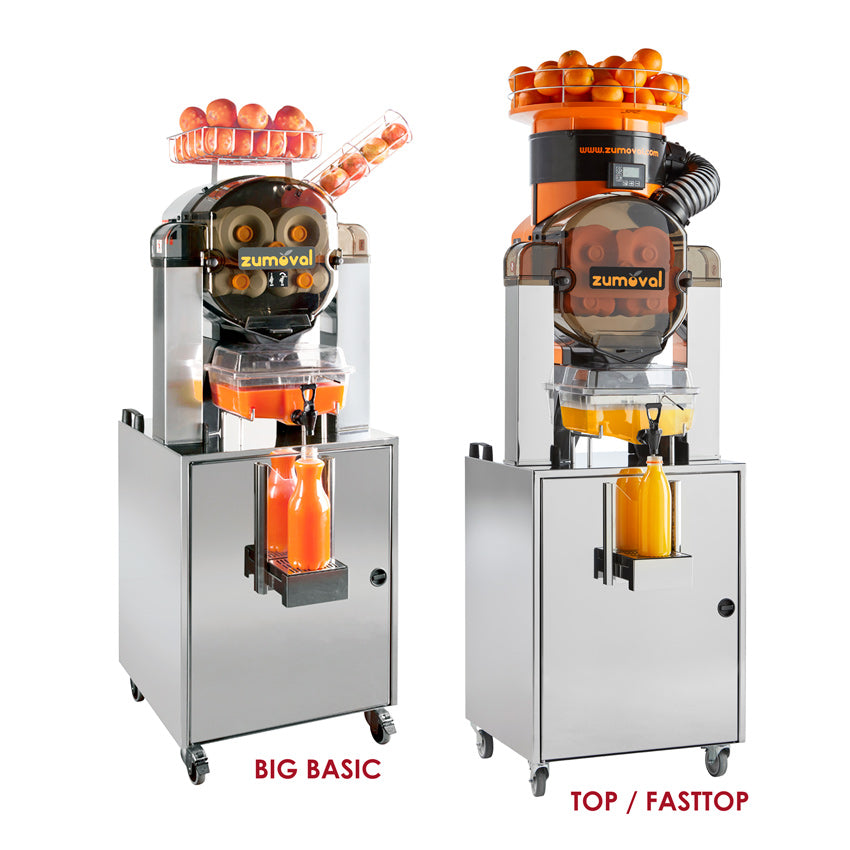
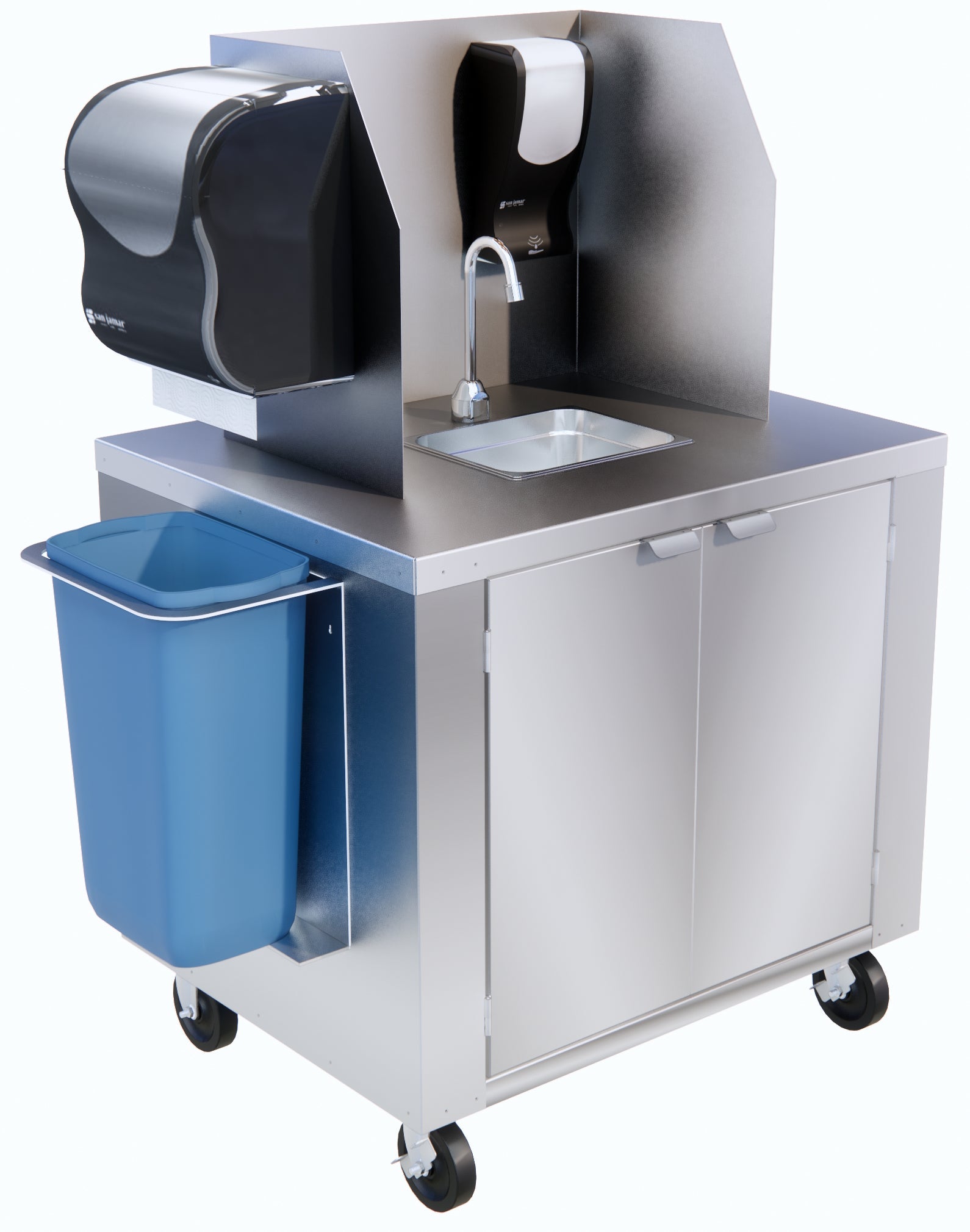
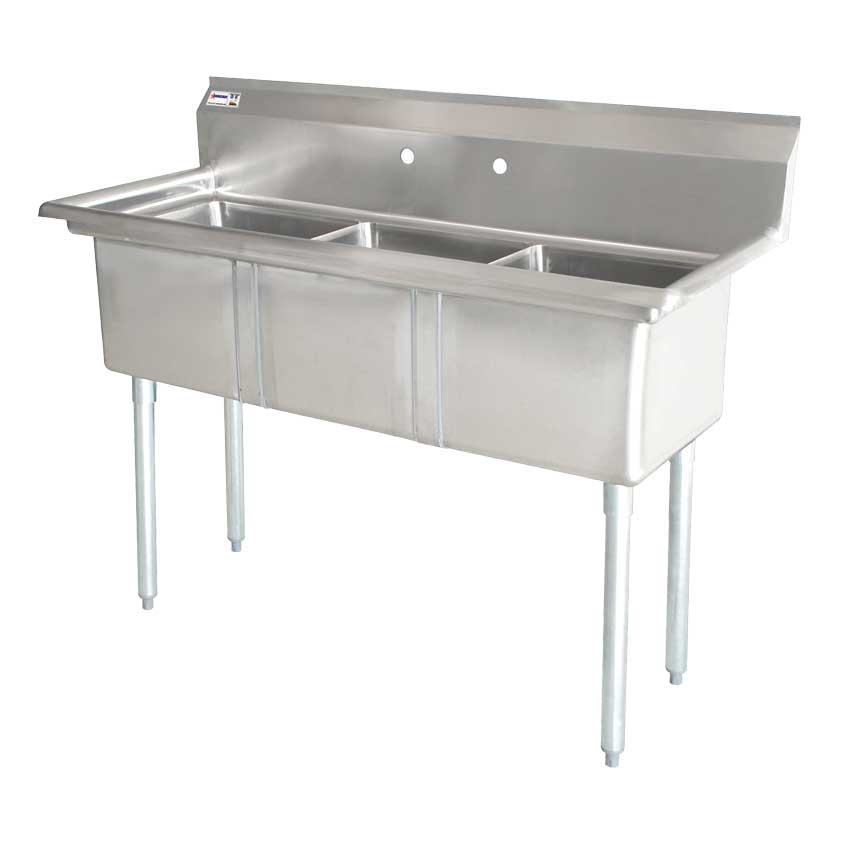
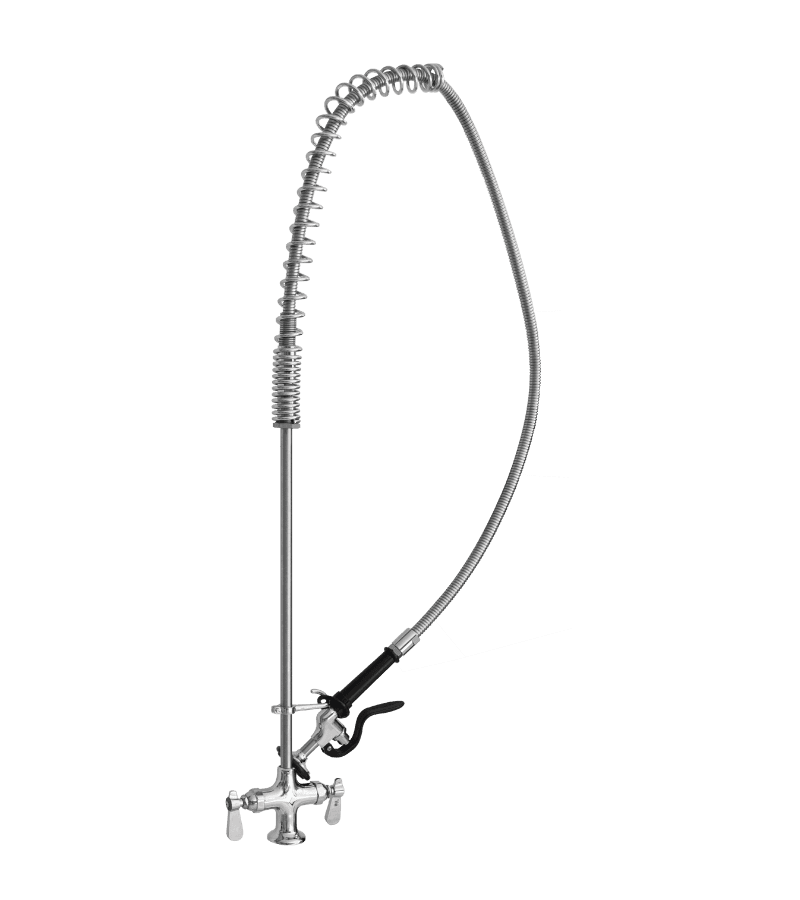
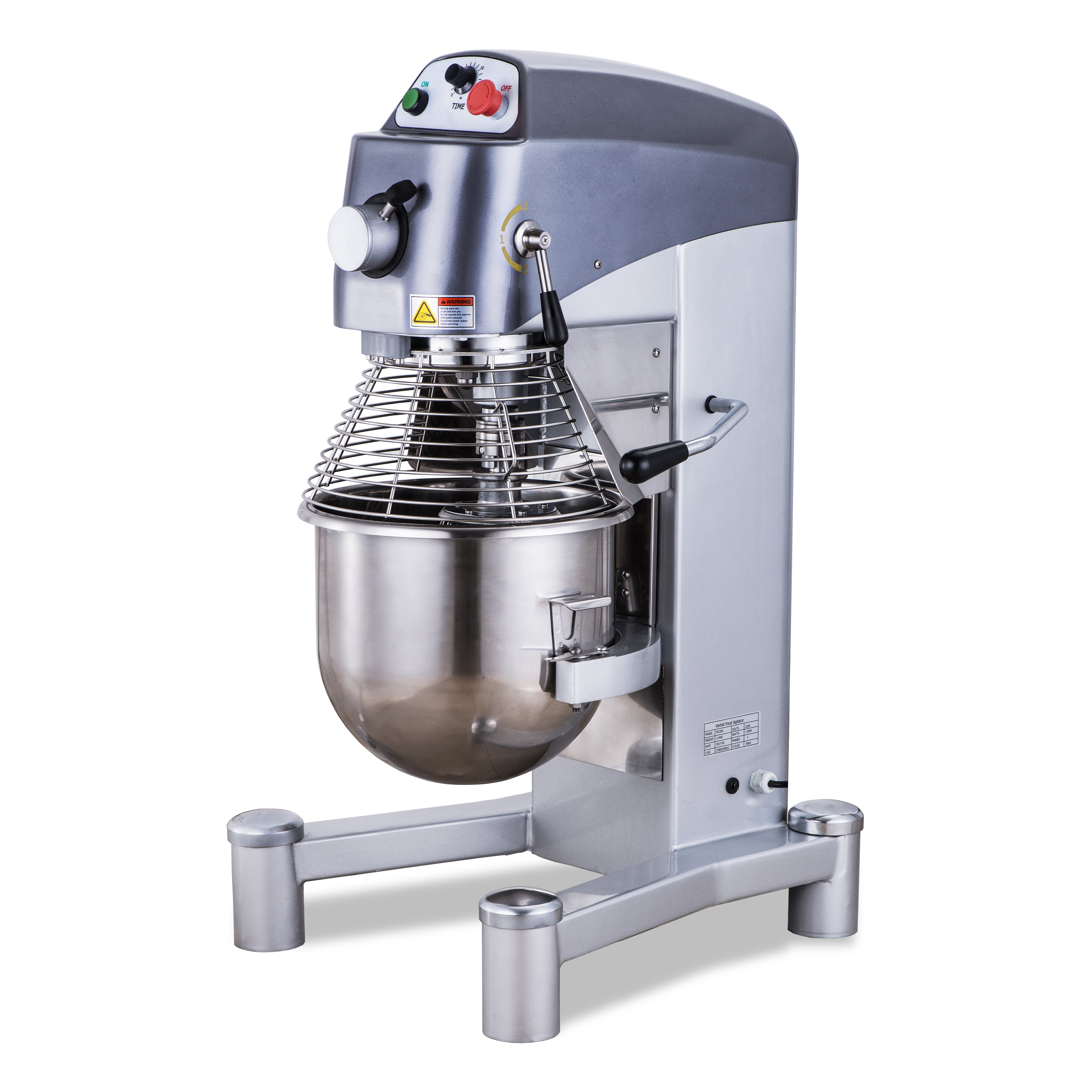
Start with your menu, peak production volume and workflow. Map how ingredients move from receiving and storage through preparation, cooking, holding, service and warewashing. Then divide the equipment list into opening essentials, productivity upgrades and future expansion items. Essential categories may include commercial deep fryers, refrigeration, commercial dishwashers, sinks and commercial work tables and stations. Bakeries may give more of the budget to ovens, mixers and dough equipment.
Calculate the Complete Installed Cost
The equipment price is only one part of the project. Add freight, site access, assembly, utility connections, electrical or gas upgrades, plumbing, ventilation, fire suppression, permits, professional installation, commissioning, staff training and applicable taxes. Older spaces may require more infrastructure work than a purpose-built commercial kitchen, so involve qualified trades before placing final orders.
A useful starting allocation is:
· 45% for core cooking, refrigeration, preparation and warewashing equipment
· 20% for installation, delivery and utility work
· 10% for ventilation and fire-safety requirements
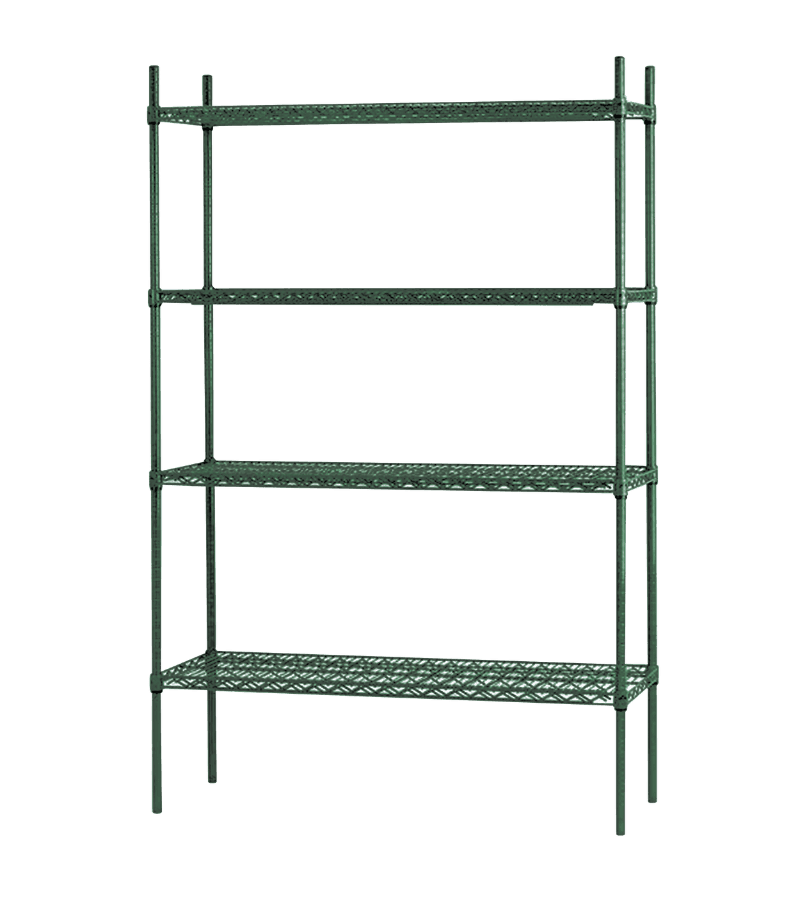
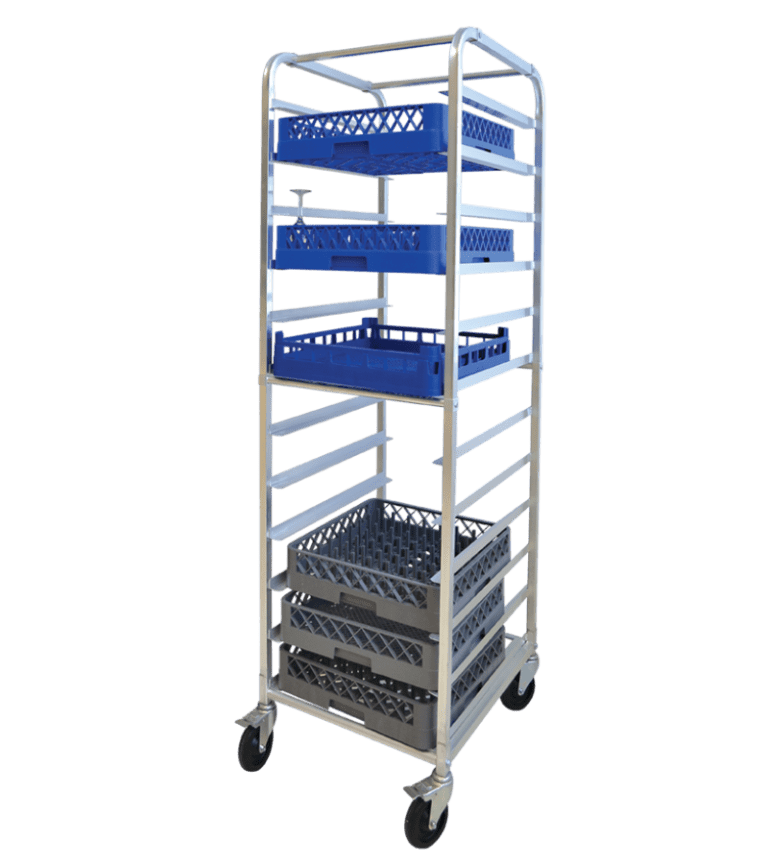
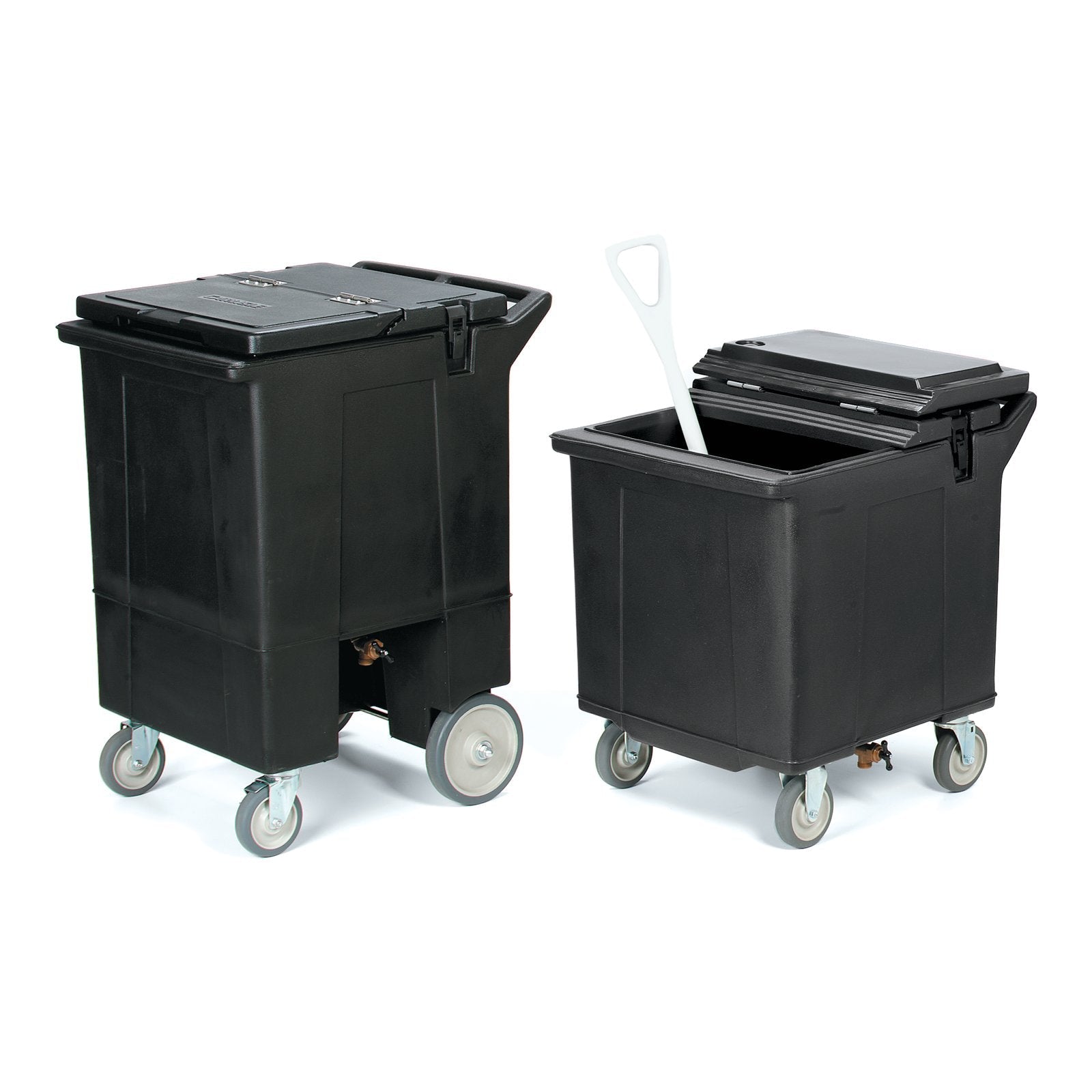
· 10% for smallwares, storage and restaurant shelving
· 5% for setup, testing and staff training
· 10% contingency for unexpected costs or required upgrades

Confirm Canadian and BC Requirements Before Ordering
Before purchasing, confirm that equipment is suitable for commercial use and carries certification or approval marks accepted by the authority having jurisdiction. In British Columbia, gas and electrical work can require permits, approved equipment and qualified contractors. Mobile food-service units may also have specific gas approval and inspection requirements. Review the proposed layout and utility schedule with the local health authority, municipality, fire-prevention office and licensed trades before finalizing the order.
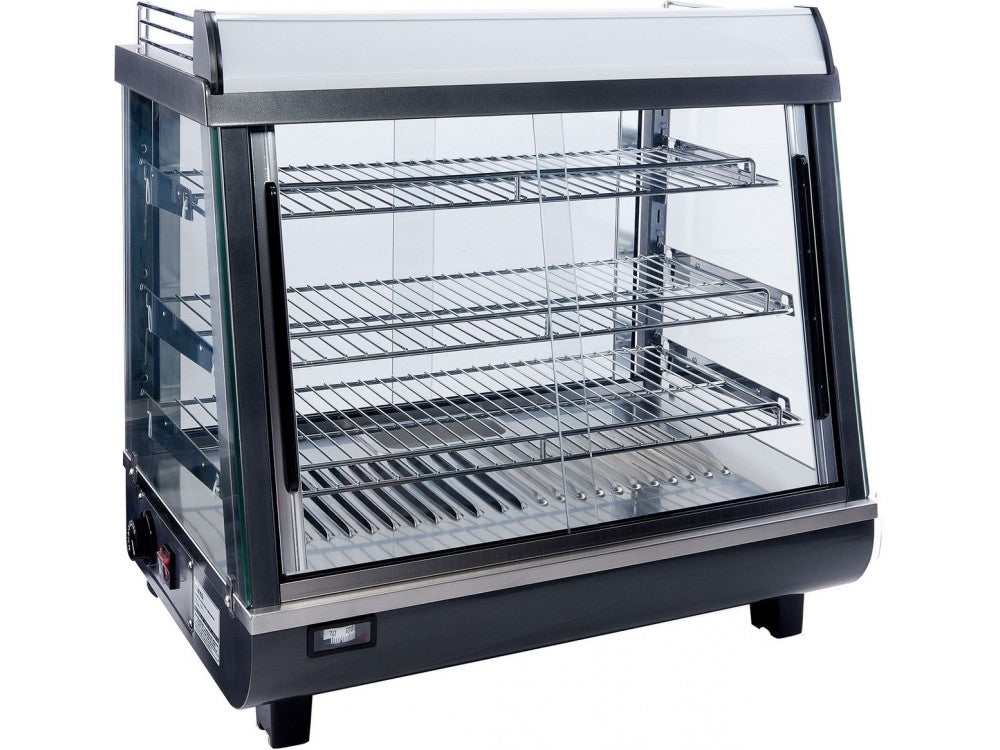
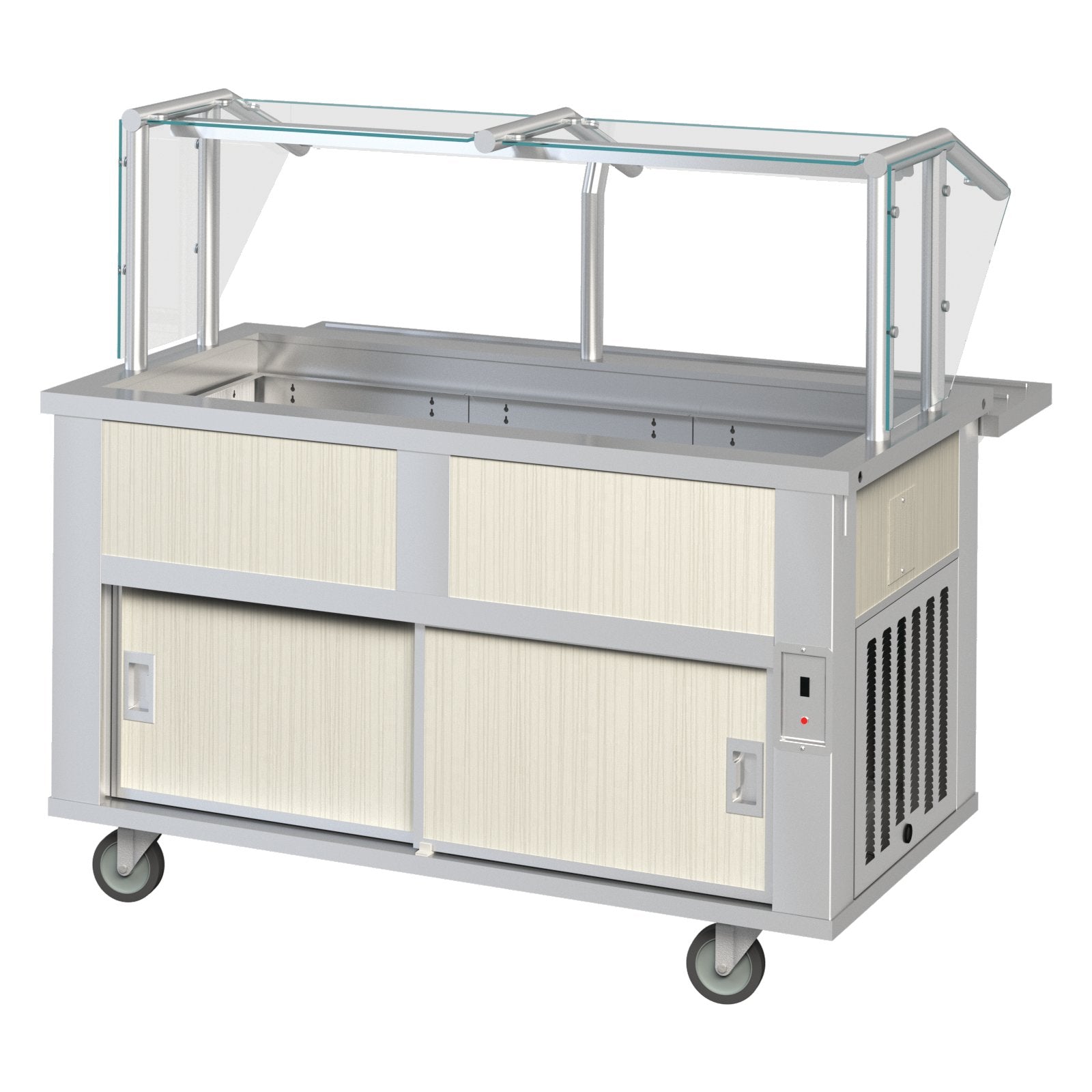
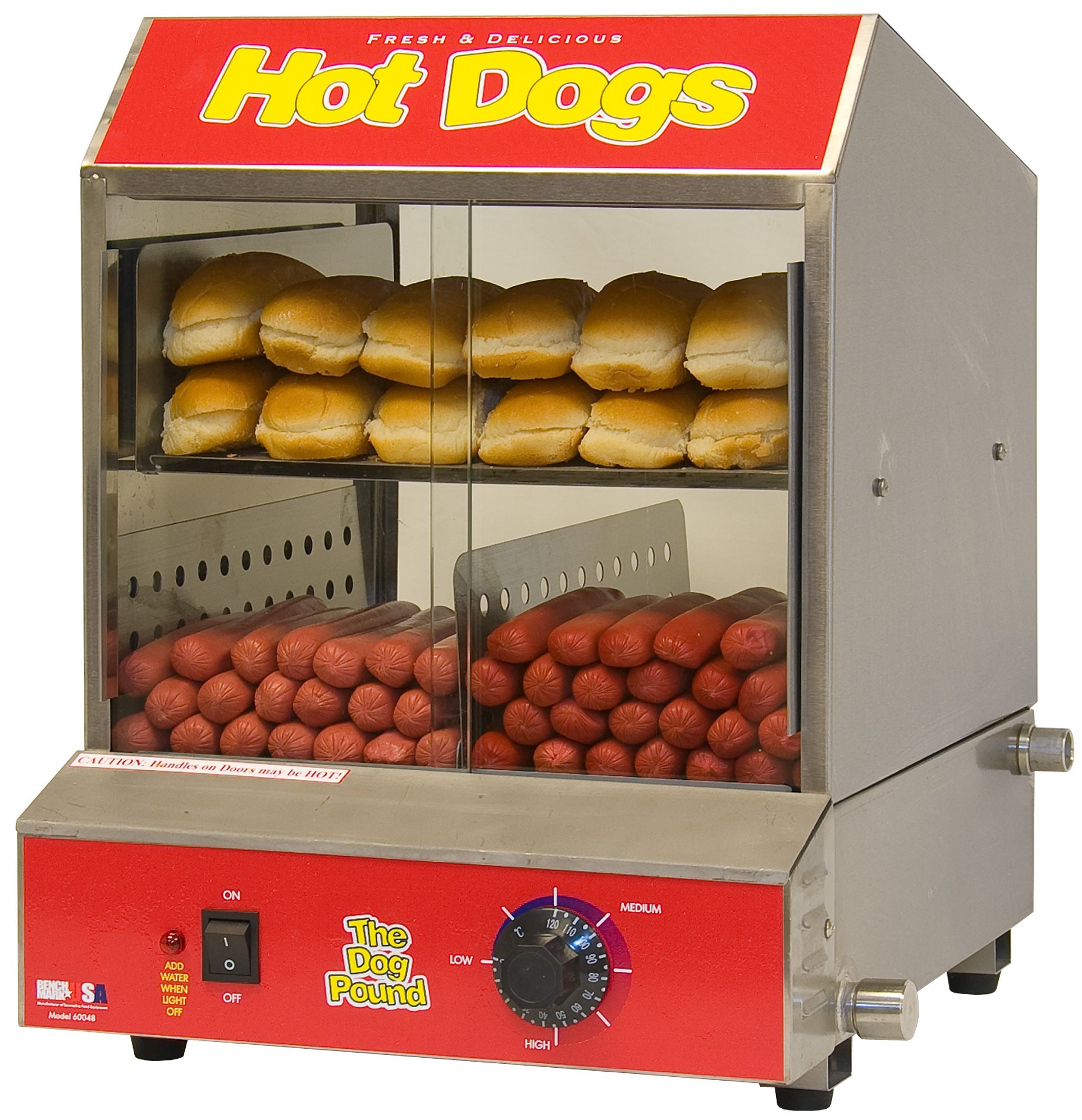
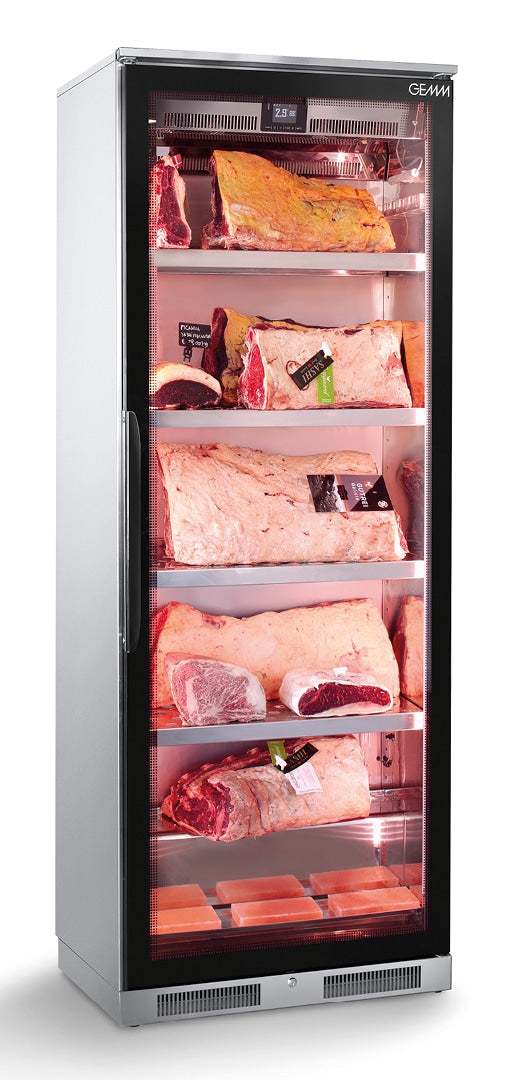
Food-safety performance also affects the budget. BC’s Food Premises Regulation generally requires potentially hazardous food to be held at 4°C or colder or 60°C or hotter, and frozen food at -18°C or colder. That makes reliable refrigeration, hot holding, thermometers and service access essential budget considerations—not optional extras.
Compare Lifetime Cost, Not Only Purchase Price
When you plan a commercial kitchen equipment budget, compare warranty coverage, parts availability, local service support, energy and water use, cleaning time, capacity and expected lifespan. ENERGY STAR-certified commercial food-service equipment can reduce utility and maintenance costs, while some commercial products are also subject to Canada’s Energy Efficiency Regulations. A cheaper unit can become more expensive if it creates downtime, requires frequent repairs or cannot handle peak demand.
A knowledgeable restaurant supply store can help compare specifications and identify kitchen equipment in Canada that fits your space, utilities, production level and growth plans. Keep a contingency reserve, and phase non-essential purchases when necessary rather than reducing capacity or compromising compliance-critical systems.
Request an Equipment Quote
Planning early gives Canadian food-service operators better control over capital costs and fewer installation surprises. Work with Brittania Food Equipment to build a practical equipment package for your operation in Surrey, Vancouver, the Lower Mainland, the Interior, the Islands or elsewhere in Canada.
Canadian compliance references