
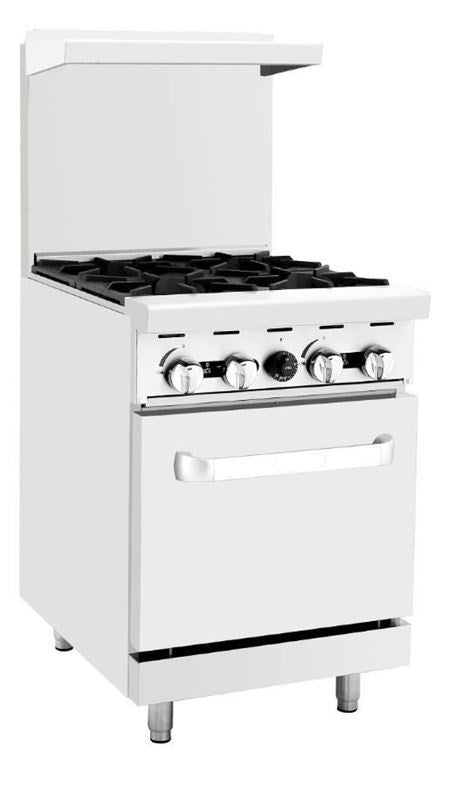
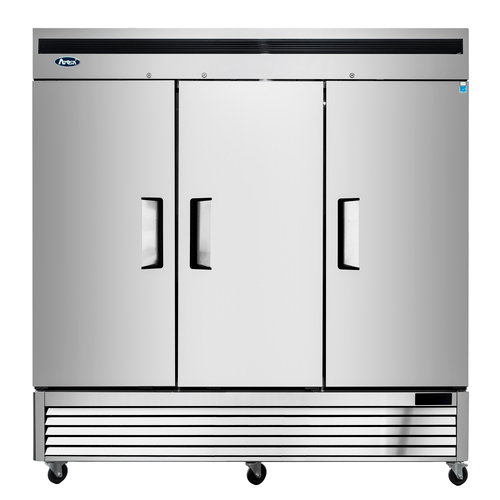
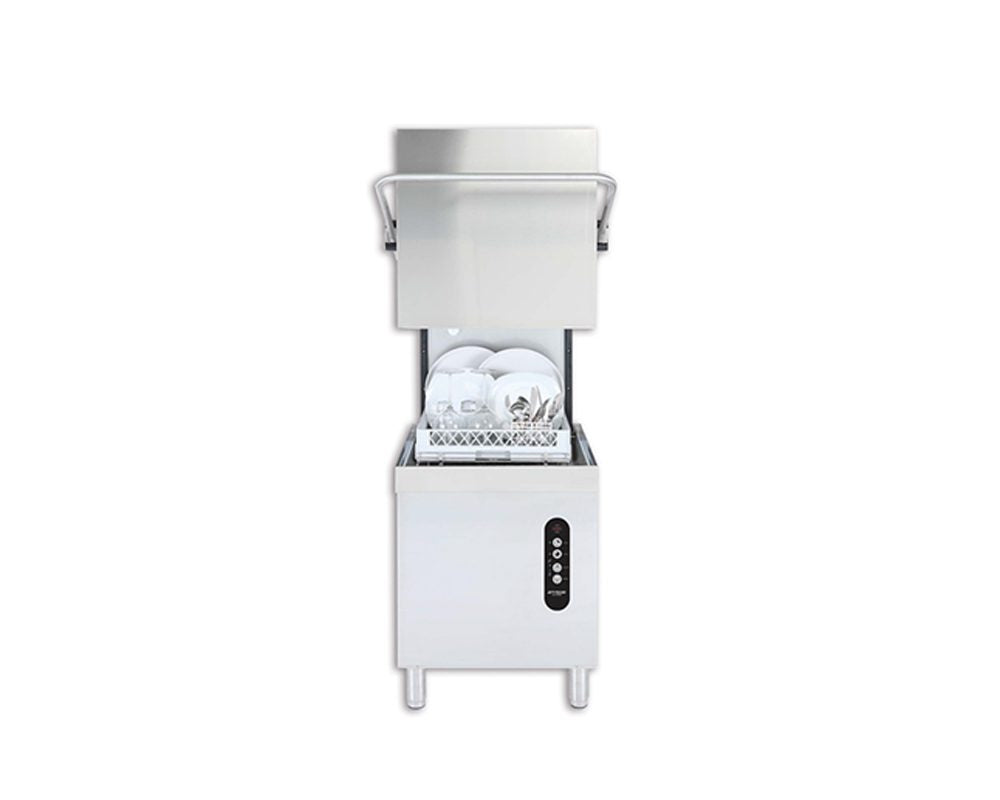























When a refrigerator, fryer, dishwasher, mixer, or range starts failing, the cheapest immediate fix is not always the lowest-cost decision. For Canadian food-service operators, restaurant equipment repair or replacement how to decide comes down to reliability, safety, compliance, energy use, downtime, and remaining useful life.
For restaurants, cafés, bakeries, food trucks, caterers, and institutions across Canada and British Columbia, use this framework before approving another repair.
Repair vs. Replace: Quick Check
|
Repair may make sense when… |
Replacement may make sense when… |
|
The failure is isolated and the unit is otherwise dependable. |
Breakdowns are recurring or affecting peak service. |
|
Parts are available and the repair restores full performance. |
Parts are obsolete, delayed, or expensive to source. |
|
The unit still meets safety, sanitation, and temperature requirements. |
The unit cannot reliably meet safety or food-holding requirements. |
|
Capacity and energy use still suit the operation. |
Capacity, efficiency, or workflow no longer fits the business. |
1. Start with the failure history
One isolated repair on a dependable unit usually supports repairing it. Repeated service calls are different. Review the last 12 to 24 months of invoices, parts replaced, labour charges, and downtime. A unit that continually fails during peak service can cost more in lost production, spoiled food, emergency service, and staff disruption than the repair invoice suggests.
Ask whether the current fault is isolated or a sign of a larger compressor, control, burner, motor, or structural problem. Confirm that replacement parts remain available.
2. Compare repair cost with total replacement cost
Do not compare a repair quote only with the price of new equipment. For replacement, include freight, removal, installation, gas, electrical or plumbing work, ventilation changes, commissioning, and taxes.
Compare that total with the likely cost of keeping the existing unit for the next three to five years. If repairs are frequent, parts are obsolete, or the equipment no longer meets capacity needs, replacement can provide more predictable costs.

A qualified diagnosis helps distinguish an isolated repair from a recurring system problem.
3. Check food-safety performance
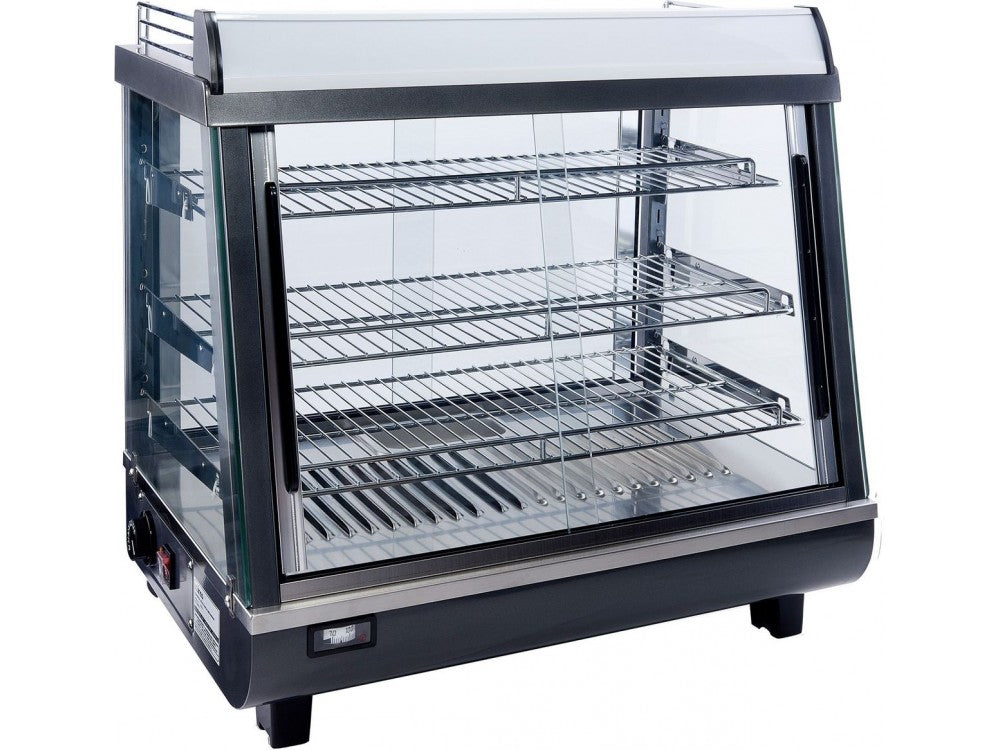
Equipment performance can become a compliance issue. In British Columbia, potentially hazardous food generally must be stored or displayed at 4°C or colder or 60°C or hotter, while frozen food must be kept at -18°C or colder.
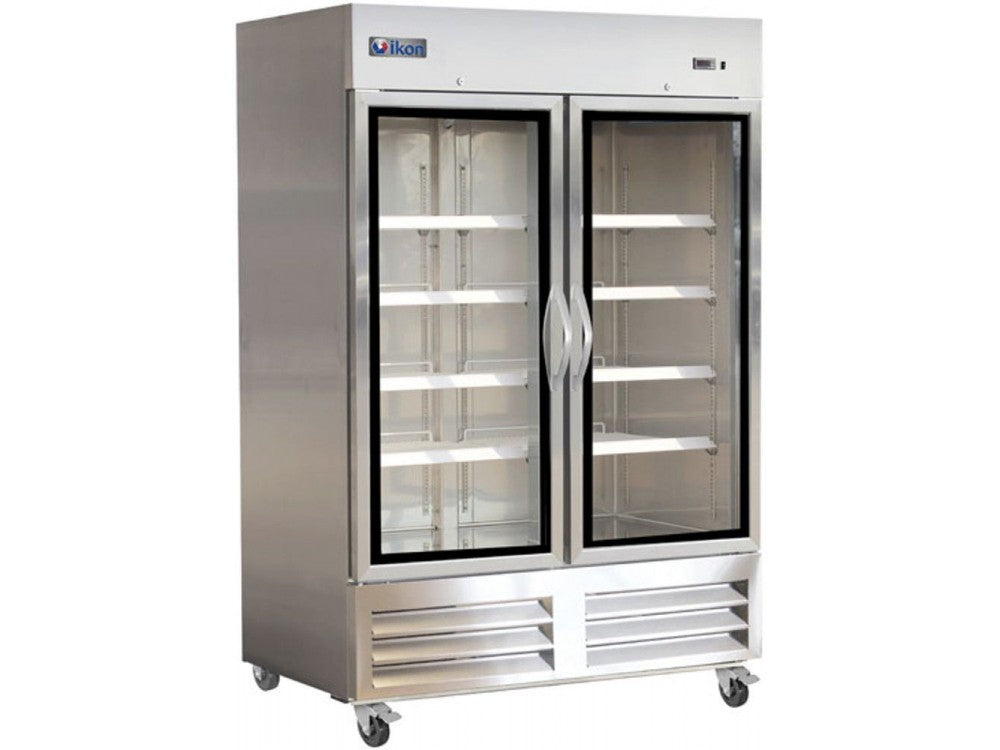
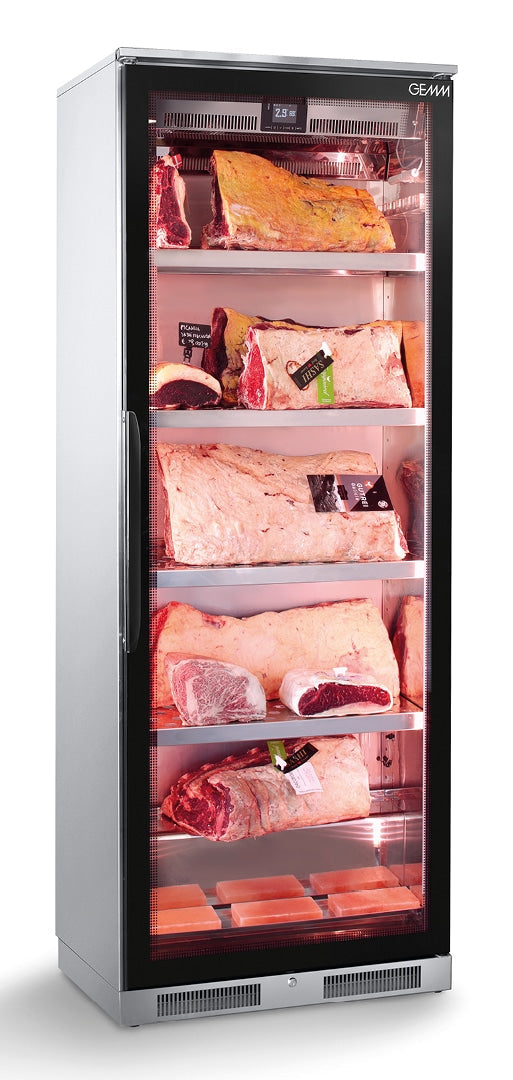
If a repair restores reliable temperature control and the cabinet remains sanitary and structurally sound, keeping the unit may make sense. If temperature problems repeatedly return, consider appropriate reach-in refrigeration or other commercial refrigeration sized for the operation.
4. Consider safety and regulated work
Commercial equipment should not remain in service when a fault creates an electrical, gas, fire, or other safety hazard. In BC, regulated electrical and gas work must be performed by authorized or properly licensed parties. Permit requirements may also apply depending on the work and jurisdiction.
Before repairing or replacing gas or electrical equipment, confirm requirements with your licensed contractor and local authority having jurisdiction.
5. Evaluate efficiency and operating cost
Older equipment may still run but consume more electricity, water, or gas than newer models. Natural Resources Canada regulates minimum energy performance for certain commercial refrigeration products. ENERGY STAR-certified self-contained commercial refrigerators and freezers use about 20% less energy on average than standard models.
For high-use equipment, calculate expected utility savings alongside replacement cost. Efficiency alone may not justify replacement, but it strengthens the case when an aging unit also has reliability or capacity problems.
6. Match the decision to your operation
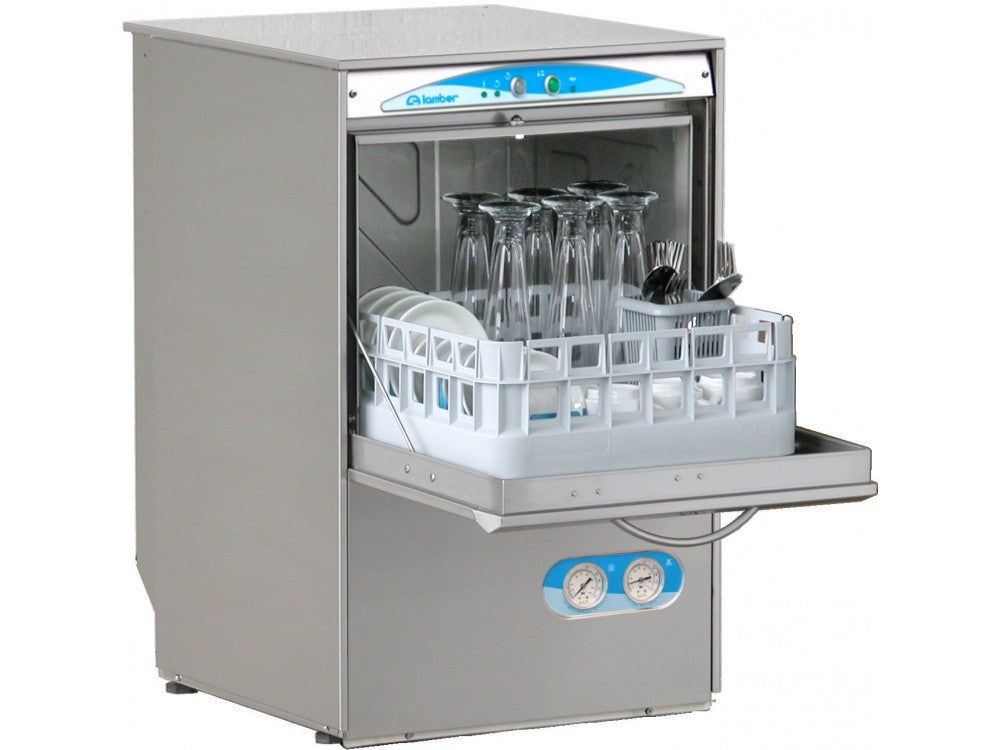
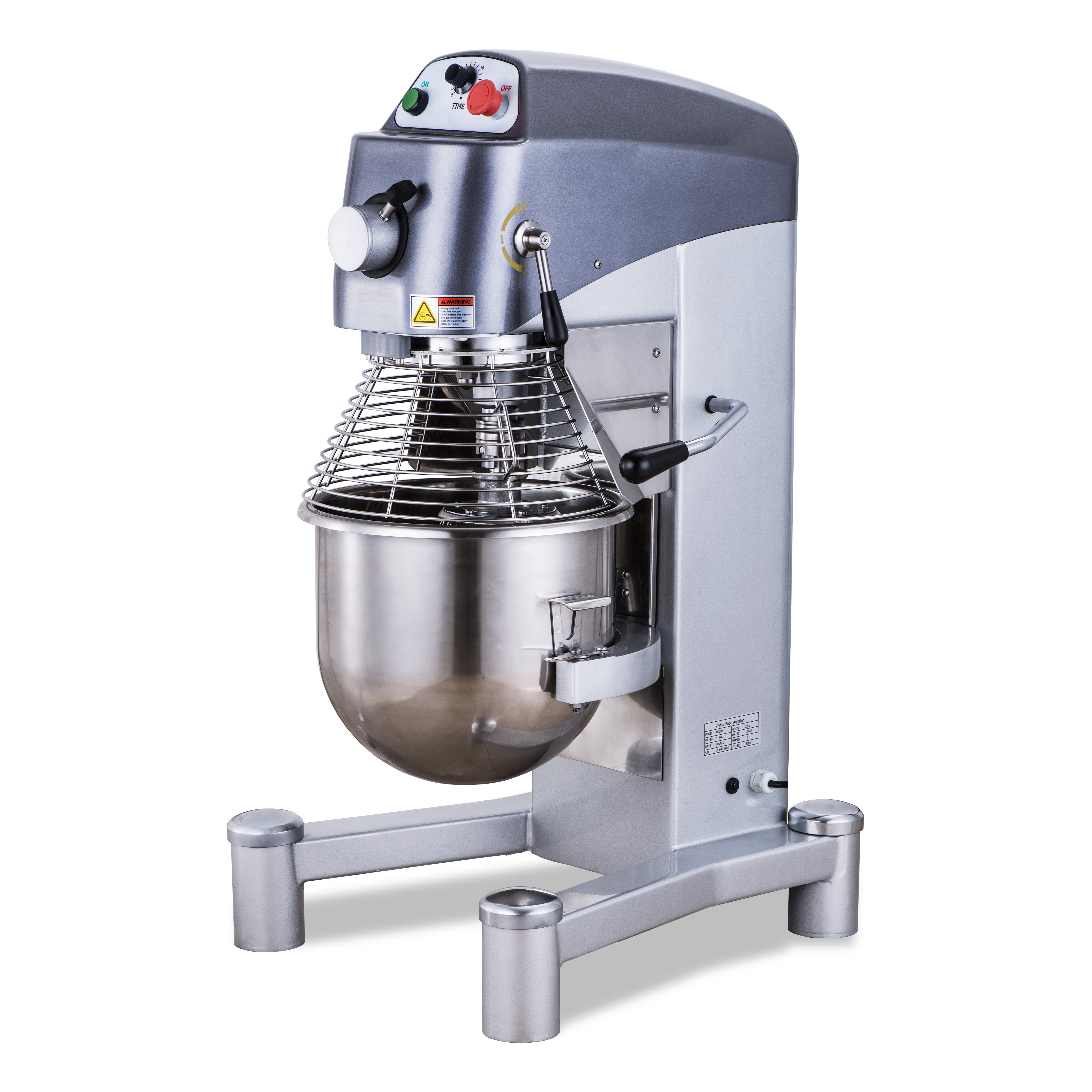
A repair may be practical for a lightly used backup appliance. A mission-critical commercial dishwasher, deep fryer, refrigerator, or bakery mixer deserves a different risk calculation. Consider peak-volume requirements, menu growth, warranty coverage, workflow, available space, and the cost of another shutdown.
A knowledgeable restaurant supply store can help compare repair risk with suitable kitchen equipment in Canada and determine whether a replacement fits your utilities and operation, whether you are in Surrey, Vancouver, the Lower Mainland, Interior, or the Islands.
Make the decision with better information
There is no single age or repair percentage that automatically determines when equipment must be replaced. The right decision combines condition, service history, safety, food-safety performance, parts availability, efficiency, downtime, and future needs.
Contact Brittania for equipment supportFor help evaluating replacement options or selecting commercial kitchen equipment for your operation, contact Brittania Food Equipment for equipment support. |
Canadian and BC regulatory references
· BC Food Premises Regulation - food temperatures, sanitation, and equipment requirements
· Technical Safety BC - electrical licences and regulated electrical work
· Technical Safety BC - gas licences and regulated gas work
· Natural Resources Canada - commercial refrigeration energy-efficiency regulations
· Natural Resources Canada - ENERGY STAR commercial refrigerators and freezers