



















Choosing the right refrigerator is about more than appearance. When foodservice operators compare solid-door vs. glass-door commercial refrigerators, they are really comparing storage efficiency, product visibility, workflow and food safety. Whether you operate a restaurant, café, bakery, food truck, catering business or institutional kitchen, the right refrigerator should support your menu, staffing pattern and service style.

As a trusted restaurant supply store serving businesses in Canada, including Surrey, Vancouver, the Lower Mainland, the Interior and the Islands, Brittania Food Equipment helps operators compare refrigeration options based on real kitchen needs.
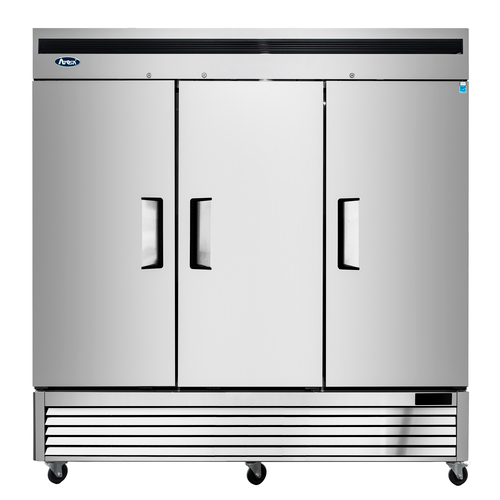
Solid-door commercial refrigerators are usually preferred for back-of-house storage. Because the doors are fully insulated, these units typically offer strong temperature retention and a clean, durable design suited to busy prep areas. They are a good fit for storing ingredients such as dairy, sauces, proteins, produce and prepared foods. If your priority is dependable cold storage, reduced light exposure and practical daily use, a solid-door refrigerator is often the better choice.
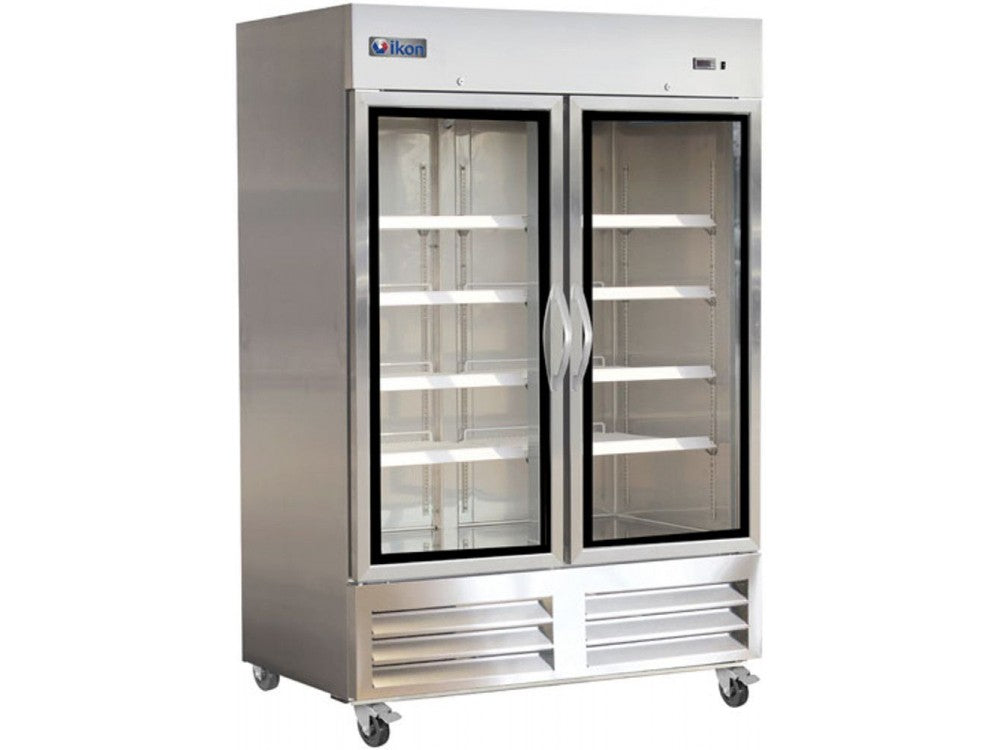
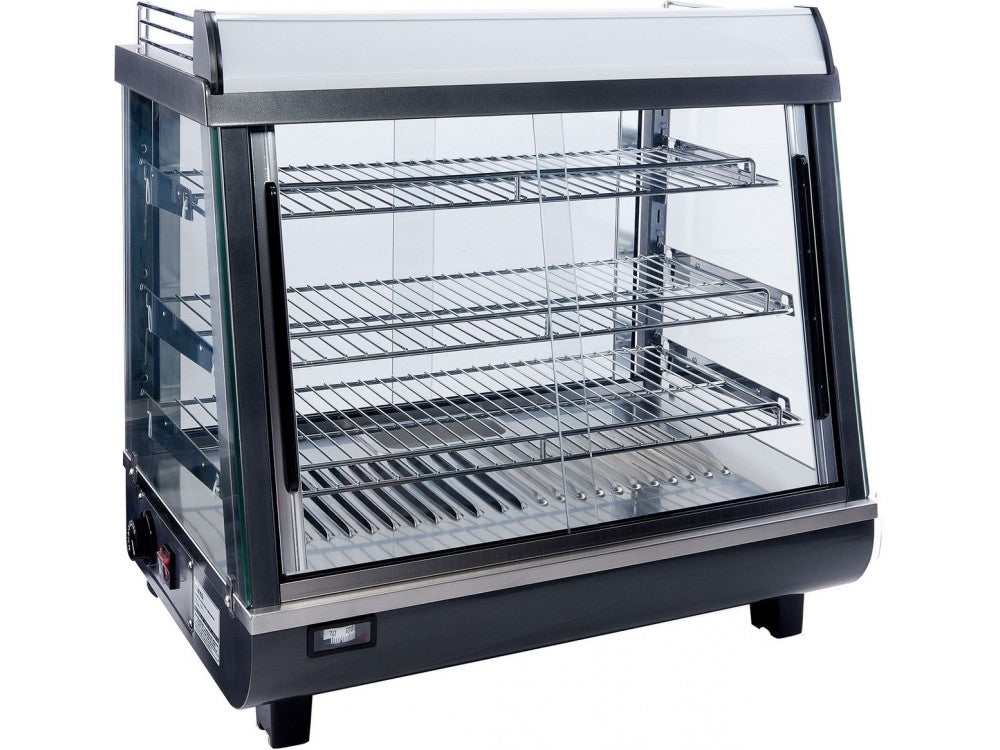
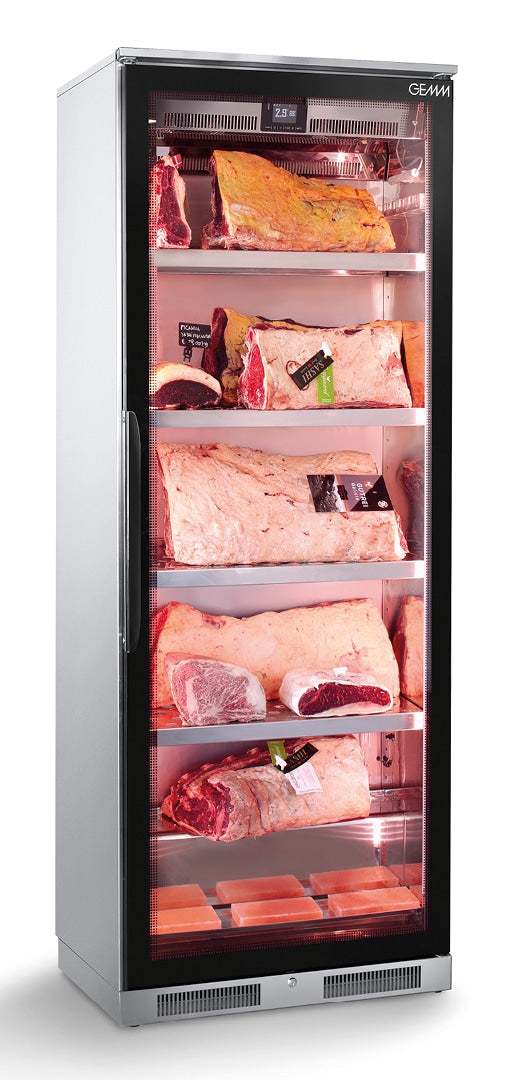
Glass-door commercial refrigerators are ideal when visibility matters. Staff can quickly identify products without opening the door repeatedly, and customer-facing operations can use glass-door models to showcase bottled beverages, desserts, grab-and-go foods or packaged retail items. That makes them especially useful in cafés, bakeries, delis and self-serve environments. A glass-door unit can help merchandising, but it should still be selected with the same focus on capacity, temperature control and cleaning access.
Canadian compliance matters no matter which style you choose. In British Columbia, potentially hazardous food must be stored or displayed at not more than 4°C, and frozen food must be kept at not more than -18°C. The B.C. Food Premises Regulation also requires refrigeration equipment to be adequate for the needs of the premises and equipped with a thermometer accurate within 1°C. Operators should also maintain sanitation procedures and follow local public-health guidance and manufacturer instructions.
Before you decide, ask these practical questions:
- Will this unit be used mainly for storage or for display?
- Do staff need to see products quickly during service?
- Will the refrigerator be placed in the kitchen or in a customer-facing area?
- What capacity, shelving and door configuration best match your workflow?
- How easy is the unit to clean, maintain and monitor for safe temperatures?

For many operators, the best solution is a combination of both styles. A solid-door unit can handle core ingredient storage in the kitchen, while a glass-door unit can support retail display or quick service access. This balanced setup is common in mixed-use foodservice operations that need both efficiency and product visibility.
If you are comparing kitchen equipment in Canada, focus on how the refrigerator will be used in your actual operation. If you need help selecting the right unit, Brittania Food Equipment can help you review capacity, layout, cleaning access and application fit. Browse commercial refrigeration to explore options for your business.
Regulatory note: This article references the B.C. Food Premises Regulation for temperature holding, equipment capacity and thermometer accuracy. Requirements may vary by province or municipality, so confirm details with your local health authority.