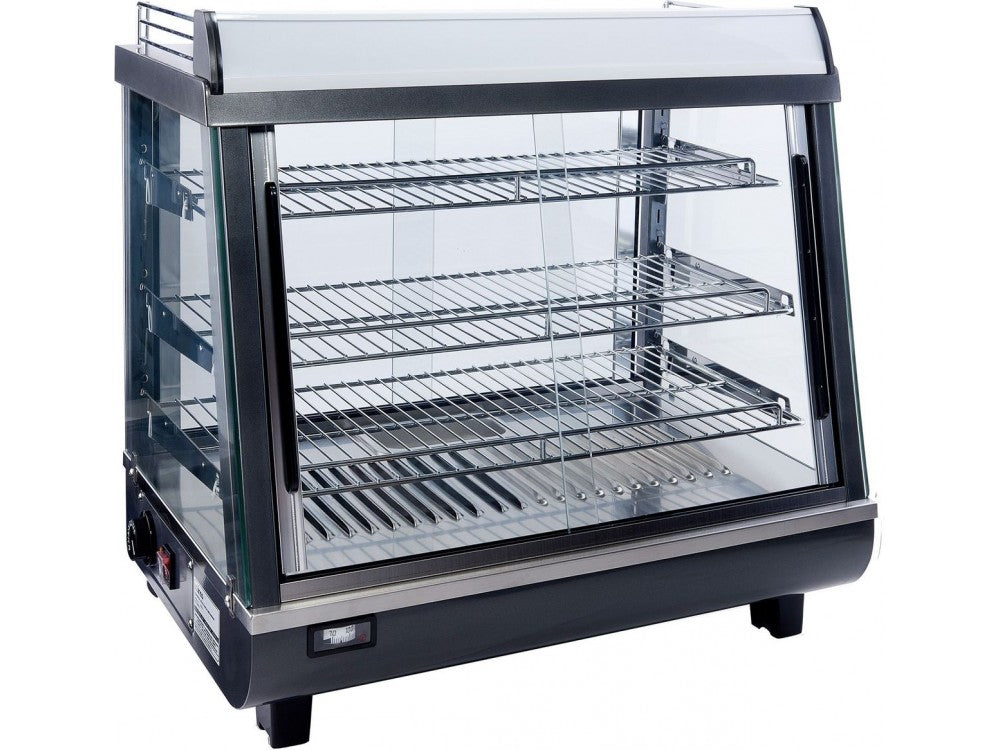
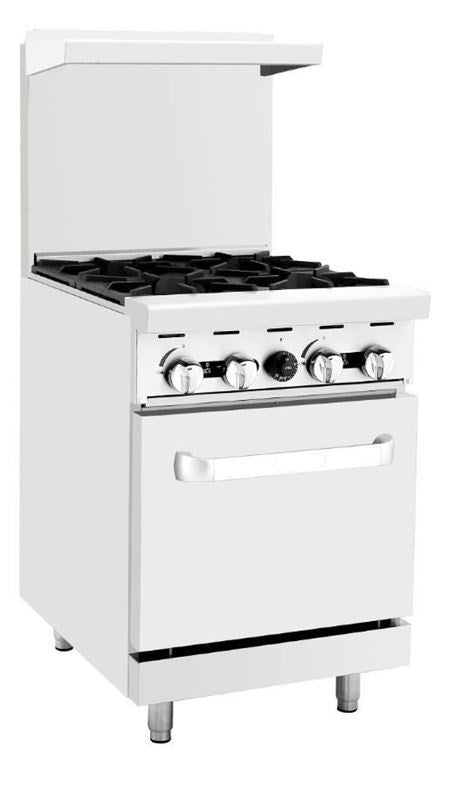
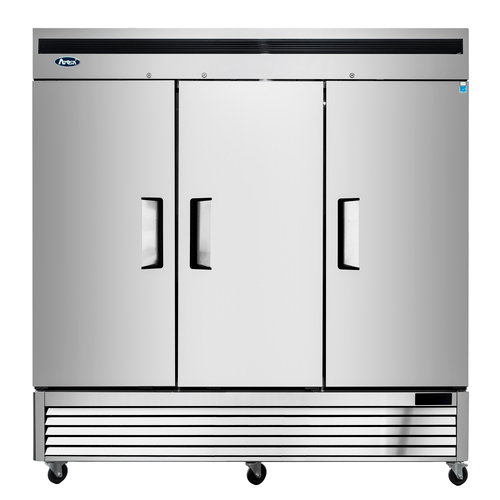
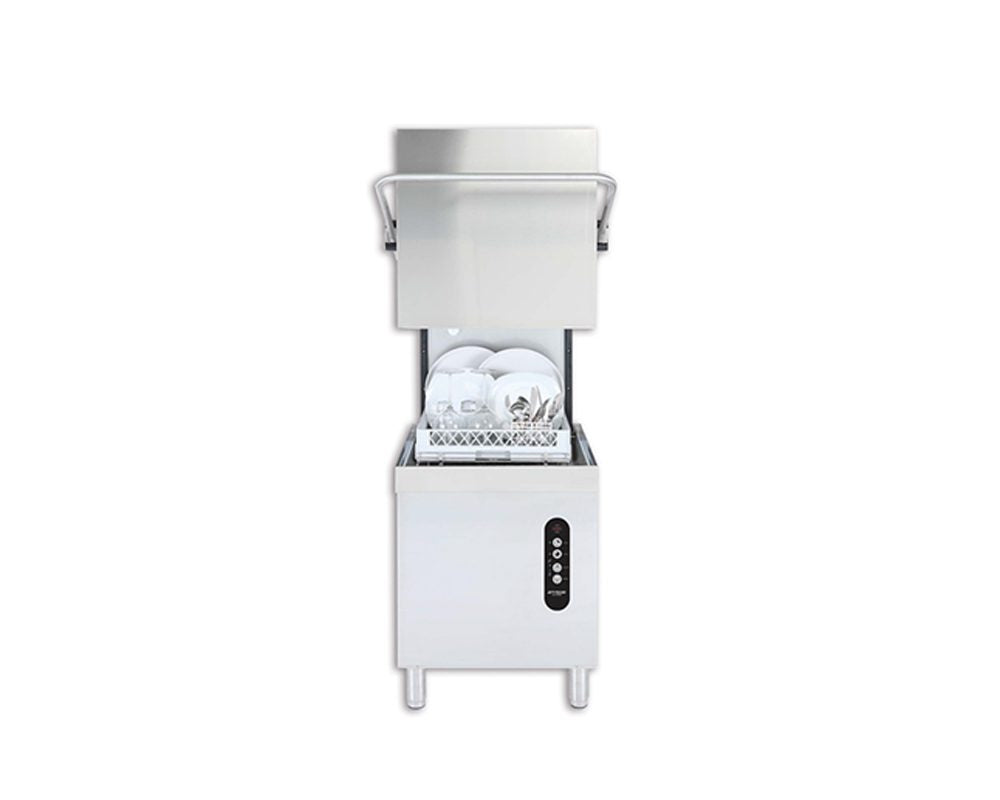







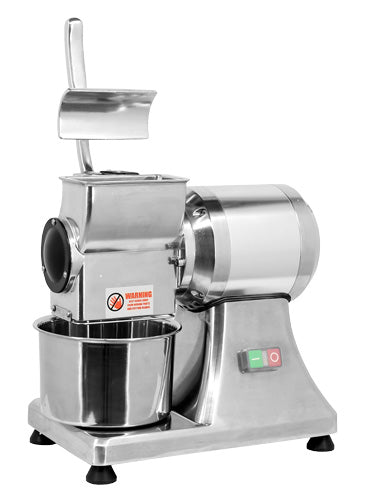
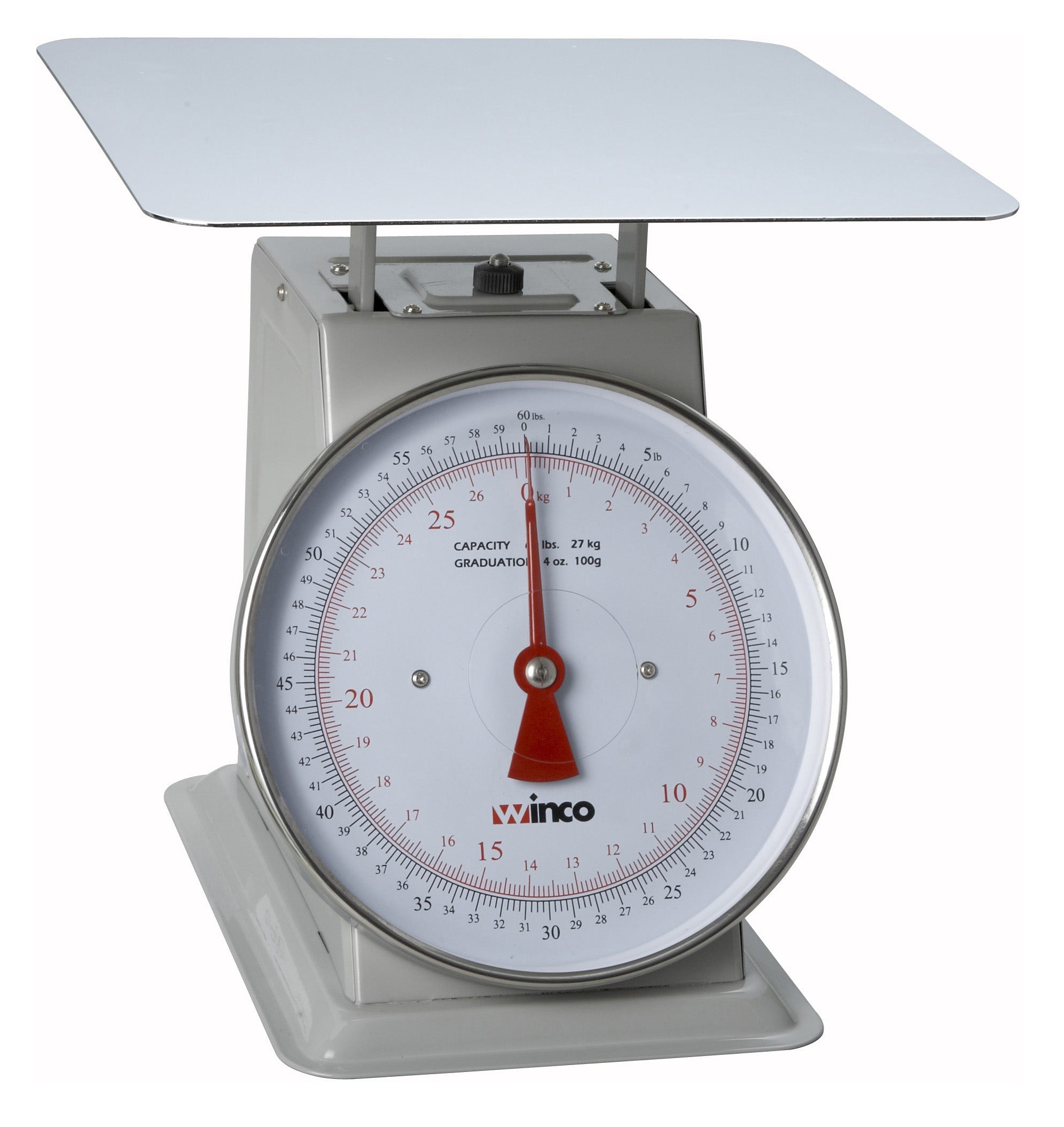
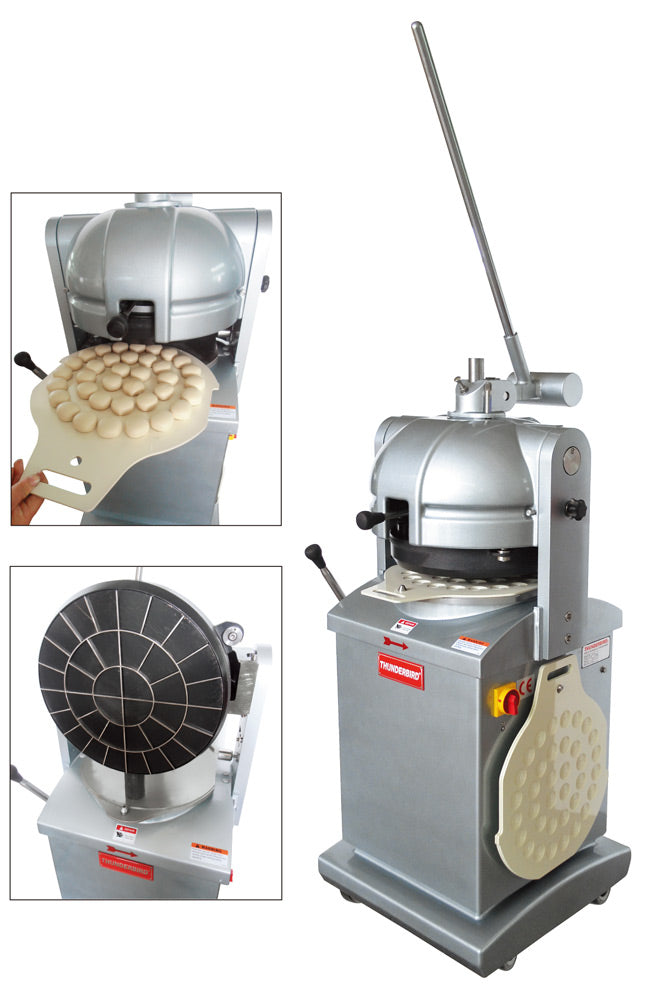
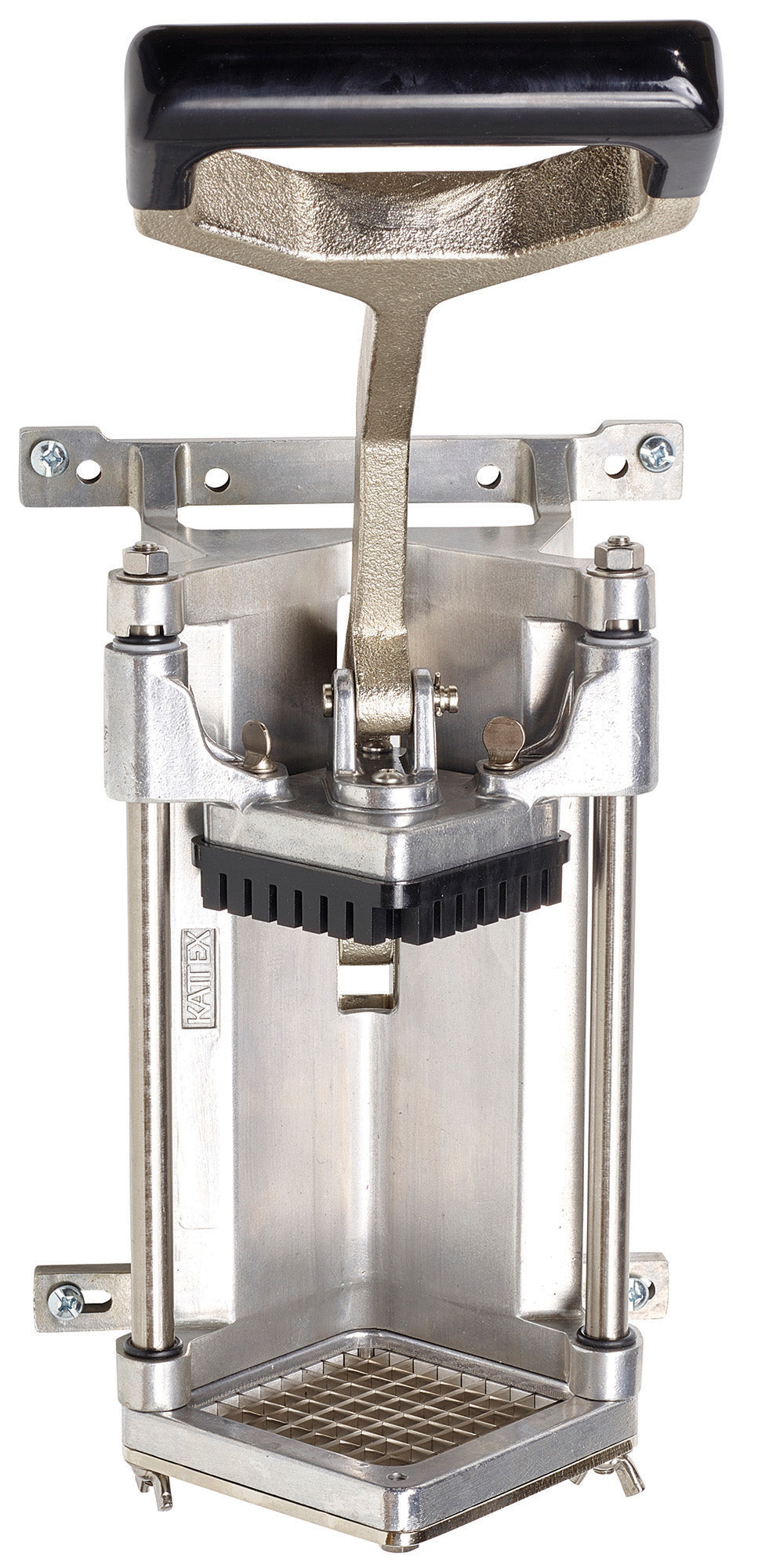


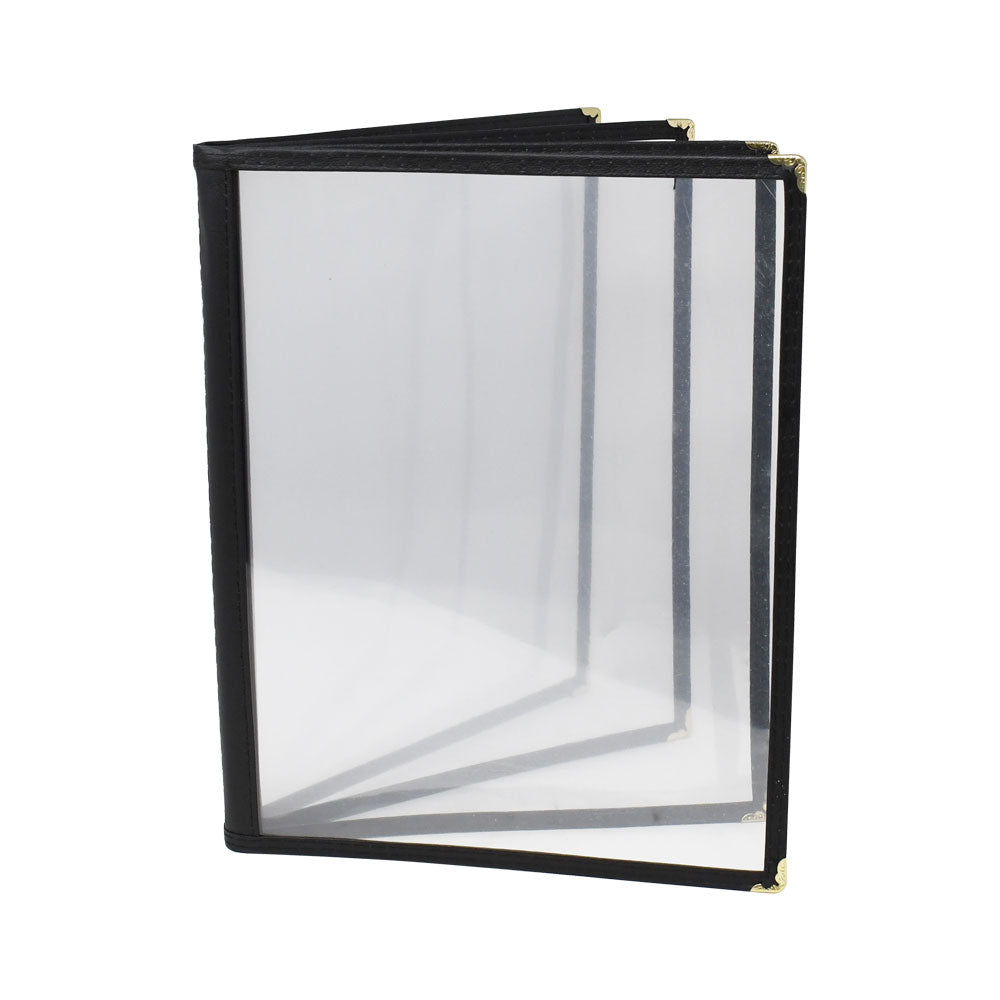




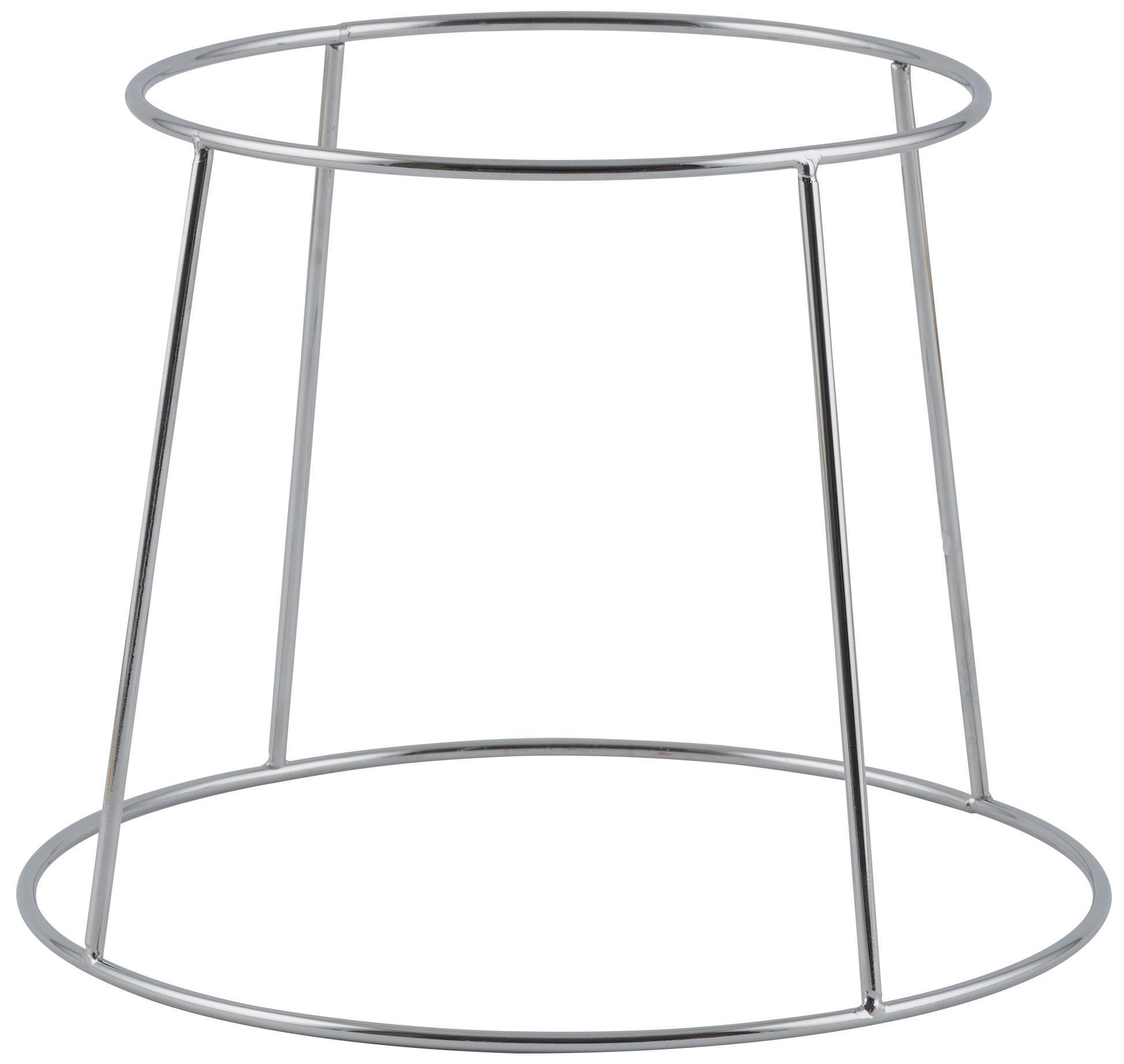

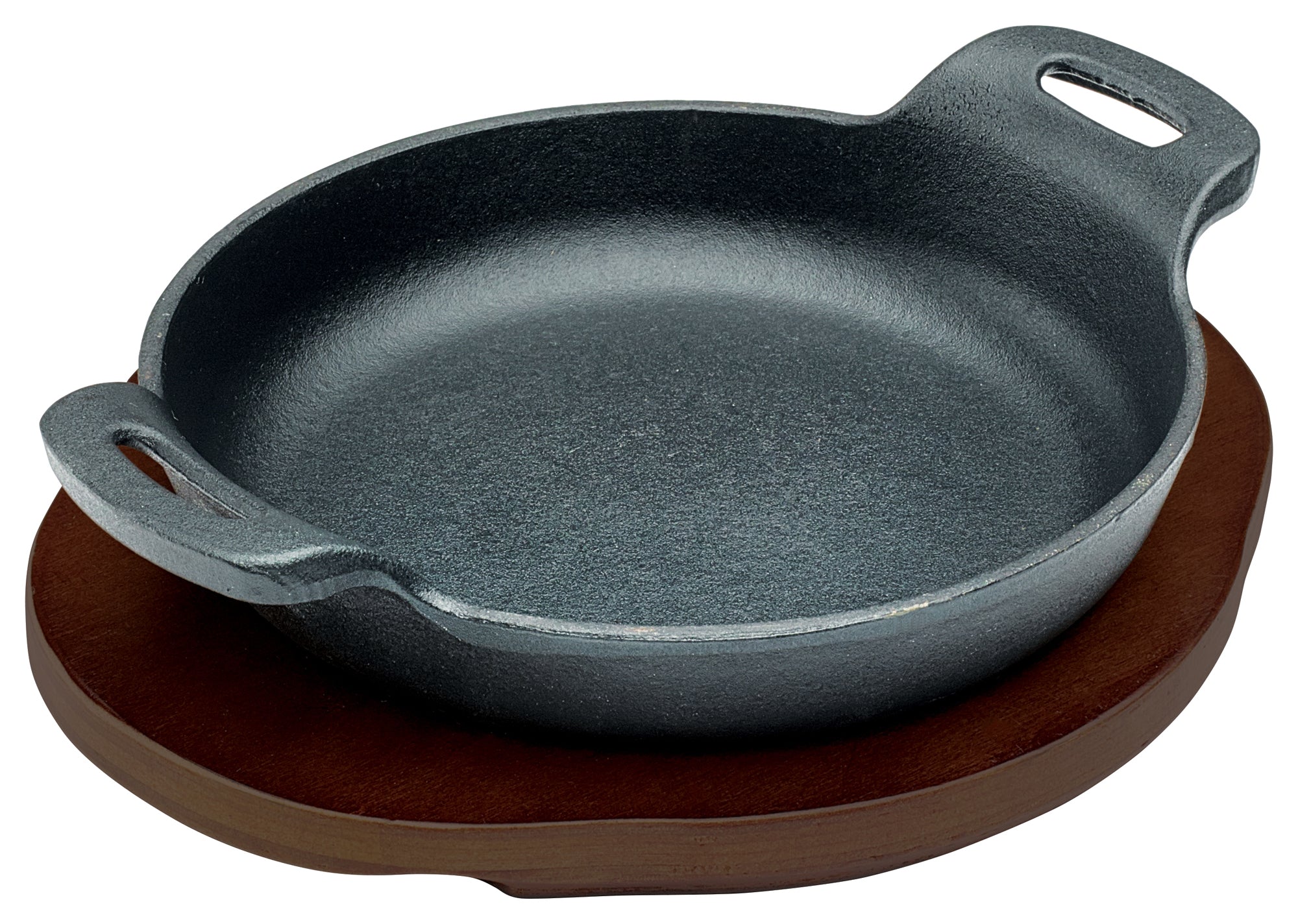



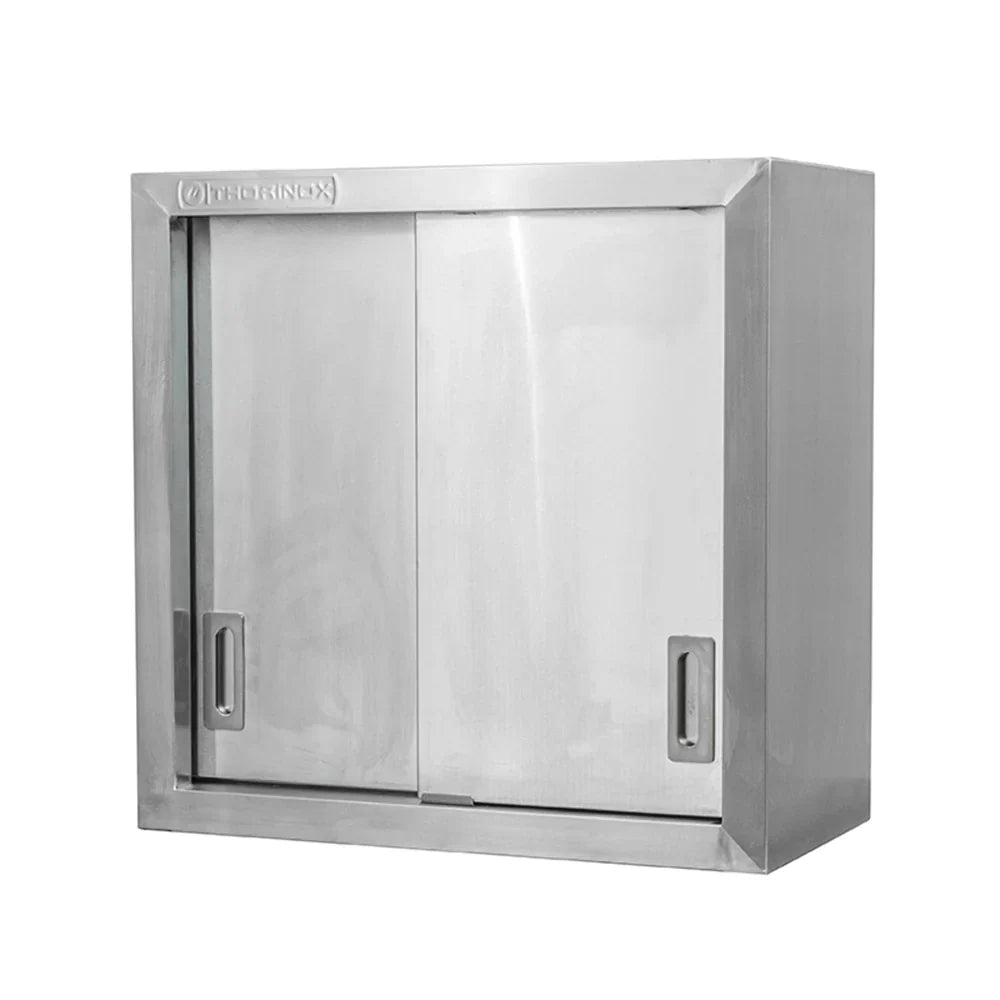
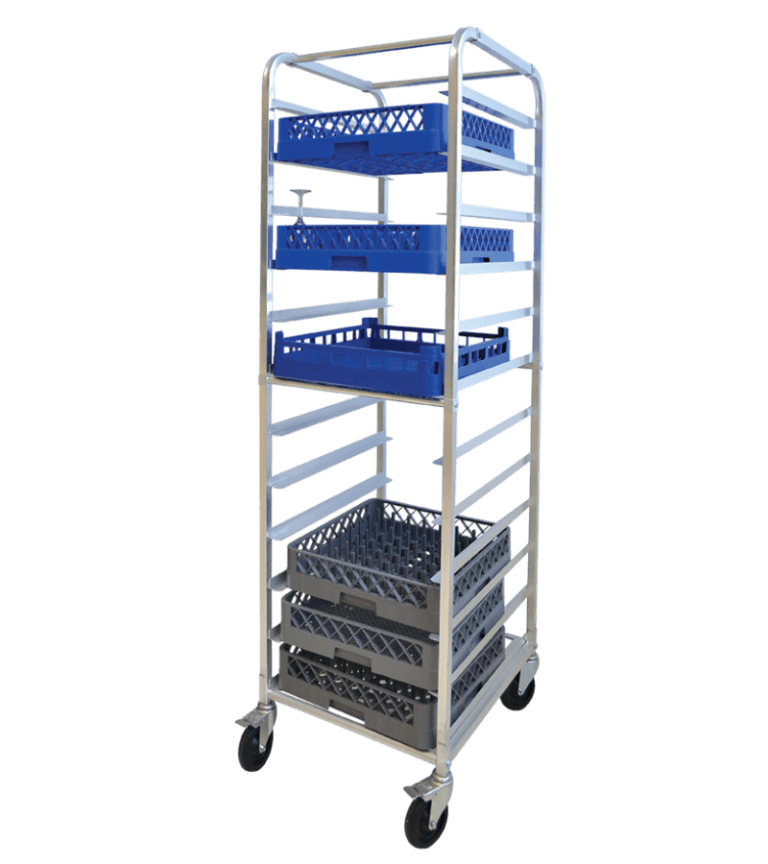
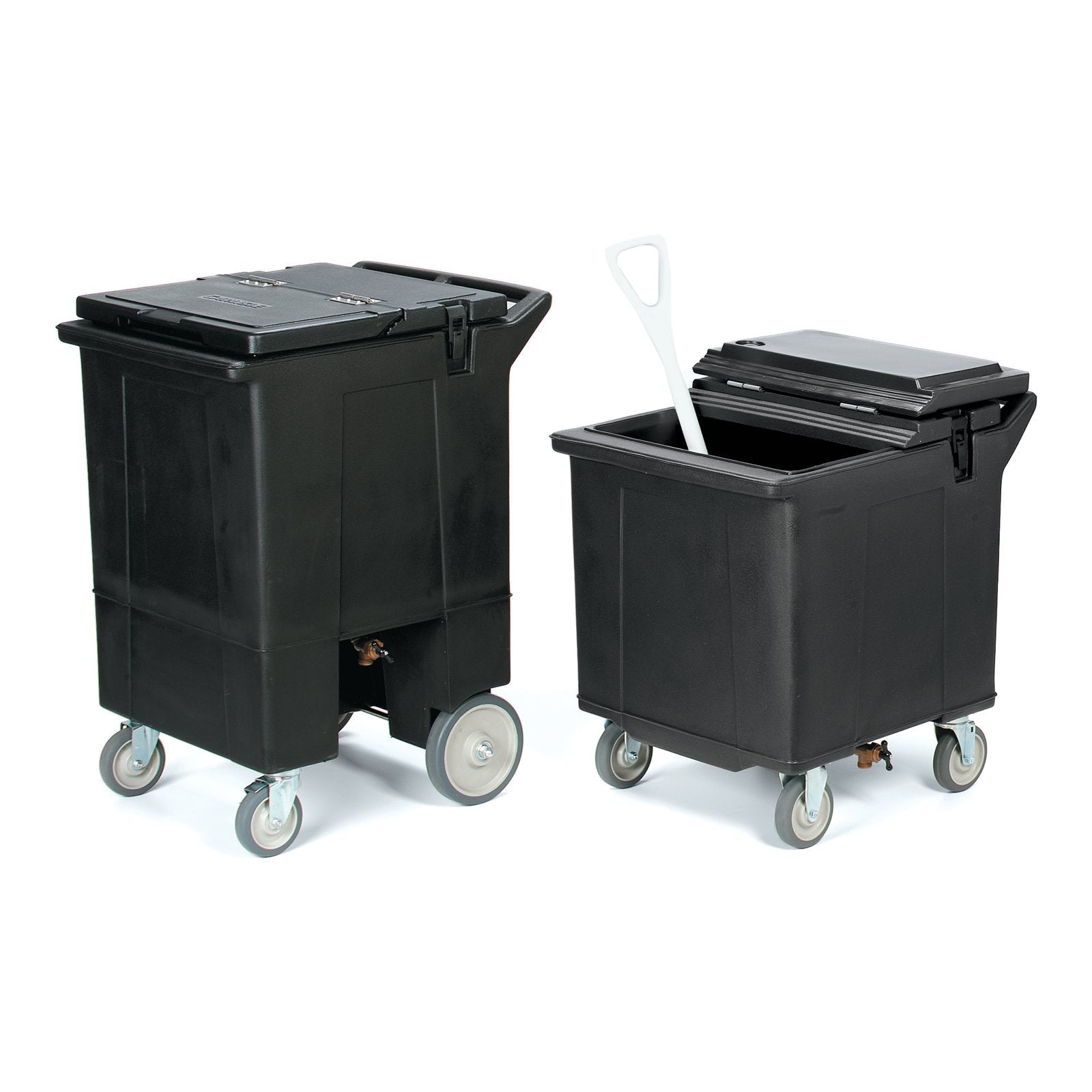
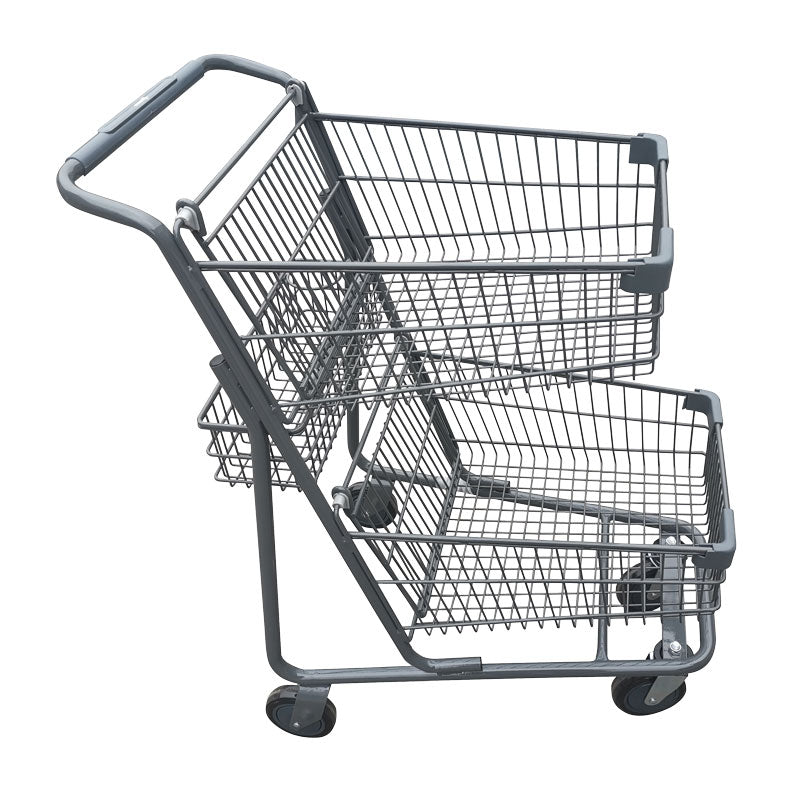





Choosing the right commercial kitchen equipment in Canada is one of the most important investments a food-service operator will make. The right equipment supports food safety, efficient workflows, consistent quality and manageable operating costs. Whether you operate a restaurant in Vancouver, a café in Surrey, a bakery in the Interior, a food truck in the Lower Mainland, or an institution on Vancouver Island, planning should begin with your menu, production volume, available utilities and local approval requirements.
Start With Your Menu and Workflow
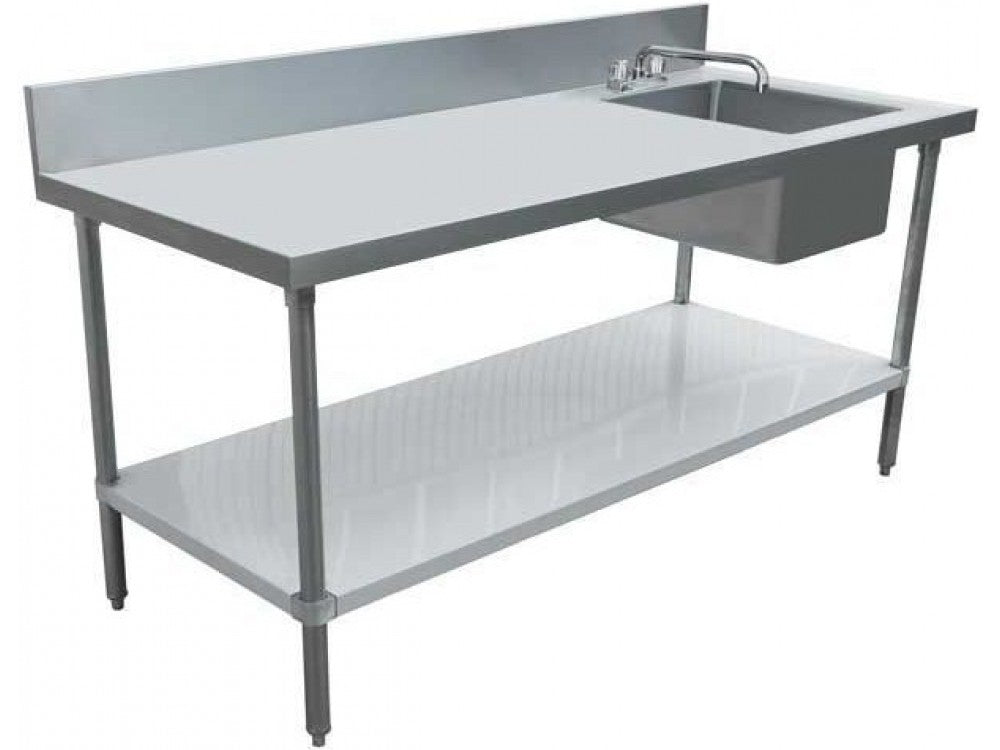
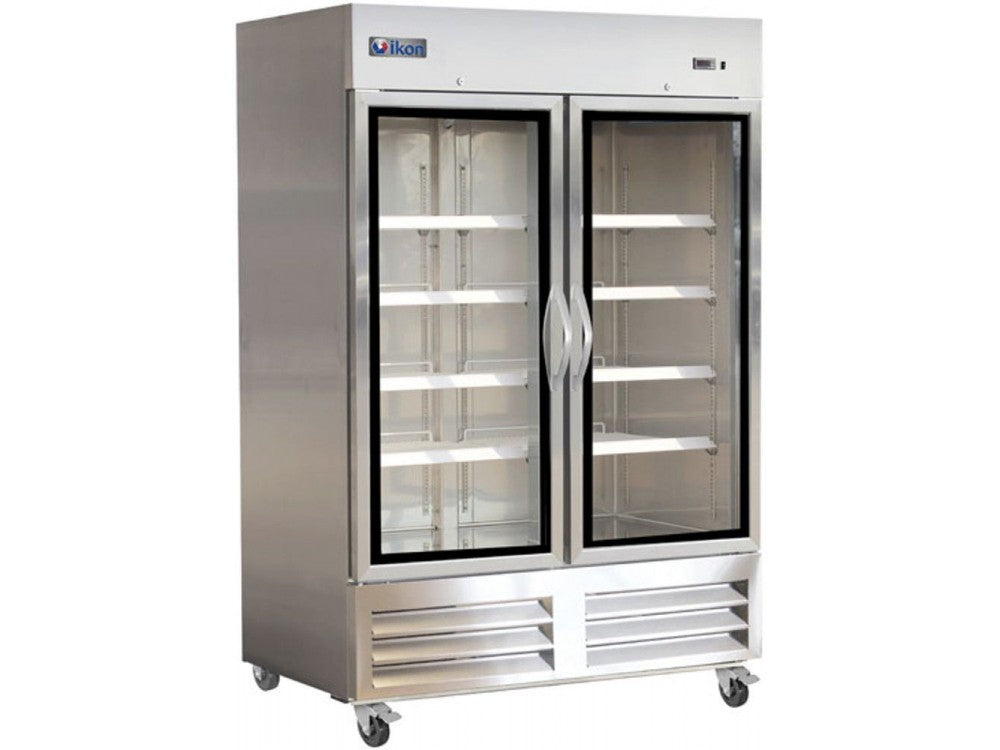
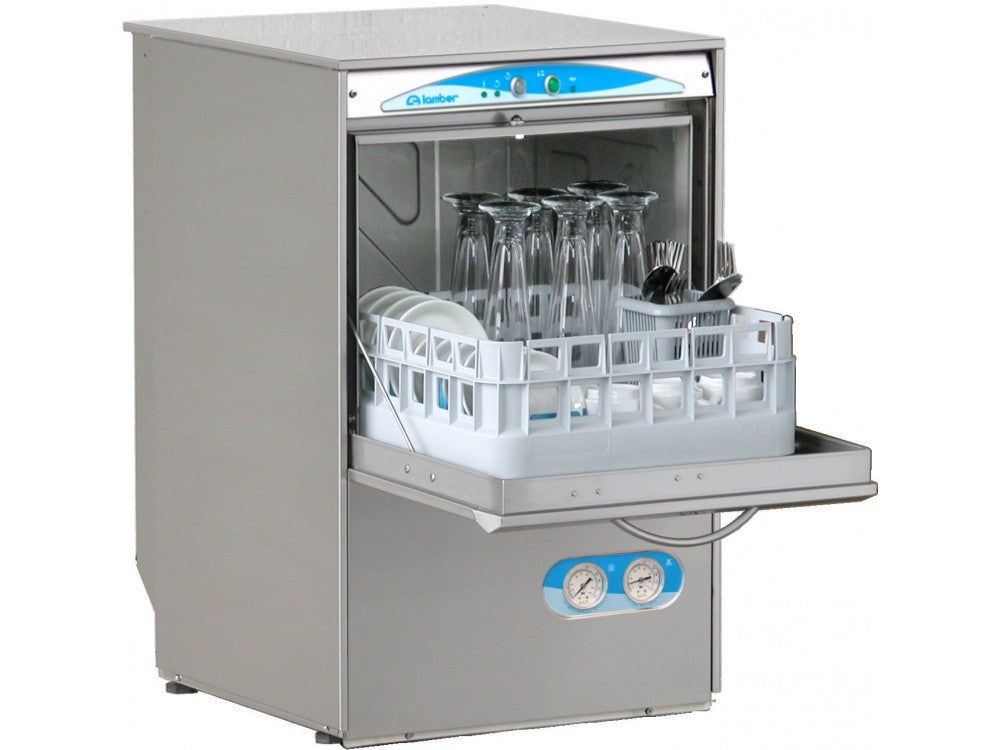
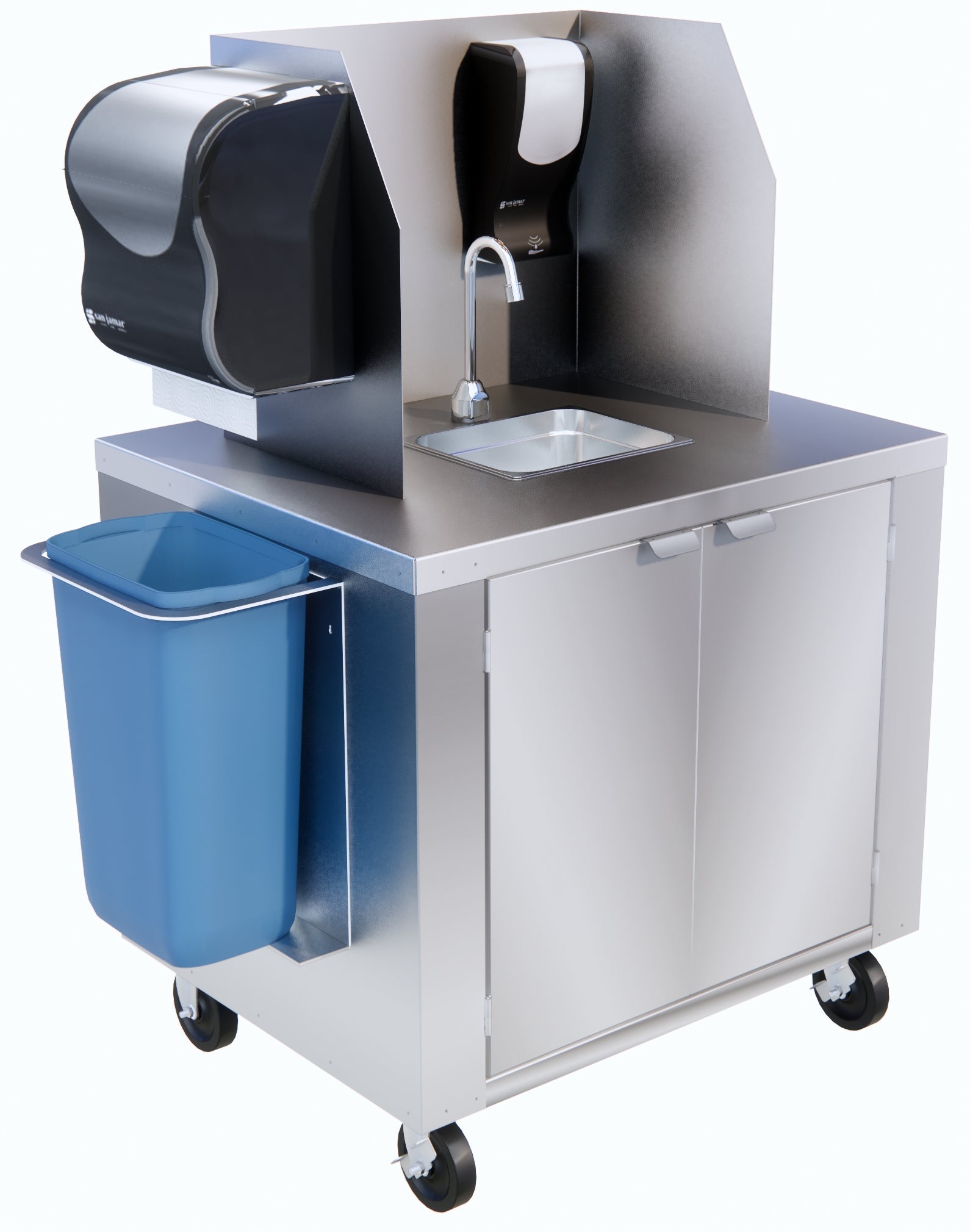
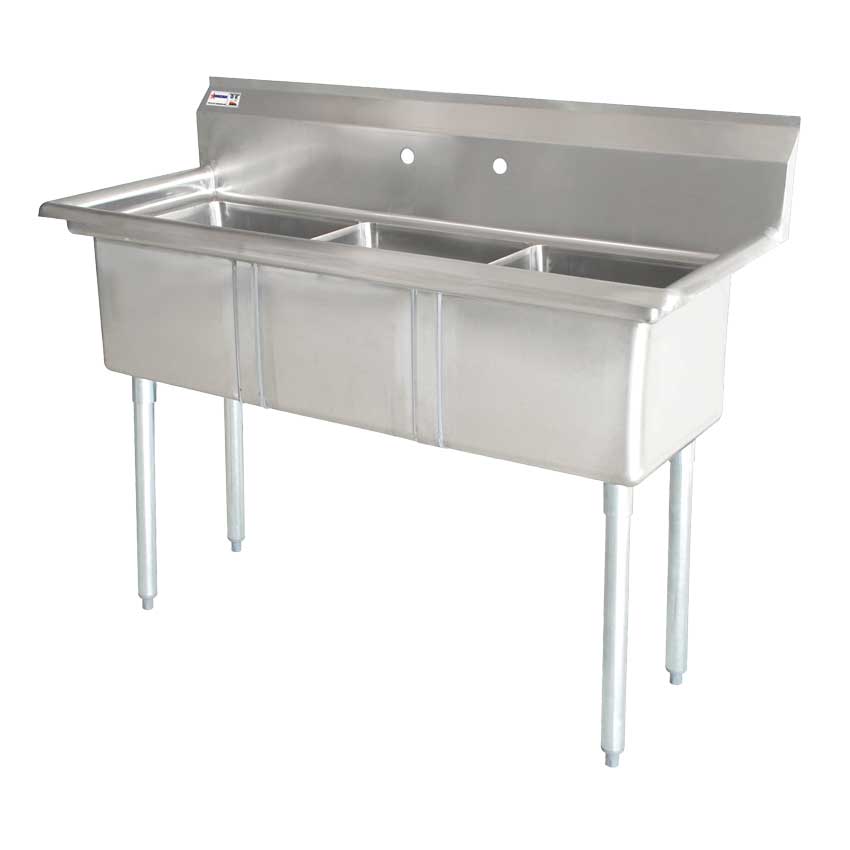
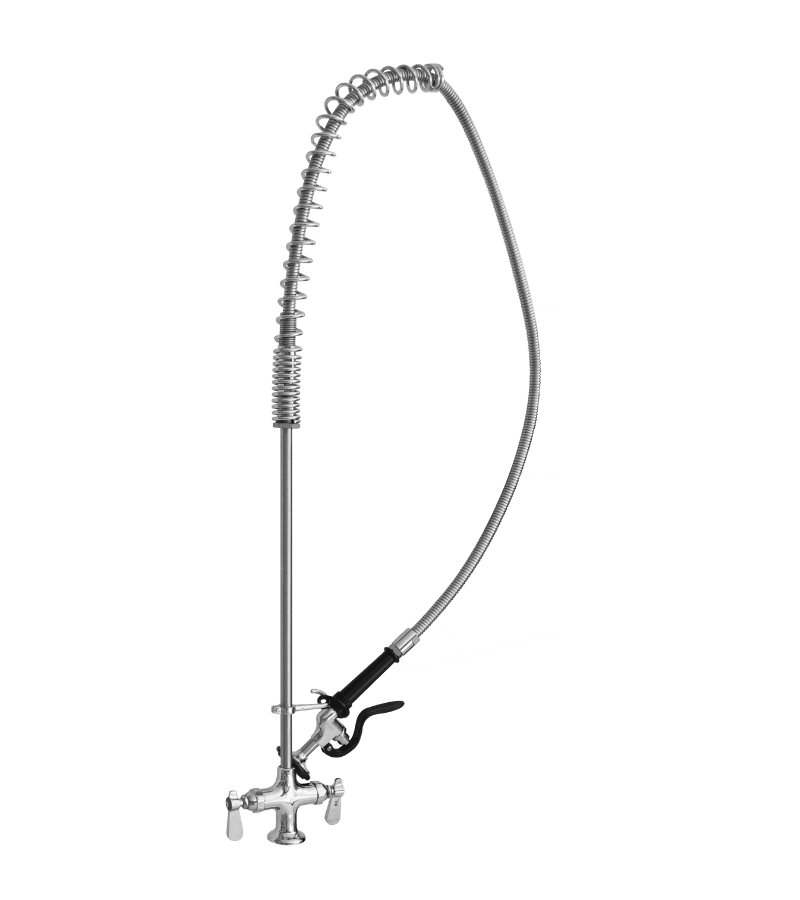
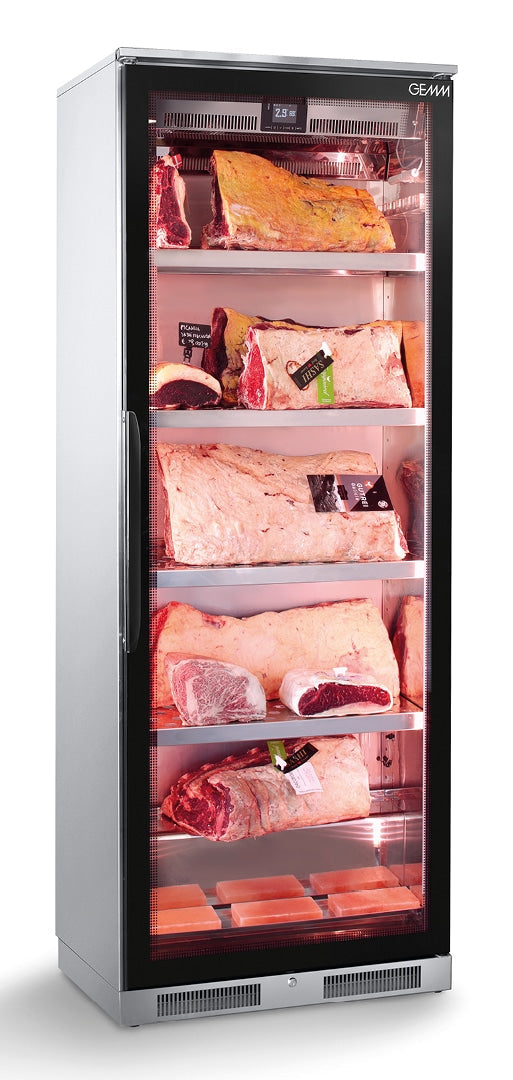
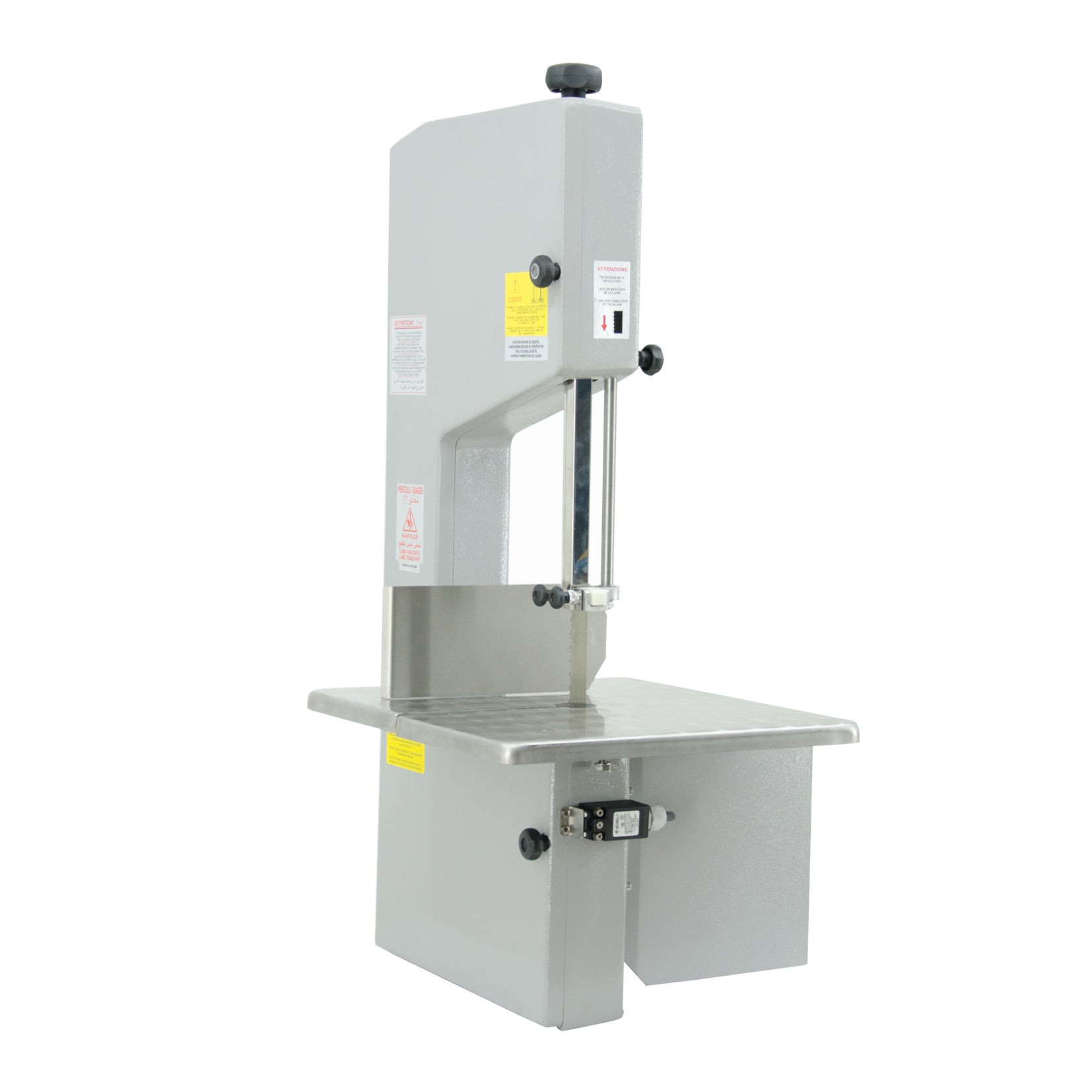
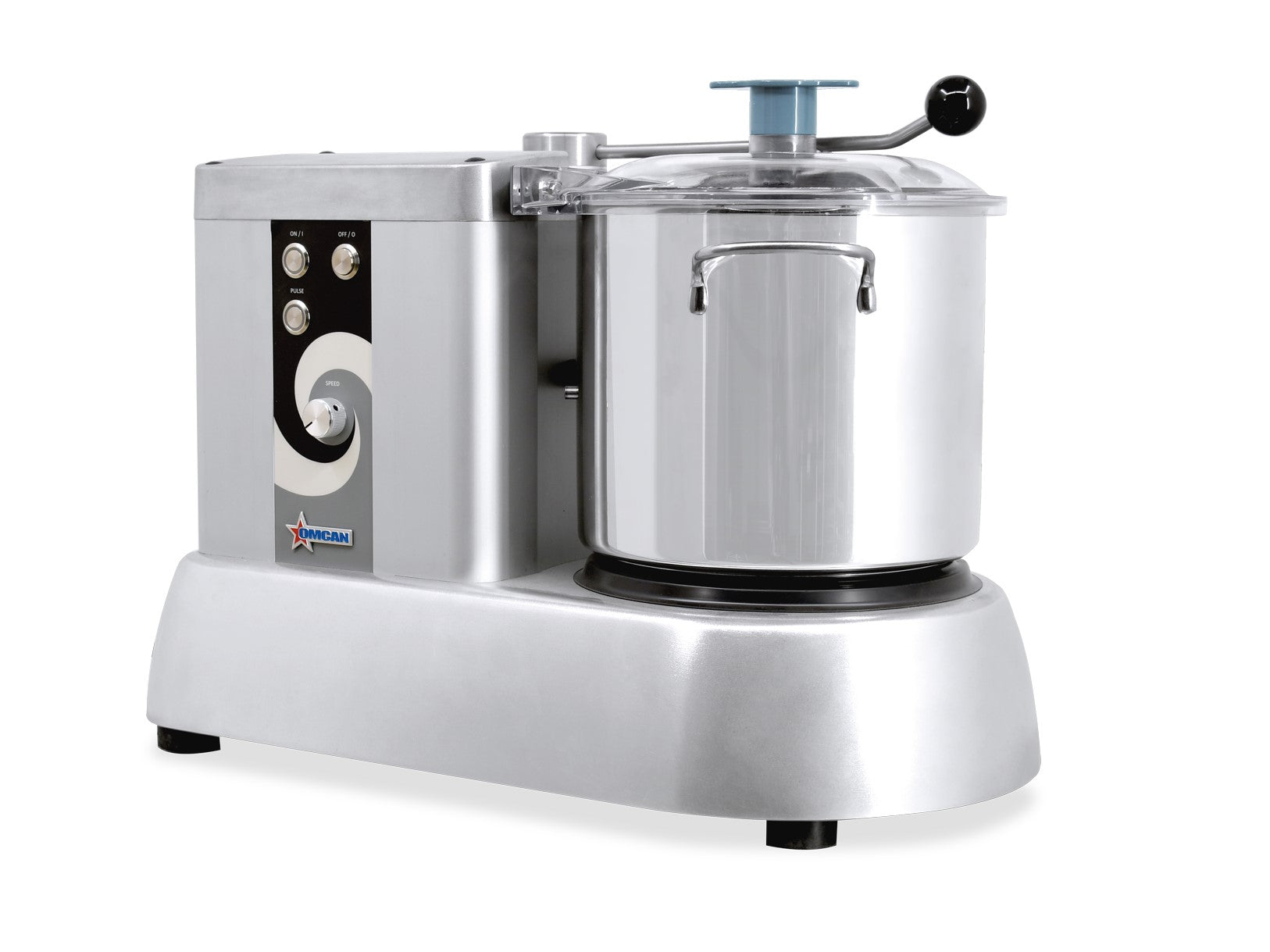
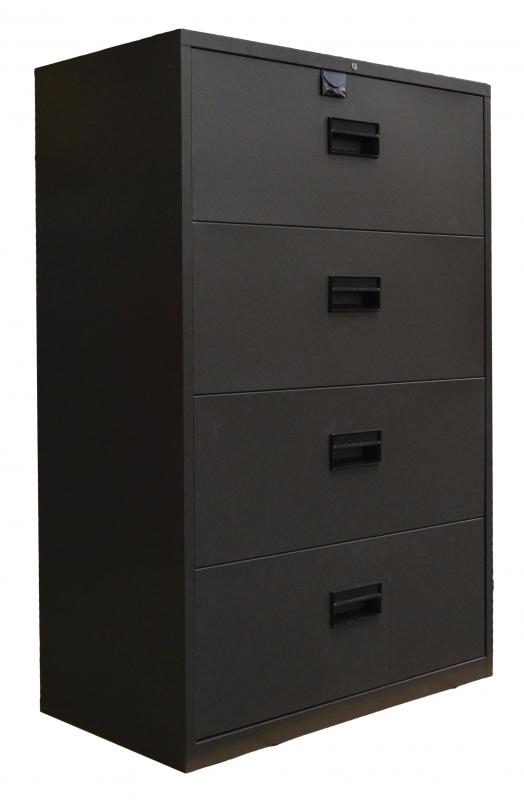
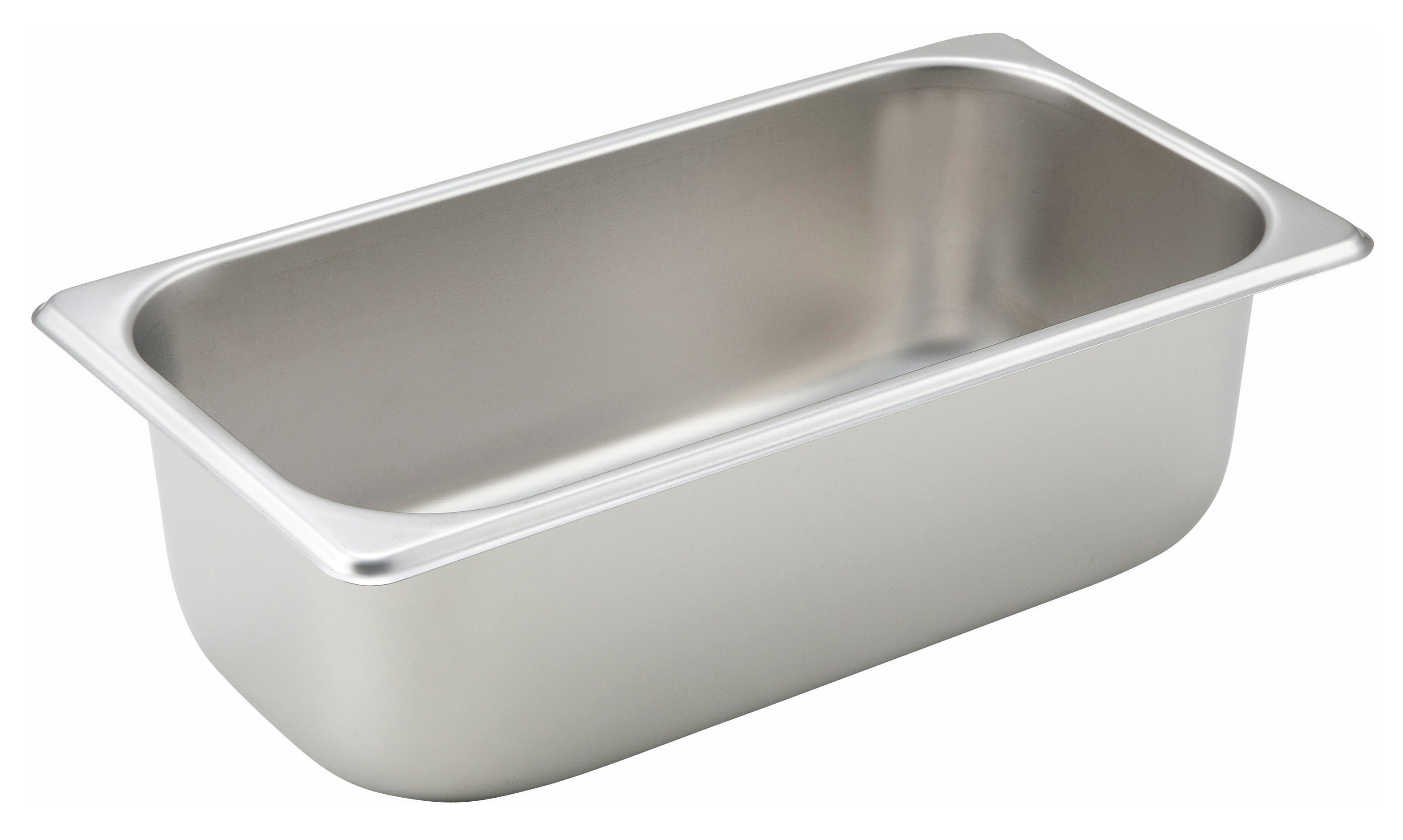
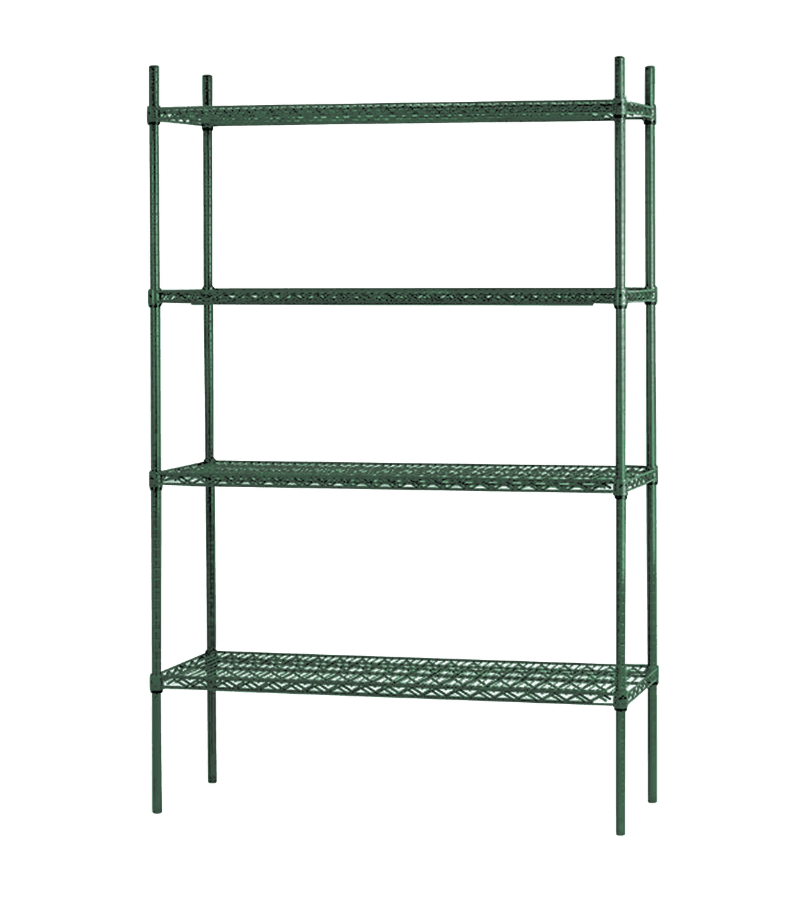
Map how ingredients move from receiving and storage to preparation, cooking, service and warewashing. This helps prevent bottlenecks and unnecessary staff movement. Your core list may include reach-in refrigeration and freezers, prep refrigeration, cooking equipment, commercial work tables, commercial sinks, dishwashing equipment and restaurant shelving.
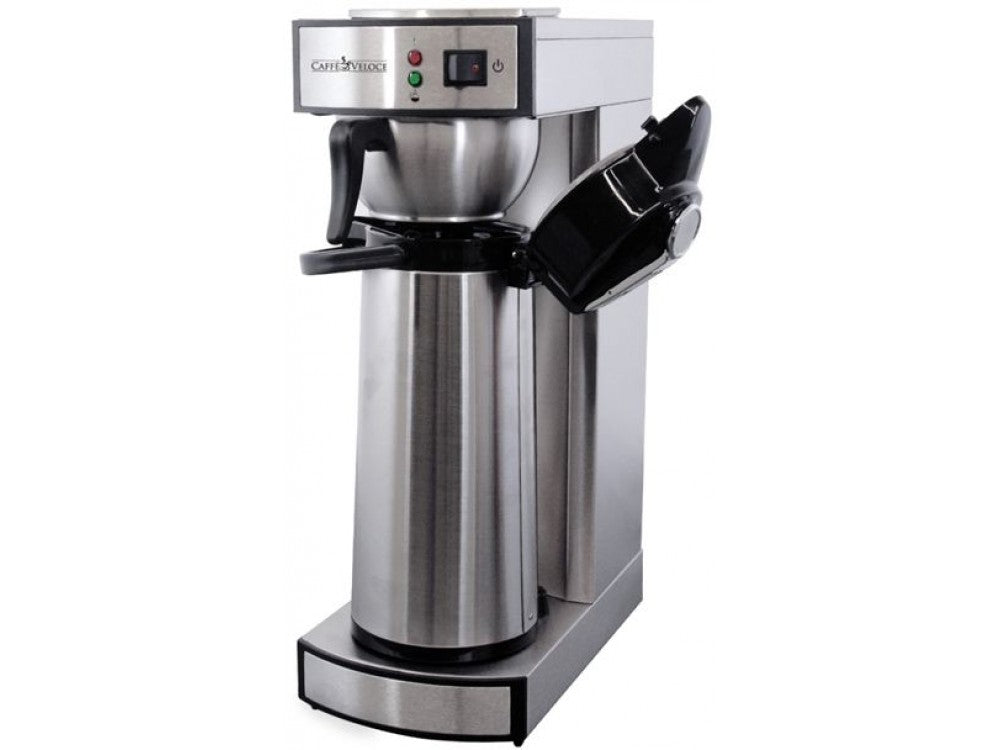
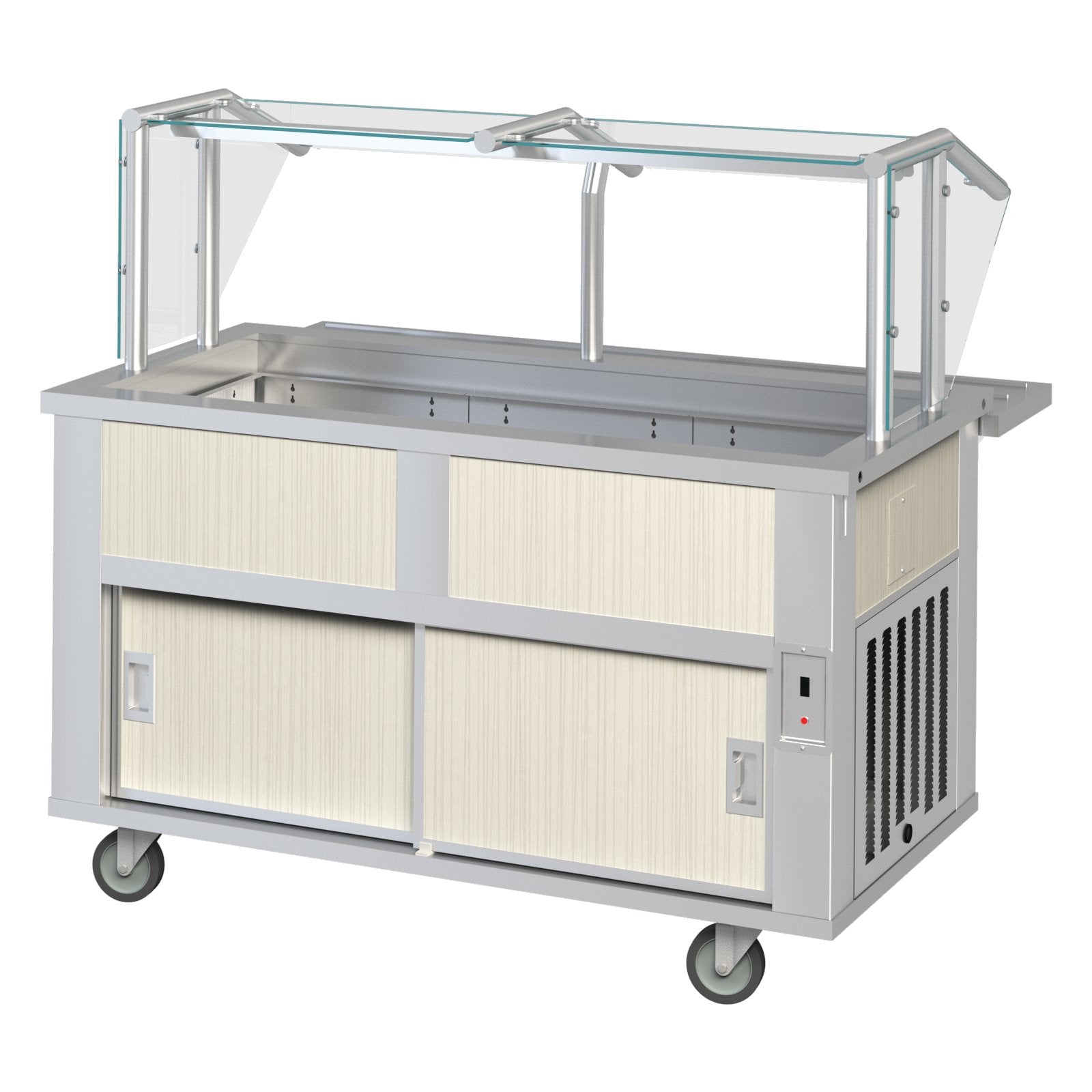
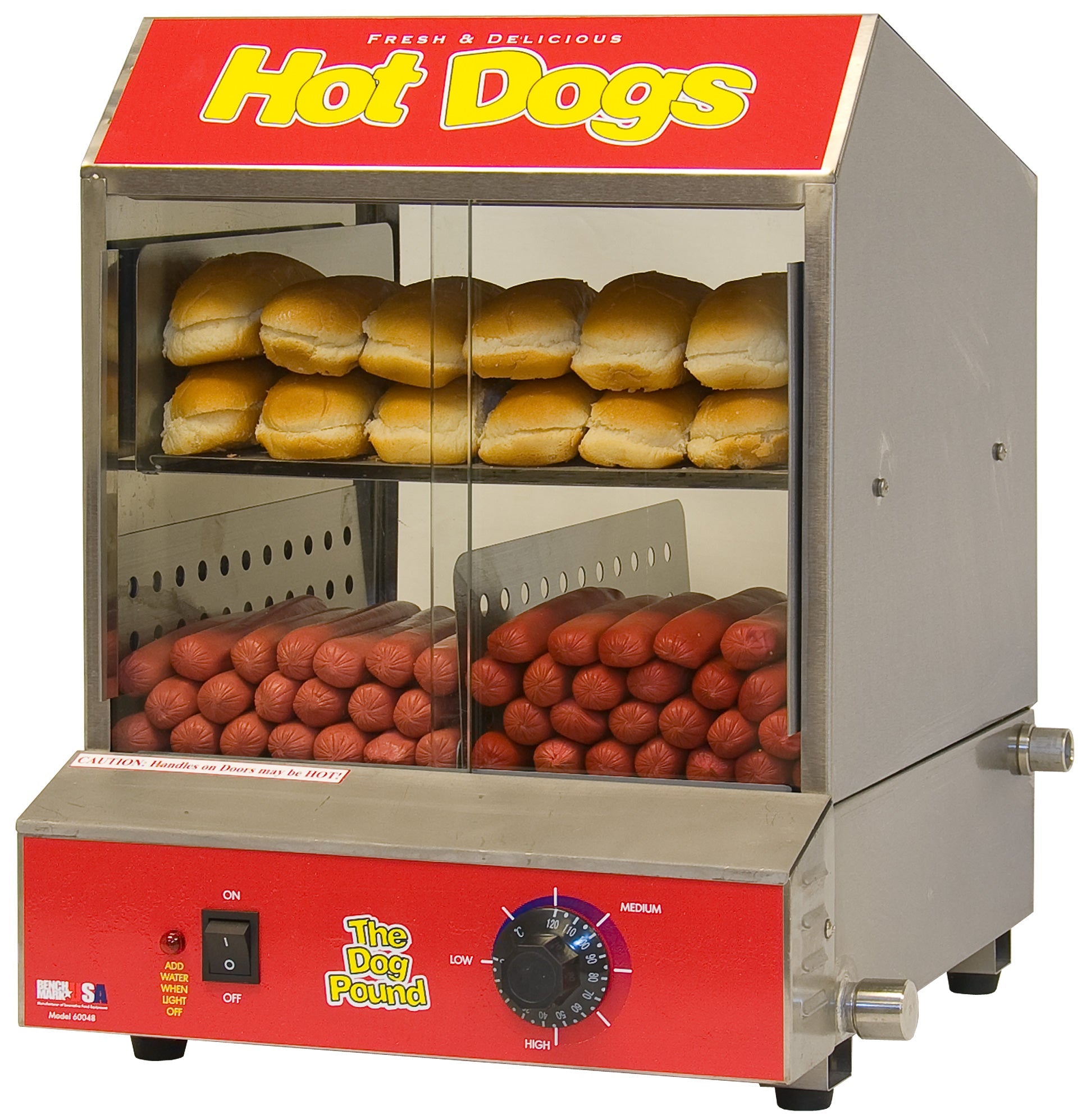
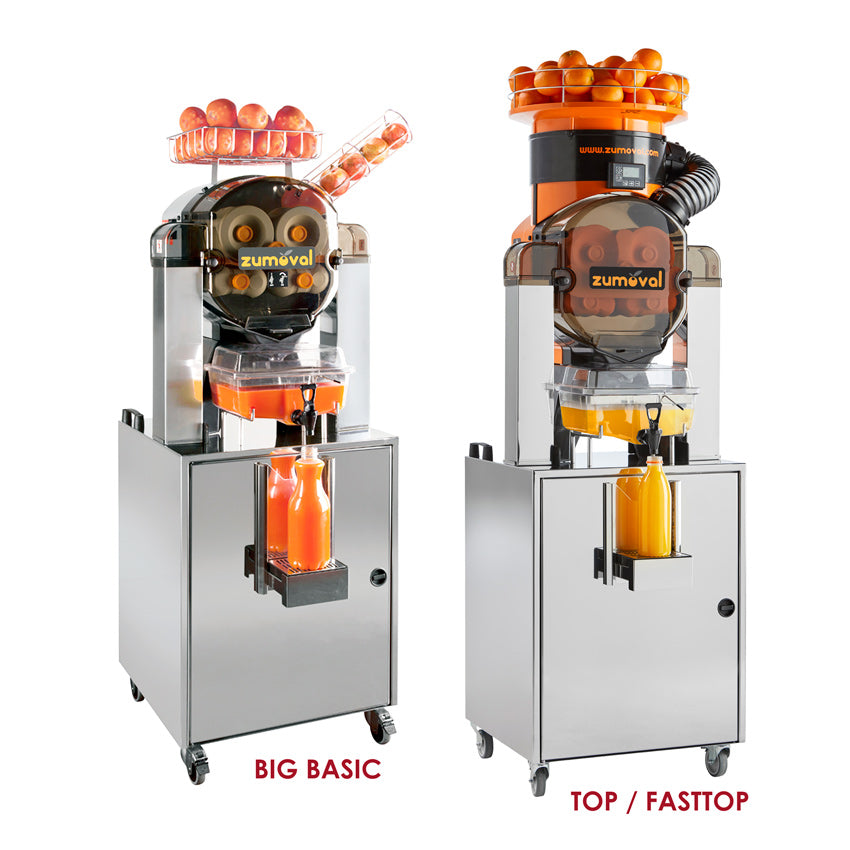
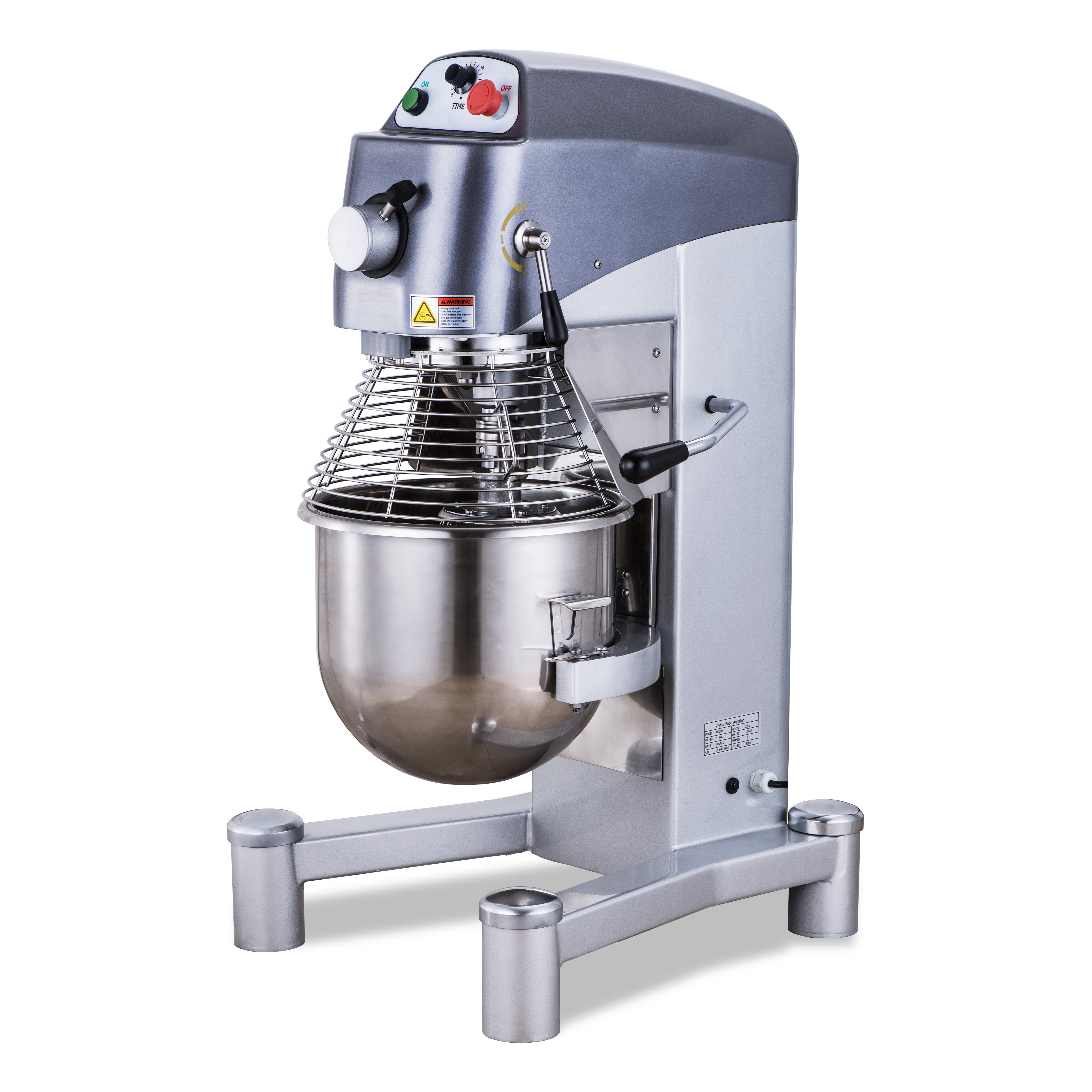
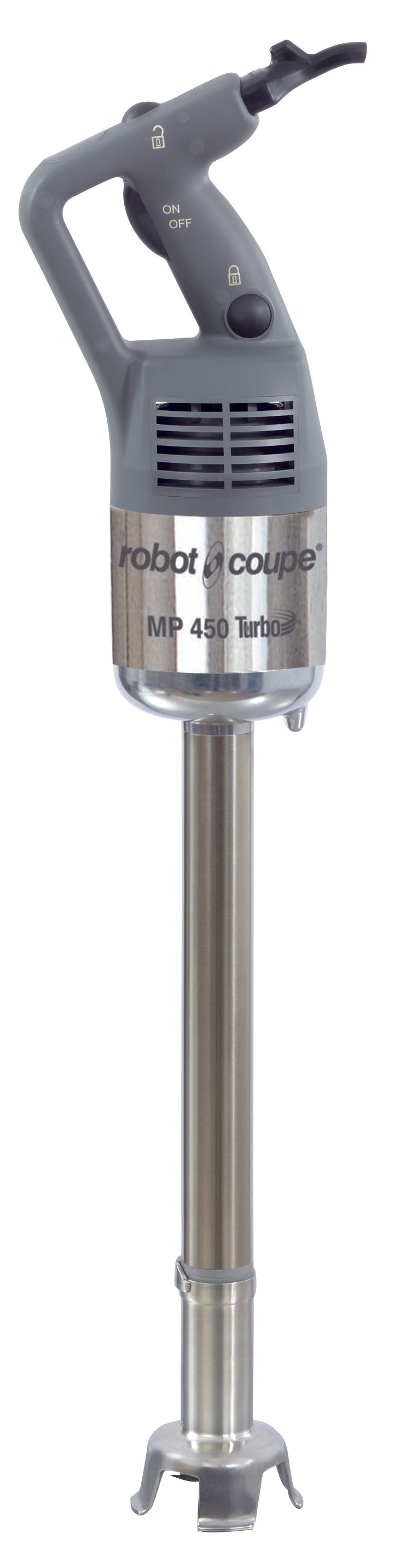
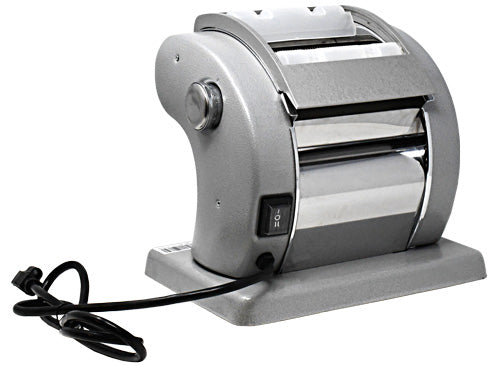
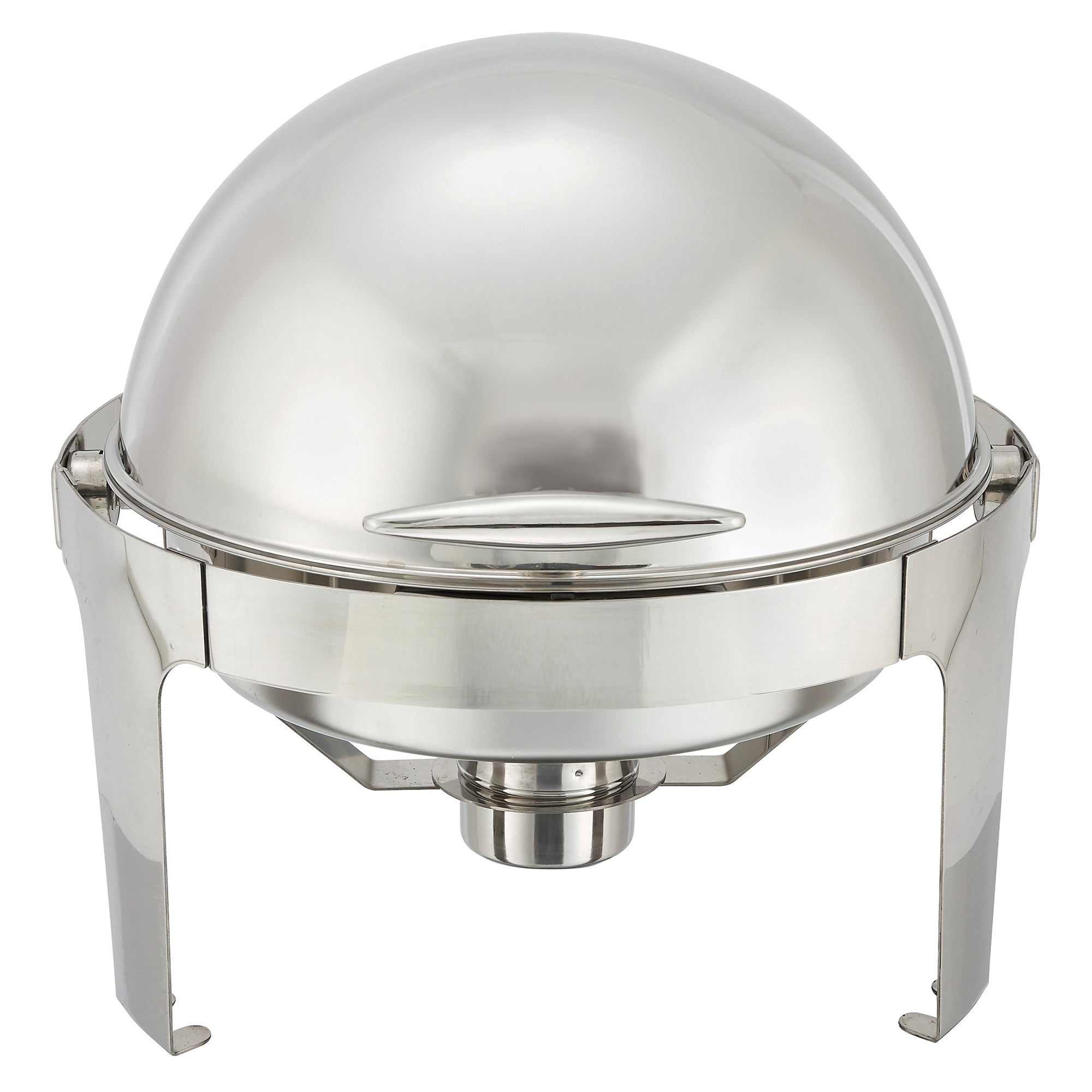
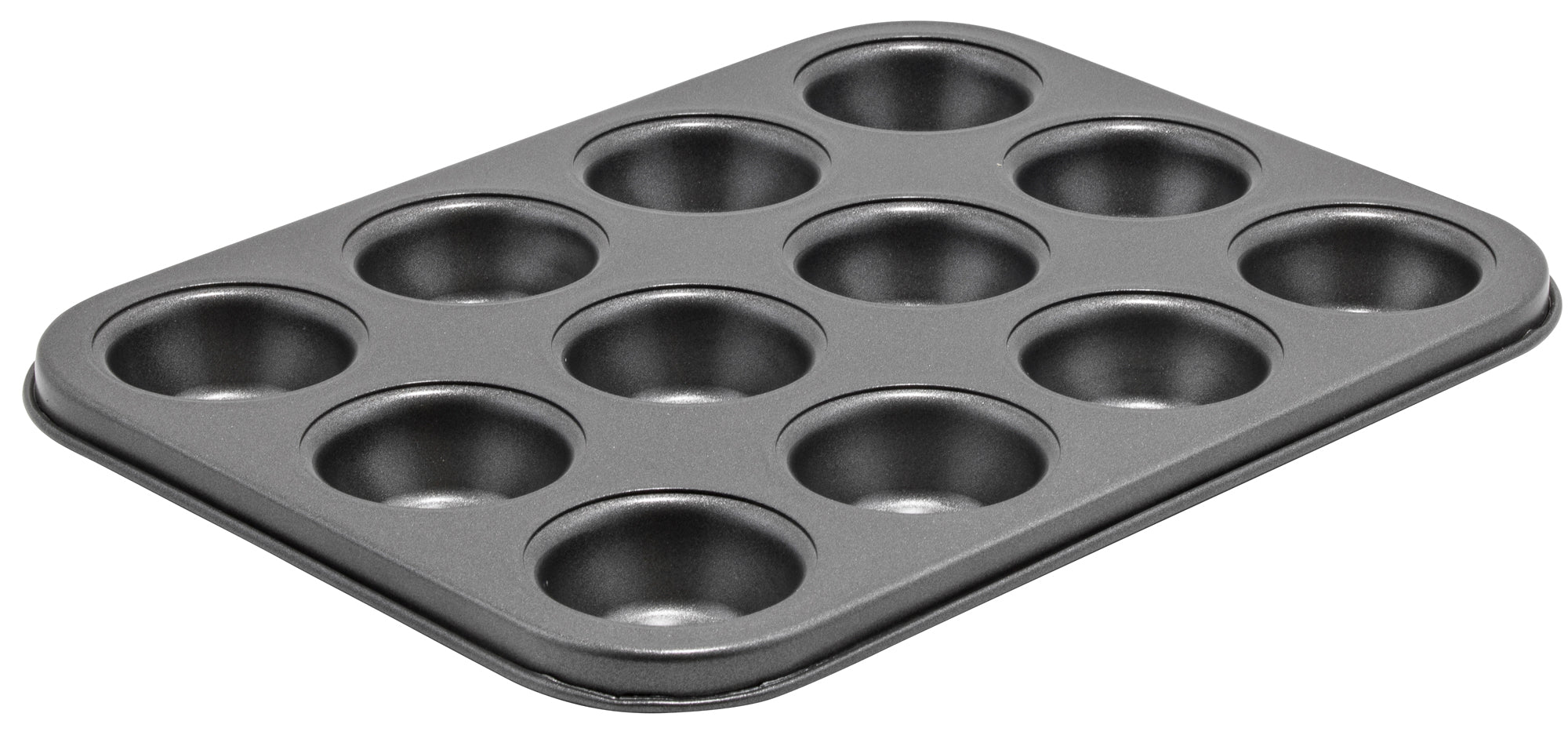
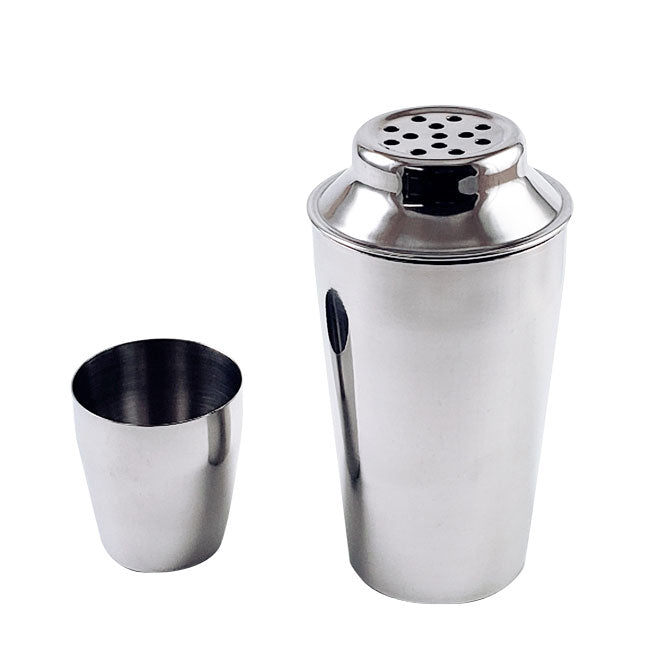
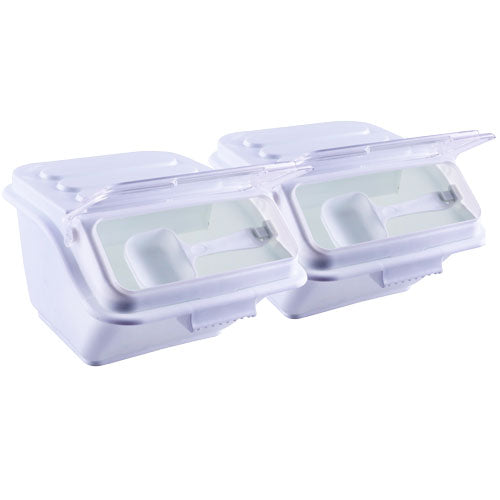
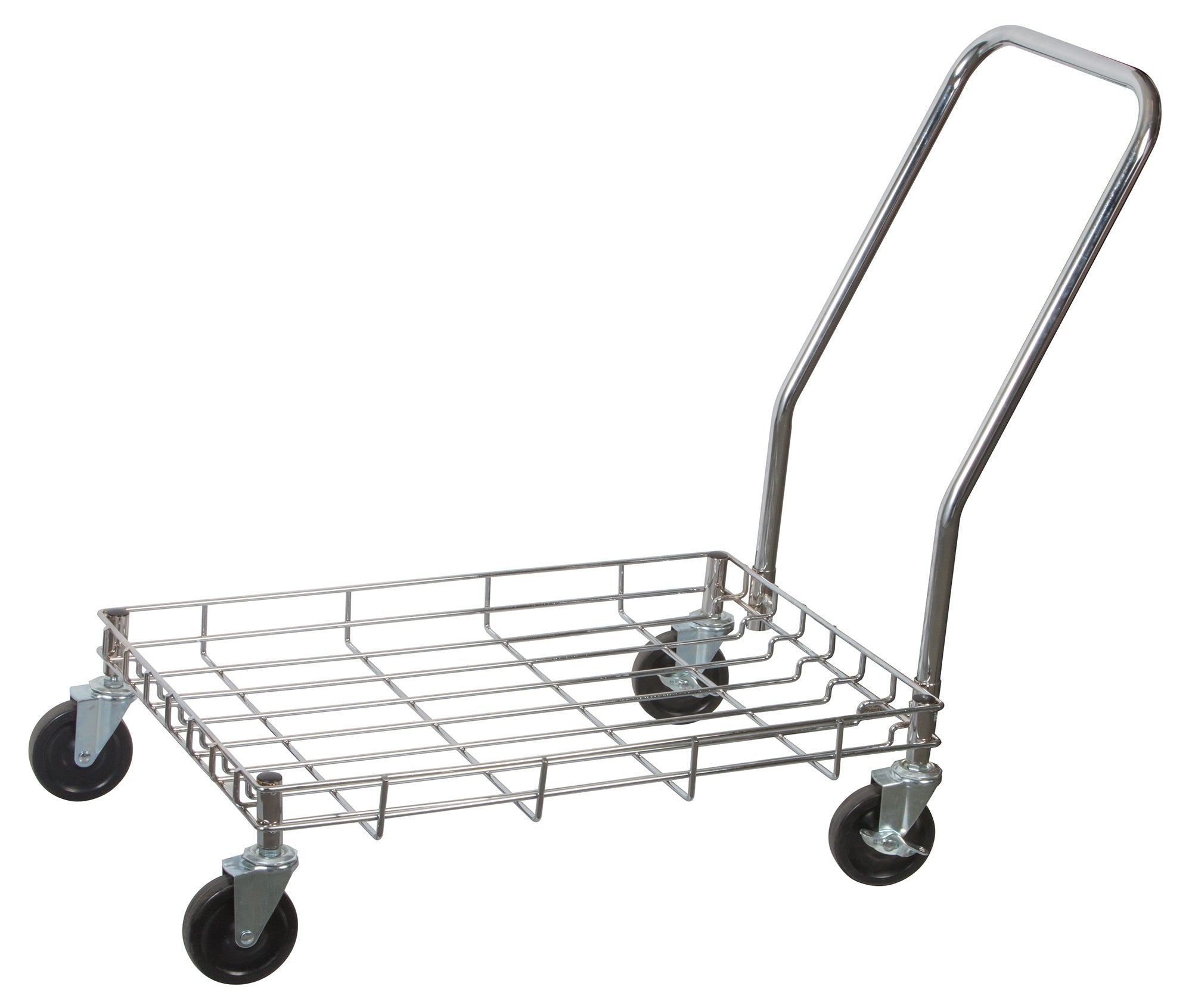
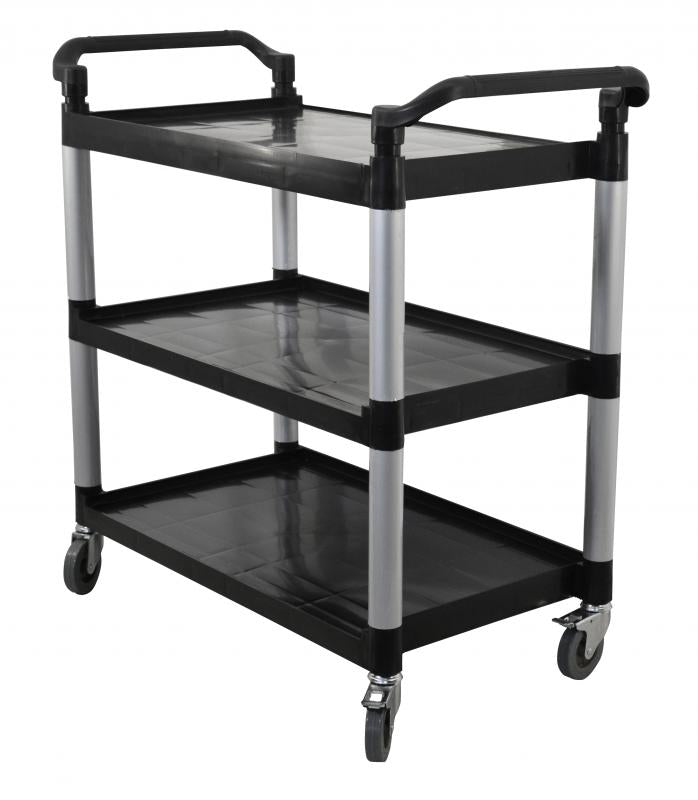
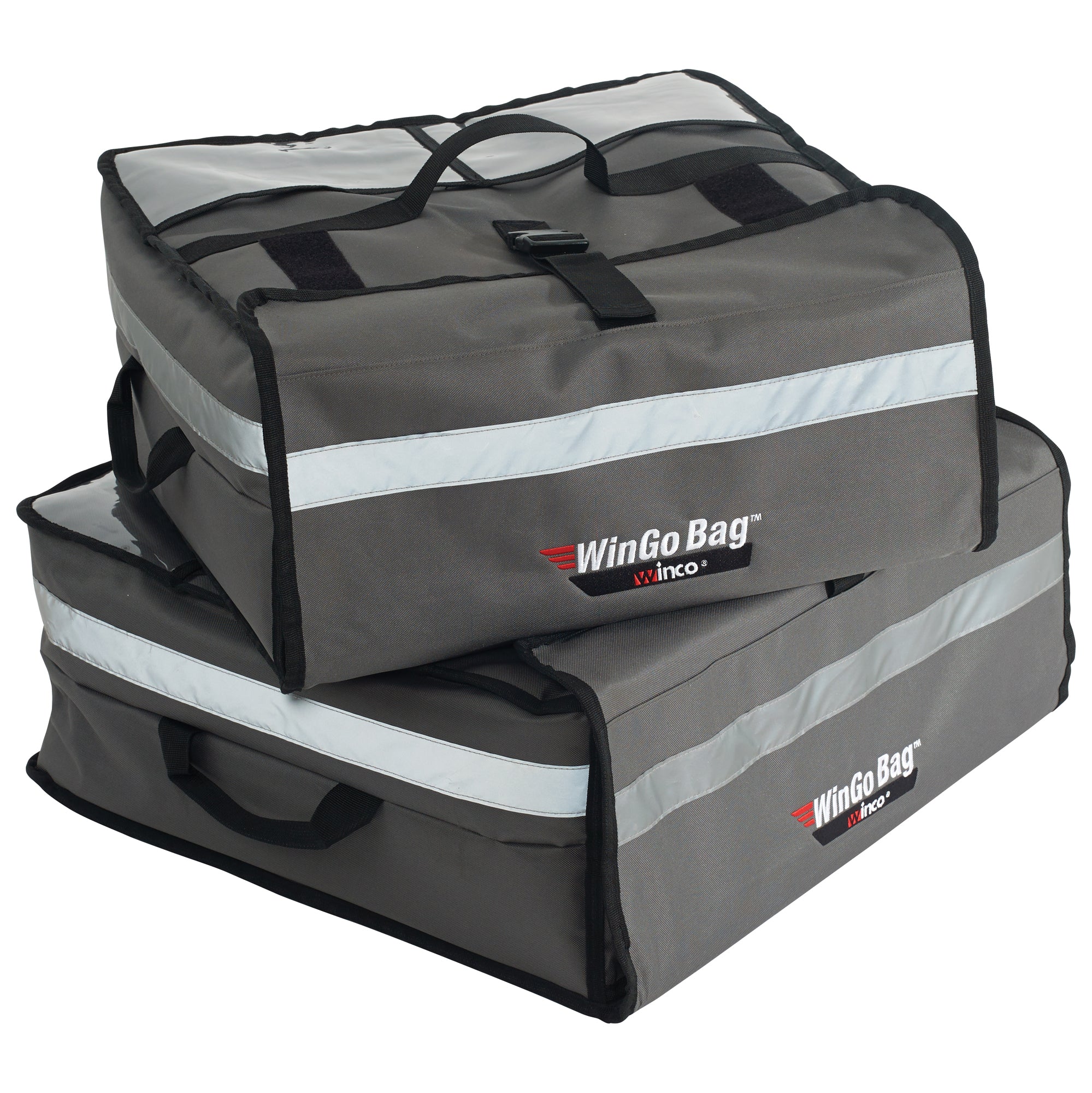
Select capacity for your busiest realistic service period—not only an average day. A bakery may prioritize commercial mixers and dough equipment, while a caterer may need food holding and warming equipment and transport solutions. Cafés and concession operators may focus on beverage equipment.

Understand Canadian Safety Requirements
Restaurant requirements are mainly enforced through provincial, territorial and local authorities. Federal Safe Food for Canadians Regulations may also apply when a business imports, exports or trades food across provincial borders.
In British Columbia, the Food Premises Regulation requires equipment and food-contact surfaces to be suitable, durable, easily cleaned, sanitary and in good working order. Potentially hazardous food must generally be kept at 4°C or colder, or 60°C or hotter; frozen food must be maintained at -18°C or colder. Refrigeration and hot-holding units must have thermometers accurate within 1°C.
Electrical equipment should display a Canadian certification mark accepted by the local authority, such as an applicable CSA, cUL or cETL mark. In B.C., Technical Safety BC requires electrical equipment to bear evidence of certification or an approved field-evaluation label. Gas appliances, connections and alterations must be approved and installed under applicable permits by qualified contractors. Food trucks using propane can have additional approval and inspection requirements.
Cooking lines may also require engineered ventilation, make-up air and fire-suppression systems. Confirm requirements with your health authority, municipality, fire department and licensed trades before purchasing or changing equipment. Clearances, plumbing, drainage, voltage, phase, gas type and doorway dimensions should all be verified in advance.
Choose for Cleanability, Efficiency and Service
Prioritize smooth, non-absorbent food-contact surfaces, accessible components and enough clearance for cleaning and maintenance. Build written sanitation schedules around manufacturer instructions. For regulated product categories, confirm compliance with Canada’s Energy Efficiency Regulations, and compare ENERGY STAR-certified options where available.
A dependable restaurant supply store should help you compare capacity, specifications, certifications, warranties and replacement-part availability. This is particularly important across B.C., where service access and delivery conditions can differ between Metro Vancouver, the Interior and the Islands.
Budget Beyond the Purchase Price
Evaluate the total cost of ownership, including electricity or gas use, water consumption, ventilation demand, cleaning time and planned maintenance. Confirm warranty conditions and access to technicians before ordering. Measure delivery routes, elevators and doorways, and check whether installation, commissioning or old-equipment removal is included. Leaving room in the budget for smallwares, water treatment, permits and contingency costs creates a more realistic opening plan and helps avoid expensive last-minute substitutions.
Build a Kitchen Ready for Service
The best commercial kitchen equipment in Canada is not simply the largest or least expensive option. It is equipment matched to your menu, space, staff, utilities, compliance obligations and growth plan. A thoughtful layout and verified specifications can reduce delays, improve sanitation and protect your investment.
Plan your kitchen with Brittania Food Equipment.