






















Opening a restaurant, café, bakery, food truck, catering kitchen or institutional food operation requires more than a great menu. Your equipment must support safe food handling, efficient workflow, realistic production volume and local approval. This checklist explains the essential commercial kitchen equipment in Canada and helps new operators avoid costly purchasing and layout mistakes.
Before ordering equipment, finalize your menu, projected covers, service style, available utilities and floor plan. In British Columbia, plans for a new or altered food premises may require review before construction, and food-service establishments may require operating permits. Confirm requirements with your local public health, building, fire and technical-safety authorities, because rules vary across Canada and by municipality.
| Planning note: Obtain local approvals before finalizing equipment locations, utility connections, ventilation and construction details. |
1. Core Cooking Equipment
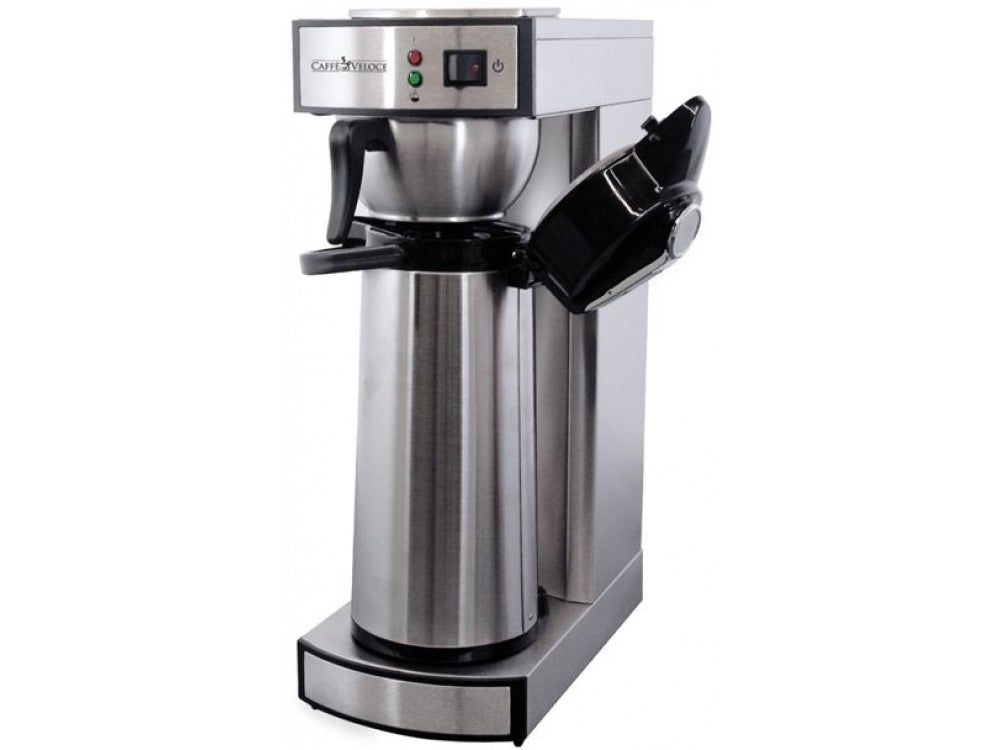
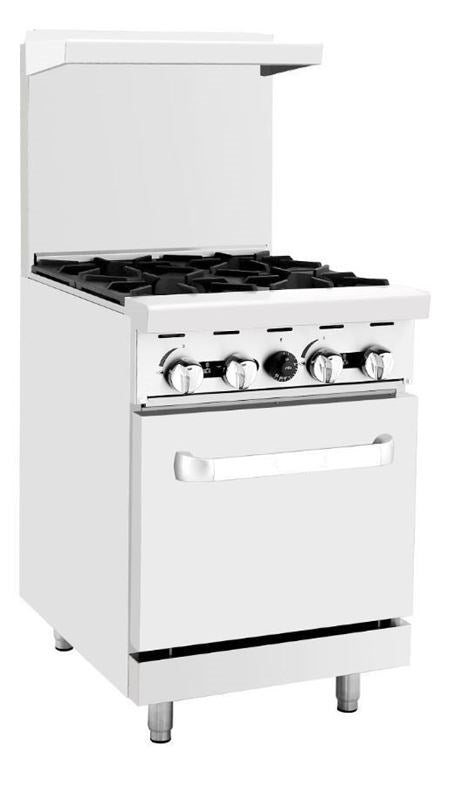
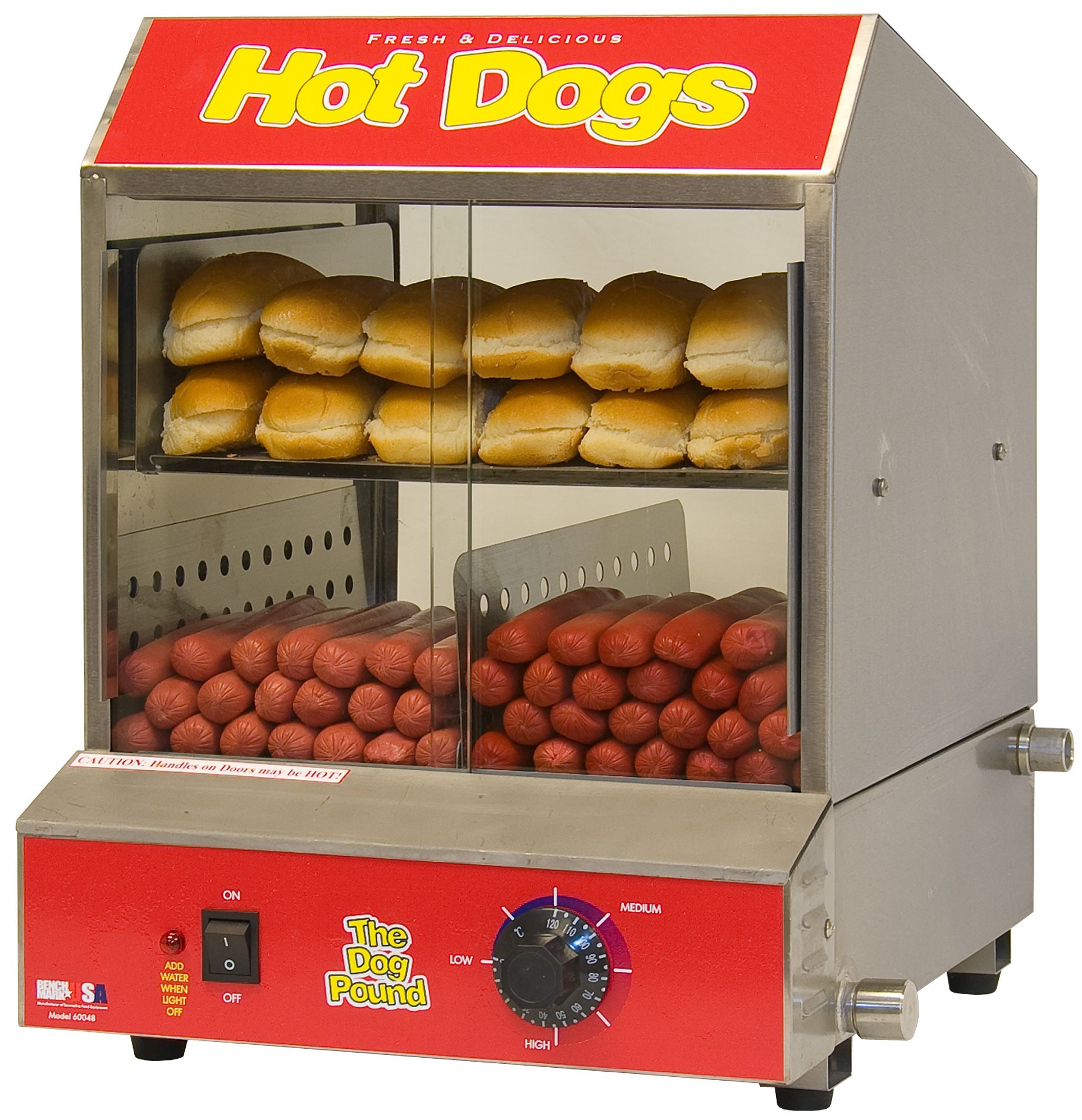
Select cooking equipment around the dishes you will actually sell. Common essentials include commercial ranges, convection ovens, griddles and broilers, deep fryers, steamers, induction units and countertop appliances.
Check fuel type, electrical load, gas input, clearances, ventilation and fire-suppression requirements before purchase. Oversized equipment wastes capital and floor space; undersized equipment creates ticket delays during peak periods. Mobile kitchens require special attention because approvals may apply to the complete food truck or trailer, not only the individual appliance.

A commercial cooking line should match the menu, service volume and ventilation plan.
2. Refrigeration and Frozen Storage
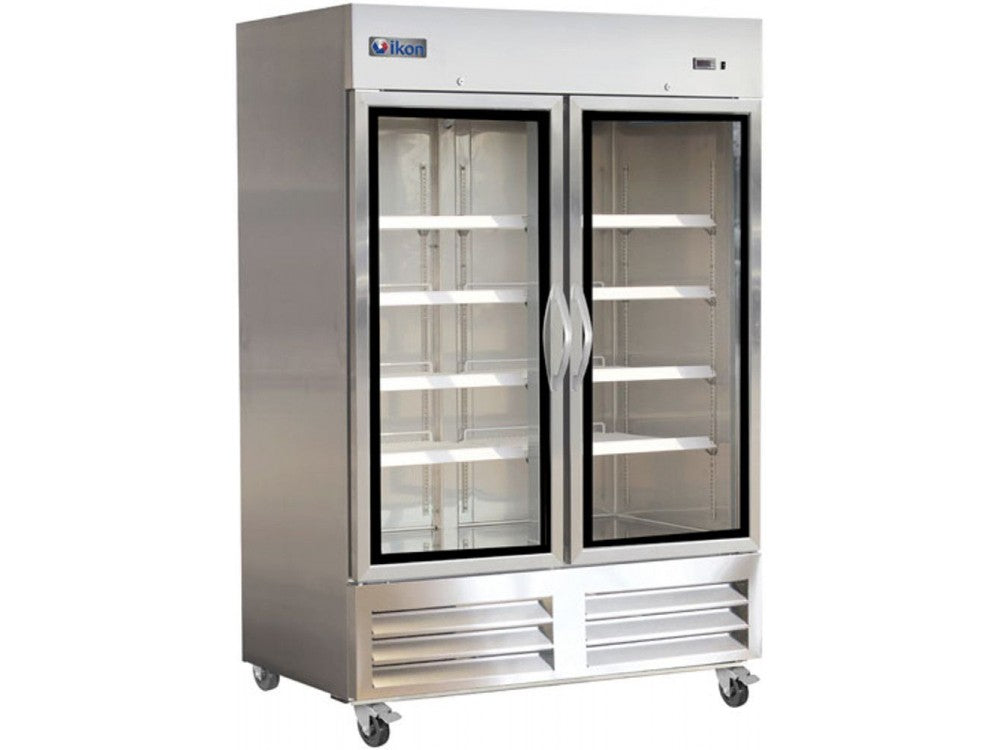
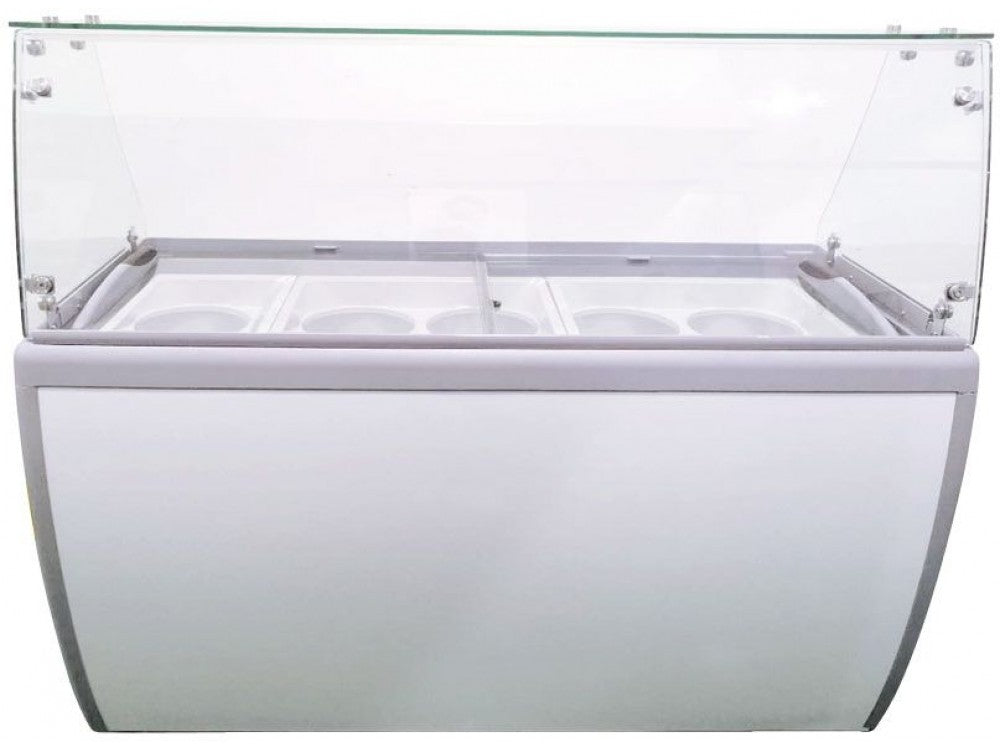
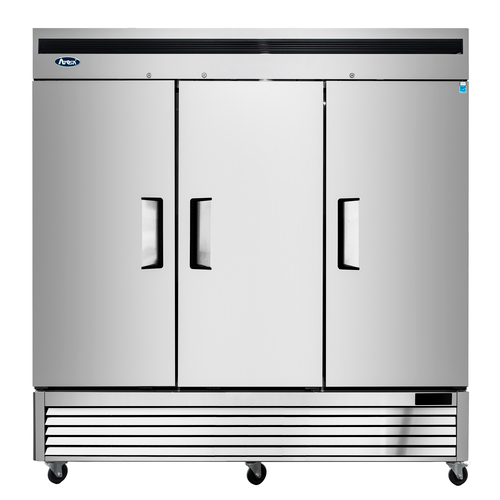
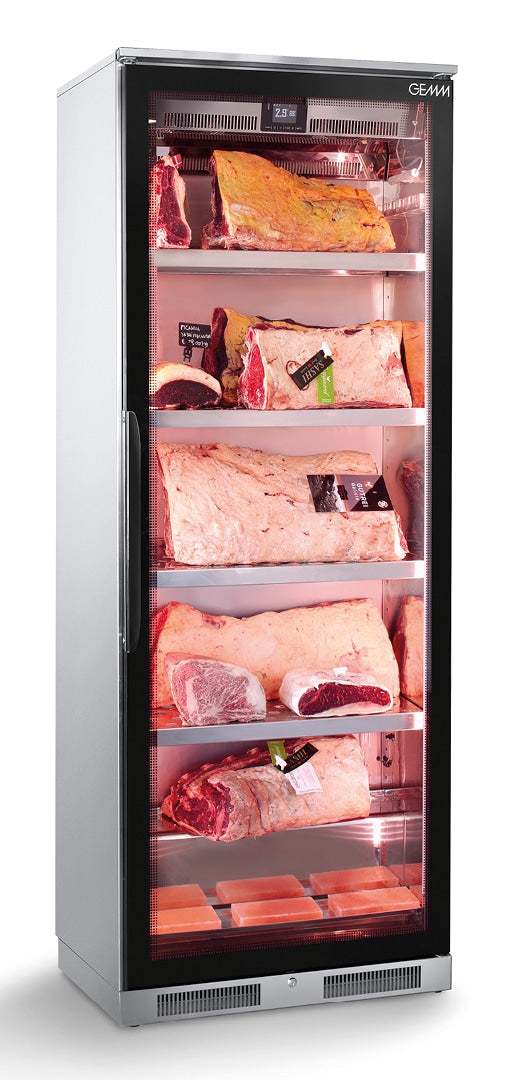
Reliable refrigeration protects inventory and supports safe preparation. Depending on your concept, consider reach-in refrigerators and freezers, walk-ins, undercounter units, display cases, ice machines and prep refrigeration.
In B.C., potentially hazardous food is generally held at 4°C or colder, or 60°C or hotter, while frozen food is stored at −18°C or colder. Equipment should provide adequate capacity and usable thermometers. Build extra room for deliveries, cooling, seasonal peaks and future menu growth rather than selecting units that will be full on opening day.
3. Food Preparation Equipment
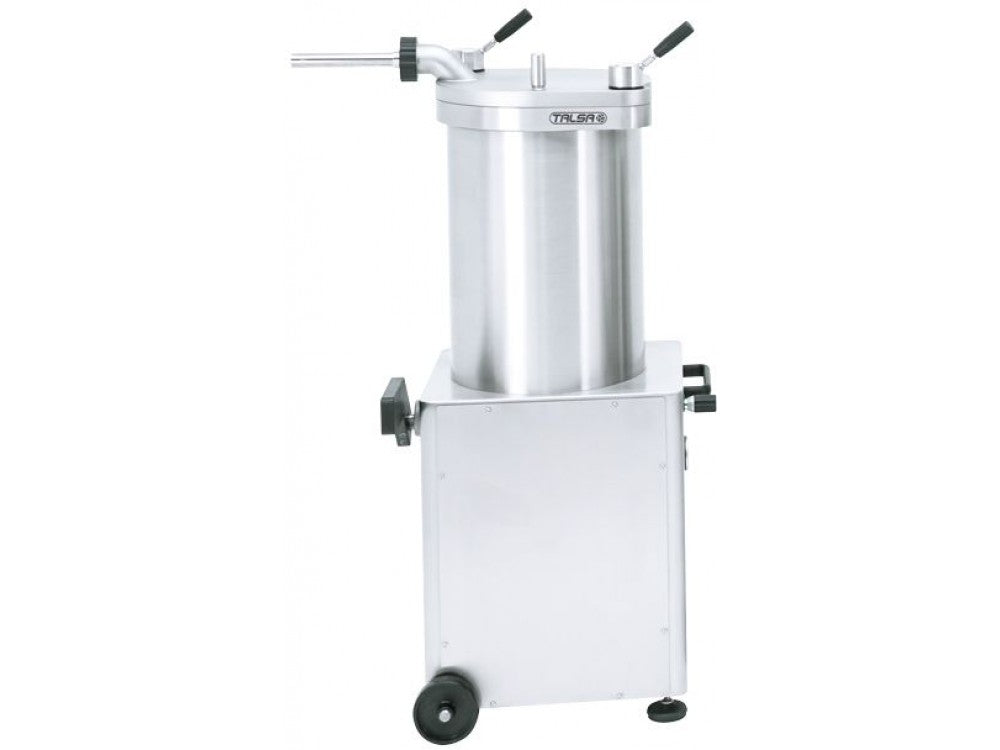
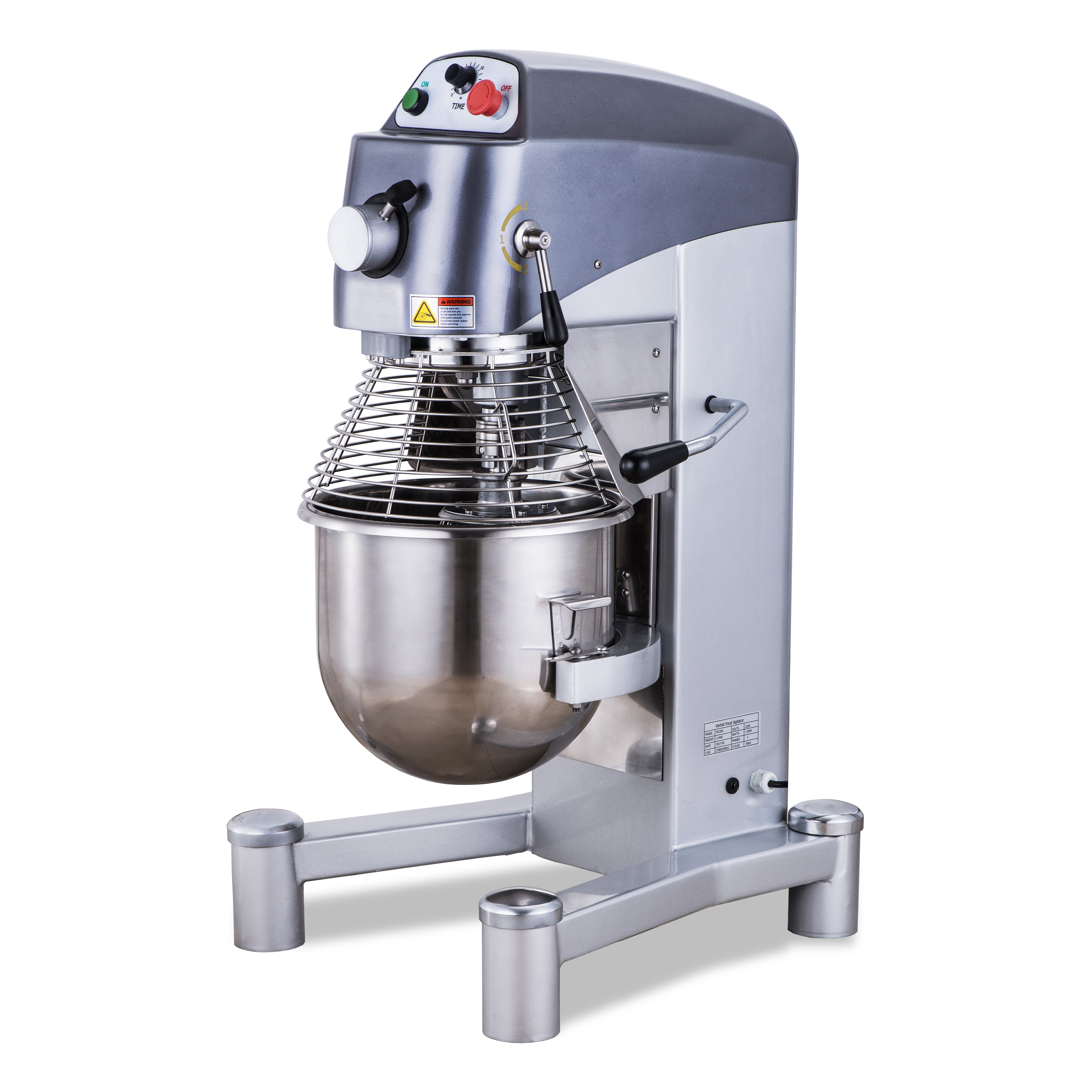
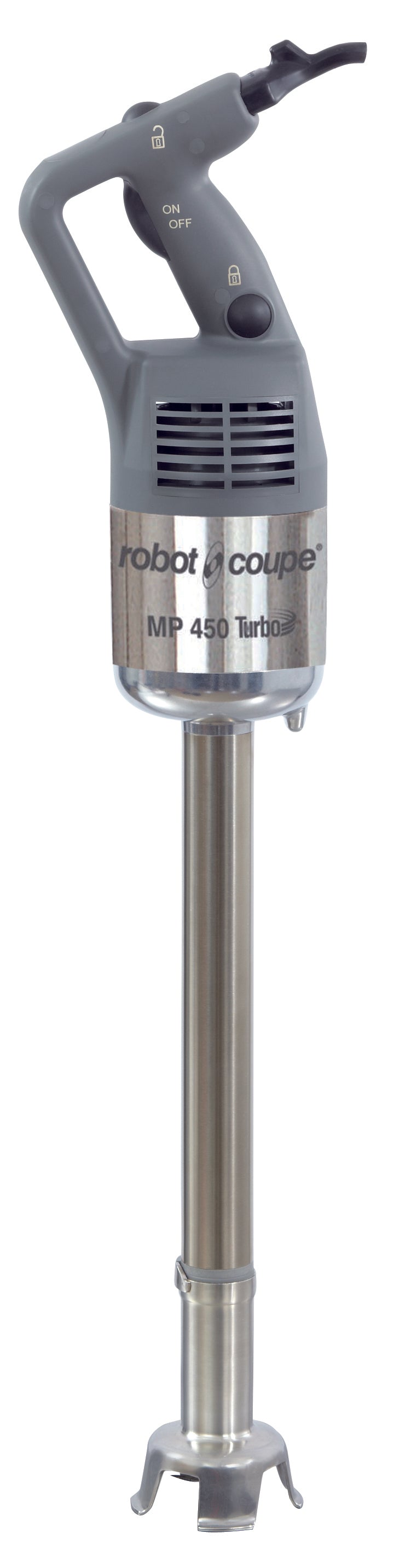
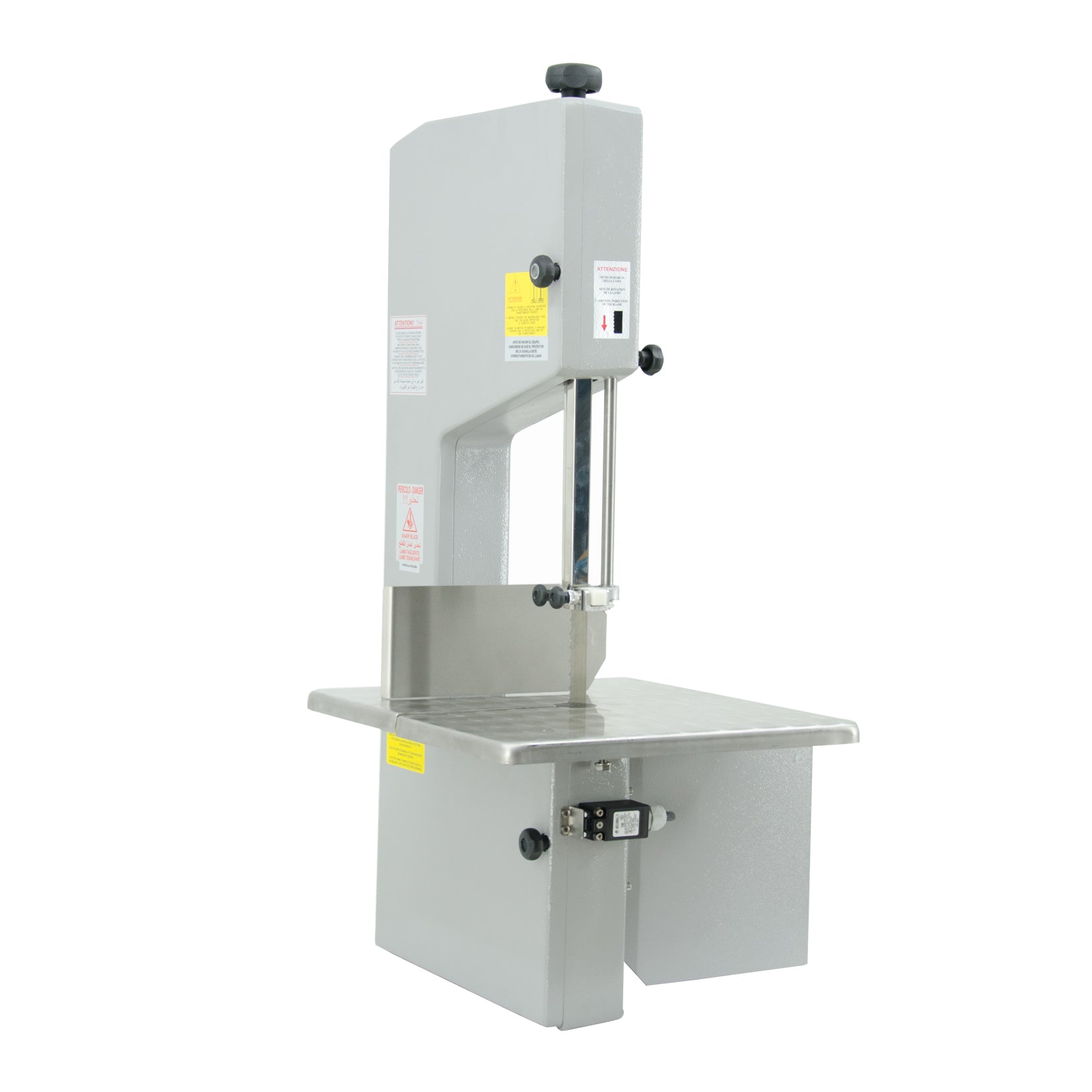
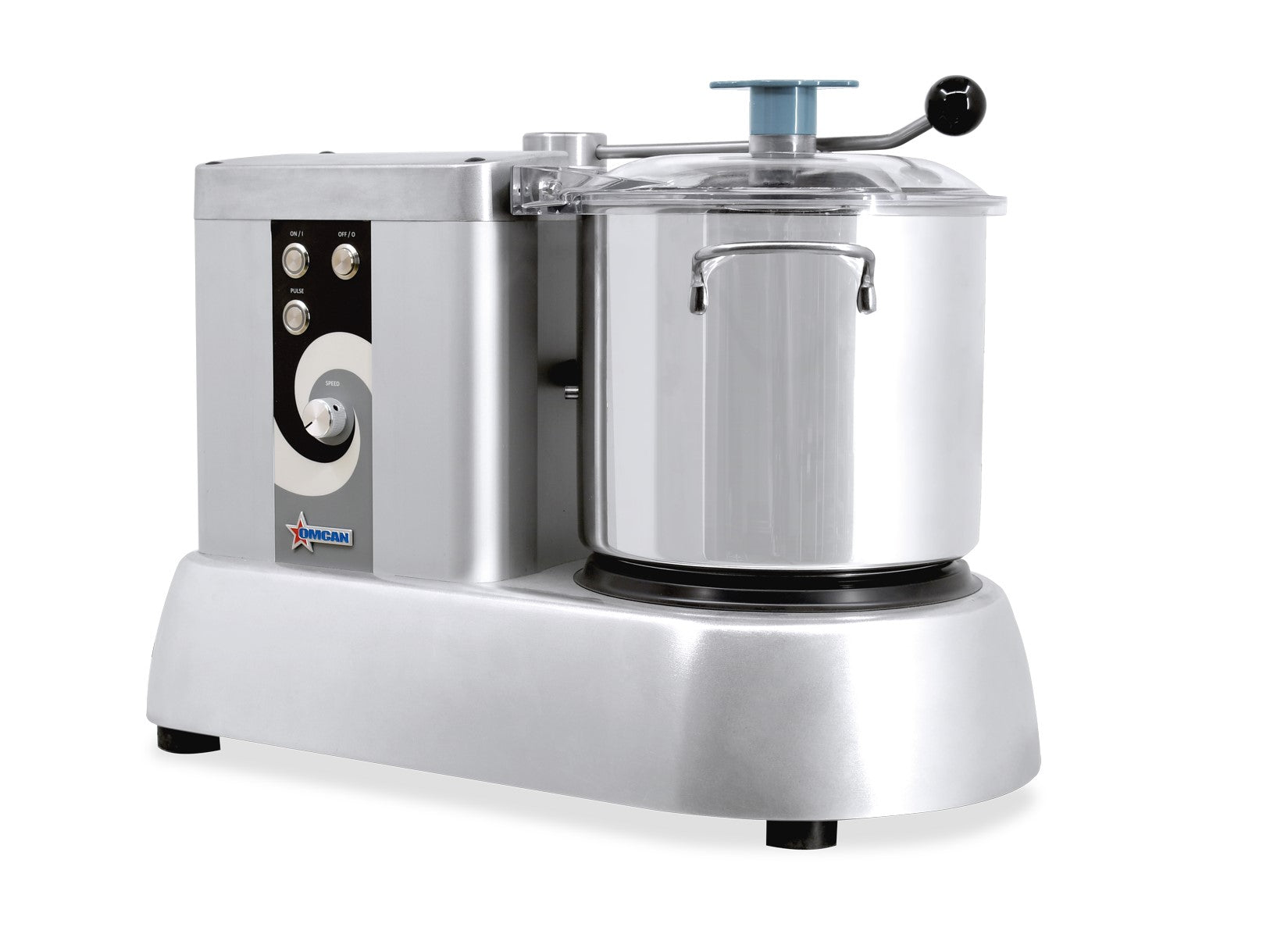
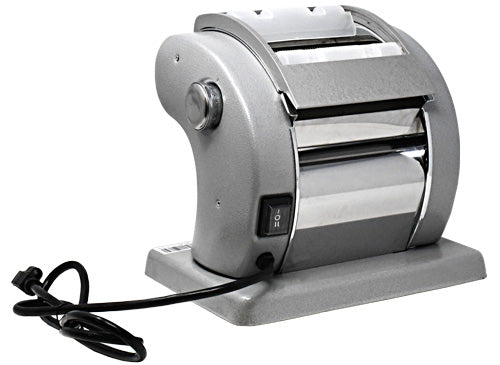
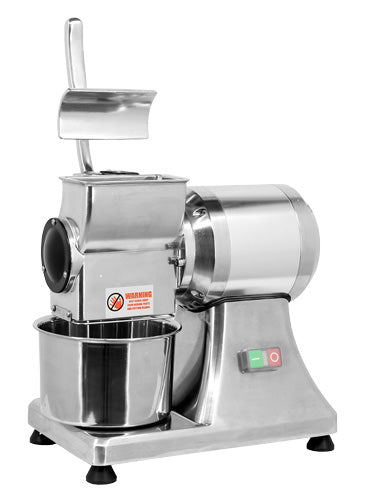
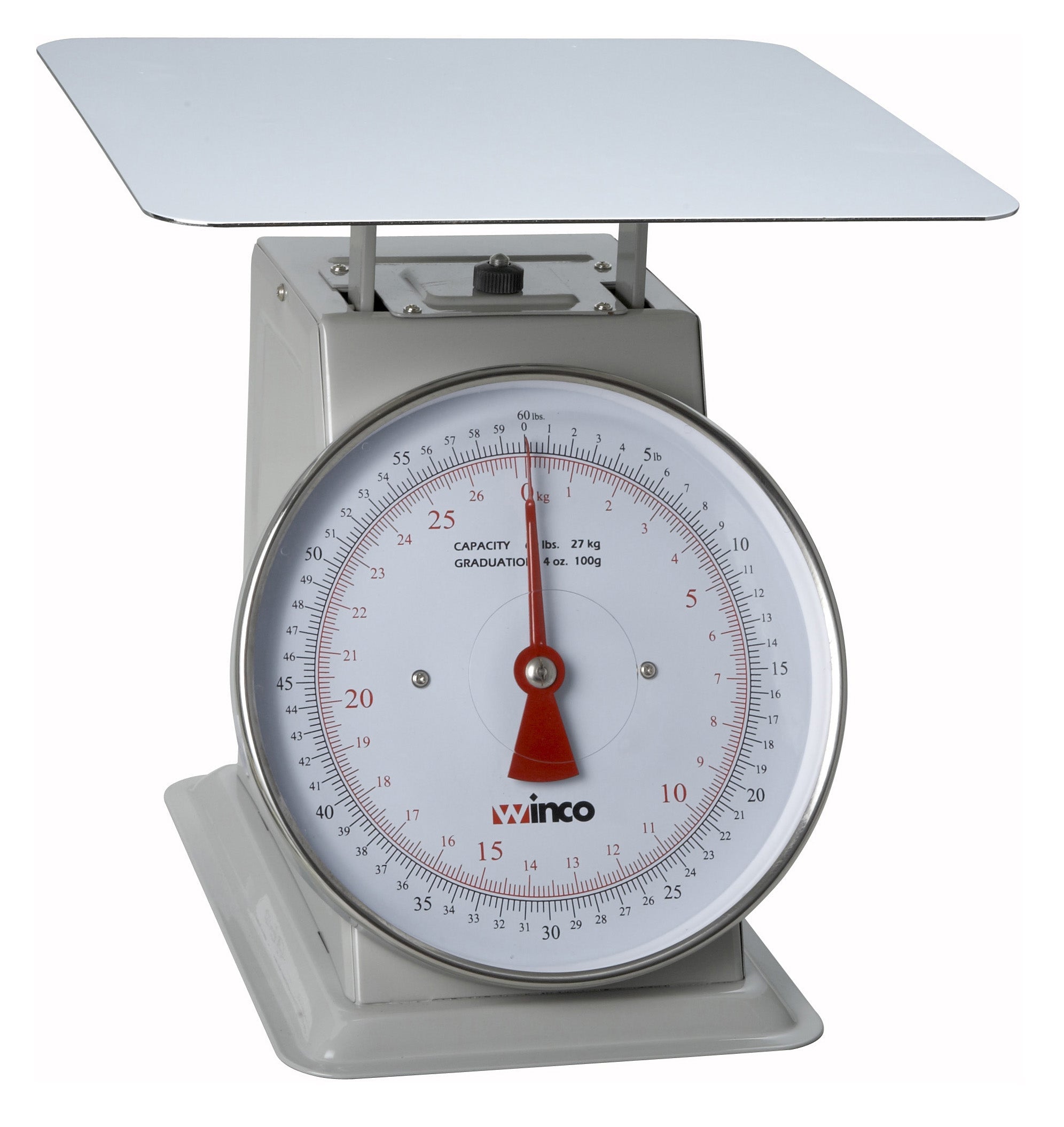
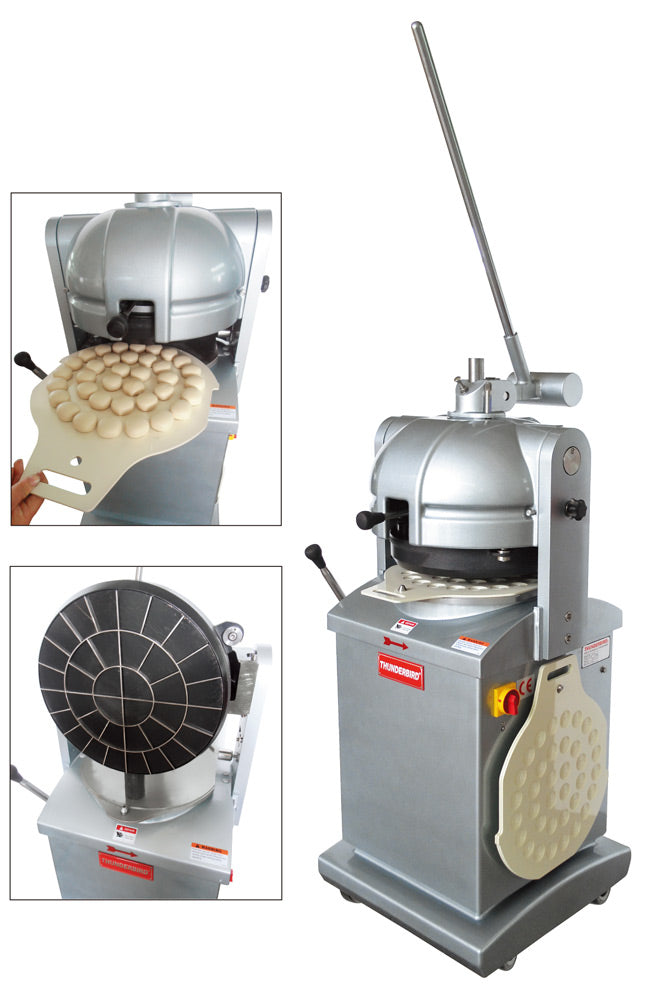
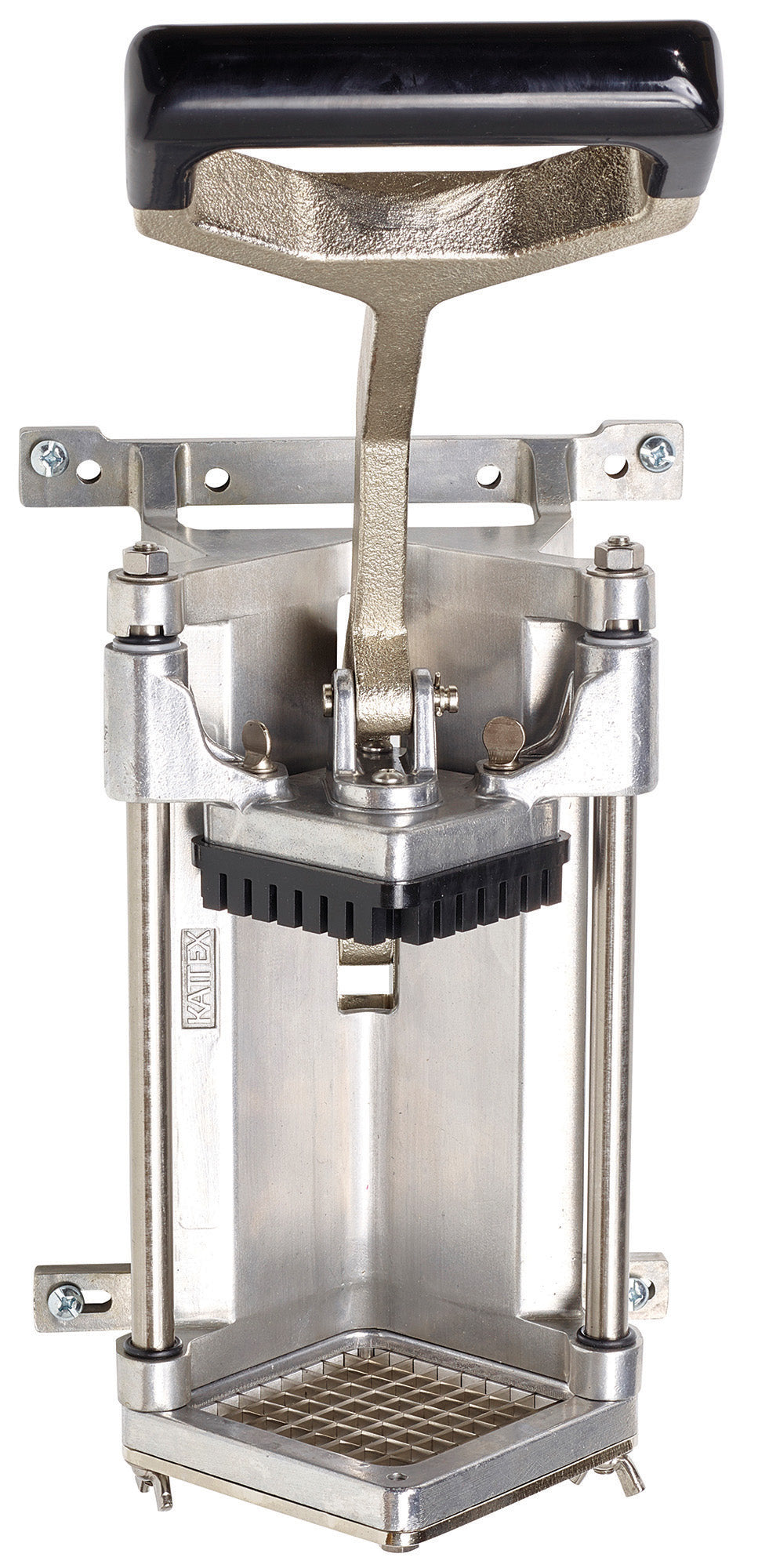
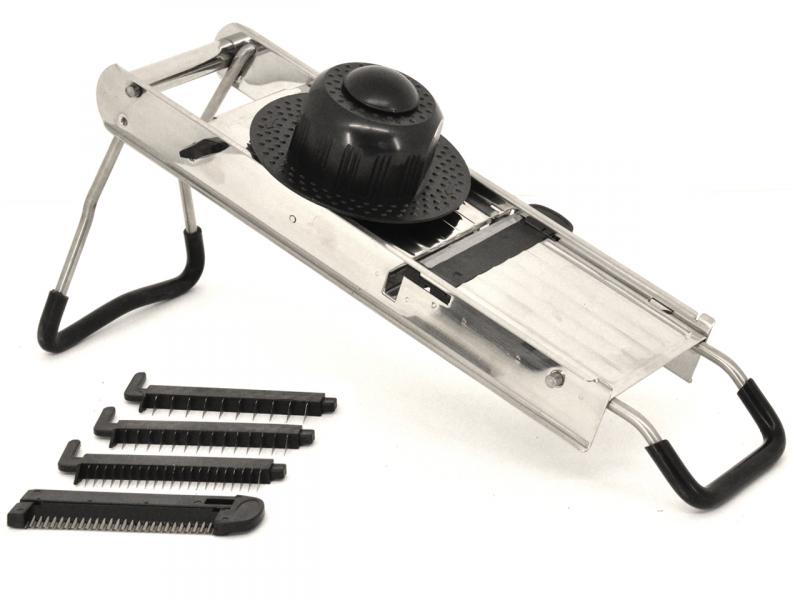
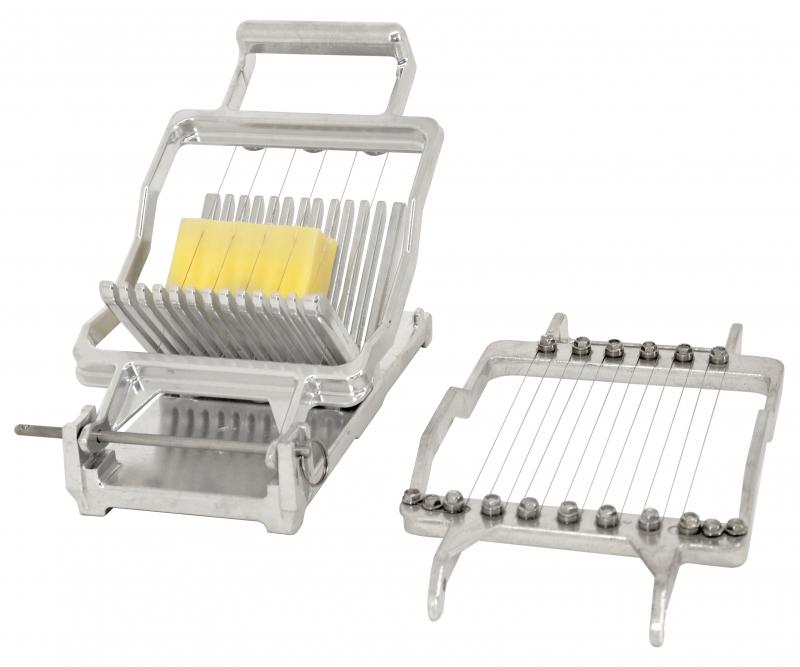
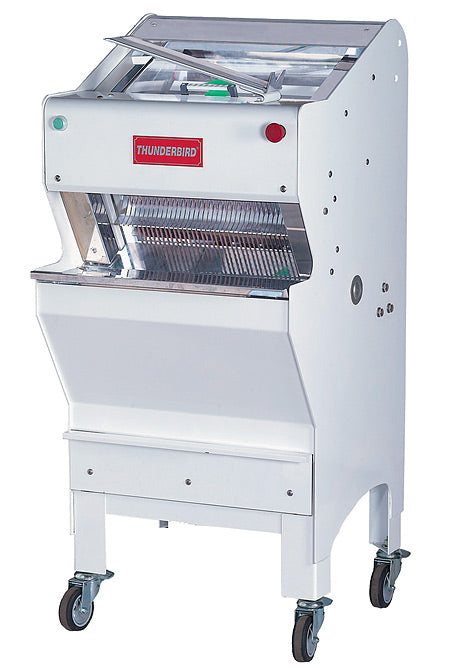
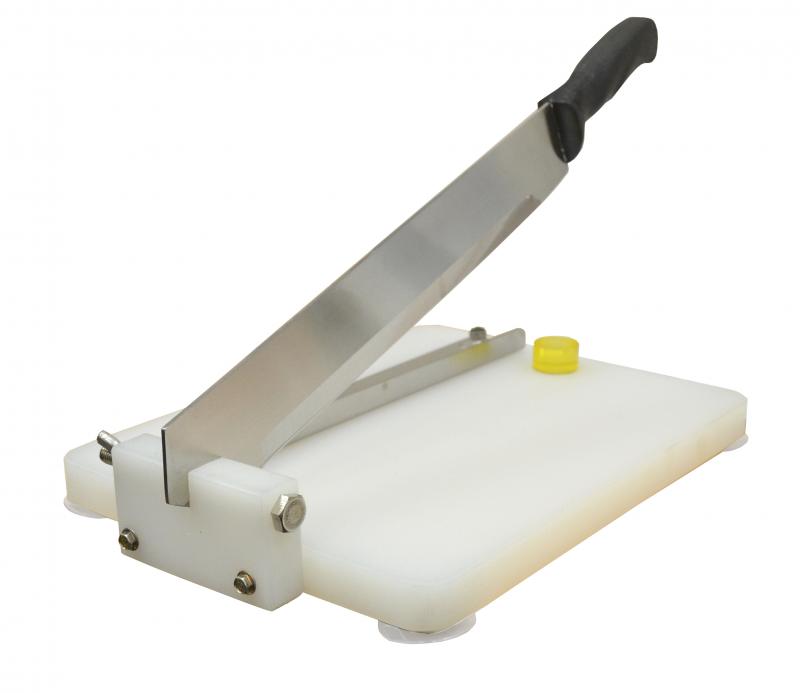
Preparation equipment should reduce repetitive labour while producing consistent portions. Your checklist may include commercial mixers, food processors, slicers, meat grinders, blenders, dough equipment, scales and vegetable cutters.
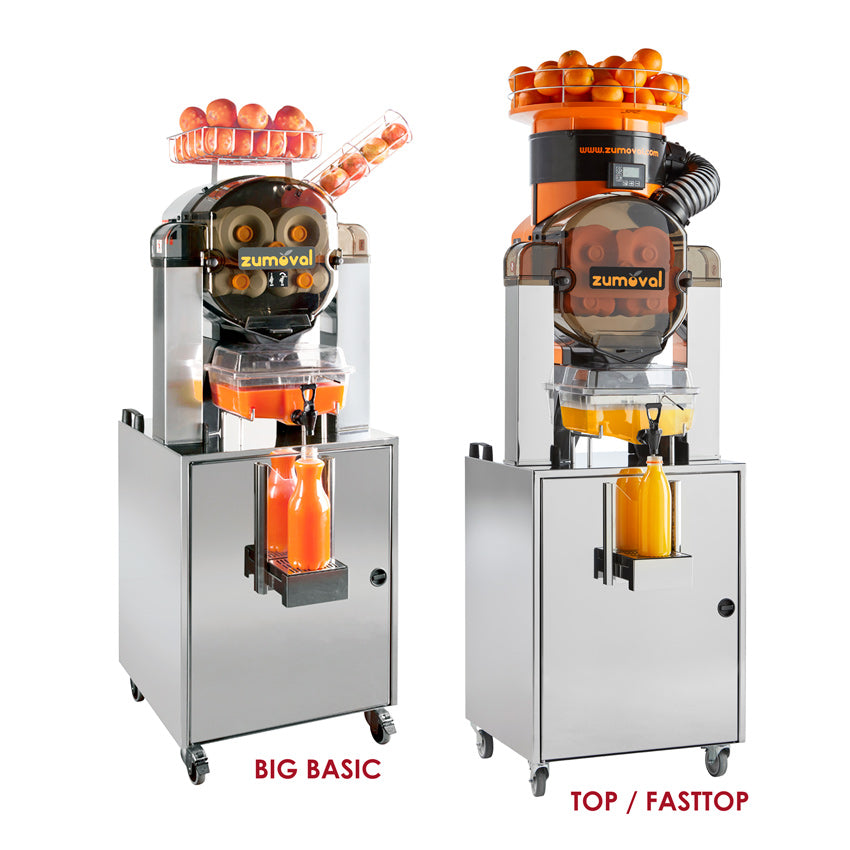
Choose models suited to your production volume and ingredient type. A bakery may prioritize planetary or spiral mixers, proofing cabinets and dough equipment, while a café may need compact blenders, juicers and sandwich-prep stations. Food-contact surfaces should be durable, easy to clean and maintained in good working order.

Mixers, processors and slicers can improve consistency while reducing manual preparation time.
4. Sinks, Dishwashing and Handwashing
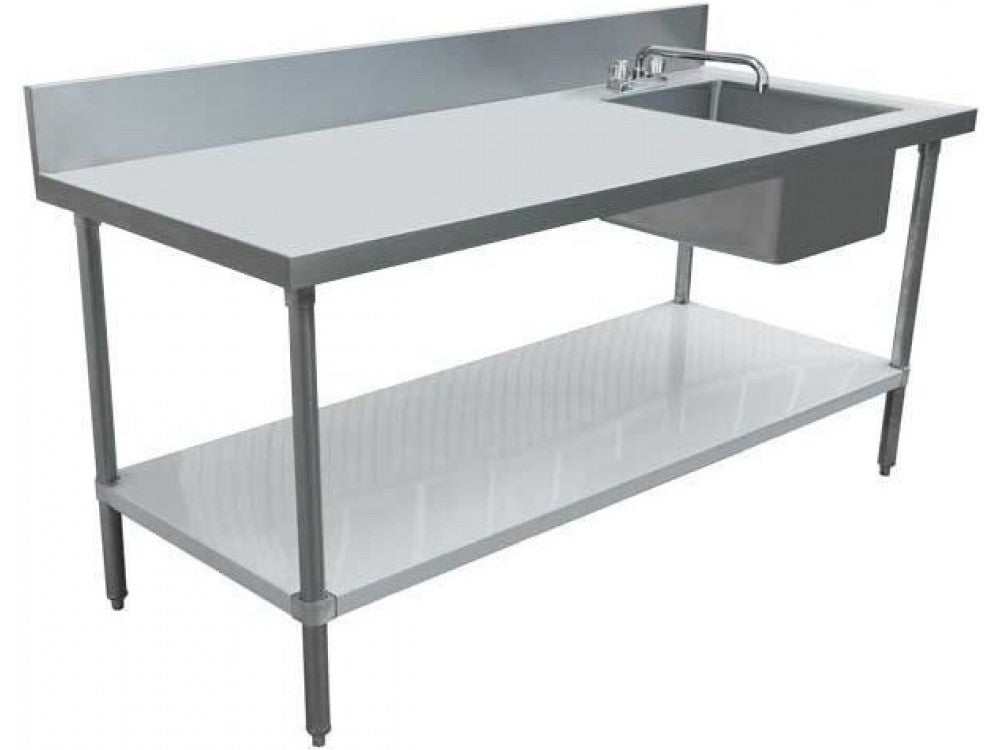
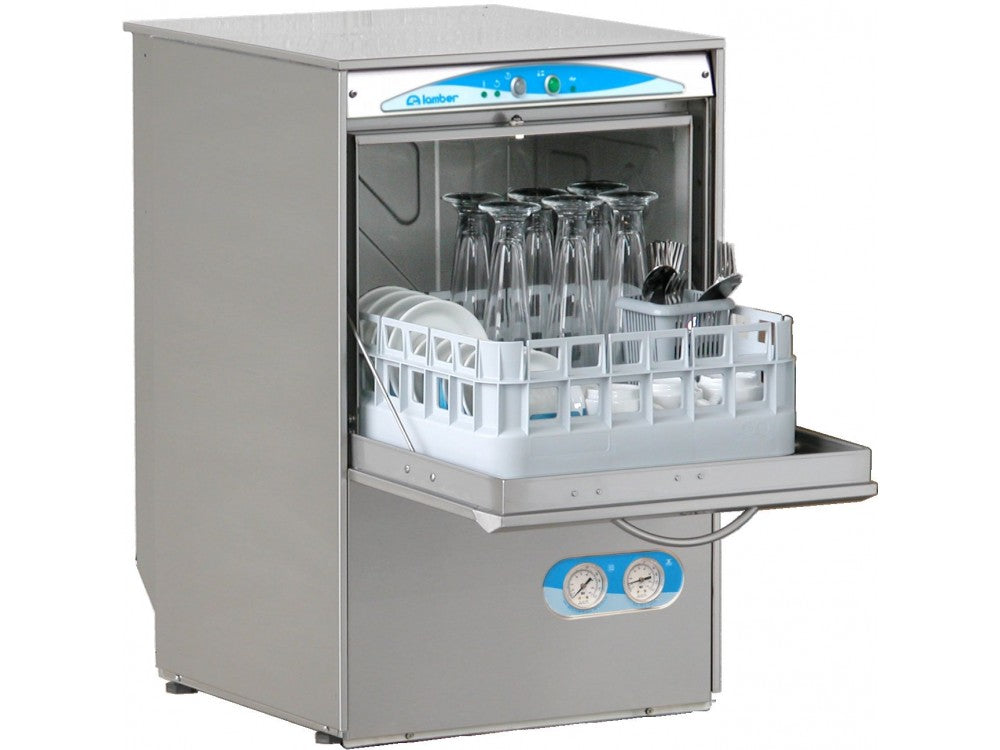
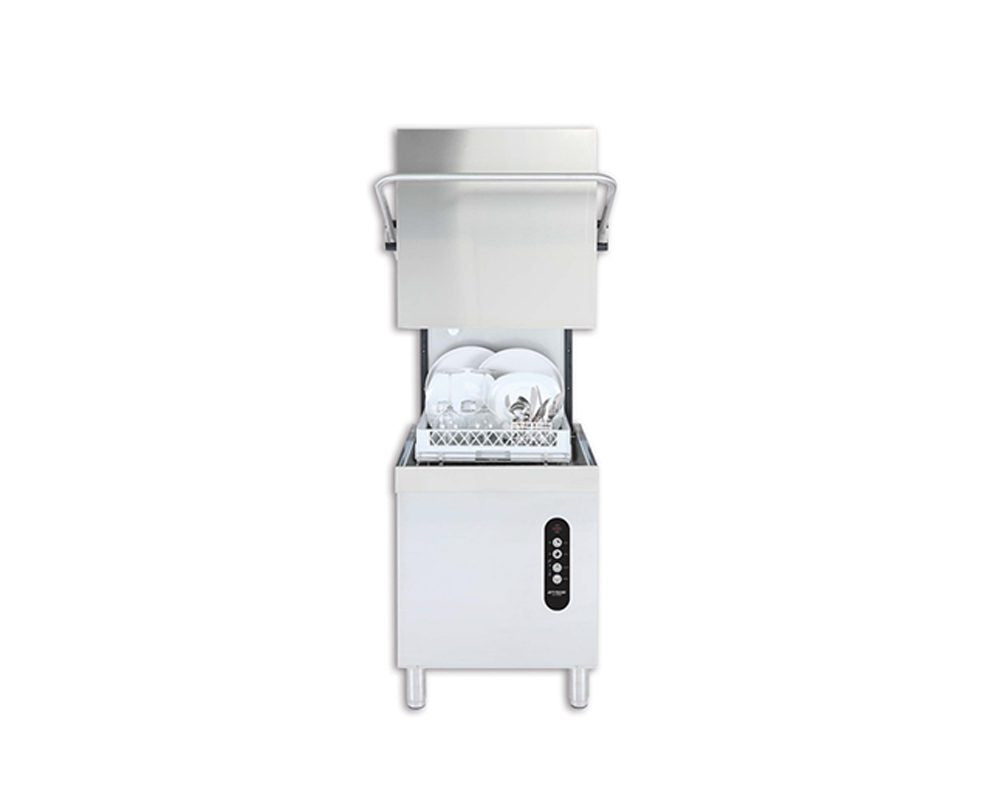
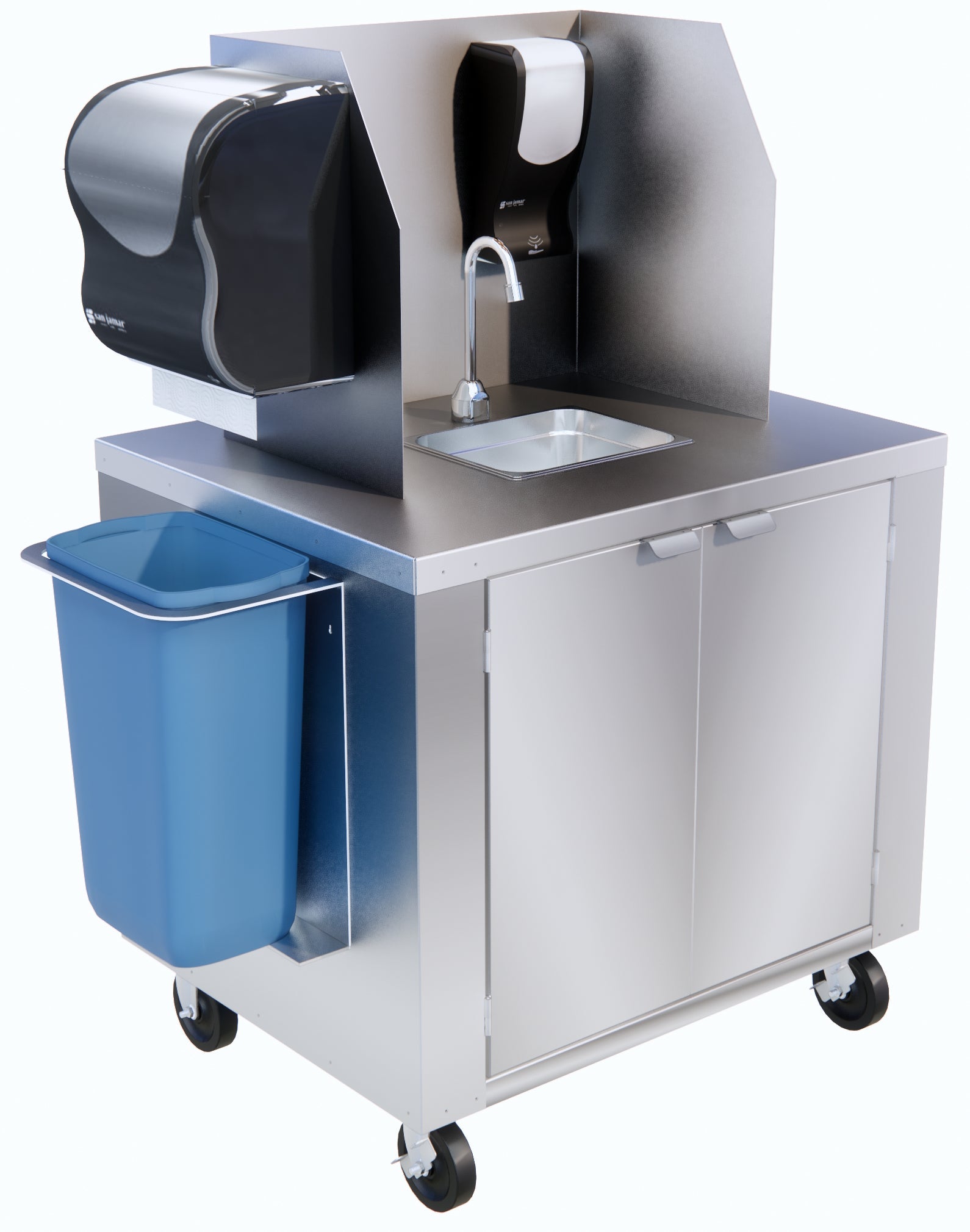
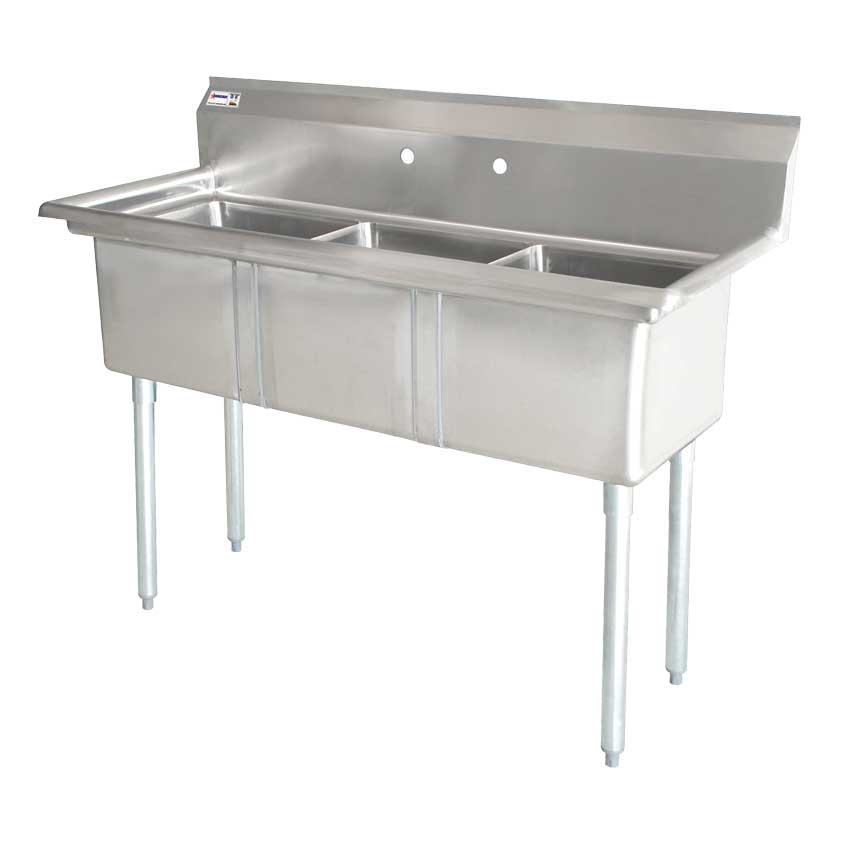
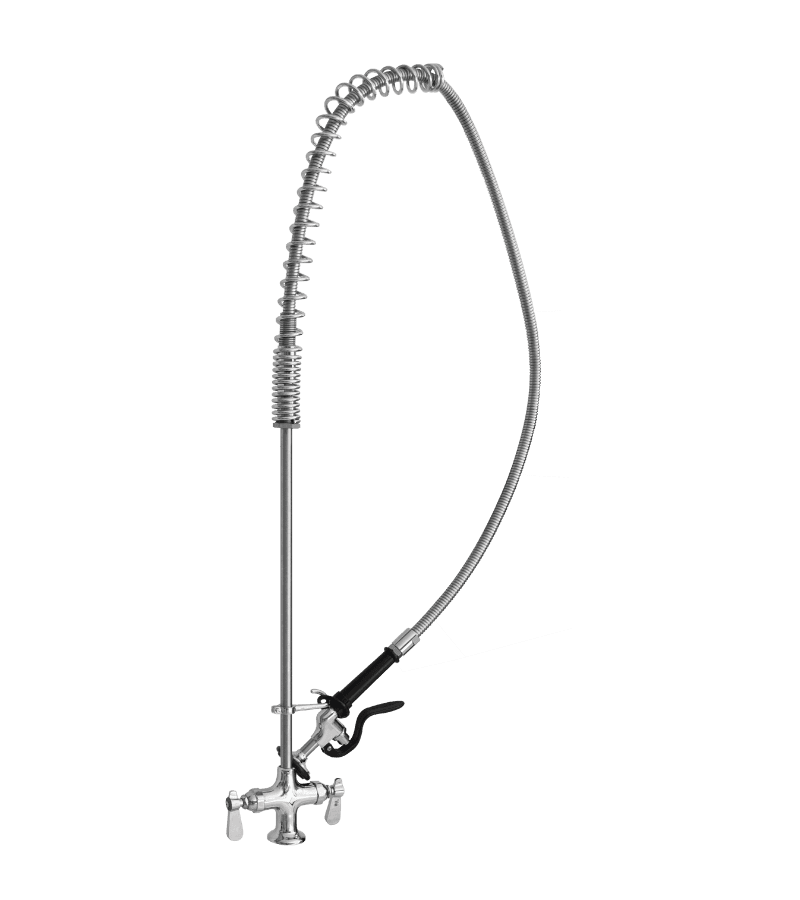
Plan separate functions for handwashing, food preparation, warewashing and janitorial work. Depending on local approval, your kitchen may need dedicated hand basins, pot sinks, pre-rinse stations, drainboards and a commercial dishwasher.
Handwashing stations should provide hot and cold running water, dispensed soap and single-service hand drying. Operators also need facilities that allow utensils and food-contact surfaces to be effectively washed and sanitized. Confirm sink compartments, dishwasher sanitizing method, drainage, water temperature and grease-interceptor requirements before finalizing the layout.
5. Work Tables, Storage and Transport
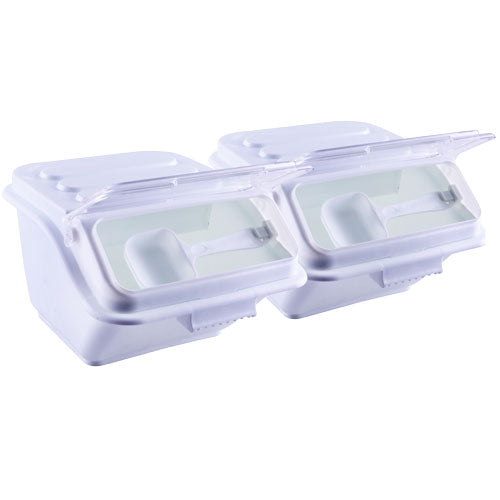
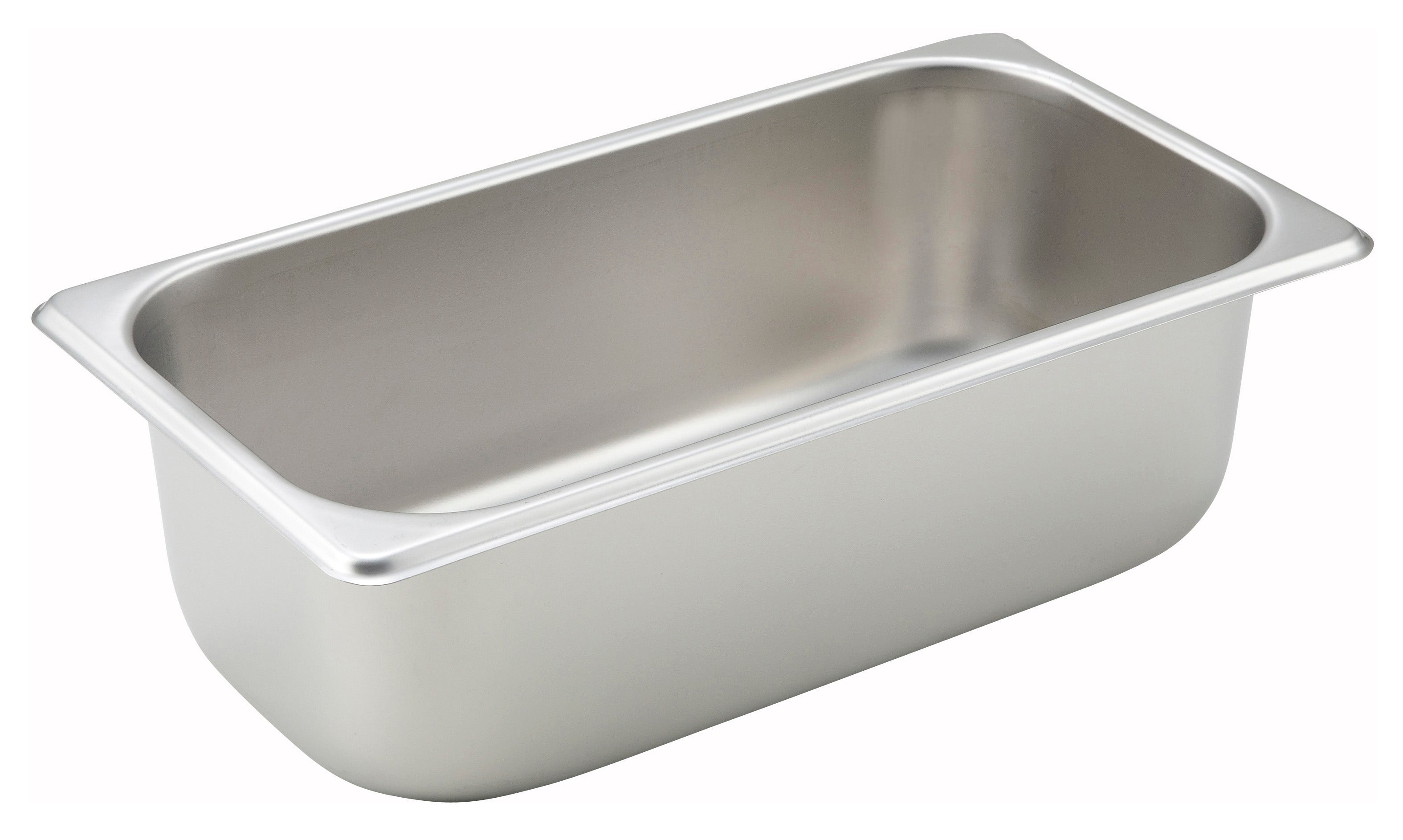
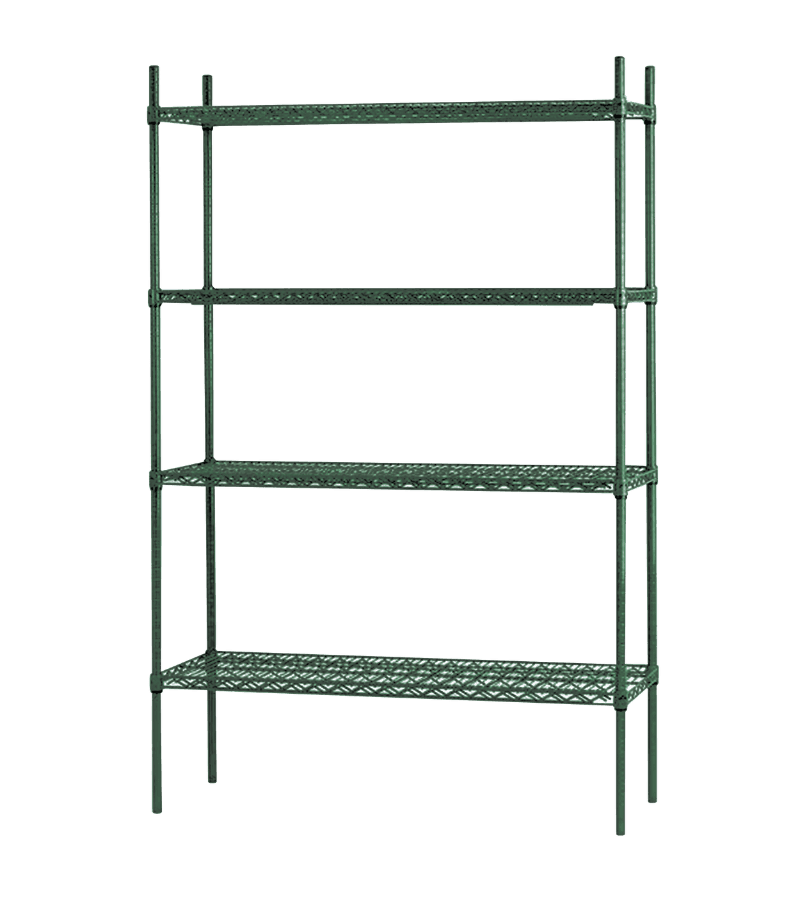
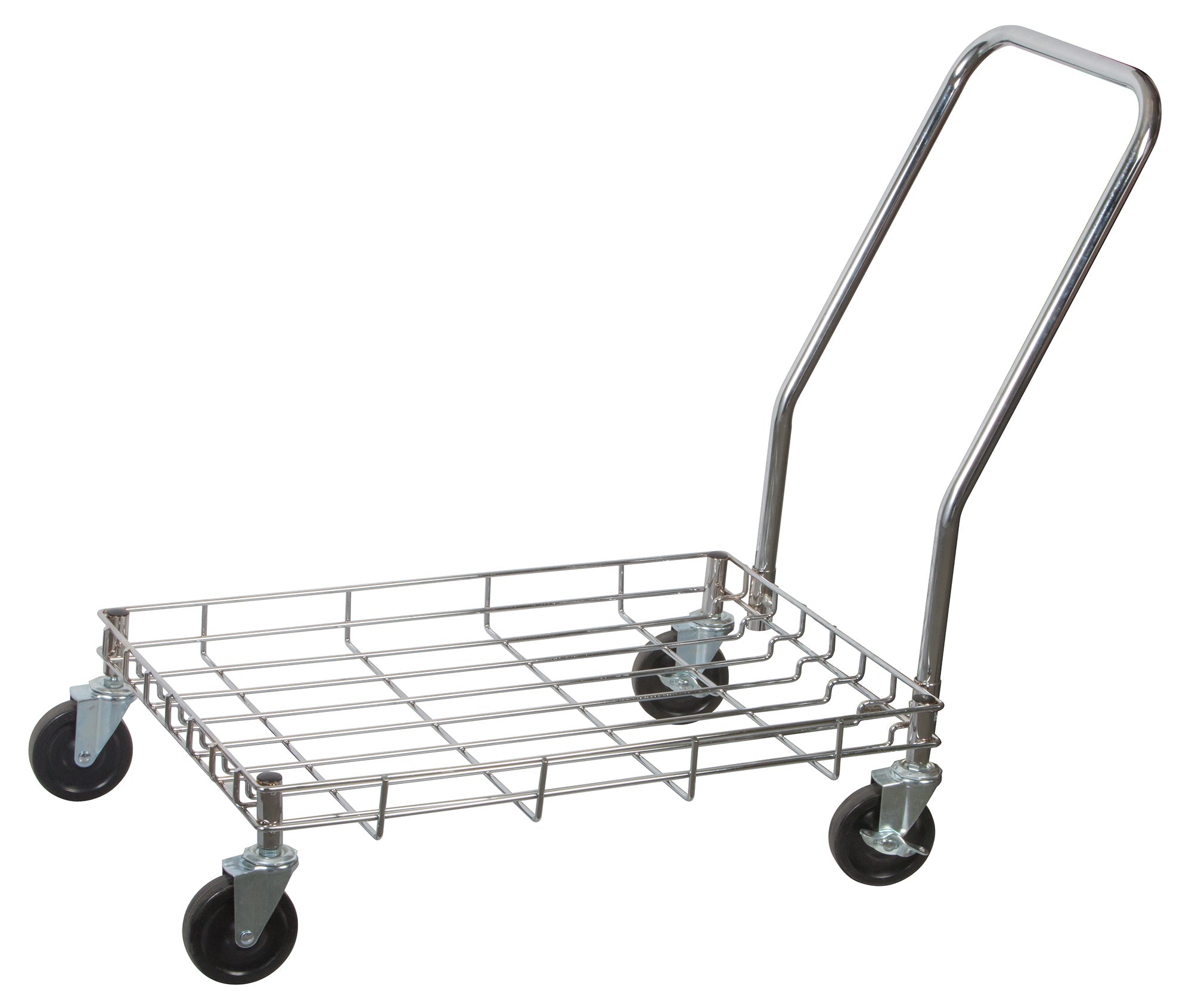
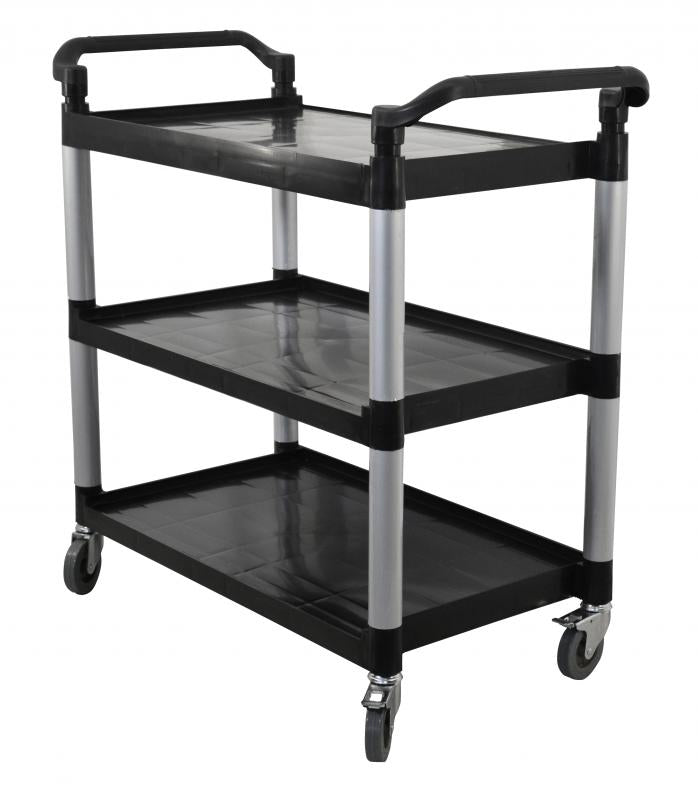
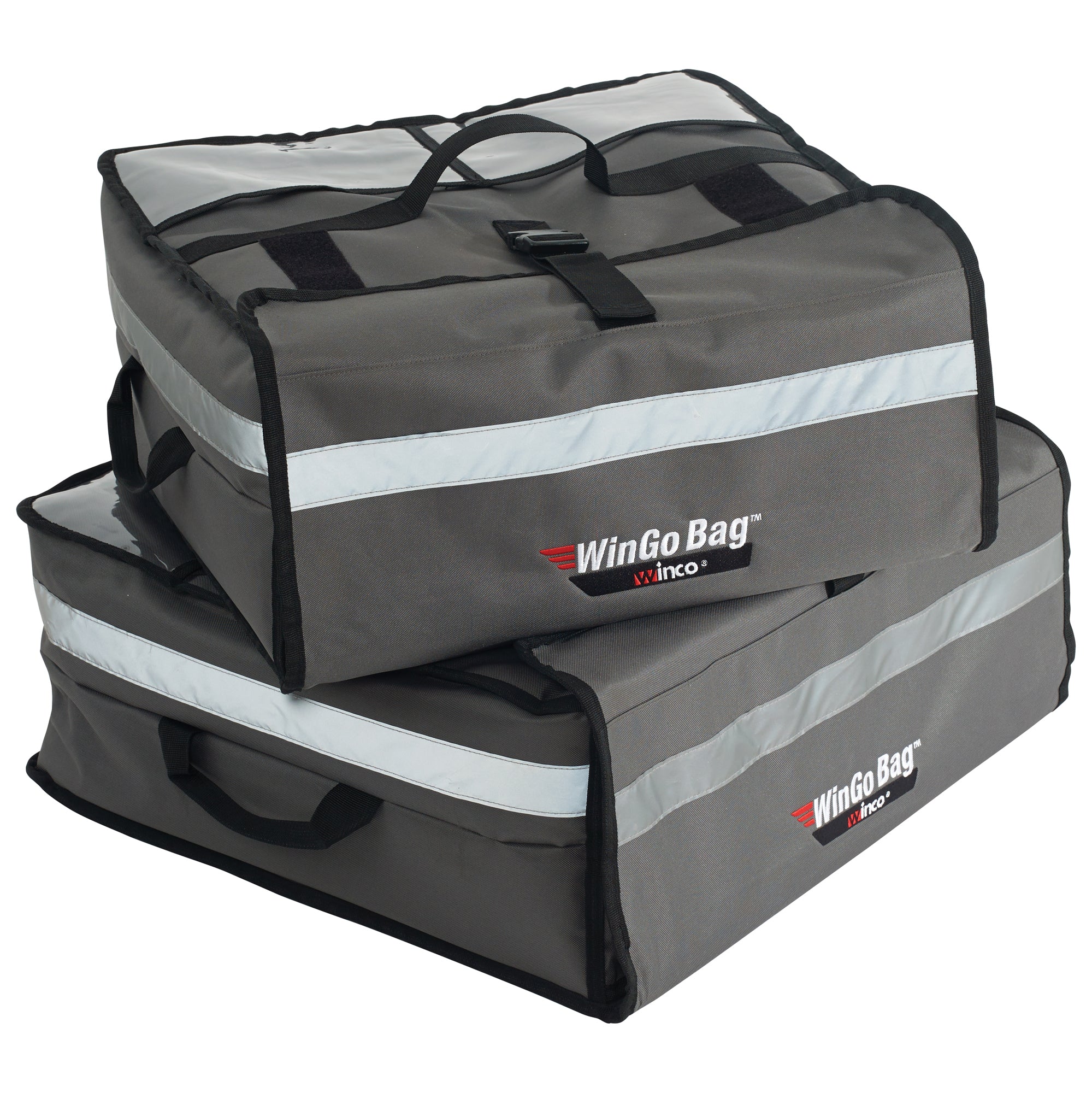
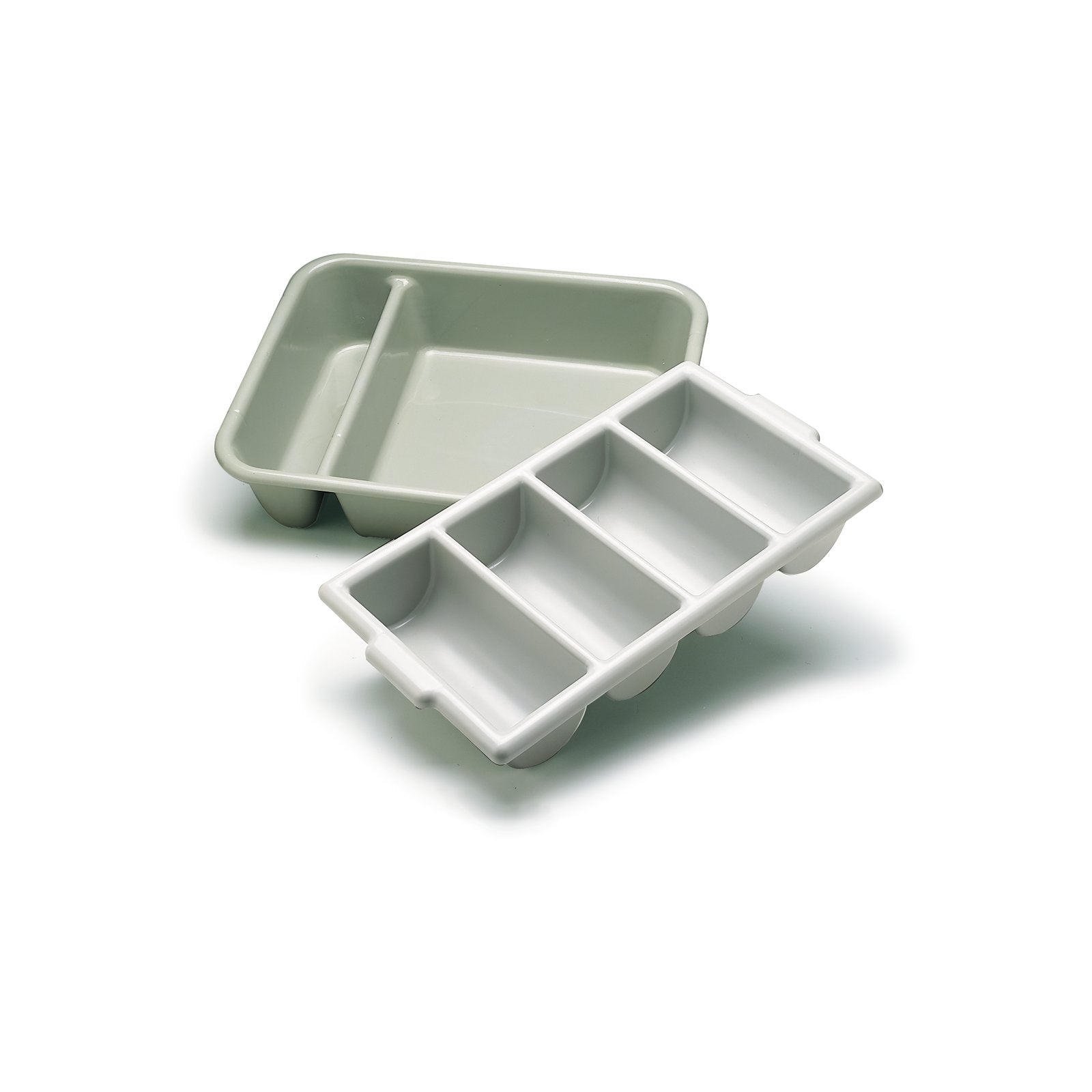
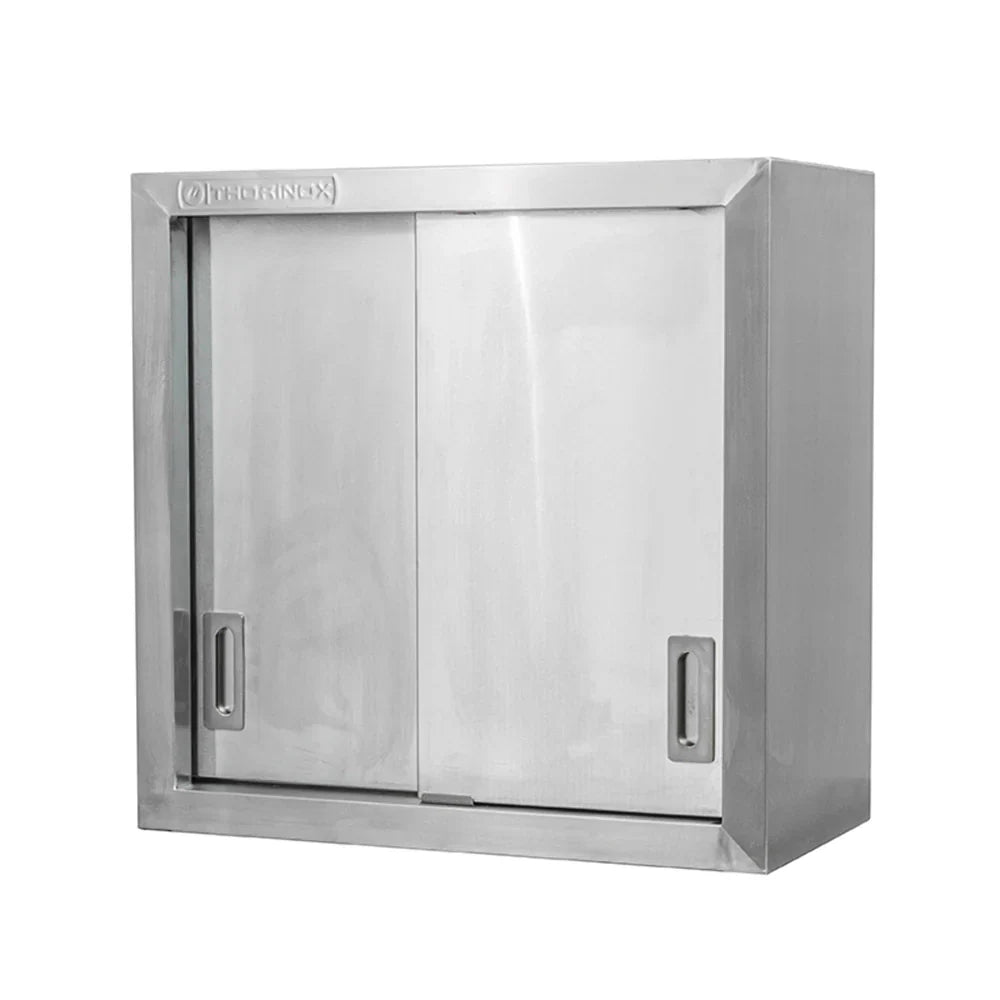
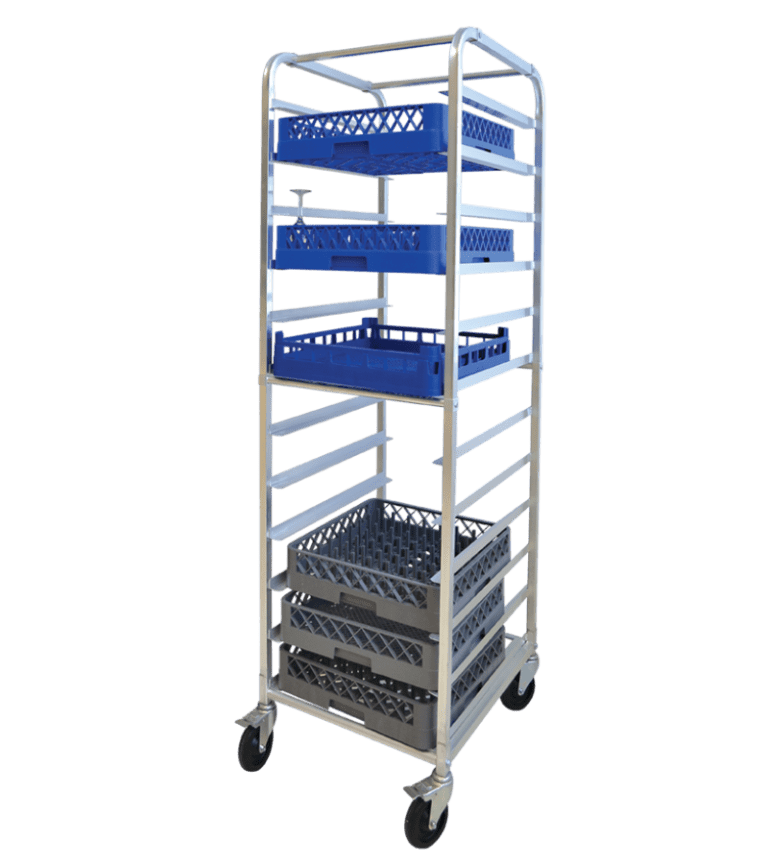
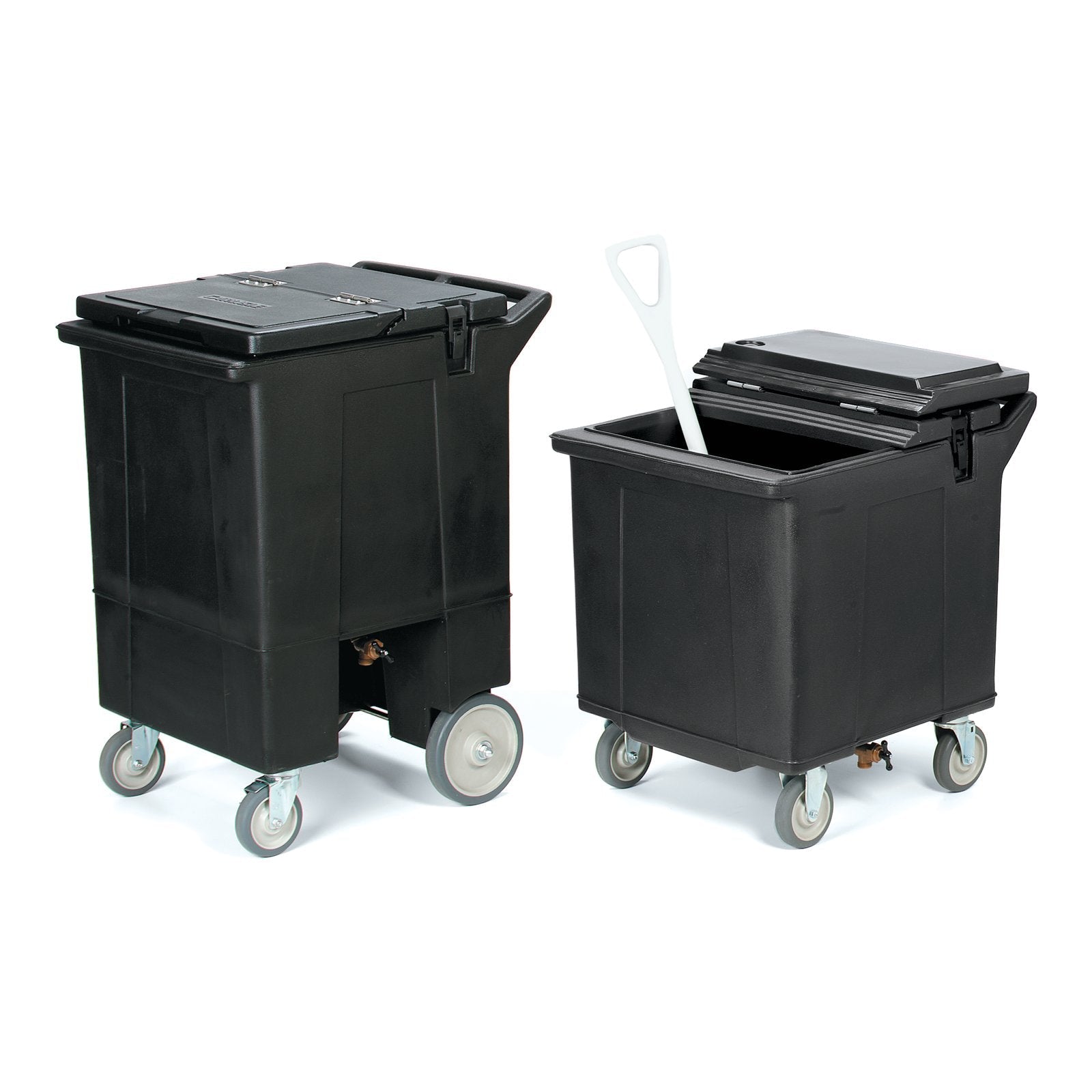
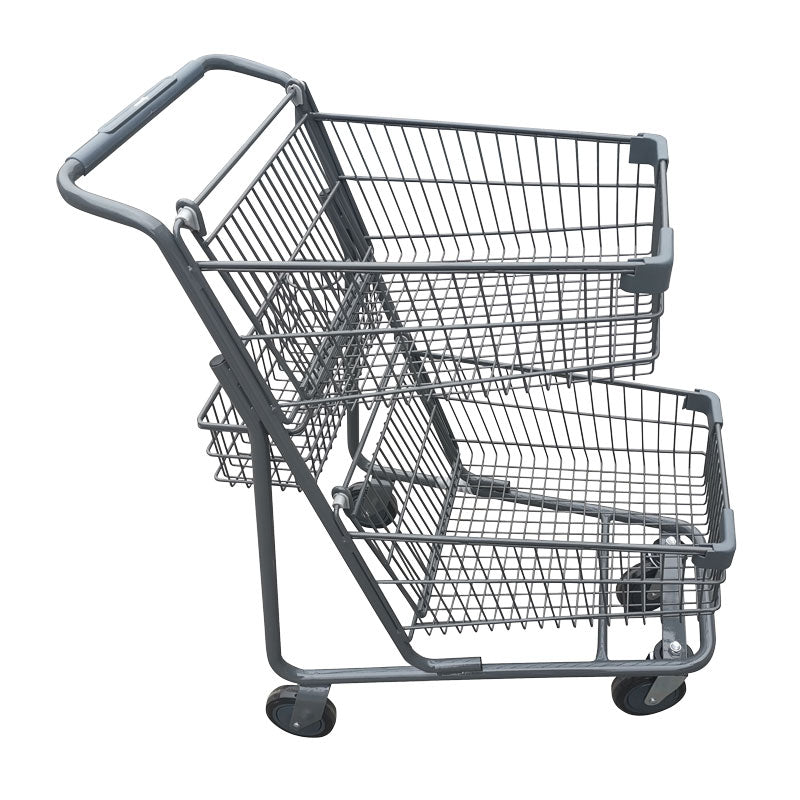
Include enough stainless-steel work tables, wall shelves, ingredient bins, food-grade containers, pan racks, utility carts and insulated delivery bags. Organize storage so raw ingredients, ready-to-eat foods, chemicals, clean utensils and waste remain separated.
Good storage improves workflow and reduces contamination risks. Cleaning chemicals should be clearly labelled and stored away from food. Caterers and food trucks should also plan transport equipment capable of maintaining safe temperatures between the commissary, vehicle and service location.
6. Ventilation, Utilities and Approved Equipment
Commercial exhaust systems must match the heat, grease, smoke and moisture produced by the cooking line. The premises also need potable water, compliant waste disposal, sufficient hot and cold water, suitable lighting and enough ventilation to support sanitary operation.
Confirm voltage, phase, amperage, gas type, water connections, drain locations and doorway clearances before delivery. Electrical and gas equipment should carry accepted Canadian certification or approval marks where required. Use qualified contractors, obtain permits when applicable and have field modifications approved by the authority having jurisdiction.
7. Final Purchasing Check
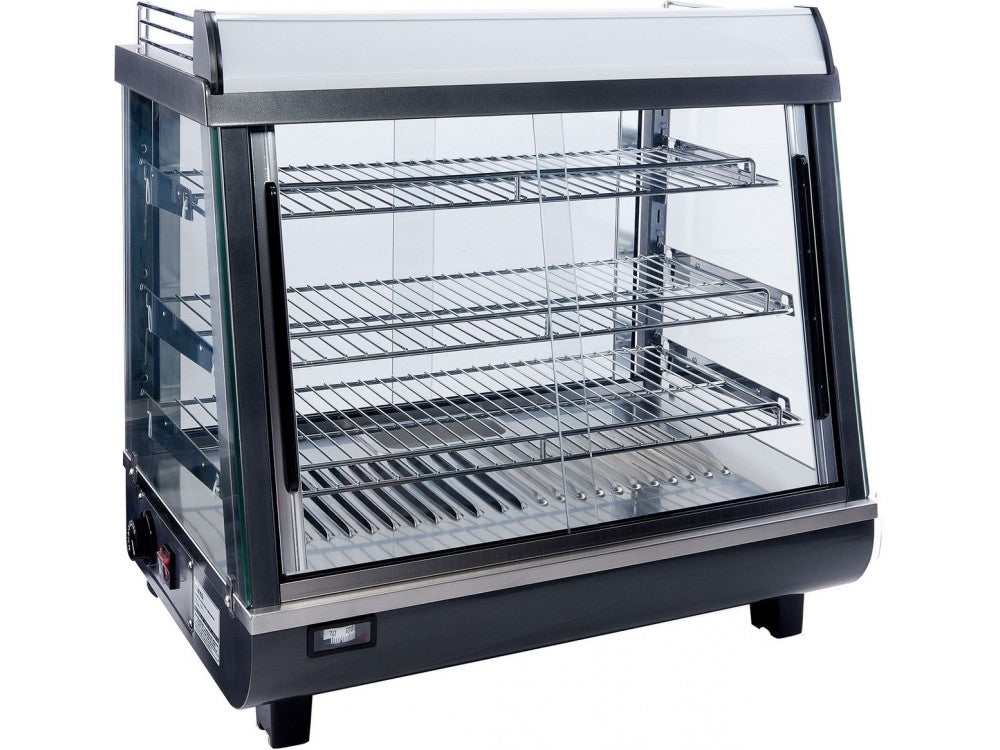
Before buying commercial kitchen equipment in Canada, confirm menu fit, output capacity, dimensions, certifications, utilities, ventilation, service access, warranty, replacement parts and total installed cost. A knowledgeable restaurant supply store can help compare specifications and coordinate kitchen equipment in Canada around an approved layout. Confirm delivery access, installation timing, commissioning and staff training before opening day.
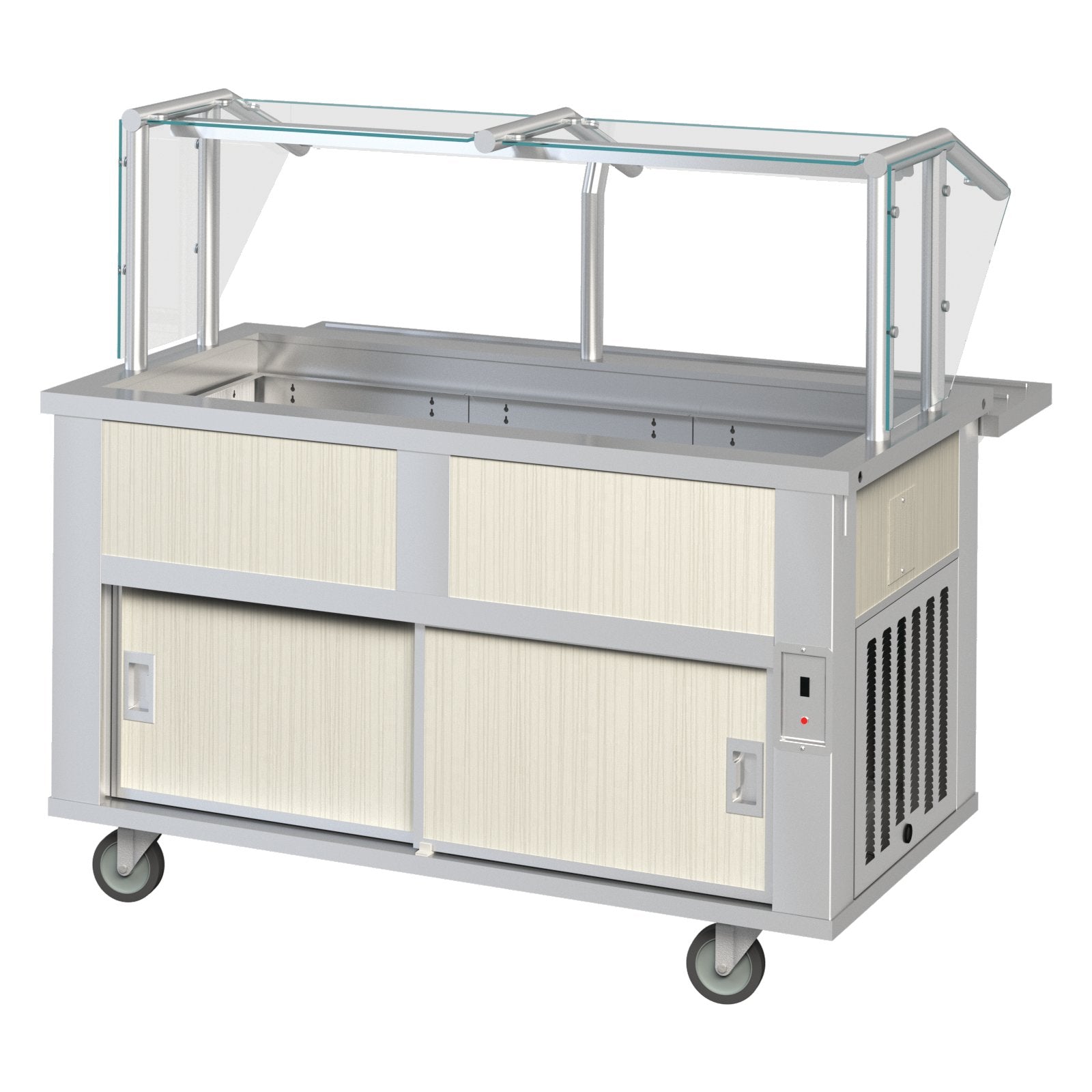
Whether you are opening in Surrey, Vancouver, the Lower Mainland, B.C.’s Interior, Vancouver Island or elsewhere in Canada, Brittania Food Equipment offers equipment for cooking, refrigeration, preparation, dishwashing, food holding, beverage service, storage and more.
|
Plan your kitchen with Brittania Food Equipment. Build a compliant, efficient and service-ready kitchen with equipment selected for your menu and operation. |