
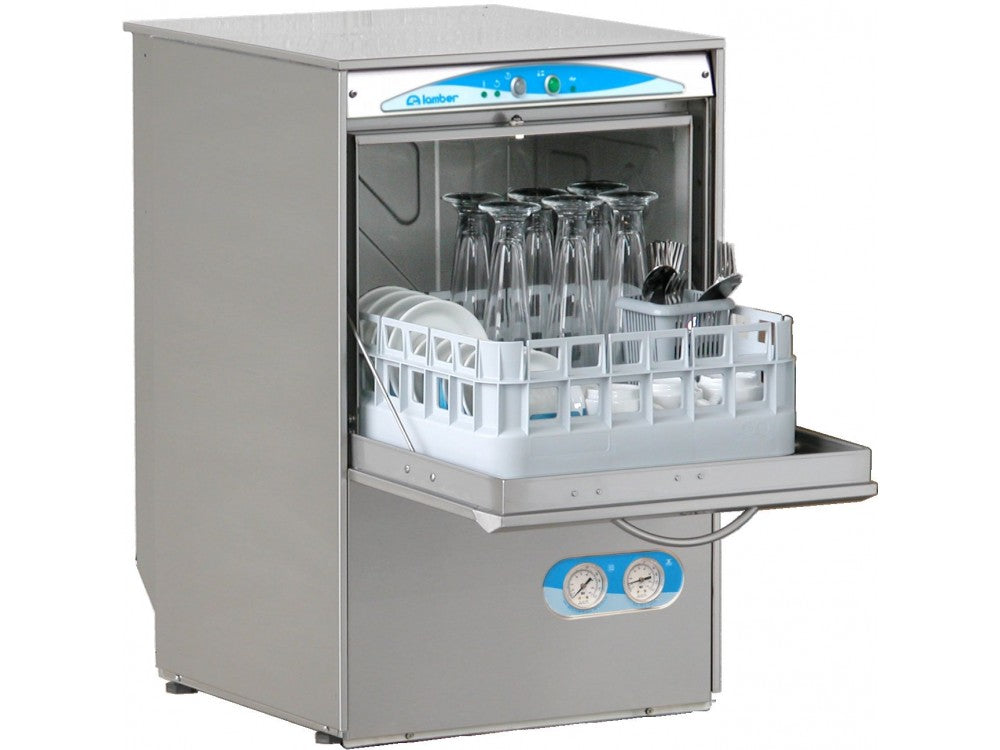
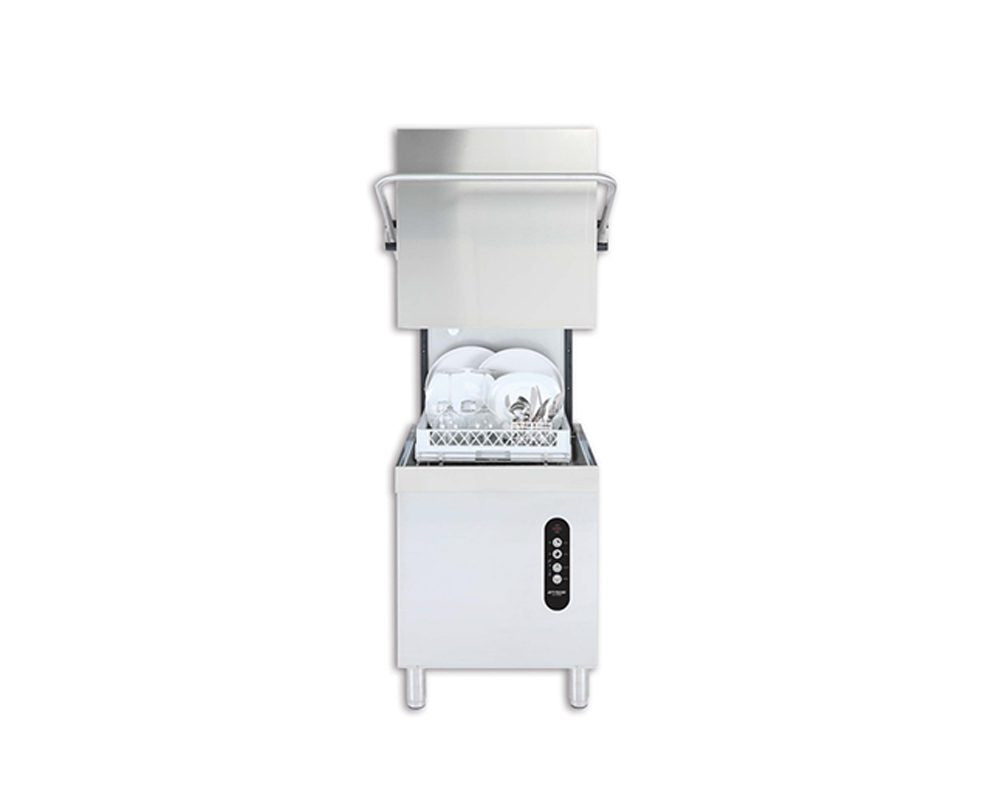




















A commercial dishwasher is essential to a busy restaurant kitchen. When your commercial dishwasher is leaving dishes dirty, it can slow service, increase labor costs, and create food-safety concerns.
Food particles, greasy dishes, and cloudy glasses often indicate problems with loading, filters, chemicals, or water temperature. Here are six common causes and practical troubleshooting steps.

Commercial Dishwasher Troubleshooting Guide
| Problem | Possible cause | Recommended Fix |
|---|---|---|
| Food particles | Blocked filters or poor loading | Clean filters and reposition dishes |
| Greasy dishes | Low temperature or incorrect detergent | Check wash temperature and detergent |
| Cloudy glasses | Hard water or rinse-aid issues | Inspect rinse aid and mineral buildup |
| Wet dishes | Improper loading or rinse-aid problems | Improve loading and allow air-drying |
1. Check Pre-Scraping and Loading
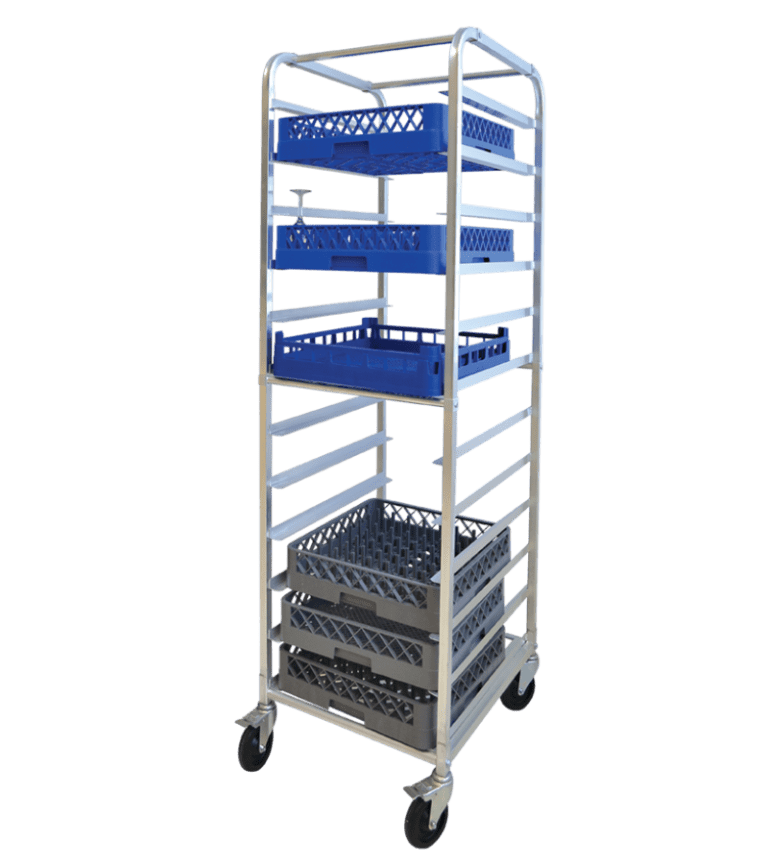
Large food scraps can clog filters and reduce cleaning performance. Scrape plates before loading, avoid overcrowding racks, and position dishes so water reaches every surface.
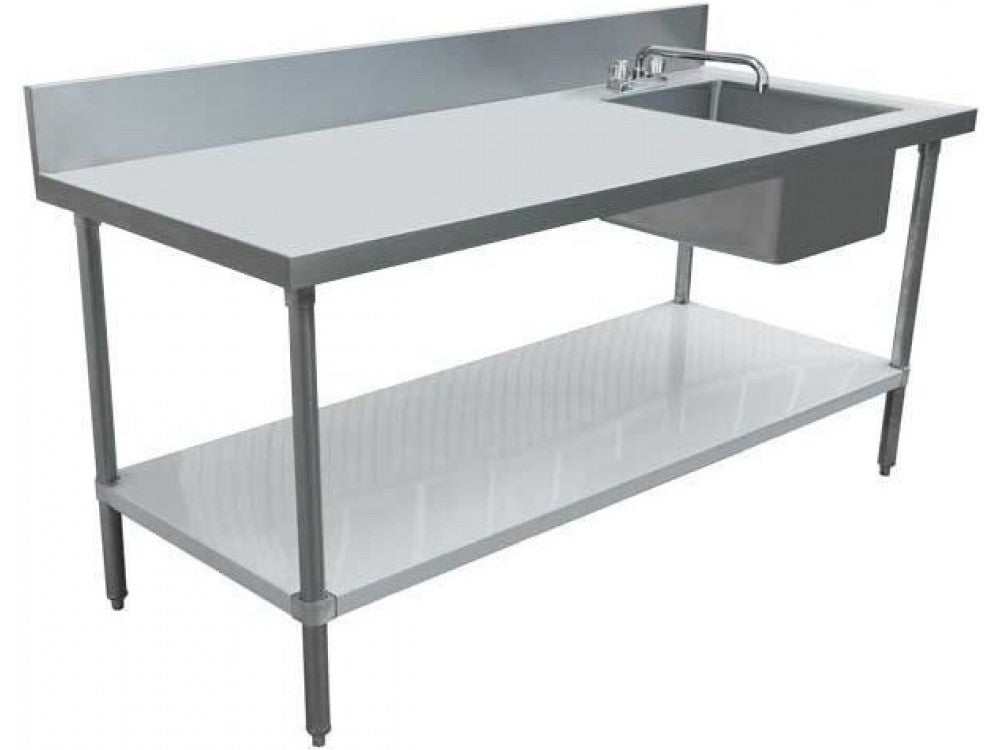
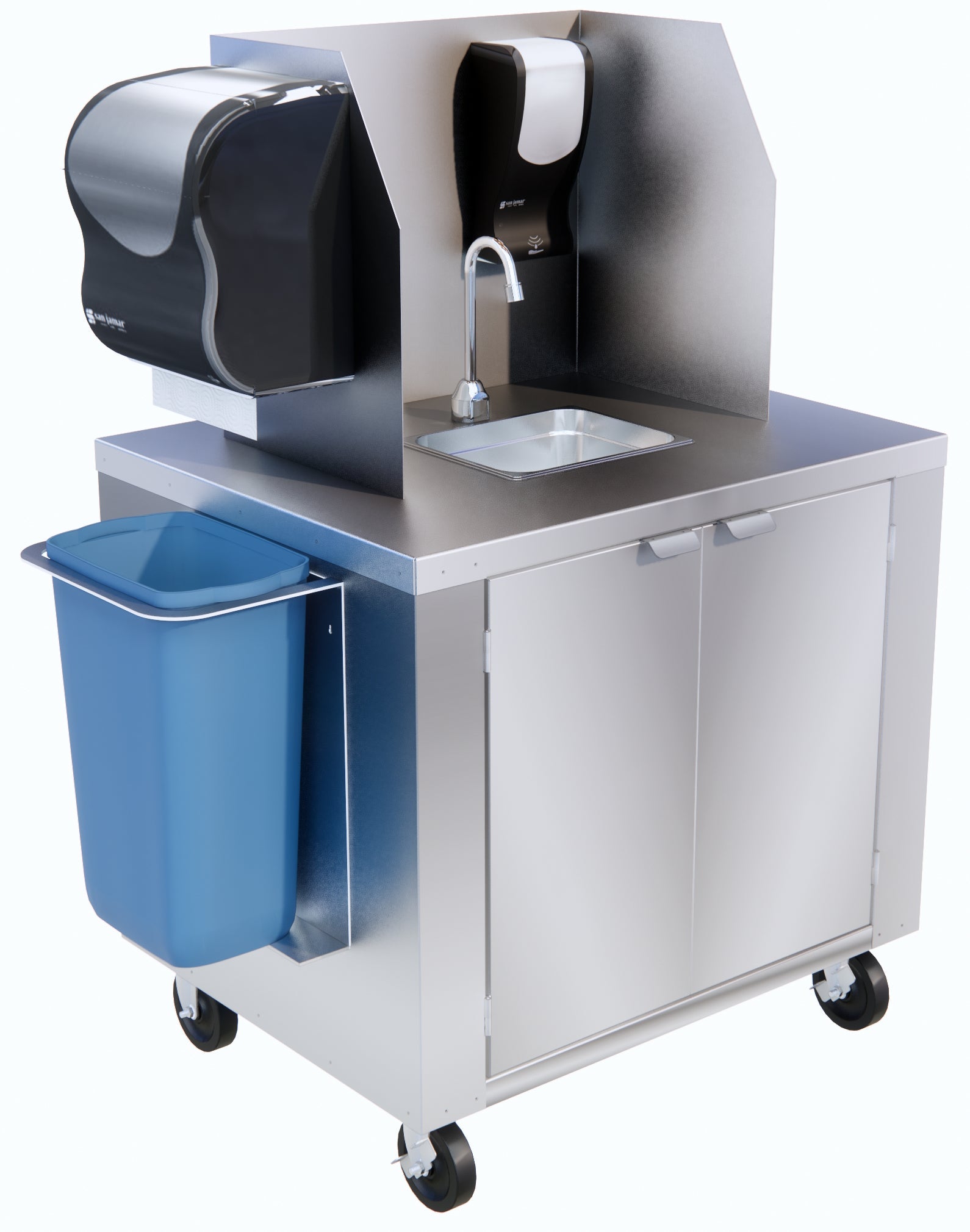
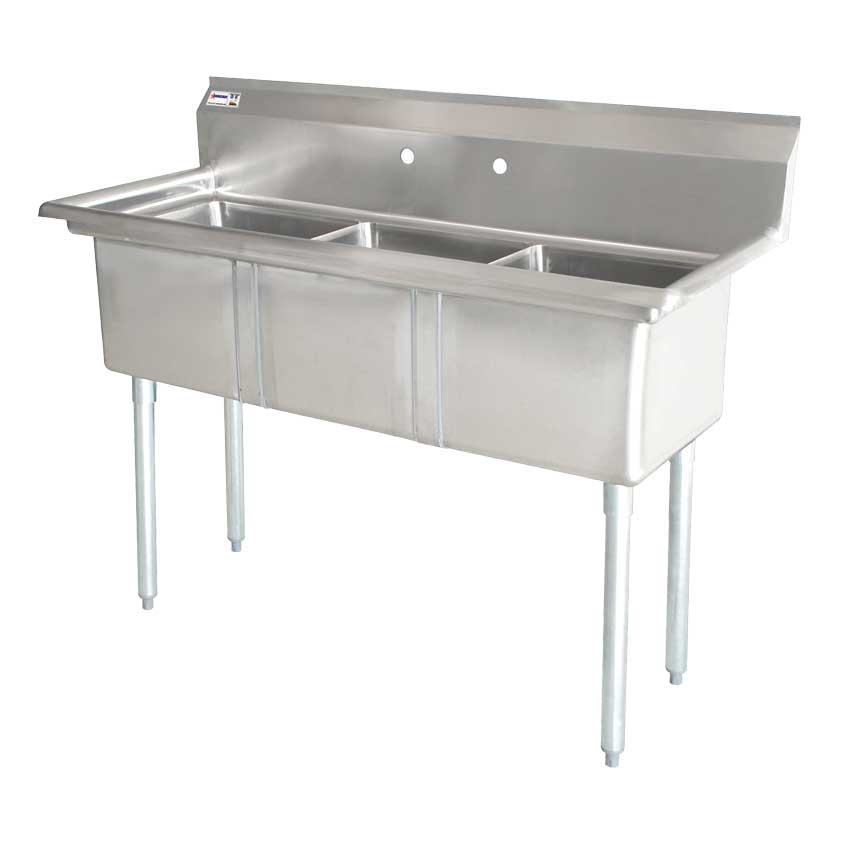
Properly positioned commercial sinks can also support efficient pre-scraping and warewashing.
2. Clean Filters, Strainers and Spray Arms
Clogged filters and blocked spray arms can prevent water from circulating effectively.
Remove food debris, inspect spray-arm nozzles, and clean accessible components according to manufacturer instructions. Check that spray arms rotate freely where applicable.
Frequent inspection is particularly important in high-volume kitchens.
3. Verify Detergent, Rinse Aid and Sanitizer
Incorrect chemical dosing can leave grease, streaks, or residue.
Check detergent and rinse-aid supplies, inspect accessible dispensing lines, and confirm that approved chemicals are being used.
For low-temperature chemical-sanitizing machines, use appropriate test strips to verify sanitizer concentration. The BCCDC recommends recording sanitizer residual concentration and wash-water temperature daily.
4. Confirm Wash and Sanitizing Temperatures
Insufficient wash temperature can reduce detergent effectiveness and prevent proper cleaning.
The BCCDC mechanical warewashing guideline provides these minimum temperatures for common hot-water sanitizing machines:
| Dishwasher Type | Wash | Sanitizing Rinse |
|---|---|---|
| Single-temperature stationary rack | 74°C | 74°C |
| Dual-temperature stationary rack | 66°C | 82°C |
| Single-tank conveyor | 71°C | 82°C |
Rinse temperatures refer to the manifold. Hot-water sanitizing should achieve a utensil surface temperature of at least 71°C.
Check temperature indicators and follow manufacturer specifications. If sanitizing requirements are not met, stop relying on the machine for sanitization until corrective action is completed.
5. Look for Hard-Water Scale
Mineral deposits can cause cloudy glassware, white spots, and restricted spray nozzles.
Inspect for scale and follow the manufacturer's recommended deliming procedure. Persistent buildup may indicate a need for water treatment.
Never mix deliming products with chlorine-based chemicals.
6. Inspect Water Pressure and Worn Components
Poor water supply, malfunctioning pumps, worn seals, or heating problems can reduce dishwasher performance.
Check for visible leaks, unusual noises, and error messages. Persistent mechanical or temperature problems should be assessed by a qualified technician.
Commercial Dishwasher Troubleshooting Flowchart

Use the flowchart to identify whether the problem involves food residue, grease, mineral buildup, or mechanical performance.
Keep Your Dishwasher Performing Reliably
Routine maintenance helps reduce breakdowns and supports safe warewashing.
In British Columbia, the Food Premises Regulation requires sanitary maintenance of equipment and applicable written sanitation procedures. Operators should document monitoring and corrective actions.
Still Leaving Dishes Dirty?If troubleshooting does not resolve the problem, professional service or replacement may be necessary. Brittania Food Equipment helps restaurants, cafés, and commercial kitchens across Surrey, Vancouver, British Columbia, and Canada select suitable dishwashing equipment. Explore our commercial dishwashers, including undercounter, door-type, and glasswasher options. Request Equipment Guidance or a Quote to find equipment suited to your kitchen’s capacity and workflow. Visit Brittania Related equipment: Commercial sinks | Pot sinks Food-safety requirements vary across Canada. Follow your local health authority and equipment manufacturer’s instructions. |