
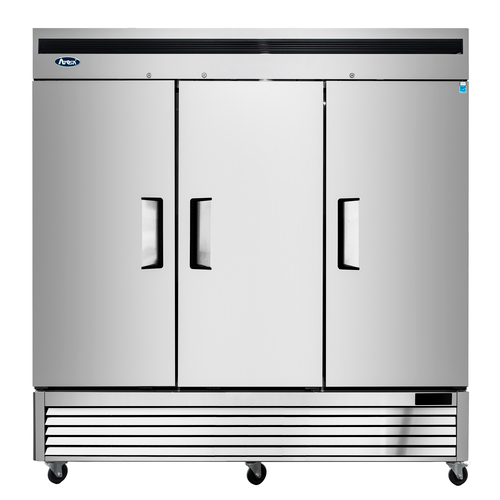




















Is your commercial refrigerator running but not cooling properly? Common causes include dirty condenser coils, blocked airflow, damaged door gaskets, faulty fans, excessive frost and refrigeration-system problems.
Before troubleshooting, check the actual food temperature and protect temperature-sensitive inventory. In British Columbia, potentially hazardous foods generally must be held at 4°C (40°F) or colder during refrigerated storage.
This guide explains eight common causes of commercial refrigerator cooling problems, what restaurant operators can safely check and when professional service or replacement may be necessary.

In British Columbia, potentially hazardous food must generally be stored or displayed at 4°C or colder. Refrigeration equipment must also be capable of maintaining the required temperature. Operators elsewhere in Canada should follow the applicable provincial or territorial food-safety regulations, local health authority requirements, and their approved food-safety procedures.
1. Check the Refrigerator Temperature
The first step when dealing with a commercial refrigerator not cooling is to confirm the actual temperature.
Do not rely only on the refrigerator's digital display. Use a reliable thermometer to verify the cabinet and, when appropriate, food temperatures.
Many commercial kitchens operate refrigerators around 1°C to 3°C to provide a buffer below the 4°C cold-holding limit used in British Columbia.
If food has been held above the permitted temperature, move affected products to reliable cold storage and follow your food-safety plan or local health authority guidance before using or serving them.
2. Inspect the Condenser Coils
Dirty condenser coils are one of the most common causes of poor refrigeration performance.
Grease, dust, flour, and debris can accumulate around the condenser, especially in busy restaurant and bakery kitchens. When the condenser cannot release heat efficiently, the compressor may run longer while the refrigerator struggles to maintain temperature.
Clean accessible condenser surfaces according to the manufacturer's maintenance instructions. Avoid bending condenser fins or damaging electrical wiring and refrigerant lines.
Regular condenser maintenance can also help reduce unnecessary energy consumption and extend equipment life.
3. Check for Blocked Airflow
Commercial refrigerators need adequate airflow to distribute cold air throughout the cabinet.
Overloading shelves, placing containers directly against vents, or stacking boxes too tightly can prevent proper circulation.
Make sure:
- Interior air vents are not blocked.
- Products are not packed tightly against evaporator fans.
- Shelves are loaded according to manufacturer recommendations.
- There is sufficient clearance around the unit for ventilation.
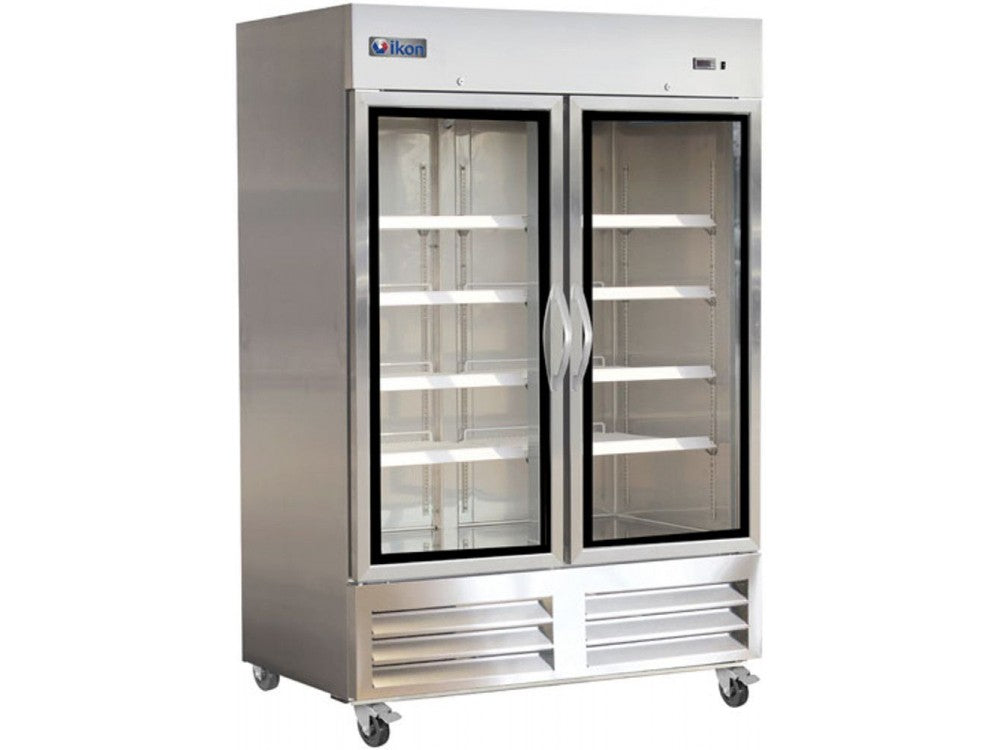
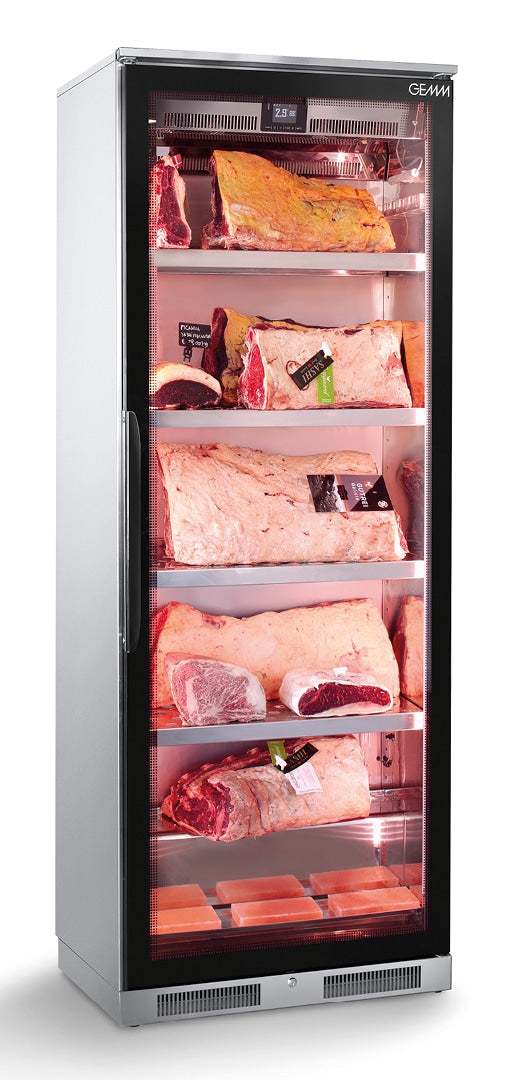
Proper airflow is especially important in [commercial refrigerators], refrigerated prep tables, undercounter refrigerators, and other high-use foodservice equipment.
4. Inspect the Door Gaskets
A damaged or dirty door gasket allows warm kitchen air to enter the refrigerator.
Check the gasket around the entire door for:
- Cracks or tears
- Loose sections
- Food debris or grease buildup
- Areas that no longer make full contact with the cabinet
Clean the gasket regularly and replace it if it can no longer create a reliable seal.
You should also check that the door closes completely and that hinges and self-closing mechanisms are working properly.
5. Consider the Kitchen Environment
A refrigerator may have difficulty maintaining temperature if it is installed beside high-heat equipment such as fryers, ranges, ovens, or grills.
Poor ventilation around the condenser can create similar problems.
When choosing kitchen equipment in Canada, always check the manufacturer's required installation clearances, ambient operating temperature, ventilation requirements, and electrical specifications.
Commercial electrical equipment should also carry an appropriate Canadian certification or approval mark accepted by the applicable electrical authority.
6. Look for Ice or Frost Buildup
Excessive frost around the evaporator can restrict airflow and reduce cooling performance.
Possible causes include:
- Defrost system problems
- Faulty temperature sensors
- Evaporator fan issues
- Door gasket leaks
- Doors being left open frequently
Do not use sharp tools to chip ice from evaporator coils because doing so can damage the refrigeration system.
If heavy frost repeatedly returns after defrosting, professional service may be necessary.
7. Check the Fans
Commercial refrigeration systems typically rely on condenser and evaporator fans.
If a fan is not operating correctly, the unit may still run but fail to circulate or remove heat efficiently.
Unusual noises, intermittent fan operation, or a completely silent fan can indicate a mechanical or electrical problem.
If accessing the fan requires removing electrical panels or refrigeration components, contact a qualified service technician.
8. Refrigerant, Compressor, or Control Problems
If basic maintenance does not restore cooling, the issue may involve:
- Refrigerant leakage
- Compressor failure
- Temperature sensor failure
- Electronic controller problems
- Defrost system faults
- Electrical components
Refrigerant does not normally disappear through regular operation. A low refrigerant charge may indicate a leak that should be located and repaired rather than simply refilled.
Refrigeration-system repairs and refrigerant handling should be completed by appropriately qualified professionals in accordance with applicable Canadian and provincial requirements.

When to Call for Service or Replace the Unit
If cooling does not recover, protect food, document temperatures and arrange professional service. Repeated breakdowns, rising repair costs or insufficient capacity may justify replacement. Compare equipment size, airflow, electrical needs and kitchen workflow before buying.
Frequently Asked Questions
Why is my commercial refrigerator running but not cooling?
Possible causes include dirty coils, blocked vents, faulty fans or a refrigeration-system problem.
Is a refrigerator set to 3°C safe?
It can provide a buffer below the 4°C limit, but verify actual food temperatures and applicable rules.
When should a refrigerator be replaced?
Consider replacement when reliability, required temperatures or economical repair can no longer be maintained.
Find Commercial Refrigeration in Canada
Brittania Food Equipment supports foodservice operators across Canada, including Surrey, Vancouver and British Columbia. Explore commercial refrigerators and freezers or browse all commercial refrigeration for replacement options.
Further reading: Commercial Refrigeration Buyer’s Guide
Food-safety reference: B.C. Food Premises Regulation